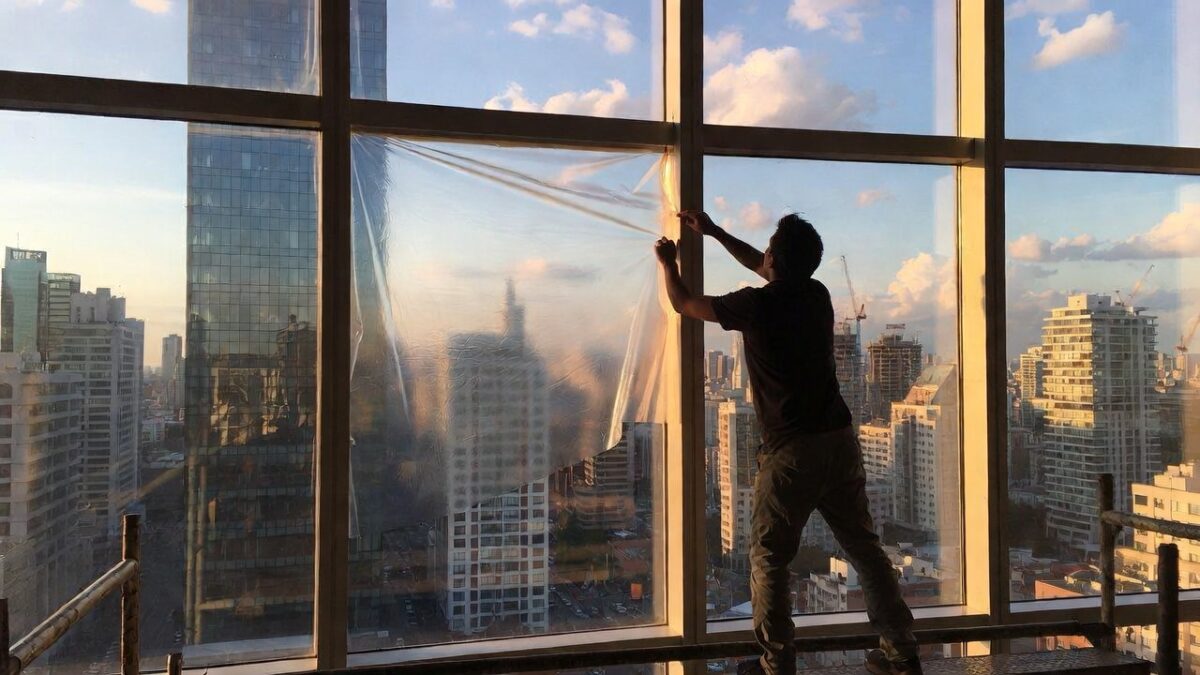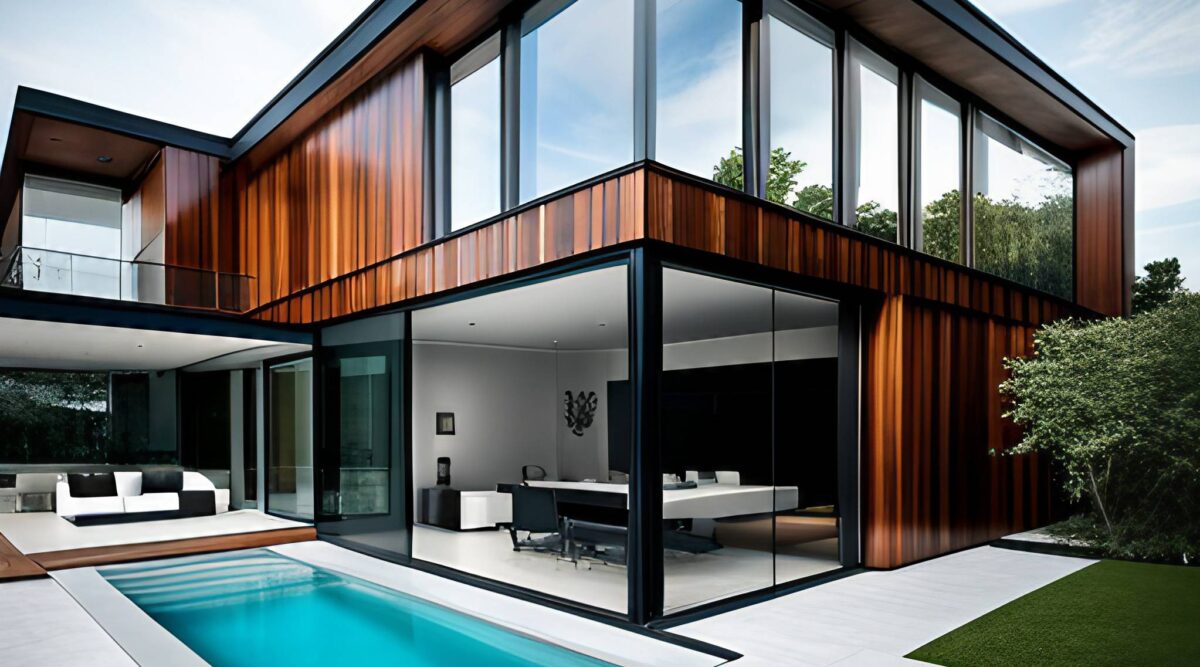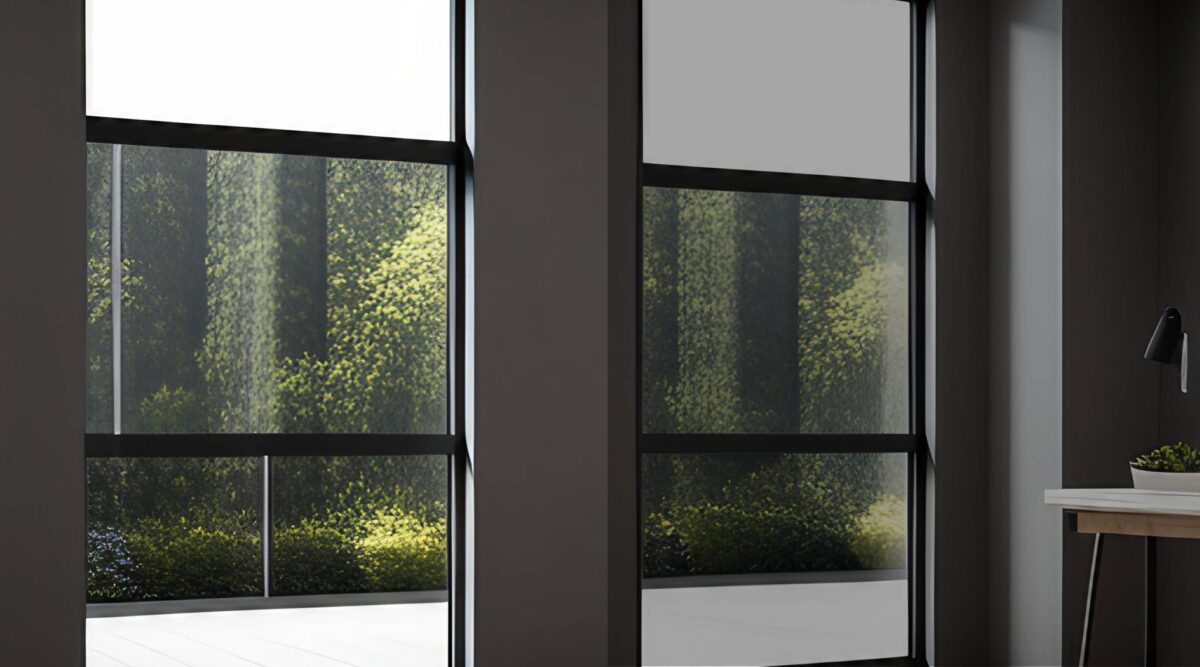
Window films are one of the most searched energy upgrades in Toronto right now. Homeowners, office managers, and shop owners all search for window films when rooms feel too hot in summer, too cold in winter, and energy bills keep climbing. Glass is usually the reason. Window films change how glass handles heat, light, and energy. That is why window films are used across Toronto and the GTA in homes, offices, clinics, and retail spaces.
This article explains how window films improve energy efficiency, how they help real buildings in the GTA, and what changes people notice after installation. The goal is simple. Clear answers. Real use cases. No filler.
How Window Films Reduce Heat Gain Through Glass
Glass is the weakest part of most buildings. Walls slow heat. Roofs slow heat. Windows let heat move fast.
In summer, sunlight passes through glass and turns into heat inside the room. In winter, warm air moves back out through the same glass. Window films slow both directions.
Energy-focused window films are applied to existing glass. They reflect part of the sun’s heat. They absorb some heat before it enters the space. They also block UV rays that warm surfaces inside the room.
This is why window films work well in condos with large windows. Downtown Toronto units facing south or west heat up fast. AC runs long. Rooms feel uneven. After window films are installed, indoor temperatures calm down. Rooms cool faster. AC cycles less.
For a clear explanation of solar-based options, this guide on solar window films benefits explains how heat control works without replacing windows.
Why Window Films Lower Energy Bills in Toronto Buildings
Energy bills rise when systems work harder than needed. Window films help reduce that load.
Lower heat gain means air conditioning does not fight sunlight all day. Slower heat loss means heaters do not replace lost warmth every hour.
Office buildings along Yonge Street often have the same problem. One side of the floor feels hot. Another feels cold. Thermostats keep changing. After window films are installed, temperature swings shrink. HVAC systems stop overworking.
Retail spaces see similar results. A storefront in Markham installed window films after one summer of high cooling costs. The following summer, cooling hours dropped. Staff stopped blocking windows with signage.
Homes see the same effect. A detached home in Vaughan added window films to second-floor bedrooms. The owners noticed shorter AC cycles at night and steadier temperatures upstairs. No new equipment was added.
For people comparing options, this article explains window films vs. replacements in a way that makes cost and comfort easy to compare.
Comfort Without Making Rooms Dark
Many people worry window films will make rooms dark. Older tint styles did that. Modern window films are built differently.
Most energy-efficient window films block heat while letting light pass through. Visible light stays high. Infrared heat drops. Glare reduces without turning rooms into dark spaces.
This matters in offices. Near King West, many offices rely on daylight. Without window films, glare forces blinds closed. Lights stay on all day. Energy use goes up again.
With window films, blinds stay open longer. Daylight stays usable. Workspaces near windows feel normal again.
Homes see the same change. Living rooms stay bright but cooler. Furniture and floors fade slower too.
If you want to understand how film shade works, this guide on darkness levels and VLT% options explains it in plain language.
Why Window Films Work in Old and New Buildings
Older Toronto buildings often have outdated glass. Single pane or early double pane windows are common. Full window replacement costs a lot and takes time.
Window films upgrade existing glass without removing anything.
This is why many homes near High Park and Riverdale start with window films. They reduce heat problems now without major construction.
New buildings face a different issue. Too much glass. Modern condos and offices use large glass walls. Heat pours in. Cold leaks out.
Window films help balance these designs. Comfort improves without changing how the building looks.
A new office near Pearson Airport installed window films shortly after move-in. The design looked great. The heat did not. Film fixed the issue without downtime.
Seasonal Energy Problems Window Films Help Solve in the GTA
Toronto summers bring heat waves and strong sun. South- and west-facing windows take the hit.
Window films reduce solar heat gain during these months. Rooms cool faster. AC runs less.
Toronto winters bring long cold stretches. Heat escapes through glass. Drafts form near windows.
Window films slow that heat loss. Rooms hold warmth longer. Heating systems cycle less.
For general building energy data in Canada, Natural Resources Canada explains how buildings lose energy here: https://natural-resources.canada.ca/energy-efficiency.
Case Study: Medical Office Near Yonge and Finch
A medical clinic near Yonge and Finch had strong afternoon sun in exam rooms. Patients complained about heat. Staff adjusted blinds all day.
Window films were installed on the west-facing glass only. Room temperatures stabilized. Blinds stayed open more often. Complaints dropped within weeks.
No HVAC changes were made.
Case Study: Semi-Detached Home in Scarborough
A family in Scarborough installed window films on front-facing windows. Summer afternoons felt heavy and uncomfortable. AC ran late into the night.
After installation, rooms cooled faster. AC shut off earlier. The house felt more stable during heat waves.
No other upgrades were done.
Why Businesses Choose Window Films First
Business owners often compare upgrades. New HVAC. New windows. Window films.
Window films install fast. No shutdowns. No permits. Lower cost.
They also pair well with other film types like security or privacy films. One install can solve more than one problem.
For a visual explanation of how windows affect heat in buildings, the U.S. Department of Energy explains this clearly here: https://www.energy.gov/eere/buildings/articles/windows-and-energy-efficiency.
How Long Window Films Keep Working
Quality window films last many years. They do not need power. They do not need controls.
Once installed, they manage heat every day.
This long lifespan makes window films a steady energy upgrade for homes and offices.
Why Local Experience Matters
Glass types vary across the GTA. Condo glass differs from house glass. Office glass differs again.
Film selection matters. Installation matters.
Local installers understand how Toronto buildings react in summer and winter. That affects results.
Final Thoughts on Window Films and Energy Efficiency
Window films are not a trend. They solve heat gain and heat loss through glass.
For Toronto homes and offices, window films reduce energy waste and improve comfort without major changes.
If rooms feel hot in summer and cold in winter, glass is often the reason.
Window films fix that issue.
If you want to learn more about energy-efficient window films or see if they fit your space, visit https://tintly.ca/ and start with a simple conversation.