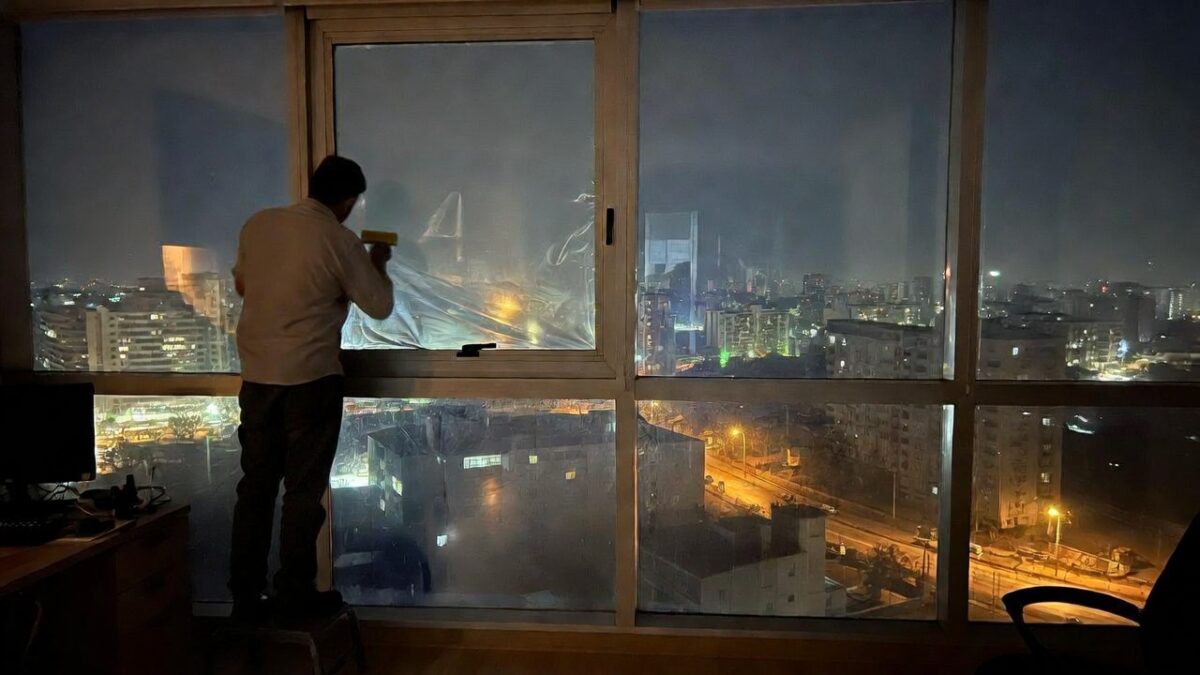
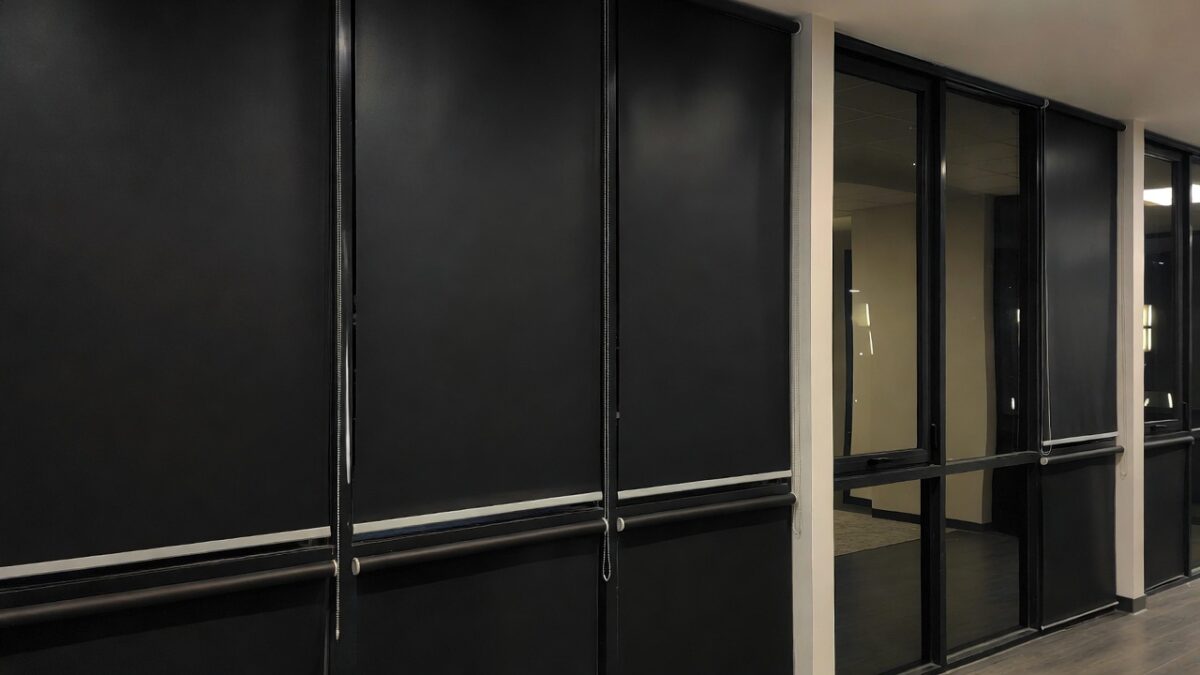
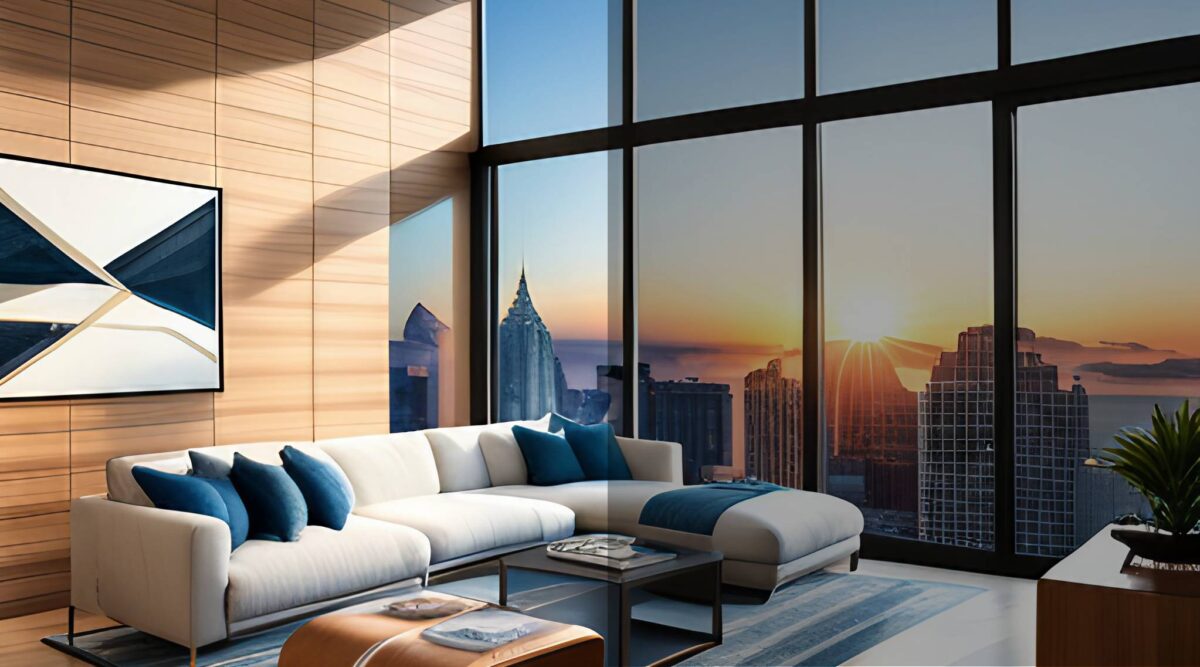
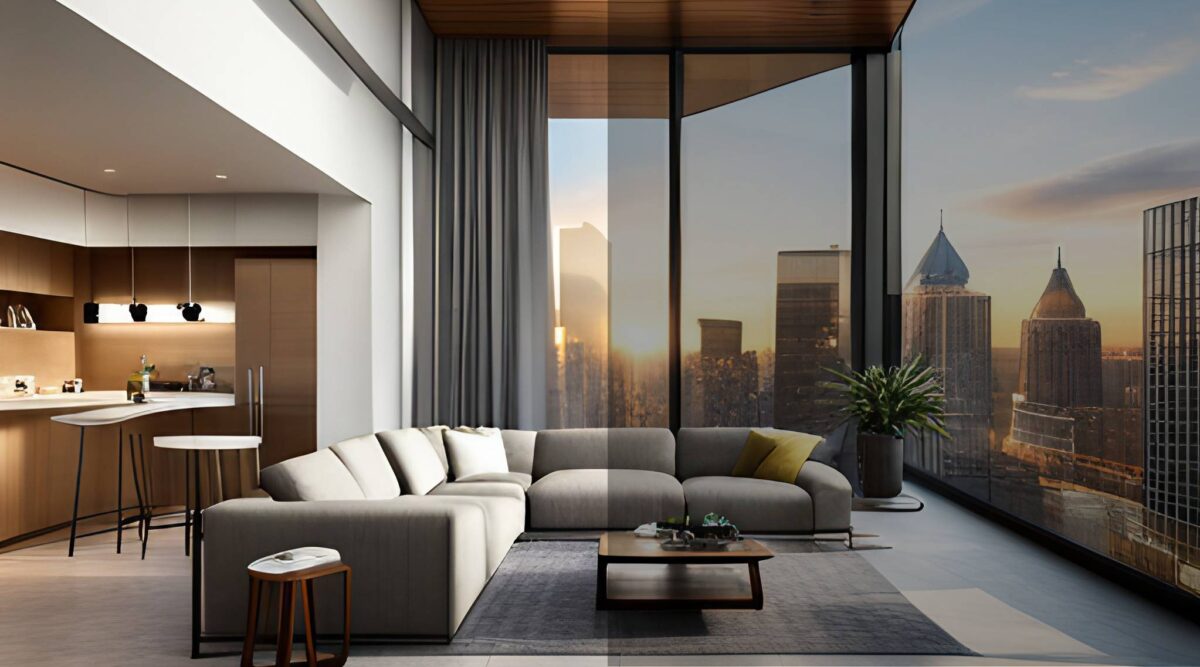
Window tint darkness is quantified by the Visible Light Transmission (VLT) percentage. This percentage indicates the amount of visible light that can penetrate through the tinted glass. The lower the VLT percentage, the darker the tint, and consequently, the less light that passes through.
For example, a window tint with a VLT of 5% is extremely dark, allowing only 5% of visible light to pass through, whereas a tint with a VLT of 70% is considerably lighter, permitting 70% of light to enter. Understanding these percentages will help you determine the level of darkness that aligns with your specific needs, such as privacy, glare reduction, or aesthetic enhancement. It’s also worth noting that the choice of VLT can influence the overall ambiance and lighting conditions within your car or home, making it an essential factor to consider.
Legal Considerations
Before deciding on a tint darkness level, it’s imperative to familiarize yourself with local laws and regulations. Different regions and countries have specific rules regarding window tint darkness, particularly for vehicles. Ensuring compliance with these regulations is crucial to avoid fines, penalties, or even legal issues. Some jurisdictions have strict guidelines about the permissible tint levels for different windows on a vehicle, such as the windshield, side windows, and rear window.
Failure to adhere to these laws can result in fines and the requirement to remove the non-compliant tint, leading to additional costs and inconvenience. Therefore, it’s advisable to check your local laws and regulations before proceeding with window tinting. Consulting with a professional installer who is knowledgeable about legal requirements in your area can also help ensure that your tinting project complies with all relevant laws.
Factors to Consider When Choosing Tint Darkness
Purpose of Tinting
Your primary reason for tinting will greatly influence the darkness level you choose. Here are some common purposes:
- Privacy: If privacy is your main concern, you might opt for a darker tint. This is common for rear windows in vehicles and certain areas of a home. A darker tint can provide a sense of security and seclusion by preventing outsiders from easily seeing inside your vehicle or home.
- Glare Reduction: A medium tint can effectively reduce glare, improving comfort for both drivers and homeowners. By minimizing glare, you can enhance visibility and reduce eye strain, which is particularly beneficial during bright sunny days or when driving at night with oncoming headlights.
- Heat Reduction: Darker tints are better at blocking heat, making them ideal for hot climates to improve comfort and energy efficiency. By reducing the amount of heat entering your vehicle or home, you can lower cooling costs and maintain a comfortable interior temperature.
- Aesthetic Appeal: Sometimes, the choice of tint darkness is purely for aesthetics. The right tint can add a sleek, modern look to a car or home. A well-chosen tint can enhance the overall appearance of your vehicle or property, creating a more polished and sophisticated look.
Climate and Environment

Consider the climate in which you live when selecting a tint darkness level. If you’re in a sunnier, hotter climate, a darker tint can help reduce the heat and protect interiors from UV damage, which can fade upholstery and cause damage over time. The additional UV protection can also help safeguard your skin from harmful UV rays, reducing the risk of skin damage and health issues.
In contrast, if you reside in a cooler, cloudier area, a lighter tint might suffice and still allow for adequate natural light to illuminate your space. By allowing more light to enter, you can maintain a bright and airy atmosphere indoors, which can be particularly desirable during the darker months of the year. Balancing the need for heat reduction and natural light will ensure that your tint choice aligns with your environmental conditions and personal preferences.
Interior Design and Appearance
For interior designers, the window tint must complement the overall design of the space. A dark tint may be ideal for modern, sleek interiors, providing a sense of sophistication and privacy. Conversely, a lighter tint might be better suited for traditional or open, airy designs, allowing natural light to enhance the ambiance of the space.
Choosing the right tint can also influence the perception of space within a room or vehicle. For example, a darker tint can create a cozy, intimate atmosphere, while a lighter tint can make a space feel larger and more open. When selecting a tint, consider how it will integrate with existing design elements and contribute to the overall aesthetic goals of your project.
Visibility Needs
While darker tints offer privacy and reduce glare, they can also hinder visibility, especially at night. It’s important to consider how the tint will impact visibility in different lighting conditions, such as during nighttime driving or in low-light environments. Reduced visibility can be a safety concern, particularly for drivers, and may require additional lighting or adjustments to compensate for the darker tint.
Testing different tint levels in various lighting conditions can help you determine the optimal balance between privacy, glare reduction, and visibility. Some manufacturers offer sample films that allow you to evaluate the tint’s effect before making a final decision, ensuring that you choose a tint that meets your visibility needs and enhances safety.
Cost Implications
The cost of window tinting can vary depending on the darkness level and the quality of the film. Darker tints can sometimes be more expensive due to the additional benefits they offer, such as higher UV protection and increased privacy. However, investing in a high-quality tint can provide long-term benefits, such as durability, improved performance, and reduced maintenance costs.
When evaluating cost, consider the potential energy savings from reduced cooling costs and the extended lifespan of interior materials protected from UV damage. Balancing initial costs with long-term benefits will help you make a financially sound decision that meets your needs and budget.
Types of Window Tint Films
Different types of window tint films offer varying levels of darkness and benefits. Here’s a quick overview:
Dyed Window Tint
This type of tint absorbs solar heat and reduces light, providing a darker appearance. It’s cost-effective but may fade over time, requiring periodic replacement. Dyed tints are a popular choice for those seeking an affordable option that provides basic heat and glare reduction without significant investment.
Metalized Window Tint
Metalized films contain tiny metallic particles that reflect heat and light. They are durable and effective at blocking UV rays, but they may interfere with electronic signals, such as GPS or mobile phone reception. Despite this drawback, metalized tints are known for their robustness and ability to withstand harsh weather conditions, making them a suitable choice for long-term use.
Carbon Window Tint
Carbon tints offer a matte finish without metal interference. They block up to 40% of infrared light and are known for their longevity and heat reduction capabilities. The carbon particles in the film enhance its strength and durability, making it resistant to fading and maintaining its appearance over time. This type of tint is ideal for those seeking a balance between performance, appearance, and cost.
Ceramic Window Tint
The most advanced option, ceramic tint, contains ceramic particles that reject heat, glare, and UV rays without darkening the glass excessively. It’s a premium choice for those seeking performance and clarity, offering superior heat reduction and UV protection while maintaining clear visibility. The ceramic technology also ensures that the tint remains free from fading and discoloration, providing a long-lasting solution for both vehicles and homes.
Step-by-Step Guide to Choosing the Right Tint Level
- Assess Your Needs: Determine your primary reason for tinting — whether it’s privacy, UV protection, or aesthetics. Understanding your priorities will guide you in selecting the appropriate darkness level and type of film.
- Research Local Laws: Check the legal tint limits in your area to avoid fines. Compliance with local regulations is essential to ensure that your tinting project is lawful and hassle-free.
- Consider Your Climate: Choose a tint level that suits your environment’s typical weather conditions. Tailoring your tint choice to your climate will enhance its effectiveness and provide optimal comfort.
- Evaluate Your Budget: Decide how much you are willing to spend on tinting and choose a film type accordingly. Balancing cost with desired benefits will help you achieve the best value for your investment.
- Test Visibility: Before finalizing, test visibility with sample films in different lighting conditions. Ensuring that your chosen tint does not compromise safety or comfort is crucial for a satisfactory outcome.
- Consult a Professional: Seek advice from window tinting professionals who can offer insights and recommendations based on their expertise. Professional guidance can help you navigate the complexities of tint selection and installation.
Benefits of Professional Installation
by Brandi Alexandra (https://unsplash.com/@brandialxndra)
While DIY window tinting kits are available, professional installation ensures quality, precision, and longevity. Professionals possess the expertise to apply the film without bubbles or creases, providing a flawless finish that enhances both appearance and function. Their skills and experience also enable them to address any challenges or specific requirements, ensuring that the tint is applied correctly and efficiently.
Moreover, professional installers can offer warranties on their work, giving you peace of mind and protecting your investment. A warranty not only covers potential issues but also reflects the confidence of the installer in the quality of their workmanship. By choosing professional installation, you can enjoy the benefits of expertly applied tinting that meets your needs and expectations.
Conclusion
Selecting the right darkness level for window tinting involves careful consideration of several factors, from legal restrictions to personal preferences and environmental conditions. By understanding the options available and consulting with professionals, you can make an informed decision that enhances both the functionality and appearance of your windows.
Whether it’s for your car or home, the right window tint can improve comfort, privacy, and energy efficiency, making it a worthwhile investment for any interior designer or homeowner. With the right approach and expert guidance, you can achieve a tinting solution that meets your needs and enhances your living or driving experience.
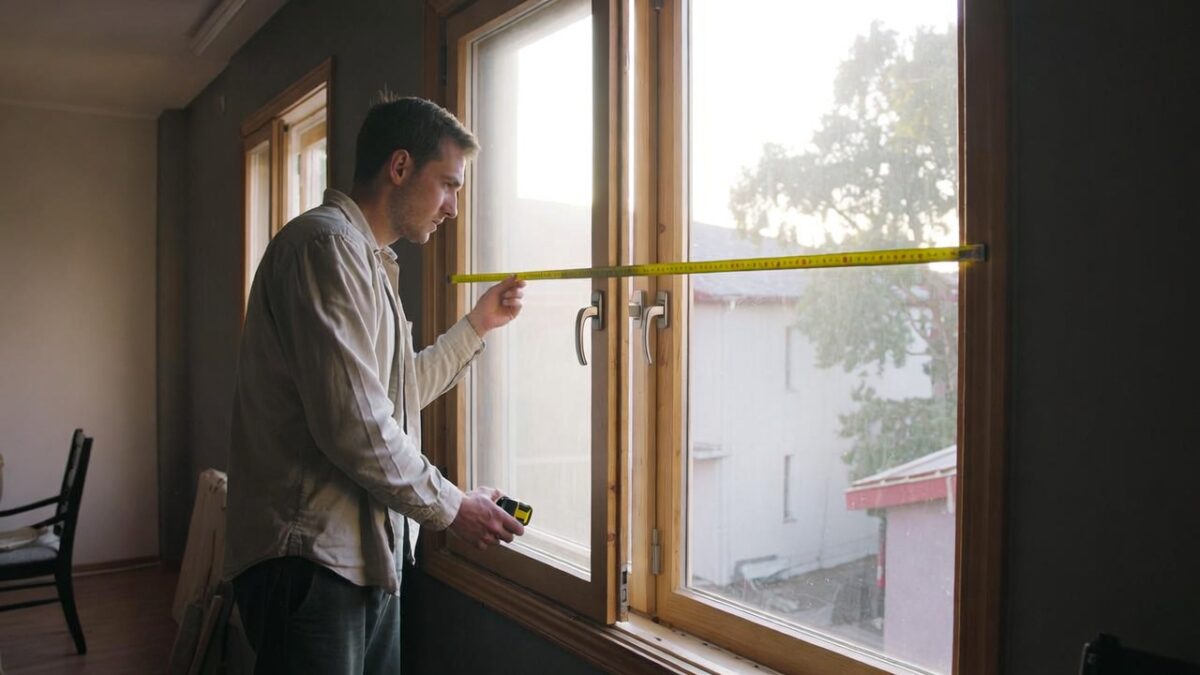



 Window film prices can range from as low as $2 per square foot for basic films to upwards of $12 per square foot for high-end options. Here’s a closer look at what you can expect:
 by Shigeko Fukaya (https://unsplash.com/@shige_jane)