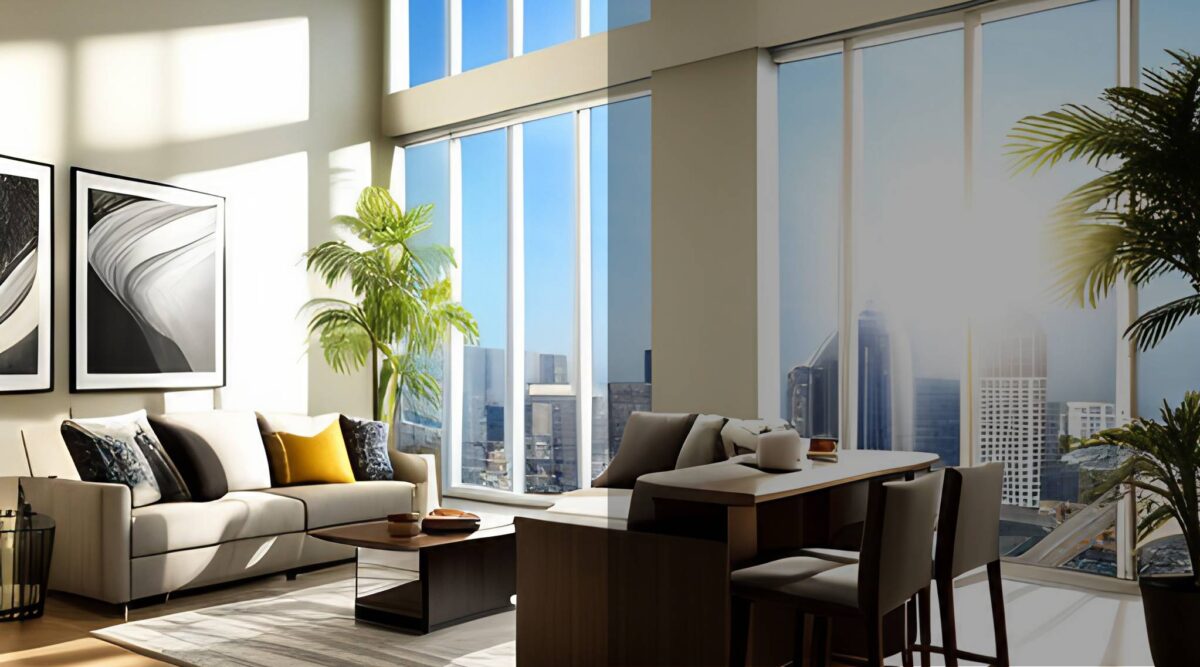
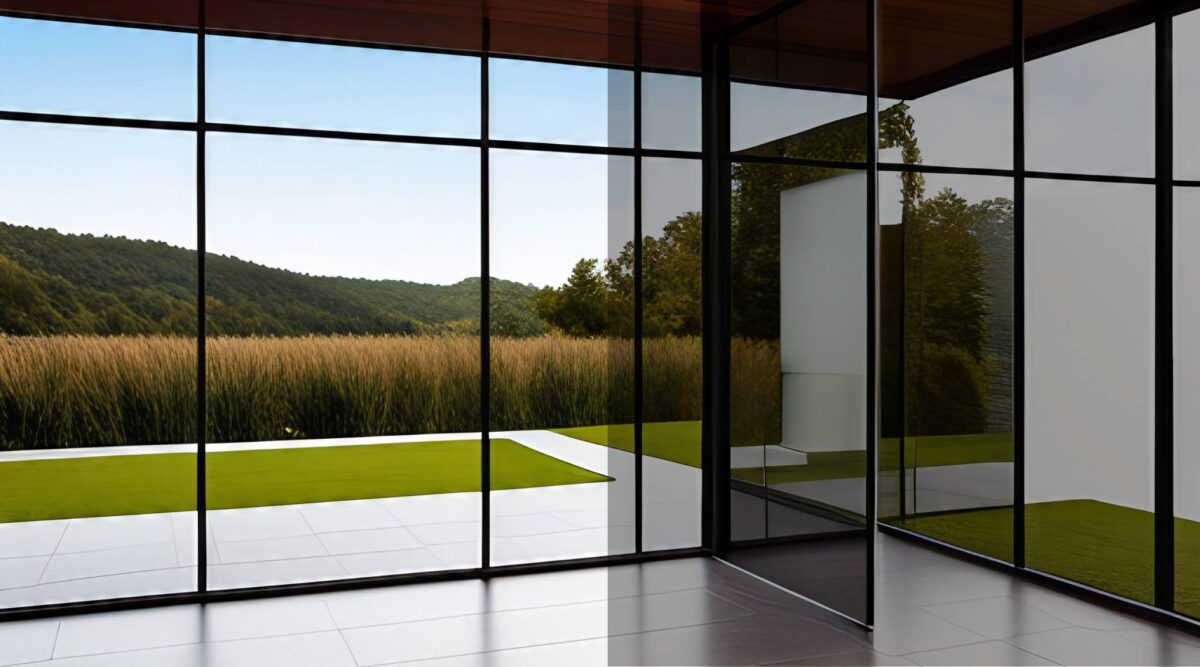
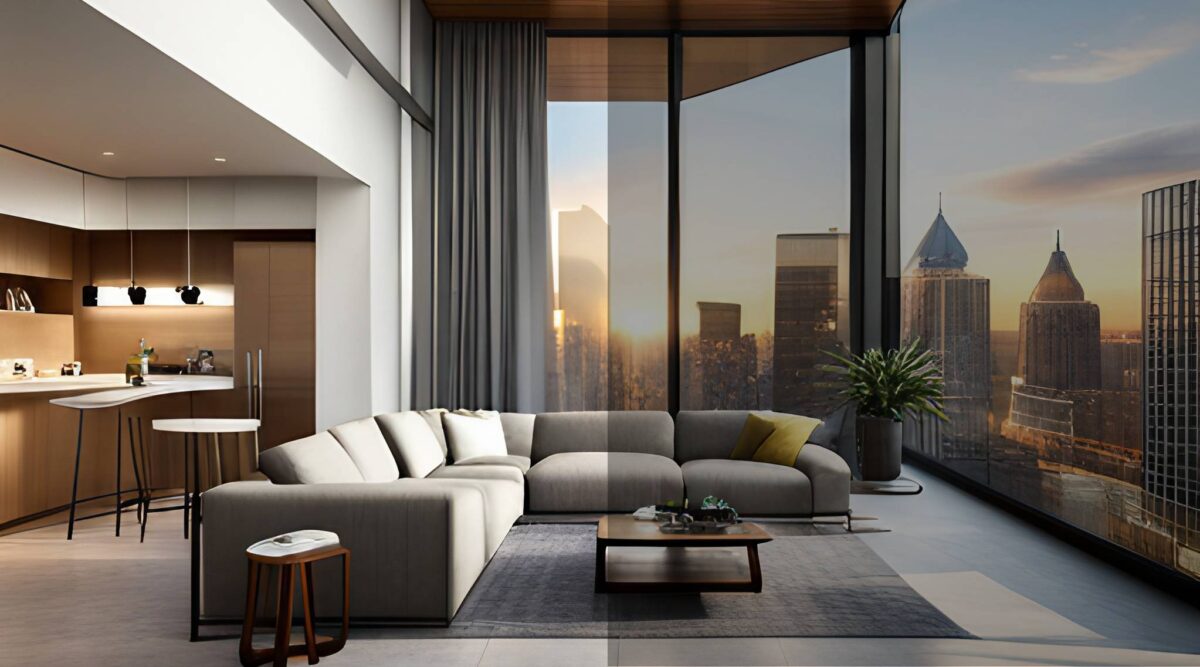
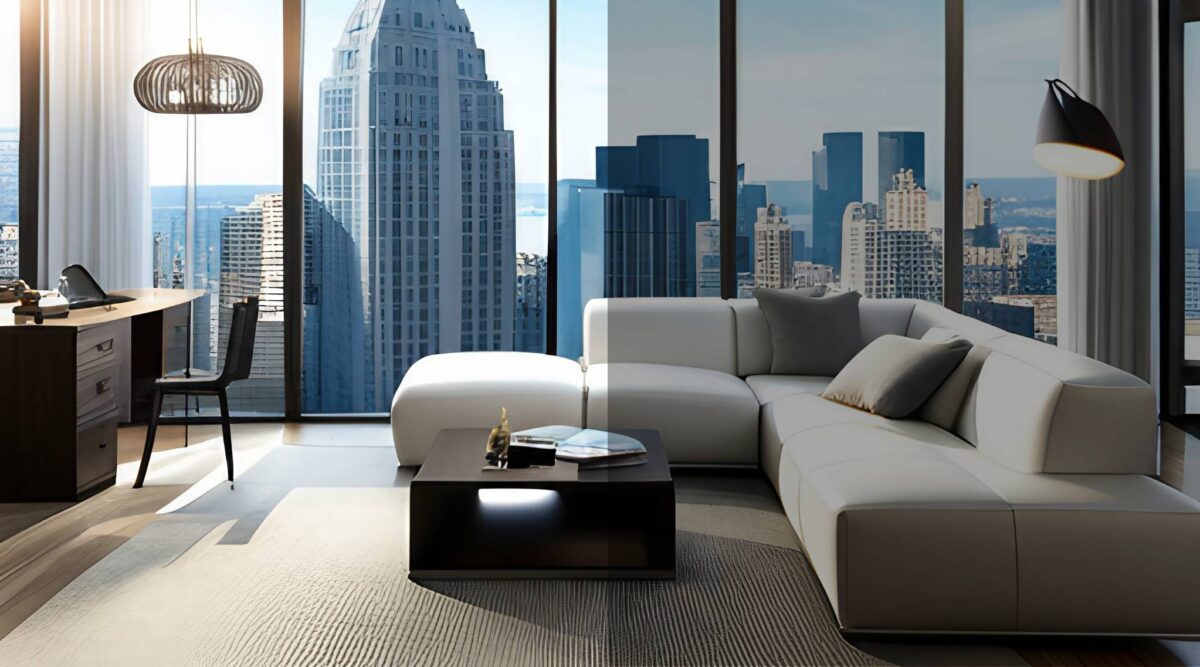
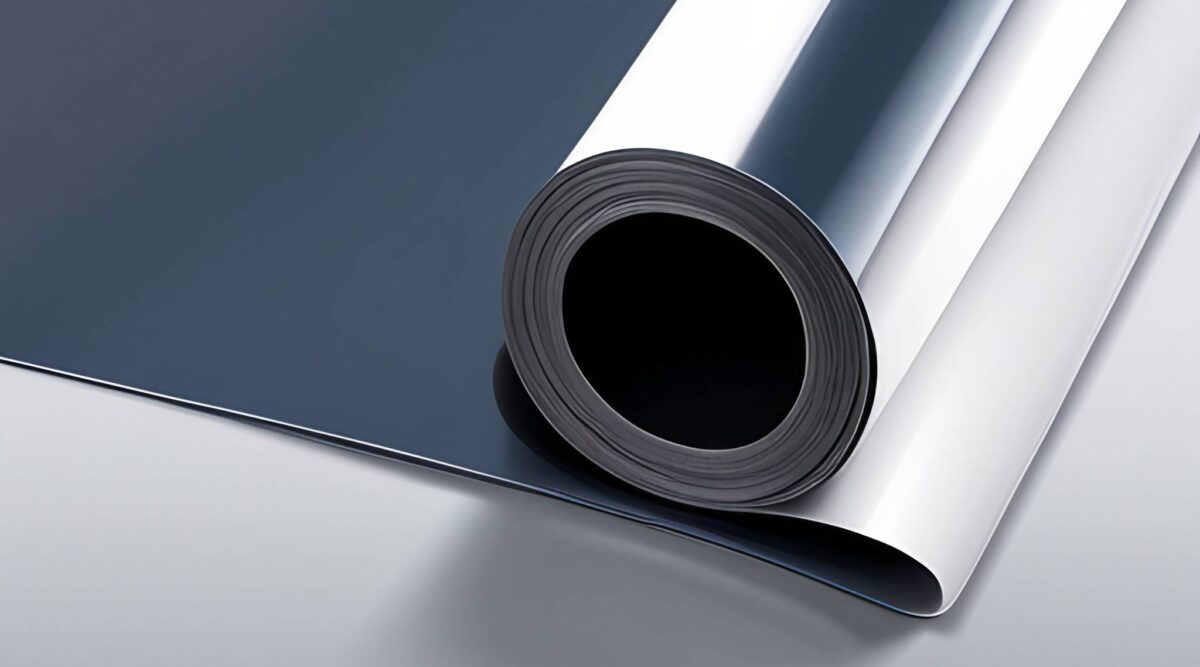
Choosing the right window tint for your home can significantly enhance both the aesthetics and functionality of your living space. In today’s world, where sustainability and personal comfort are increasingly prioritized, investing in window tinting is a smart move. Whether you’re interested in privacy, energy efficiency, or simply adding a decorative touch, window tinting offers a solution tailored to your needs. This guide aims to walk you through the different types of window films available, their benefits, and how to select the best option for your home, ensuring you make a well-informed decision.
Understanding the various types of window films is crucial as it helps you align your selection with your specific needs. Each type of film comes with its own set of benefits, from enhancing security to improving energy efficiency. By familiarizing yourself with these options, you can choose a window tint that not only meets your functional needs but also complements your home’s style and design.
Before selecting a window tint, it’s essential to understand the various types available and their specific benefits. The right film can provide significant advantages, such as increased comfort, reduced energy costs, and enhanced privacy. Each film type serves a distinct purpose, and knowing these purposes can help you make an informed choice that suits your lifestyle and home requirements.

Privacy films are perfect for areas where you want to prevent people from seeing inside your home without blocking out natural light. They are ideal for bathrooms, front doors, and any other spaces where privacy is a concern. These films are available in various styles, including frosted, etched, and opaque designs, allowing you to choose the level of privacy that suits your needs best. Moreover, privacy films can also add a decorative element to your space, combining functionality with aesthetics.
In addition to their primary function of enhancing privacy, these films can also contribute to reducing glare in your home. This can be particularly beneficial in rooms where you use screens, such as home offices or living rooms. By managing the amount of light that enters your space, privacy films create a more comfortable environment without completely obstructing the view or sacrificing natural light.
Solar Films
Solar films are designed to block harmful UV rays and reduce heat gain, making your home more energy-efficient. They help maintain a comfortable indoor temperature, cutting down on cooling costs during hot months. Solar films also protect your furnishings from fading due to sun exposure, thereby prolonging the lifespan of your interior decor. This makes them a practical choice for those looking to enhance energy efficiency and protect their home investment.
Beyond cost savings and UV protection, solar films can also improve the overall comfort of your home. By reducing glare and excessive heat, these films create a more pleasant indoor environment, allowing you to enjoy natural light without the associated drawbacks. Whether you’re watching TV or reading a book, solar films help maintain a cool and comfortable atmosphere, enhancing your home’s livability.
Decorative Films
by Mita 64 (https://unsplash.com/@shinyou72)
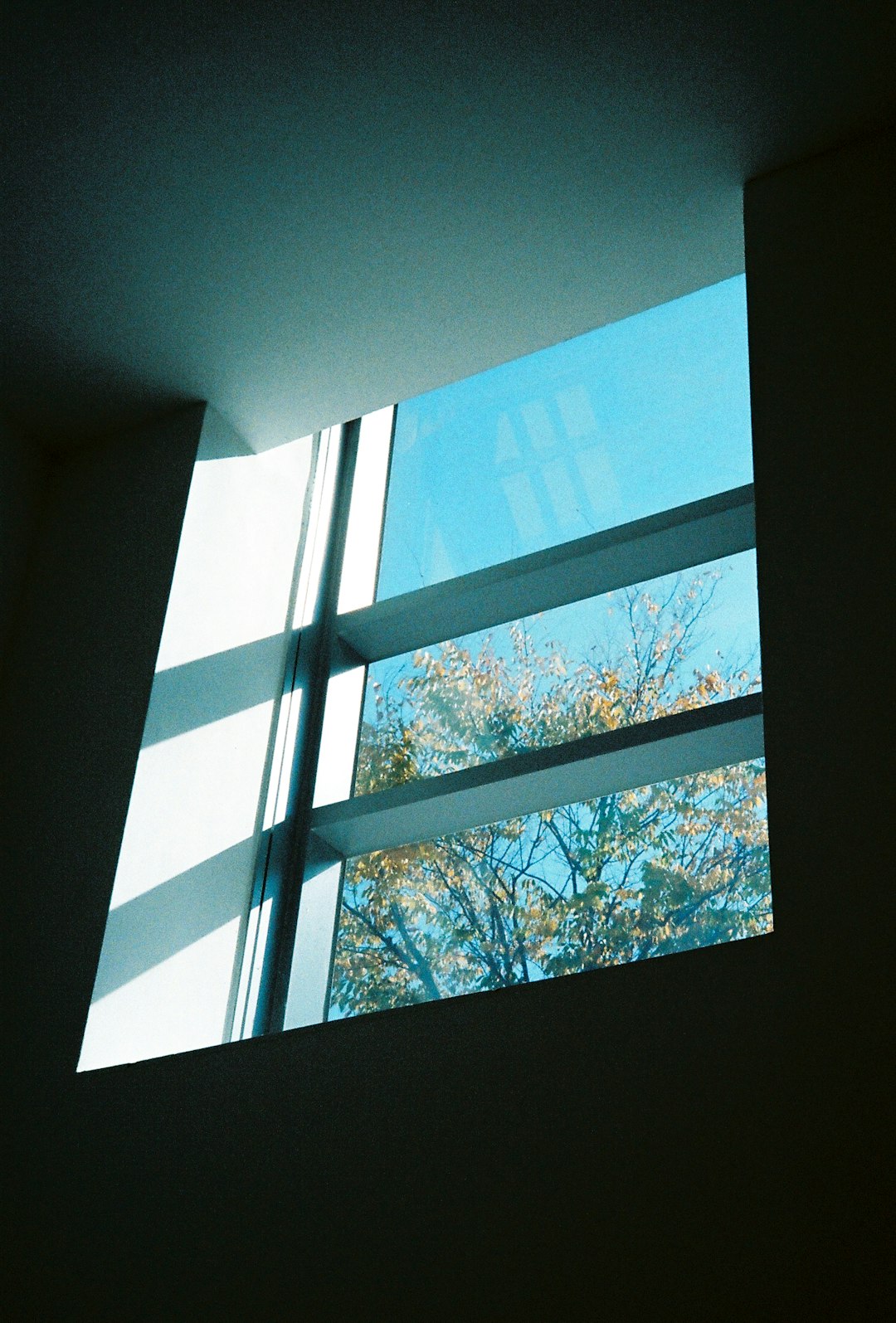
Decorative window films offer a stylish way to enhance the look of your windows. Available in a wide range of patterns and colors, these films can mimic the appearance of etched glass or stained glass, adding a touch of elegance to any room. They are a popular choice for interior designers looking to add a unique element to their clients’ homes, providing a cost-effective alternative to expensive glass treatments.
The versatility of decorative films extends beyond aesthetics; they can also provide a degree of privacy and light diffusion. By choosing patterns that allow light to filter through while obscuring the view, you can maintain a bright, open feel in your home without compromising on privacy. Additionally, these films are easy to update, making them a flexible option for homeowners who like to refresh their interior design frequently.
One-Way Window Films
One-way window films provide privacy during the day by allowing you to see outside while preventing others from seeing in. This type of film is excellent for home offices or any room where you want to maintain visibility without sacrificing privacy. They function by reflecting light on one side, creating a mirror-like effect that enhances privacy while preserving your view.
These films are especially beneficial in urban environments or homes with large windows facing busy streets. By maintaining your privacy without heavy curtains or blinds, one-way films allow you to enjoy natural light and scenic views. Furthermore, they can also contribute to your home’s energy efficiency by reflecting heat away from your windows, keeping indoor temperatures stable.
Frosted Films
Frosted window films are an excellent choice for adding privacy while still allowing light to enter. They are commonly used in bathrooms and other areas where privacy is essential but natural light is desired. The frosted finish diffuses light softly, creating a serene ambiance that enhances the comfort and functionality of your space.
In addition to their aesthetic appeal, frosted films can be used to create custom designs, such as logos or patterns, adding a personalized touch to your home. This customization option makes them a favorite among homeowners who wish to combine privacy with unique decorative elements. Whether used in residential or commercial settings, frosted films offer a versatile solution for enhancing privacy and style.
Factors to Consider When Choosing Window Tint
When selecting the right window tint for your home, consider the following factors to ensure you make the best choice for your needs. Each factor plays a crucial role in determining how well the window film will perform and how satisfied you’ll be with your investment. By carefully evaluating these considerations, you can select a film that aligns with your priorities and enhances your living space effectively.
Purpose
Determine the primary purpose of the window tint. Are you looking to increase privacy, reduce energy costs, or add a decorative touch? Identifying your main goal will help narrow down your options. Understanding your priorities will also guide you in selecting the right film features, such as UV protection or aesthetic appeal, ensuring that your choice meets your specific needs.
It’s also important to consider secondary goals, as many films offer multiple benefits. For instance, a decorative film may also provide a degree of privacy, while a solar film can enhance security. By identifying all your objectives, you can choose a film that offers comprehensive advantages, maximizing the return on your investment.
Location
Consider where the window film will be installed. Different films are suited for different areas of the home. For example, solar films are ideal for sun-facing windows, while privacy films are better suited for bathrooms or entryways. The location also influences the type of film that will be most effective in addressing specific issues, such as heat gain or glare reduction.
Additionally, the orientation and size of the windows can affect the film’s performance. South-facing windows might require films with higher UV protection, while smaller windows may benefit more from decorative options. By evaluating the specific characteristics of each window, you can tailor your choice to achieve optimal results.
Aesthetic Appeal
Think about how the window film will complement your existing décor. Decorative films offer a wide range of styles and patterns, allowing you to choose a design that enhances the overall look of your space. The right film can serve as a design element, adding depth and interest to your interiors without the need for additional window treatments.
Moreover, consider how the film’s appearance will change throughout the day as lighting conditions shift. Some films may appear more reflective or transparent depending on the time of day, affecting the overall aesthetic. By taking these factors into account, you can select a film that maintains its visual appeal and enhances your home’s style.
Budget
Your budget will play a significant role in determining the type of window film you choose. While some films may have a higher upfront cost, they can lead to long-term savings on energy bills. It’s essential to weigh the initial investment against potential future benefits, such as reduced utility costs and increased property value.
Consider the lifespan and maintenance requirements of different films as well. Higher-quality films may offer better durability and require less upkeep, providing cost savings over time. By assessing both immediate and long-term expenses, you can make a financially sound decision that aligns with your budgetary constraints.
Benefits of Home Window Tinting
by Aditya Shetty (https://unsplash.com/@adityashetty)
Window tinting offers numerous advantages that go beyond simple aesthetics. Here are some key benefits to consider, each contributing to a more comfortable, efficient, and appealing living environment. By understanding these benefits, you can appreciate the full value of window tinting and its impact on your home.
Energy Efficiency
Window films can make your home more energy-efficient by reducing heat gain in the summer and heat loss in the winter. This can lead to significant savings on your energy bills over time. By maintaining a stable indoor temperature, films reduce the need for heating and cooling, contributing to a more sustainable home.
Additionally, energy-efficient films can enhance your home’s environmental impact by lowering your carbon footprint. By reducing the demand for energy, you’re not only saving money but also supporting broader efforts towards environmental conservation. This makes window tinting an ideal choice for eco-conscious homeowners seeking to improve their home’s sustainability.
UV Protection
Solar films block up to 99% of harmful UV rays, protecting your skin and preventing your furniture and flooring from fading. This protection is vital for maintaining your home’s interior appearance and for safeguarding your health. Prolonged exposure to UV rays can cause damage over time, so investing in protective films can offer peace of mind.
Moreover, UV protection can extend the lifespan of your valuable possessions, such as artwork, rugs, and fabrics, preserving their color and quality. By preventing UV-induced deterioration, you can enjoy your home’s interiors for longer without the need for frequent replacements or repairs.
Increased Privacy
Privacy films ensure that your home remains a private sanctuary, preventing prying eyes from peering inside while still allowing natural light to filter through. This is particularly important in densely populated areas or for homes with large windows that face public spaces. Maintaining privacy without sacrificing natural light contributes to a more enjoyable living environment.
Furthermore, privacy films can enhance your security by making it more difficult for potential intruders to see inside your home. This added layer of protection can deter break-ins and provide a greater sense of safety for you and your family.
Enhanced Comfort
By reducing glare and heat, window films create a more comfortable indoor environment, making your home more enjoyable year-round. Whether you’re working, relaxing, or entertaining, films can help maintain a pleasant atmosphere by minimizing disruptions caused by excessive sunlight.
In addition to improving comfort, films can also contribute to better indoor air quality by reducing the need for artificial lighting and air conditioning. This can create a healthier living space, benefiting both your physical and mental well-being.
Added Security
Some window films add an extra layer of security by holding glass together in case of breakage, reducing the risk of injury from shattered glass. This feature is particularly beneficial in areas prone to severe weather or in homes with children and pets. By reinforcing your windows, you can enhance your home’s safety and resilience.
Security films can also deter forced entry attempts by making it more difficult for intruders to break through your windows. This added protection can give you greater peace of mind, knowing that your home and family are better safeguarded against potential threats.
Installation Tips for Window Films
Proper installation is crucial to achieving the best results with your window tint. Here are some tips to ensure a successful installation, whether you’re taking on the task yourself or hiring a professional. By following these guidelines, you can maximize the performance and longevity of your window films, ensuring a satisfying outcome.
Clean the Windows Thoroughly
Before applying the film, clean your windows thoroughly to remove any dirt, dust, or grease. This ensures that the film adheres properly and looks its best. Use a quality glass cleaner and a lint-free cloth to achieve a spotless surface, as any residue can interfere with the adhesion process.
In addition to cleaning, inspect the window panes for any damage or imperfections that might affect the film’s application. Addressing these issues beforehand will help you achieve a smooth, bubble-free finish, enhancing the film’s appearance and effectiveness.
Measure and Cut the Film Accurately
Measure your windows carefully and cut the film to size, leaving a slight overlap to ensure full coverage. Use a sharp utility knife for clean, precise cuts, as jagged edges can compromise the film’s appearance and performance. Accurate measurements are crucial for achieving a professional-looking result that fully covers the window surface.
Consider using a straight edge or ruler to guide your cuts, ensuring consistent edges and minimizing the risk of errors. Taking the time to measure and cut precisely will save you from potential headaches during the installation process, resulting in a more polished final product.
Use the Right Tools
Use a squeegee to smooth out the film and remove any air bubbles. A spray bottle with a soapy water solution can help the film adhere smoothly. The right tools make a significant difference in the ease and effectiveness of the installation, ensuring the film lays flat and adheres properly to the glass.
In addition to a squeegee and spray bottle, consider using a utility knife for trimming excess film and a microfiber cloth for final touch-ups. These tools can help you achieve a seamless finish, enhancing the film’s appearance and performance.
Consider Professional Installation
For the best results, consider hiring a professional installer. They have the expertise and tools necessary to ensure a flawless finish, saving you time and potential frustration. Professional installation can also provide peace of mind, knowing that the film is applied correctly and will perform as expected.
In addition to expertise, professionals can offer valuable advice on film selection and maintenance, helping you maximize the benefits of your investment. By entrusting the installation to experienced hands, you can enjoy a stress-free experience and superior results.
Conclusion
Choosing the right window tint for your home involves considering your specific needs, aesthetic preferences, and budget. Whether you’re looking to enhance privacy, improve energy efficiency, or add a decorative element, there is a window film solution to meet your goals. By understanding the different types of films available and their benefits, you can make an informed decision that enhances the comfort and beauty of your home.
Investing in window tinting is an excellent way to elevate your living space, providing both practical and aesthetic benefits. With the right film, you can enjoy increased privacy, reduced energy costs, and a stylish home environment that reflects your personal taste. As you explore your options, remember that the right window tint can transform your home into a more comfortable, efficient, and visually appealing space.