Categories
Window Films and Tinting Toronto

How to Choose the Right Darkness Level for Window Tinting

Window tint darkness comparison diagram

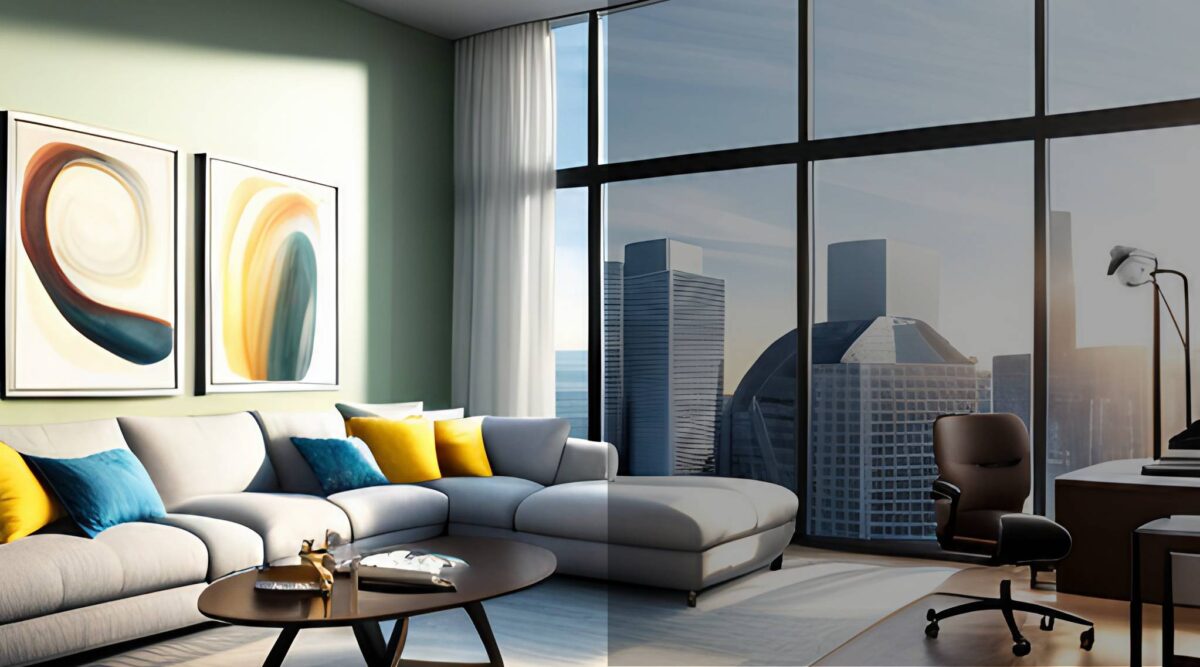
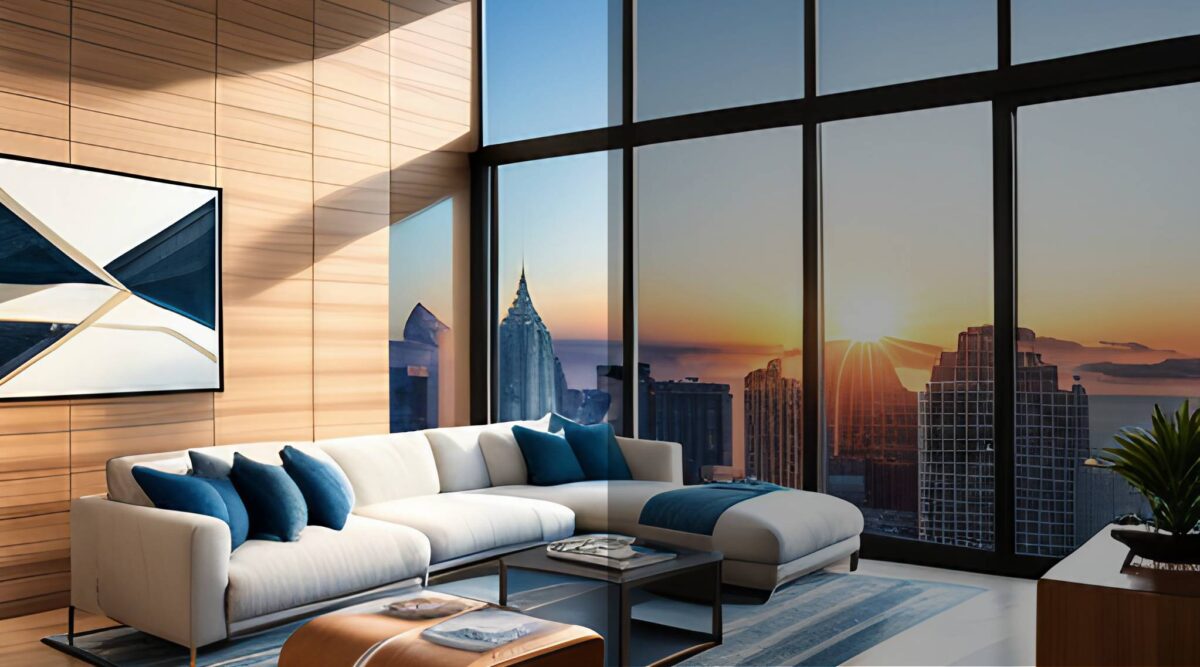
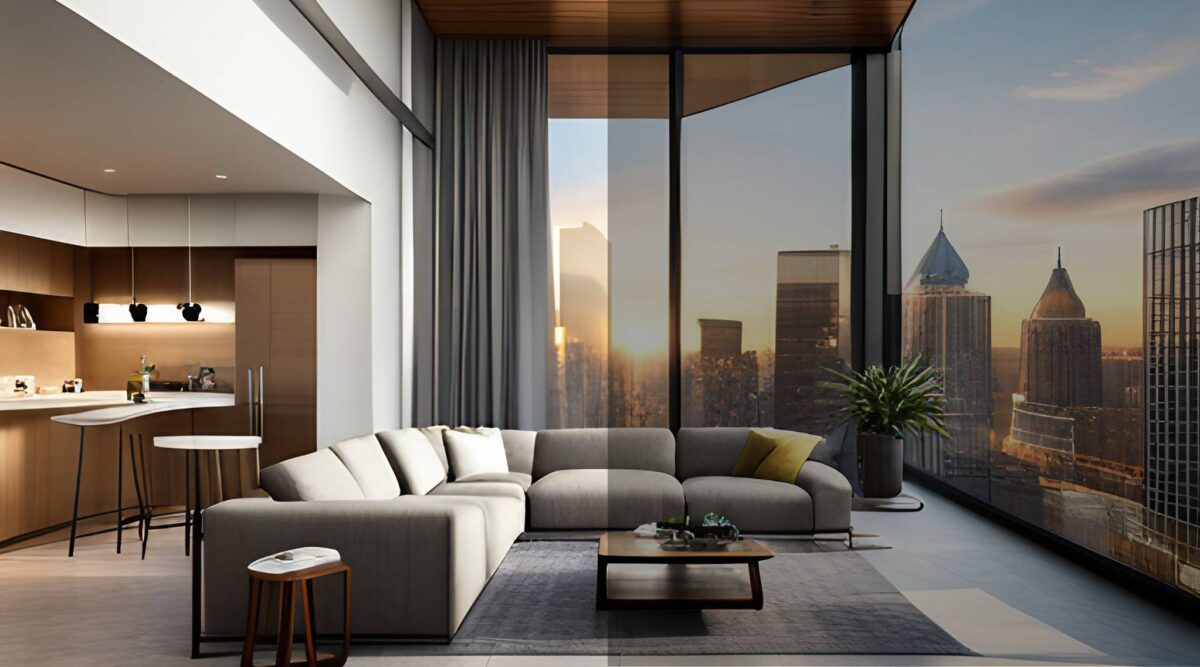
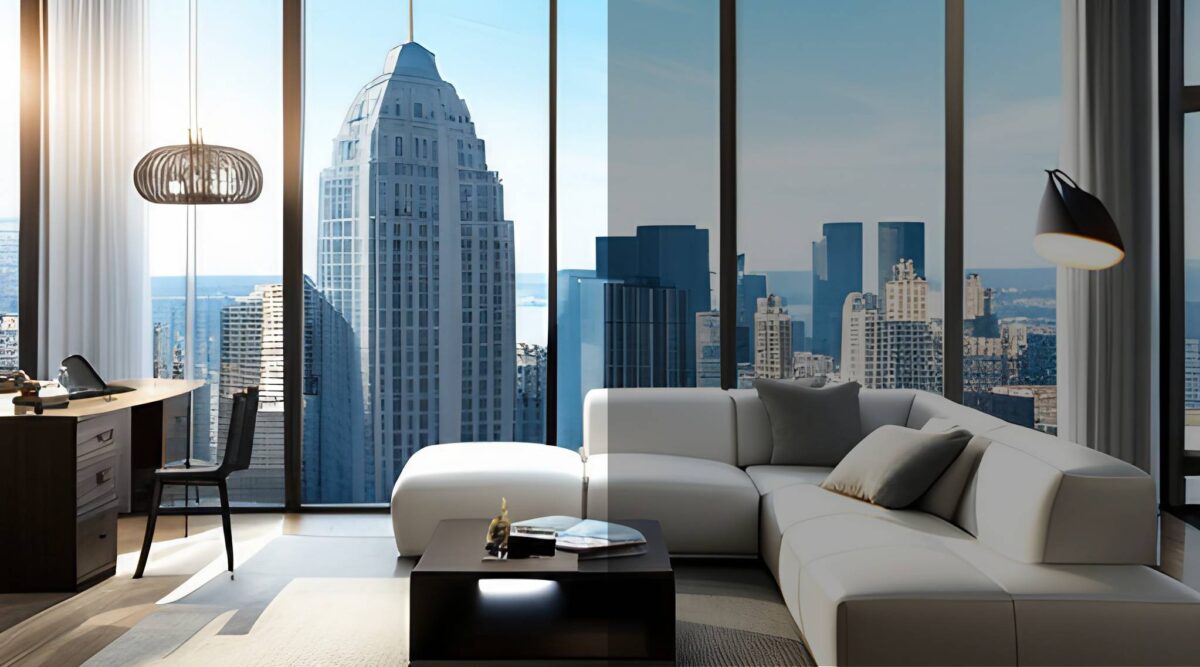
Window tint darkness is quantified by the Visible Light Transmission (VLT) percentage. This percentage indicates the amount of visible light that can penetrate through the tinted glass. The lower the VLT percentage, the darker the tint, and consequently, the less light that passes through.

For example, a window tint with a VLT of 5% is extremely dark, allowing only 5% of visible light to pass through, whereas a tint with a VLT of 70% is considerably lighter, permitting 70% of light to enter. Understanding these percentages will help you determine the level of darkness that aligns with your specific needs, such as privacy, glare reduction, or aesthetic enhancement. It’s also worth noting that the choice of VLT can influence the overall ambiance and lighting conditions within your car or home, making it an essential factor to consider.

Legal Considerations

Before deciding on a tint darkness level, it’s imperative to familiarize yourself with local laws and regulations. Different regions and countries have specific rules regarding window tint darkness, particularly for vehicles. Ensuring compliance with these regulations is crucial to avoid fines, penalties, or even legal issues. Some jurisdictions have strict guidelines about the permissible tint levels for different windows on a vehicle, such as the windshield, side windows, and rear window.

Failure to adhere to these laws can result in fines and the requirement to remove the non-compliant tint, leading to additional costs and inconvenience. Therefore, it’s advisable to check your local laws and regulations before proceeding with window tinting. Consulting with a professional installer who is knowledgeable about legal requirements in your area can also help ensure that your tinting project complies with all relevant laws.

Factors to Consider When Choosing Tint Darkness

Purpose of Tinting

Your primary reason for tinting will greatly influence the darkness level you choose. Here are some common purposes:

  • Privacy: If privacy is your main concern, you might opt for a darker tint. This is common for rear windows in vehicles and certain areas of a home. A darker tint can provide a sense of security and seclusion by preventing outsiders from easily seeing inside your vehicle or home.
  • Glare Reduction: A medium tint can effectively reduce glare, improving comfort for both drivers and homeowners. By minimizing glare, you can enhance visibility and reduce eye strain, which is particularly beneficial during bright sunny days or when driving at night with oncoming headlights.
  • Heat Reduction: Darker tints are better at blocking heat, making them ideal for hot climates to improve comfort and energy efficiency. By reducing the amount of heat entering your vehicle or home, you can lower cooling costs and maintain a comfortable interior temperature.
  • Aesthetic Appeal: Sometimes, the choice of tint darkness is purely for aesthetics. The right tint can add a sleek, modern look to a car or home. A well-chosen tint can enhance the overall appearance of your vehicle or property, creating a more polished and sophisticated look.

Climate and Environment

Sunlight and heat illustration

Consider the climate in which you live when selecting a tint darkness level. If you’re in a sunnier, hotter climate, a darker tint can help reduce the heat and protect interiors from UV damage, which can fade upholstery and cause damage over time. The additional UV protection can also help safeguard your skin from harmful UV rays, reducing the risk of skin damage and health issues.

In contrast, if you reside in a cooler, cloudier area, a lighter tint might suffice and still allow for adequate natural light to illuminate your space. By allowing more light to enter, you can maintain a bright and airy atmosphere indoors, which can be particularly desirable during the darker months of the year. Balancing the need for heat reduction and natural light will ensure that your tint choice aligns with your environmental conditions and personal preferences.

Interior Design and Appearance

For interior designers, the window tint must complement the overall design of the space. A dark tint may be ideal for modern, sleek interiors, providing a sense of sophistication and privacy. Conversely, a lighter tint might be better suited for traditional or open, airy designs, allowing natural light to enhance the ambiance of the space.

Choosing the right tint can also influence the perception of space within a room or vehicle. For example, a darker tint can create a cozy, intimate atmosphere, while a lighter tint can make a space feel larger and more open. When selecting a tint, consider how it will integrate with existing design elements and contribute to the overall aesthetic goals of your project.

Visibility Needs

While darker tints offer privacy and reduce glare, they can also hinder visibility, especially at night. It’s important to consider how the tint will impact visibility in different lighting conditions, such as during nighttime driving or in low-light environments. Reduced visibility can be a safety concern, particularly for drivers, and may require additional lighting or adjustments to compensate for the darker tint.

Testing different tint levels in various lighting conditions can help you determine the optimal balance between privacy, glare reduction, and visibility. Some manufacturers offer sample films that allow you to evaluate the tint’s effect before making a final decision, ensuring that you choose a tint that meets your visibility needs and enhances safety.

Cost Implications

The cost of window tinting can vary depending on the darkness level and the quality of the film. Darker tints can sometimes be more expensive due to the additional benefits they offer, such as higher UV protection and increased privacy. However, investing in a high-quality tint can provide long-term benefits, such as durability, improved performance, and reduced maintenance costs.

When evaluating cost, consider the potential energy savings from reduced cooling costs and the extended lifespan of interior materials protected from UV damage. Balancing initial costs with long-term benefits will help you make a financially sound decision that meets your needs and budget.

Types of Window Tint Films

Different types of window tint films offer varying levels of darkness and benefits. Here’s a quick overview:

Dyed Window Tint

This type of tint absorbs solar heat and reduces light, providing a darker appearance. It’s cost-effective but may fade over time, requiring periodic replacement. Dyed tints are a popular choice for those seeking an affordable option that provides basic heat and glare reduction without significant investment.

Metalized Window Tint

Metalized films contain tiny metallic particles that reflect heat and light. They are durable and effective at blocking UV rays, but they may interfere with electronic signals, such as GPS or mobile phone reception. Despite this drawback, metalized tints are known for their robustness and ability to withstand harsh weather conditions, making them a suitable choice for long-term use.

Carbon Window Tint

Carbon tints offer a matte finish without metal interference. They block up to 40% of infrared light and are known for their longevity and heat reduction capabilities. The carbon particles in the film enhance its strength and durability, making it resistant to fading and maintaining its appearance over time. This type of tint is ideal for those seeking a balance between performance, appearance, and cost.

Ceramic Window Tint

The most advanced option, ceramic tint, contains ceramic particles that reject heat, glare, and UV rays without darkening the glass excessively. It’s a premium choice for those seeking performance and clarity, offering superior heat reduction and UV protection while maintaining clear visibility. The ceramic technology also ensures that the tint remains free from fading and discoloration, providing a long-lasting solution for both vehicles and homes.

Step-by-Step Guide to Choosing the Right Tint Level

  1. Assess Your Needs: Determine your primary reason for tinting — whether it’s privacy, UV protection, or aesthetics. Understanding your priorities will guide you in selecting the appropriate darkness level and type of film.
  2. Research Local Laws: Check the legal tint limits in your area to avoid fines. Compliance with local regulations is essential to ensure that your tinting project is lawful and hassle-free.
  3. Consider Your Climate: Choose a tint level that suits your environment’s typical weather conditions. Tailoring your tint choice to your climate will enhance its effectiveness and provide optimal comfort.
  4. Evaluate Your Budget: Decide how much you are willing to spend on tinting and choose a film type accordingly. Balancing cost with desired benefits will help you achieve the best value for your investment.
  5. Test Visibility: Before finalizing, test visibility with sample films in different lighting conditions. Ensuring that your chosen tint does not compromise safety or comfort is crucial for a satisfactory outcome.
  6. Consult a Professional: Seek advice from window tinting professionals who can offer insights and recommendations based on their expertise. Professional guidance can help you navigate the complexities of tint selection and installation.

Benefits of Professional Installation
Professional window tint installation

by Brandi Alexandra (https://unsplash.com/@brandialxndra)

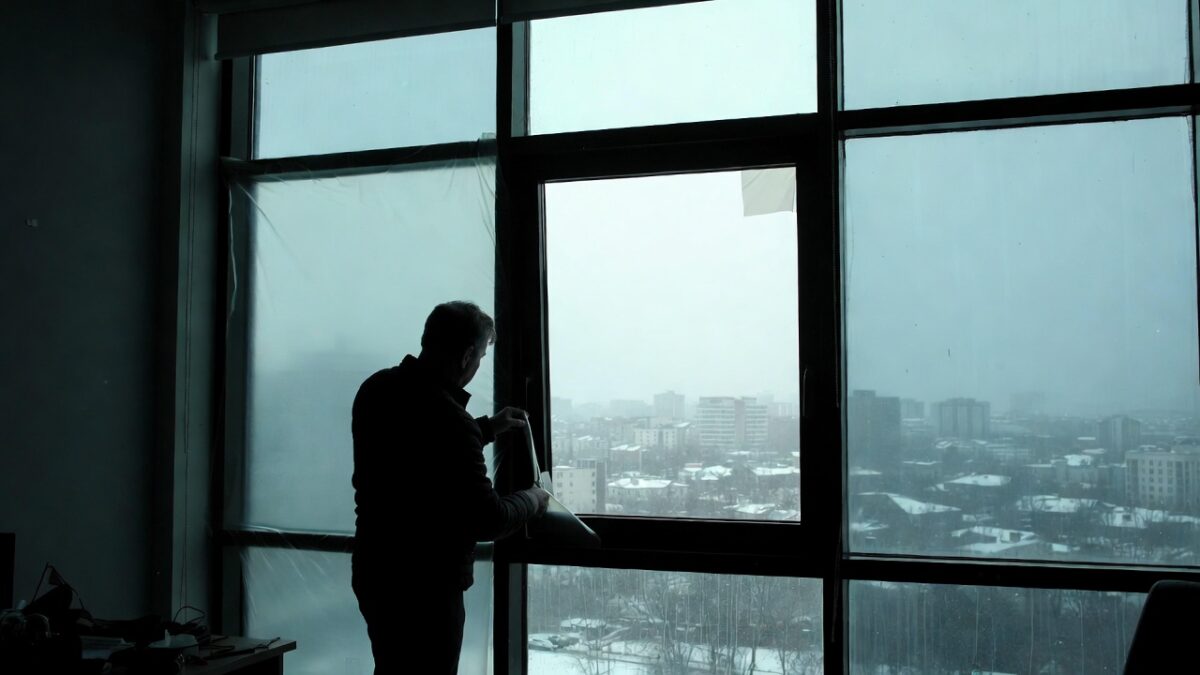
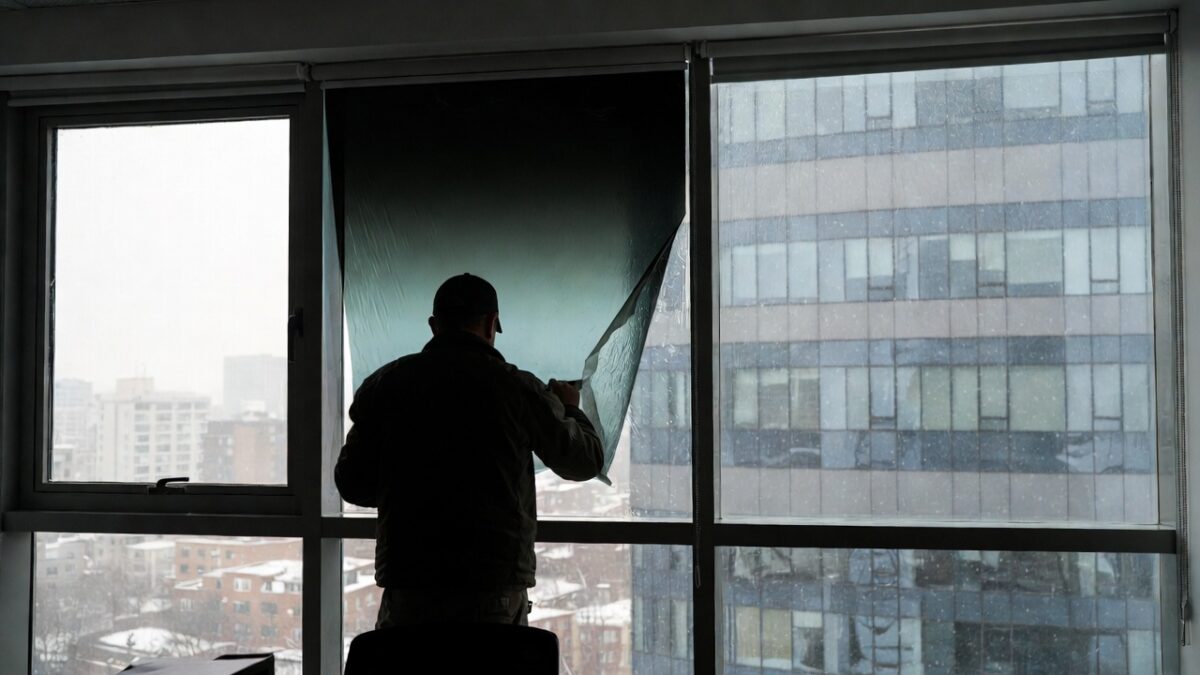
While DIY window tinting kits are available, professional installation ensures quality, precision, and longevity. Professionals possess the expertise to apply the film without bubbles or creases, providing a flawless finish that enhances both appearance and function. Their skills and experience also enable them to address any challenges or specific requirements, ensuring that the tint is applied correctly and efficiently.

Moreover, professional installers can offer warranties on their work, giving you peace of mind and protecting your investment. A warranty not only covers potential issues but also reflects the confidence of the installer in the quality of their workmanship. By choosing professional installation, you can enjoy the benefits of expertly applied tinting that meets your needs and expectations.

Conclusion

Selecting the right darkness level for window tinting involves careful consideration of several factors, from legal restrictions to personal preferences and environmental conditions. By understanding the options available and consulting with professionals, you can make an informed decision that enhances both the functionality and appearance of your windows.

Whether it’s for your car or home, the right window tint can improve comfort, privacy, and energy efficiency, making it a worthwhile investment for any interior designer or homeowner. With the right approach and expert guidance, you can achieve a tinting solution that meets your needs and enhances your living or driving experience.
Categories
Window Films and Tinting Toronto

What Is the Best Window Film for Home Windows in 2025

Window films are thin layers of material that adhere to the surface of glass windows. They serve multiple purposes, from providing privacy to improving energy efficiency. With advancements in technology, window films have become more sophisticated, offering a wide range of benefits to homeowners. The evolution of materials and designs has expanded the possibilities, making window films a popular choice for both new constructions and renovations. As more homeowners become aware of their advantages, the market for window films is expected to grow rapidly.

  1. Privacy: Privacy window films are designed to obscure the view from outside while allowing natural light to enter your home. This makes them ideal for bathrooms, bedrooms, and any other areas where privacy is a priority. In today’s digital age, privacy has become increasingly important, and these films offer a simple yet effective solution to maintain personal space. Moreover, they provide a sleek and modern alternative to traditional window coverings, such as curtains or blinds, which can sometimes block natural light and make spaces feel smaller.
  2. Energy Efficiency: Window films can significantly reduce the amount of heat entering your home, leading to lower energy bills and a more comfortable living environment. They achieve this by reflecting solar energy away from your windows. As energy costs continue to rise, investing in energy-efficient window films can offer substantial long-term savings. Additionally, these films help maintain a stable indoor temperature, reducing the strain on HVAC systems and contributing to a more sustainable lifestyle.
  3. UV Protection: Many window films block up to 99% of harmful UV rays, protecting your furniture, flooring, and interior decor from fading over time. The sun’s rays can cause significant damage to household items, leading to costly replacements. By installing UV protection films, homeowners can preserve the vibrant colors and integrity of their interiors. This added layer of protection also benefits skin health, reducing exposure to harmful UV radiation while still allowing you to enjoy the sunlit ambiance of your home.
  4. Aesthetic Appeal: Decorative window films come in various patterns and designs, allowing you to customize the look of your windows to match your interior decor. From frosted designs to intricate patterns, these films can enhance the visual appeal of any room. They offer a unique opportunity to express personal style and creativity, making your home truly one-of-a-kind. With options ranging from subtle to bold, decorative films can complement any design scheme, adding a touch of elegance or a splash of color as desired.
  5. Safety and Security: Certain window films can reinforce glass, making it more resistant to shattering during accidents or break-ins. These films act as an additional barrier, holding glass fragments together and reducing the risk of injury from shattered glass. In a world where safety is a growing concern, these films provide peace of mind without compromising on style or functionality. By strengthening windows, they also add an extra layer of security to your home, deterring potential intruders and protecting your family and belongings.

As we look to the future, several window film options stand out for their innovative features and effectiveness. With technological advancements, these films are designed to meet the diverse needs of modern homeowners, offering solutions that are both practical and aesthetically pleasing.

Privacy window films are a popular choice for homeowners seeking to enhance privacy without sacrificing natural light. In 2025, smart privacy films that can transition from clear to opaque with the touch of a button are gaining traction. These films offer dynamic privacy control, adapting to your needs throughout the day. This innovation allows you to enjoy an open view during the day and secure privacy at night, all with minimal effort. Additionally, the sleek design of these films complements modern home aesthetics, offering a seamless integration into any living space.

Decorative window films offer a unique way to add style to your home. In 2025, the trend leans towards customizable films that allow homeowners to create personalized designs. From frosted patterns to stained glass effects, decorative films can transform any space into a work of art. The ability to customize these films means that homeowners can tailor them to reflect personal tastes and complement existing decor. This versatility makes decorative films an attractive option for those looking to make a statement or add a touch of elegance to their windows.

Energy-efficient window films continue to be a top choice for homeowners looking to reduce their carbon footprint. In 2025, these films are more advanced, offering improved heat rejection and better insulation properties. Look for films with high solar heat gain coefficients (SHGC) and low emissivity (Low-E) ratings for optimal energy savings. These technological advancements not only enhance the comfort of your home but also contribute to global efforts in energy conservation. By investing in energy-efficient films, you are taking a proactive step towards a more sustainable future.

UV protection films are essential for maintaining the longevity of your interior furnishings. In 2025, expect films with enhanced UV-blocking capabilities, ensuring maximum protection against harmful rays. These films are particularly beneficial for homes with large windows or sunrooms. The improved technology ensures that you can enjoy natural sunlight without the associated risks of UV exposure. This protection extends the life of your interiors, preserving their beauty and functionality for years to come.

Selecting the best window film for your home requires careful consideration of your specific needs and preferences. With a wide variety of options available, it’s important to evaluate what matters most to you and your family.

  1. Purpose: Determine whether your primary goal is privacy, energy efficiency, aesthetic enhancement, or UV protection. Understanding your priorities will help narrow down the choices and ensure that you select a film that aligns with your lifestyle and home environment. This clarity will make the selection process more efficient and satisfying.
  2. Location: Consider the location of your windows and the amount of sunlight they receive. South-facing windows may benefit more from energy-efficient films, while bathrooms may require privacy films. The orientation and function of each room will influence the type of film that best suits your needs. Taking the time to assess each window’s unique requirements will lead to a more cohesive and effective solution.
  3. Budget: Window films are available at various price points, so it’s essential to balance cost with quality and performance. Investing in a high-quality film may incur higher upfront costs but can provide greater long-term benefits. Consider the durability, warranty, and overall value of the films you are considering to make an informed decision that fits your financial plan.
  4. Installation: Decide whether you want to install the film yourself or hire a professional. Professional installation ensures a flawless finish and longevity. While DIY installation can save money, professional services offer expertise and precision, ensuring that the film is applied correctly and performs as intended. Weigh the pros and cons of each option to decide what is best for your situation.

Installing window films can be a DIY project, but professional installation is recommended for the best results. Here’s a step-by-step guide for DIY enthusiasts:

  1. Clean the Windows: Start by thoroughly cleaning the window surface to remove any dust or debris. A clean surface is crucial for ensuring that the film adheres properly and looks smooth.
  2. Measure and Cut: Measure your window and cut the film to size, leaving a slight overlap to ensure full coverage. This extra allowance helps in achieving a precise fit and prevents gaps that could compromise the film’s effectiveness.
  3. Apply the Film: Peel off the backing and carefully apply the film to the window, starting from the top and working your way down. Use a squeegee to remove air bubbles and ensure a smooth finish. Taking your time during this step will help prevent wrinkles and bubbles, resulting in a professional-looking application.
  4. Trim Excess: Trim any excess film with a sharp utility knife for a clean edge. This step ensures that the film fits perfectly within the window frame, enhancing both appearance and performance.
  5. Final Touches: Allow the film to dry completely before cleaning or using the window. This drying period is essential for the film to fully adhere to the glass and achieve its maximum potential in terms of functionality and aesthetics.

Window films offer a versatile solution for enhancing the functionality and appearance of home windows. As we embrace 2025, the best window films provide privacy, style, energy efficiency, and UV protection, making them a valuable addition to any home. Whether you’re an interior designer seeking stylish solutions or a homeowner looking to improve energy efficiency, window films are an excellent choice for transforming your living space. Their adaptability and wide range of benefits make them a wise investment for any homeowner looking to enhance their home’s comfort and aesthetic appeal.

By understanding the different types of window films and their benefits, you can make an informed decision that meets your needs and enhances your home’s overall aesthetic. The future of window films is bright, with innovations that promise even more functionality and style. Embrace the future of window films and enjoy the many advantages they bring to your home. With the right choice, your windows can become a focal point that reflects both your personal style and commitment to sustainability.

Categories
Window Films and Tinting Toronto

Are UV Window Films Effective for Sun Protection

As an interior designer, finding the perfect balance between style, functionality, and cost-effectiveness can often feel like a daunting task. The challenge lies in selecting solutions that not only elevate the aesthetic appeal of a space but also contribute to its overall efficiency. Among the myriad of options available, UV window films emerge as a particularly compelling choice. These films offer a blend of aesthetic enhancement and functional benefits that make them stand out. But just how effective are they when it comes to sun protection? In this article, we’ll delve into the multifaceted benefits of UV window films, their effectiveness, and why they might be an invaluable addition to your design toolkit.

UV window film close-up

UV window films are specialized materials applied to windows to filter out harmful ultraviolet (UV) rays from the sun. These films are available in a variety of shades and finishes, allowing them to blend seamlessly with the existing design elements of a room. This variety ensures that there is a suitable option for any aesthetic preference, from minimalistic modern interiors to more traditional settings. They are an attractive option for homeowners who wish to protect their interiors from sun damage while enhancing the overall comfort and energy efficiency of their living spaces.

How Do UV Window Films Work?

UV window films function by blocking a significant portion of the sun’s UV rays. These films are composed of thin layers of polyester with a scratch-resistant coating on one side and an adhesive layer on the other. This multi-layer construction is crucial for their durability and effectiveness. When applied to glass, they create a protective barrier that reduces the penetration of UV radiation.

This not only helps in preventing the fading of furniture and flooring but also plays a crucial role in reducing glare and increasing energy efficiency. By blocking UV rays, these films help maintain a stable indoor temperature, reducing the need for air conditioning and thus lowering energy bills. Moreover, the films can help prevent heat buildup, making rooms more comfortable during the hotter months.

The Benefits of Window Film

Living room with window film

The benefits of UV window films go beyond just blocking the sun’s harmful rays. They offer a comprehensive solution for several common issues faced by homeowners. Here are some key advantages:

Protecting Your Interiors

One of the most significant benefits of UV window films is their ability to protect your interiors from sun damage. Prolonged exposure to sunlight can cause furniture, carpets, and artwork to fade over time. This fading not only affects the appearance of your home but can also significantly decrease the value of your furnishings. UV window films act as a protective shield, significantly reducing the amount of UV radiation that enters your home and prolonging the life of your furnishings. By preserving the vibrancy and integrity of your interior elements, these films help maintain the aesthetic and financial value of your home.

Enhancing Energy Efficiency

Another substantial benefit is the enhancement of energy efficiency. By reducing the amount of heat that enters your home, UV window films help maintain a comfortable temperature without over-relying on air conditioning systems. This not only reduces energy consumption but also leads to lower energy bills, making it a cost-effective solution for homeowners. Additionally, by lowering the demand on cooling systems, these films can contribute to a longer lifespan for HVAC units, reducing maintenance costs over time.

Reducing Glare

Glare from the sun can make it challenging to watch television, work on a computer, or even read a book comfortably. UV window films reduce glare, providing a more pleasant environment for everyday activities. This is particularly beneficial in spaces with large windows or areas exposed to direct sunlight. By mitigating glare, these films enhance visual comfort and reduce eye strain, which can be particularly beneficial for home offices or entertainment areas.

Adding Privacy

Certain types of UV window films also offer an added layer of privacy by making it difficult for outsiders to see into your home while still allowing you to enjoy the view outside. This is an excellent feature for homes located in busy areas or neighborhoods with close proximity to neighbors. Privacy films can also add a decorative element to your windows, offering a dual function of style and discretion. This added privacy can enhance the feeling of security and seclusion within your home.

The Effectiveness of UV Window Films

Modern home with UV window film

by Meshaal Al Hajali (https://unsplash.com/@meshaal_hajali)

The effectiveness of UV window films largely depends on the quality of the film and the expertise of the installation. High-quality films can block up to 99% of UV rays, providing excellent protection for your home and its contents. Moreover, professional installation ensures that the film is applied correctly, avoiding bubbles or creases that can diminish its effectiveness. A well-installed film not only looks better but also performs optimally, ensuring that you receive the full range of benefits.

Factors Affecting Effectiveness

  • Type of Film: Different films offer varying levels of UV protection. It’s essential to choose a film that meets your specific needs, whether it’s maximum UV protection, energy efficiency, or privacy. The film’s color and thickness can also influence its performance and appearance.
  • Installation Quality: Professional installation ensures that the film adheres properly to the glass, maximizing its protective qualities. Proper installation can prevent common issues such as peeling or bubbling, which can impair both the function and aesthetic of the film.
  • Window Condition: The condition of the windows themselves can affect the performance of the film. Older or damaged windows may not offer the same level of protection as newer, well-maintained ones. Ensuring that your windows are in good condition prior to film application can enhance the overall effectiveness of the film.

Longevity and Maintenance

UV window films are designed to last for many years with proper care. Regular cleaning with non-abrasive solutions will help maintain their appearance and effectiveness. Over time, the film may need to be replaced, but high-quality films typically offer long-lasting protection. It’s important to follow the manufacturer’s care instructions to ensure the longevity of the film. Regular inspections can also help identify any early signs of wear or damage.

Choosing the Right UV Window Film

When selecting UV window films, it’s essential to consider the specific needs of your space and your client’s preferences. Here are some tips to help you choose the right film:

  • Assess the Space: Consider the amount of direct sunlight the area receives, the existing decor, and the primary goal of the film (e.g., UV protection, privacy, or aesthetics). Understanding the specific challenges and needs of the space can guide you in choosing the most effective film.
  • Consult with Professionals: Working with experienced window film installers can help you select the best product for your needs and ensure a flawless installation. Professional advice can also provide insights into the latest film technologies and trends.
  • Review Product Specifications: Look for films that offer high UV rejection rates, low visible light transmission, and good heat reduction properties. Comparing different products and their features can help you make an informed decision.

Conclusion

UV window films are an effective solution for protecting your home from the sun’s harmful rays while enhancing comfort and energy efficiency. With their ability to prevent fading, reduce glare, and lower energy bills, they offer a valuable addition to any interior design project. By understanding the benefits and effectiveness of UV window films, you can confidently recommend this innovative solution to your clients, helping them create beautiful, functional, and sustainable living spaces.

As an interior designer, incorporating UV window films into your projects not only addresses practical concerns but also adds an extra layer of sophistication and style to your designs. Whether you’re looking to enhance energy efficiency, protect valuable furnishings, or simply create a more comfortable environment, UV window films are a versatile and effective tool to have in your design arsenal. Embracing this technology can set your designs apart, offering clients an elegant solution that meets both their aesthetic and functional needs.

Categories
Window Films and Tinting Toronto

Why Window Films Are a Smart Winter Upgrade

# Why Window Films Are a Smart Winter Upgrade

When winter arrives, we all seek ways to keep our homes warmer without skyrocketing energy bills. While heavy drapes or double-glazed windows might seem like the obvious choices, there’s an often-overlooked solution that can be just as effective: window films. Let’s explore why window films are a smart upgrade for your home this winter.

Cozy living room with window films

What Are Window Films?

Window films are thin layers of polyester or other materials applied to glass surfaces. They come in various types, including reflective, tinted, and decorative options, each serving distinct purposes. The primary function of window films is to improve the energy efficiency of your home, but they also offer other benefits like privacy and style.

The Benefits of Window Films

Enhanced Energy Efficiency

One of the most significant advantages of window films is their ability to enhance energy efficiency. During winter, window films help retain heat within your home, reducing the need for constant heating. This not only keeps your living space cozy but also lowers your energy bills.

In addition, window films can block up to 99% of harmful UV rays, protecting your furnishings from fading and maintaining the integrity of your interior design.

Increased Privacy

Privacy window films are a fantastic option for homeowners looking to enjoy natural light without sacrificing privacy. These films obscure the view from outside, making them ideal for bathrooms, bedrooms, or any room where privacy is a concern.

Bedroom with privacy window film

Cost-Effective Solution

Compared to other window treatments, window films are a cost-effective solution. They are generally less expensive than double glazing or heavy drapes and offer similar benefits in terms of insulation and energy savings.

Aesthetic Appeal

Window films are available in a variety of designs and shades, allowing you to customize the look of your windows. Whether you prefer a sleek, modern appearance or a decorative touch, there is a window film to match your style.

Types of Window Films

There are several types of window films to consider, each with unique features and benefits.

Solar Control Films

These films are designed to reduce heat gain during the summer and heat loss during the winter. They work by reflecting a significant portion of the sun’s rays, making them an excellent choice for energy savings year-round.

Privacy Films

Privacy window films are perfect for areas where you need additional privacy. They come in various opacities and designs, offering both style and function.

Decorative Films

If you’re looking to add a touch of style to your windows, decorative films are the way to go. They come in a range of patterns and textures, allowing you to create a unique look for your home.

Safety and Security Films

These films are thicker and designed to hold glass fragments together in the event of a breakage. They provide an added layer of security and are ideal for homes in areas prone to extreme weather conditions.

Installing Window Films

Installing window films is a straightforward process, but for the best results, it is recommended to hire a professional. A skilled installer will ensure that the film is applied smoothly and without bubbles, providing a flawless finish.

DIY vs. Professional Installation

While DIY kits are available, professional installation offers several advantages. Professionals have the experience and tools needed to apply the film correctly, ensuring optimal performance and longevity. Additionally, many professional services provide warranties, offering peace of mind.

Professional installing window film

by Blake Harbison (https://unsplash.com/@blake_harbison)

Maintenance and Care

Once installed, window films require minimal maintenance. Cleaning is simple; just use a mild soap and water solution with a soft cloth to keep them looking their best. Avoid abrasive materials that could scratch the film.

The Environmental Impact

Window films are an eco-friendly choice for homeowners looking to reduce their carbon footprint. By improving your home’s energy efficiency, you lower your reliance on heating and cooling systems, reducing greenhouse gas emissions.

Supporting Sustainable Living

Choosing window films aligns with sustainable living practices. They help conserve energy, reduce waste from damaged furnishings, and can often be recycled at the end of their life.

Conclusion

Window films are a smart, versatile, and cost-effective upgrade for your home this winter. They provide numerous benefits, from enhanced energy efficiency and privacy to aesthetic appeal and environmental sustainability. Whether you’re an interior designer seeking stylish solutions or a homeowner looking to improve comfort and savings, window films are worth considering.

For those looking to enhance their living spaces while keeping energy costs down, window films offer an innovative solution that blends functionality and style. Upgrade your windows this winter and enjoy the cozy, efficient, and beautiful home you deserve.

Categories
Window Films and Tinting Toronto

How Window Tinting Can Help Keep Out the Cold

Window tinting close-up

Window tinting involves applying a thin film to the inside of your windows. This film is designed to reflect or absorb a portion of the sun’s rays. While its primary purpose is often to reduce heat and glare from the sun, it also serves as an insulator during colder months. The technology behind window tinting has advanced significantly, incorporating materials that are specifically designed to enhance thermal performance and UV protection. By understanding these properties, homeowners can make informed decisions about the type of window tint that best suits their needs.

In addition to its functional benefits, window tinting also contributes to the aesthetic value of your home. Many homeowners appreciate the sleek, polished look that tinted windows can provide, which can be a subtle yet impactful way to enhance curb appeal. Furthermore, the choice of tint can range from nearly invisible to darker shades, offering a customizable approach to privacy and style. With such versatility, window tinting is an attractive option for those looking to balance form and function.

Benefits of Window Tinting

There are several benefits to window tinting, making it a worthwhile investment for any homeowner:

  1. Energy Efficiency: Window tinting helps reduce heat loss through windows, which can account for a significant portion of your home’s energy consumption. By minimizing heat loss, window tinting can lower your heating bills in the winter. This is particularly beneficial in older homes where window insulation may not be as effective. Over time, the savings on energy costs can offset the initial investment in window tinting.
  2. Increased Comfort: Window films help maintain a consistent indoor temperature by reducing cold drafts and hotspots. This means your home will feel more comfortable, regardless of the weather outside. The ability to stabilize indoor temperatures can also enhance the performance of your HVAC system, preventing it from overworking during extreme weather conditions. As a result, you enjoy a more comfortable living environment with less strain on your heating and cooling systems.
  3. UV Protection: Window tints block up to 99% of harmful UV rays. This protection helps prevent fading of your furniture, flooring, and other interior elements, extending their lifespan. UV rays can cause significant damage over time, leading to costly repairs or replacements. By investing in window tinting, you’re not only protecting your belongings but also preserving the beauty and value of your home.
  4. Enhanced Privacy: Privacy window film allows you to enjoy natural light without compromising your privacy. It obstructs the view from outside, providing peace of mind. This can be particularly beneficial in urban settings or neighborhoods with close proximity to neighbors. Privacy films come in various styles, allowing you to tailor the level of opacity to your personal preferences.
  5. Aesthetic Appeal: Tinted windows can add a sleek, modern look to your home, enhancing its overall aesthetic. Whether you prefer a subtle tint or a more dramatic look, window films offer a range of options to suit your taste. This added visual appeal can also increase the marketability of your home if you decide to sell in the future.

How Window Tinting Works to Keep Out the Cold

Home with tinted windows

Window tinting is an effective insulator, which makes it a valuable addition during the colder months. Here’s how it works:

Insulating Properties

The film acts as a barrier that reduces heat transfer. During winter, it keeps the warm air inside your home from escaping through the windows. This added layer of insulation means that your heating system doesn’t have to work as hard to maintain a comfortable indoor temperature. In essence, window tinting enhances the thermal efficiency of your home, contributing to a more sustainable living environment.

Moreover, the insulating properties of window tinting are not limited to just heat retention. They also help in minimizing noise pollution, creating a quieter indoor environment. This can be particularly beneficial for homes located near busy streets or in noisy neighborhoods. By dampening external sounds, window tinting contributes to a more peaceful and serene home atmosphere.

Reflective Technology

Many window films are designed with reflective technology. This means they reflect the cold back outside, further reducing heat loss. By keeping the cold air out, window tinting ensures that your home remains warm and cozy. Reflective films are engineered to balance light transmission, allowing ample natural light while maintaining thermal control.

Reflective technology is also advantageous in reducing glare, which can be a nuisance during bright winter days when sunlight reflects off snow or ice. By minimizing glare, window tinting enhances indoor visibility and comfort, making activities such as reading or watching television more enjoyable. Additionally, this technology contributes to a healthier indoor environment by allowing natural light to enter without the associated discomfort of excessive brightness.

Condensation Reduction

Condensation on windows is a common issue in winter. It can lead to mold growth and damage to window frames. Window tinting reduces condensation by maintaining a more consistent temperature on the window surface, minimizing this risk. By preventing moisture buildup, window films help preserve the structural integrity of your windows and reduce the need for frequent maintenance.

Additionally, reducing condensation contributes to improved indoor air quality. Excess moisture can create a breeding ground for mold and mildew, which can have adverse health effects. By minimizing condensation, window tinting supports a healthier living environment, particularly for individuals with respiratory sensitivities or allergies.

Choosing the Right Window Tint

Not all window films are created equal. To maximize the benefits, it’s important to choose the right type of film for your needs.

Types of Window Films

  1. Ceramic Window Film: Offers excellent heat reduction and clarity. It is highly effective in blocking UV rays without compromising visibility. Ceramic films are known for their durability and resistance to fading, making them a long-lasting option for homeowners seeking both performance and aesthetics.
  2. Metalized Window Film: Known for its durability and ability to block heat and glare. It gives windows a mirrored appearance from the outside. This type of film is particularly effective in areas with intense sunlight, as it reflects a significant portion of solar energy. However, its reflective nature may not be suitable for all architectural styles, so aesthetic preferences should be considered.
  3. Dyed Window Film: Provides good heat reduction and privacy. It is an economical option for those looking to improve energy efficiency. Dyed films absorb solar heat, preventing it from entering your home, while also providing a degree of privacy by darkening the windows. While they may not offer the same level of UV protection as ceramic or metalized films, they remain a popular choice for budget-conscious homeowners.

Professional Installation

For the best results, it’s advisable to have window tinting professionally installed. A skilled technician will ensure that the film is applied smoothly, without bubbles or imperfections. Professional installation also comes with warranties, giving you peace of mind. An expert installer can also provide valuable advice on the most suitable film for your specific windows and climate, ensuring optimal performance.

Additionally, professional installation often involves a consultation process, where the installer assesses your needs and preferences, offering tailored solutions. This personalized approach ensures that you receive the maximum benefits from your window tinting investment, enhancing both comfort and energy efficiency in your home.

Real-Life Applications

Interior designer working with window films

by truth lee (https://unsplash.com/@soeasily)

Interior designers can greatly benefit from incorporating window tinting into their projects. Not only does it enhance the aesthetic appeal of a space, but it also aligns with the growing trend of sustainable and eco-friendly home solutions. By integrating window tinting, designers can create environments that are both visually pleasing and functionally superior, meeting the demands of modern homeowners who prioritize sustainability.

Case Study: Eco-Friendly Home Design

Consider a client who wants an eco-friendly home. By choosing window tinting, an interior designer can offer a solution that reduces energy consumption and complements the home’s design. The result is a stylish, comfortable living space that meets the client’s sustainability goals. Window tinting can be seamlessly integrated into various design styles, from contemporary to traditional, offering a versatile solution that enhances both form and function.

Furthermore, in eco-conscious home designs, window tinting can be paired with other energy-efficient features, such as solar panels and energy-saving appliances, to create a comprehensive approach to sustainability. This holistic design strategy not only reduces the home’s carbon footprint but also increases its market value, appealing to environmentally-minded buyers.

Enhancing Client Satisfaction

By presenting window tinting as a cost-effective solution that improves comfort and energy efficiency, interior designers can increase client satisfaction. Clients will appreciate the reduction in their energy bills and the added comfort during both summer and winter. Moreover, the ability to customize the tinting to suit specific privacy and aesthetic preferences allows designers to meet diverse client needs effectively.

In addition to energy savings, clients benefit from the long-term preservation of their interior furnishings, thanks to the UV protection offered by window films. This added value can significantly enhance customer satisfaction, as clients see tangible benefits in their everyday living environment. By incorporating window tinting into their design toolkit, interior designers can offer innovative and practical solutions that cater to modern lifestyle demands.

Conclusion

Window tinting is more than just a way to beat the summer heat. Its insulating properties make it an effective solution for keeping out the cold during winter, leading to energy savings and increased comfort. By choosing the right type of window film and opting for professional installation, homeowners can enjoy these benefits for years to come. Whether you’re an interior designer looking for innovative solutions or a homeowner seeking to enhance your living space, window tinting offers a versatile and valuable option.

Embrace the benefits of window tinting and transform your home into a haven of comfort and efficiency. As awareness of sustainable living continues to grow, incorporating window tinting into your home improvement plans can contribute to a more environmentally friendly lifestyle. With its ability to enhance both comfort and aesthetic appeal, window tinting stands out as a smart investment for any property owner looking to optimize their living environment year-round.

Categories
Window Films and Tinting Toronto

Do Window Films Help Keep Your Home Cool in Summer

When summer arrives, keeping your home cool becomes a top priority. As temperatures rise, many homeowners start searching for effective ways to maintain comfort without driving up energy costs. One popular solution is window films. But do window films really help keep your home cool during the scorching summer months?

Home with window films installed

In this article, we will explore how window films work, their benefits, and why they might be the perfect solution for your home. We’ll also address some common questions and considerations to help you make an informed decision.

What Are Window Films?

Window films are thin layers of polyester or similar materials applied to the interior or exterior of glass surfaces. They are designed to enhance the performance of windows by reducing glare, blocking harmful UV rays, and improving energy efficiency.

Types of Window Films

There are various types of window films available, each serving specific purposes. Understanding these can help you choose the right one for your home:

  1. Solar Control Films: These films are designed to reduce heat and glare while blocking harmful UV rays. They are perfect for keeping your home cooler in summer.
  2. Security Films: These films add an extra layer of protection by holding shattered glass together, reducing the risk of injury during break-ins or natural disasters.
  3. Decorative Films: Ideal for enhancing the aesthetic appeal of your windows, these films come in various patterns and colors.
  4. Privacy Films: These films offer increased privacy by making it difficult for outsiders to see into your home.

Different types of window films

How Do Window Films Keep Your Home Cool?

Blocking Heat and UV Rays

One of the primary functions of window films is to reduce the amount of solar heat that enters your home. Solar control films are particularly effective in blocking a significant portion of the sun’s heat, which can account for a large percentage of unwanted heat during summer.

By blocking up to 80% of solar heat and 99% of harmful UV rays, window films help maintain a cooler indoor temperature and protect your furnishings from fading.

Reducing Glare

Window films can also reduce glare, which is particularly beneficial in rooms with televisions or computers. This not only enhances comfort but also reduces the need for artificial lighting during the day, contributing to energy savings.

Enhancing Energy Efficiency

With reduced heat gain, your air conditioning system doesn’t have to work as hard to maintain a comfortable temperature. This can lead to noticeable energy savings, especially during peak summer months.

Benefits of Installing Window Films

  1. Cost-Effective Cooling Solution: Compared to replacing windows or installing expensive cooling systems, window films offer a budget-friendly alternative to improve home comfort.
  2. Quick and Easy Installation: Professional installation of window films is generally quick and non-invasive, making it an attractive option for homeowners looking for immediate benefits.
  3. Improved Aesthetics and Privacy: With a variety of styles available, window films can enhance the look of your home while providing additional privacy.
  4. Protection Against UV Damage: Prolonged exposure to UV rays can damage interior furnishings and flooring. Window films act as a protective shield, extending the life of your interiors.
  5. Enhanced Security: Security films can deter break-ins and protect against glass shattering, providing peace of mind.

Choosing the Right Window Film for Your Home

Factors to Consider

When selecting window films, consider the following factors to ensure they meet your specific needs:

  • Climate: Different films perform better in varying climates. Solar control films are most effective in hot climates.
  • Window Orientation: South and west-facing windows typically receive more sunlight and may benefit most from solar control films.
  • Aesthetic Preferences: Choose films that complement your home’s decor and style.

Professional Installation vs. DIY

While DIY window film kits are available, professional installation is often recommended for the best results. Experienced installers can ensure that films are applied without bubbles or creases, maximizing their effectiveness and lifespan.

Professional window film installation

by 烧不酥在上海 老的 (https://unsplash.com/@geraltyichen)

Common Questions About Window Films

Do Window Films Affect Natural Light?

Quality window films are designed to reduce heat and glare without significantly affecting the amount of natural light entering your home. You can enjoy a well-lit space while benefiting from cooler temperatures.

How Long Do Window Films Last?

With proper installation and care, window films can last for up to 10-15 years. Their longevity depends on factors such as film quality, window orientation, and exposure to the elements.

Can Window Films Be Removed?

Yes, window films can be removed if desired. However, removing them may require professional assistance to avoid damaging the glass.

Conclusion

Window films offer an effective, cost-efficient solution for keeping your home cool during summer. By blocking heat and harmful UV rays, they not only improve indoor comfort but also enhance energy efficiency and protect your interiors.

Whether you’re an interior designer seeking eco-friendly solutions or a homeowner looking to reduce energy bills, window films are a worthwhile investment. Consider consulting with a professional installer to explore the best options for your home and enjoy a cooler, more comfortable living space this summer.