Categories
Window Films and Tinting Toronto

A Local s Guide to Guide To Household Window Tint

Window tinting is not just for cars anymore. Homeowners are increasingly discovering the benefits of household window tinting, from enhancing privacy to reducing energy costs. In this guide, we’ll explore everything you need to know about household window tinting, helping you make informed decisions that align with your home improvement goals.

window_tinting_benefits

Household window tinting offers numerous advantages, making it a popular choice for many homeowners. Whether you’re looking to improve your home’s energy efficiency, enhance privacy, or simply want to add a stylish touch, window tinting can provide a solution.

Energy Efficiency

One of the most significant benefits of window tinting is its ability to reduce energy consumption. By blocking out a substantial amount of solar heat, tinted windows can keep your home cooler in the summer months, leading to lower air conditioning costs. Similarly, they help retain heat during the winter, reducing heating expenses.

Enhanced Privacy

Privacy is a common concern for many homeowners. Privacy window films can obscure the view into your home from the outside while still allowing natural light to pass through. This is an excellent option for rooms that face the street or are in close proximity to neighbors.

UV Protection

Another compelling reason to consider window tinting is the protection it offers against harmful UV rays. Prolonged exposure to UV rays can cause fading of furniture, carpets, and other interior elements. Window films can block up to 99% of UV rays, preserving the longevity of your home furnishings.

Types of Window Films

window_film_types

When it comes to choosing the right window film for your home, there are several options to consider. Each type of film serves a different purpose and comes with its own set of benefits.

Solar Control Films

These films are designed to reduce heat and glare, making them ideal for homes in sunnier climates. Solar control films can significantly lower your cooling costs and provide a more comfortable living environment.

Decorative Films

If you’re looking to add a touch of elegance or artistic flair to your windows, decorative films are the way to go. Available in various patterns and designs, these films can enhance the aesthetic appeal of your home.

Security Films

Security films add an extra layer of protection to your windows. They are thicker than standard films and are designed to hold glass together in the event of breakage, making it more difficult for intruders to gain entry.

Privacy Films

Perfect for bathrooms, bedrooms, or any area where privacy is a concern, these films obscure the view from outside while allowing light to pass through.

Installation Process

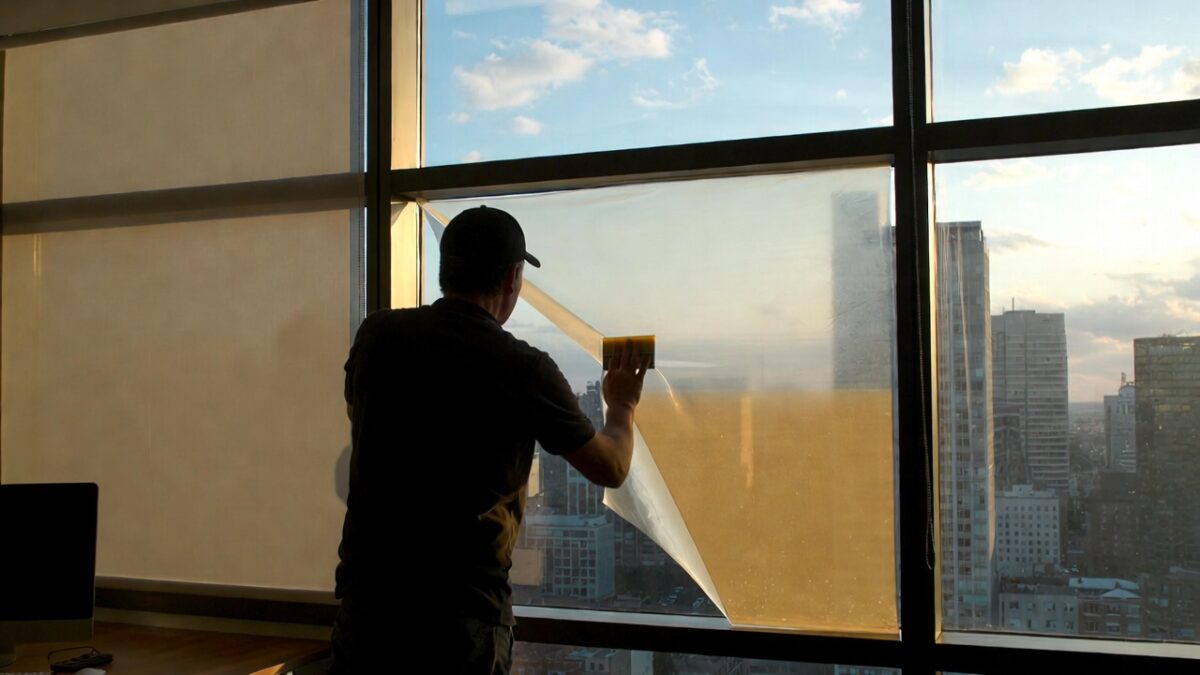
window_tint_installation

by Egor Myznik (https://unsplash.com/@vonshnauzer)

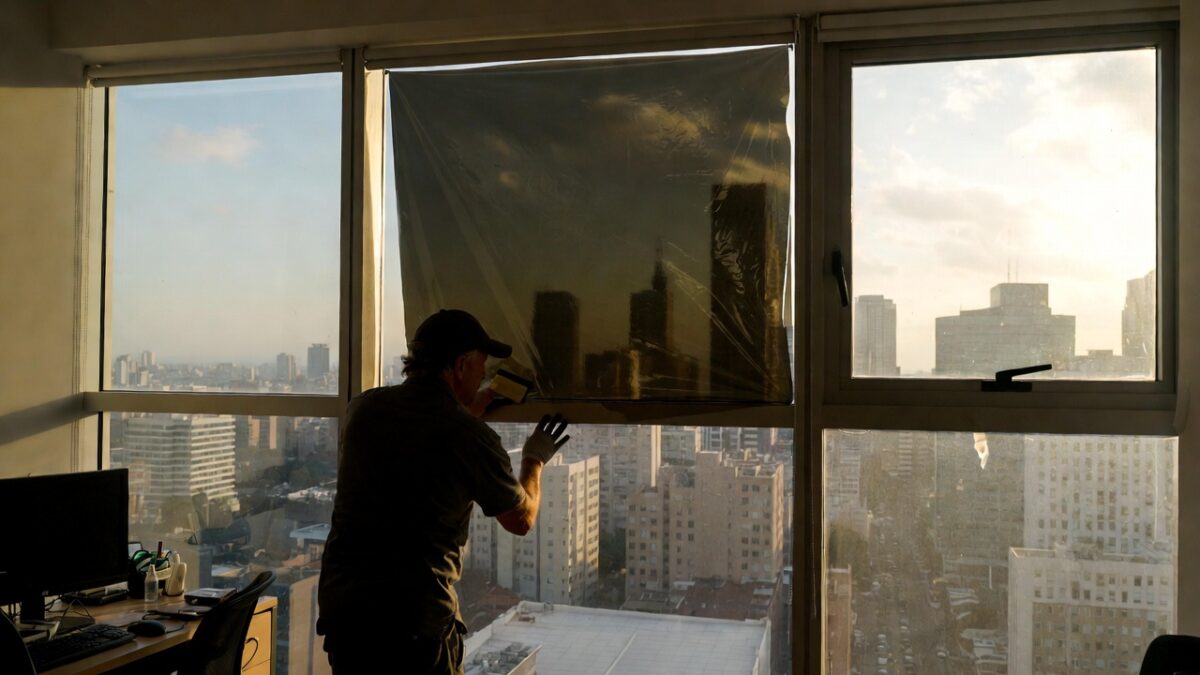
The installation of window tint is a straightforward process, but it’s essential to get it right to ensure the best results. Here’s a step-by-step overview of what you can expect.

Preparing the Surface

Before applying the film, the window surface must be thoroughly cleaned to remove any dirt, dust, or debris. This ensures a smooth application and prevents bubbles from forming under the film.

Measuring and Cutting

The next step involves measuring the window dimensions and cutting the film to the appropriate size. Precision is key here, as any errors can affect the appearance and performance of the film.

Application

The film is applied using a special adhesive. A squeegee is used to smooth out the film and remove any air bubbles, ensuring a clean and professional finish.

Curing Time

After installation, the film needs time to cure. This can take a few days to a couple of weeks, depending on the film type and weather conditions. During this time, it’s important to avoid cleaning the windows to allow the film to adhere properly.

Choosing the Right Window Tint

Selecting the right window tint for your home involves considering several factors, including your specific needs, climate, and budget.

Assessing Your Needs

Determine what you want to achieve with window tinting. Are you looking to enhance privacy, improve energy efficiency, or add a decorative element? Your primary goal will guide your choice of film.

Climate Considerations

The climate in your area can influence the type of film that’s best for your home. In hotter climates, solar control films may be more beneficial, while privacy films might be more suitable for urban areas with close neighbors.

Budget

Window tinting is an investment, and costs can vary depending on the type of film and the size of your windows. Set a budget and explore options that provide the best value for your investment.

Maintenance and Care

To ensure the longevity and performance of your window tint, proper maintenance is crucial.

Cleaning

Use a soft cloth or sponge with a mild soapy water solution to clean tinted windows. Avoid abrasive cleaners or rough materials that could scratch the film.

Inspection

Regularly inspect the film for any signs of damage or peeling. Address any issues promptly to maintain the film’s effectiveness.

Final Thoughts

Household window tinting is a versatile and practical solution for enhancing your home. From improving energy efficiency to offering privacy and protection, the benefits are substantial. By understanding the types of films available and the installation process, you can make informed decisions that enhance your living space while aligning with your personal style and needs.

Embrace the opportunity to transform your home with window tinting and enjoy the added comfort, savings, and aesthetic appeal it brings. Whether you’re an interior designer seeking cost-effective solutions or a homeowner wanting to improve your space, window tinting offers a valuable upgrade to any residence.
Categories
Window Films and Tinting Toronto

Smart Ways to Use For Sale Residential Window Tinting

When it comes to enhancing your home’s aesthetics and energy efficiency, residential window tinting stands out as a smart choice. Not only does window tint add a layer of style to your home, but it also offers practical benefits such as reducing energy costs and protecting furniture from sun damage. In this article, we’ll explore the various ways you can use residential window tinting to elevate your living space and make the most out of your investment.

Modern living room with tinted windows

Residential window tinting involves applying a thin film to the interior or exterior of your windows. This film is designed to block out certain levels of sunlight, depending on your specific needs and preferences. Whether you’re looking to improve privacy, enhance safety, or simply add a touch of elegance to your home, there’s a window tint solution for you.

The application process is straightforward yet requires a keen eye for detail to ensure a flawless finish. Window films come in various types, each offering unique benefits tailored to different needs. The key to effective window tinting is selecting the right film type that aligns with your goals, whether that’s reducing glare or adding an aesthetic touch. Proper installation is crucial, as it affects the film’s longevity and performance.

Benefits of Residential Window Tint

  1. Energy Efficiency: One of the most significant benefits of window tinting is its ability to reduce energy consumption. By blocking out heat from the sun, window tinting helps keep your home cooler in the summer and warmer in the winter, reducing the need for heating and cooling systems and ultimately lowering your energy bills. This energy-saving feature not only benefits your wallet but also contributes to a greener environment by reducing your carbon footprint.
  2. UV Protection: Prolonged exposure to ultraviolet (UV) rays can cause damage to your skin and fade your furniture and flooring. Window tinting can block up to 99% of harmful UV rays, preserving the beauty of your home’s interior and protecting your family. This protection extends the life of your interior furnishings and flooring, making it a wise investment for maintaining your home’s value over time.
  3. Increased Privacy: Window tints offer an added layer of privacy by preventing outsiders from easily peering into your home. This is particularly useful for ground-floor windows or homes situated close to neighbors. Enhanced privacy doesn’t just deter prying eyes; it also adds a sense of security, allowing you to enjoy your living space without feeling exposed.
  4. Enhanced Security: Certain types of window films are designed to hold glass together in case of breakage, providing an extra level of security against break-ins and natural disasters. This feature can be particularly beneficial in areas prone to severe weather conditions, offering peace of mind that your home is better protected against unforeseen events.
  5. Aesthetic Appeal: With various styles and shades available, window tinting can complement any home design, adding a sleek and modern look to your windows. From subtle hues to bold designs, the aesthetic options are vast, allowing you to personalize your home’s appearance while reaping the functional benefits of window tinting.

Choosing the Right Window Tint for Your Home

Sample swatches of window film

When selecting window tint, consider the following factors to ensure you choose the best option for your home:

Purpose and Functionality

  • Privacy Needs: If privacy is your primary concern, opt for a tint with a darker shade or a reflective finish. Darker tints are particularly effective in urban areas where buildings are closely packed, ensuring your home remains a private sanctuary.
  • Energy Savings: For maximum energy efficiency, select a film with a high heat rejection rate. Films designed for energy savings often incorporate advanced technology to reflect solar energy, making them ideal for homes in sunny climates.
  • Aesthetic Goals: Choose a tint that complements your home’s architectural style and interior design. A well-chosen tint can accentuate design features, adding cohesion to your overall home decor scheme.

Types of Window Films

  • Solar Control Films: These are designed to reduce heat and glare while providing UV protection. They are ideal for homes with large windows or sunrooms, where excessive sunlight can be a problem.
  • Decorative Films: Available in various patterns and colors, decorative films are perfect for adding a unique touch to your windows. They can transform ordinary glass into a design feature, offering both style and functionality.
  • Security Films: These films are thicker and provide additional protection by holding the glass together in case of breakage. They are a smart choice for enhancing home security without compromising on aesthetic appeal.

Professional Installation vs. DIY

While DIY window tint kits are available, professional installation is recommended for the best results. A professional installer will ensure that the film is applied smoothly and without bubbles, providing a long-lasting and effective solution. Professionals can also advise on the best type of film for your specific needs, ensuring you achieve your desired outcome.

Attempting a DIY installation may seem cost-effective, but it can lead to mistakes that compromise the film’s effectiveness and appearance. Professionals have the tools and expertise to handle large or irregularly shaped windows, ensuring a perfect fit and finish.

Smart Ways to Use Residential Window Tinting

Bedroom with decorative window tint

by Linh Pham (https://unsplash.com/@linlin411)

Enhancing Home Aesthetics

Window tinting can significantly enhance the look of your home. Here are a few ideas to inspire you:

  • Frosted Films for Bathrooms: Add privacy and elegance to your bathrooms with frosted window films. They provide a modern look while ensuring your privacy is maintained. Frosted films can also be customized with patterns or designs, adding a personal touch to your bathroom decor.
  • Patterned Films for Living Areas: Use decorative films with patterns to create a focal point in living rooms or dining areas. They can mimic the look of etched glass at a fraction of the cost. These films can be an excellent way to introduce texture and interest to spaces that may otherwise be overlooked.
  • Colored Tints for a Unique Look: Consider colored tints to add a splash of personality to your home. They work well in playrooms or creative spaces. Colored tints can also be used to filter the light entering a room, creating a specific ambiance or mood that complements your interior design.

Improving Energy Efficiency

To maximize energy savings, apply solar control films to large windows or those that receive direct sunlight. This will help maintain a comfortable indoor temperature year-round and reduce reliance on heating and cooling systems. Over time, the savings on energy costs can offset the initial investment in window tinting.

Window films are particularly beneficial in homes with expansive glass areas, such as sunrooms or conservatories, where controlling temperature and glare is crucial for comfort. By reducing the amount of heat that enters your home, these films can significantly decrease your energy consumption, leading to lower utility bills.

Increasing Home Security

For added security, particularly in areas prone to natural disasters or break-ins, install security films on ground-floor windows and entry points. The added layer of protection can provide peace of mind and deter potential intruders. Security films not only prevent easy shattering but also make it harder for burglars to gain quick access, enhancing your home’s overall safety.

These films are especially valuable in storm-prone regions where wind-borne debris poses a threat to glass windows. By reinforcing the glass, security films can reduce the risk of injury and property damage during extreme weather events.

Protecting Interior Furnishings

Preserve your home’s interior by applying UV-blocking films to windows that receive direct sunlight. This will prevent fading and extend the life of your furniture, carpets, and artwork. By filtering out harmful UV rays, these films help maintain the vibrant colors and integrity of your interior spaces.

In addition to preserving your furniture, UV-blocking films can also protect your health by reducing the risk of skin damage from prolonged sun exposure indoors. This added benefit makes them a worthwhile consideration for rooms where you and your family spend a lot of time.

Final Thoughts

Residential window tinting is a versatile and valuable home improvement solution. Whether you’re looking to improve energy efficiency, enhance privacy, or add a touch of style to your home, window tinting offers a range of benefits that make it a worthwhile investment.

By understanding the different types of window films and selecting the right option for your needs, you can transform your living space into a comfortable, stylish, and secure environment. Consider consulting a professional installer to ensure the best results and enjoy the many advantages that residential window tinting has to offer.

Invest in residential window tinting today, and experience the difference it can make in your home. Embrace the opportunity to enhance your living space’s functionality and aesthetics, while enjoying the peace of mind that comes with increased security and energy savings. With the right window tint, your home can become a more private, comfortable, and visually appealing haven for you and your family.

Categories
Window Films and Tinting Toronto

Ultimate Breakdown of Buy Best Home Window Film For Heat Rejection

When it comes to creating a comfortable and energy-efficient living space, choosing the right home window film can make all the difference. Not only does it help in reducing heat gain during the summer months, but it also improves the overall insulation of your home, making it a cost-effective solution for energy savings. In this guide, we will explore the best home window films for heat rejection, helping you make an informed decision that suits your needs.

various_window_film_rolls

Window films are thin layers of polyester or other materials that are applied to the inside of your home windows. They are designed to reduce heat and glare from the sun, protect against UV rays, and enhance privacy. Window films come in various types, each offering different benefits, including solar control, decorative enhancements, and safety features.

The Role of Window Films in Heat Rejection

One of the primary reasons homeowners choose window films is for their heat rejection properties. These films can block a significant amount of solar energy from entering your home, which helps in maintaining a cooler indoor temperature without over-reliance on air conditioning systems. This not only leads to a more comfortable living environment but also translates into energy savings.

Types of Window Films

Understanding the different types of window films is crucial to choosing the right product for your home.

Solar Control Films

Solar control films are specifically designed to reduce the amount of solar heat that passes through your windows. They are ideal for homes in hot climates where excessive heat is a concern. These films can block up to 80% of solar heat, reducing the strain on your cooling systems.

Insulating Films

window_insulation_film_application

Insulating films, also known as low-E films, help in maintaining the interior temperature of your home by reducing heat loss in the winter and heat gain in the summer. They are an excellent choice for year-round energy efficiency.

Decorative Films

While primarily used for aesthetic purposes, decorative films can also offer some degree of heat rejection. These films come in various patterns and designs, allowing you to enhance the visual appeal of your space while enjoying moderate energy savings.

Benefits of Using Home Window Film

Investing in the best home window film for heat rejection offers several advantages beyond just temperature regulation.

Improved Energy Efficiency

By blocking a significant portion of solar heat, window films reduce the load on your HVAC systems. This leads to lower energy consumption and, consequently, reduced utility bills.

UV Protection

Window films can block up to 99% of harmful UV rays, protecting your furniture, flooring, and interior decor from fading and damage. This extends the life of your furnishings and maintains the aesthetic appeal of your space.

Enhanced Comfort and Privacy

Window films allow you to enjoy natural light without the accompanying heat and glare. They also offer increased privacy by reducing the visibility from outside, without compromising your view from the inside.

Choosing the Right Window Film

choosing_window_film

by Nguyen Minh (https://unsplash.com/@ngminh8895)

Selecting the best window film for your home involves considering several factors, including the climate, your specific needs, and your budget.

Climate Considerations

In hotter climates, opt for films with high heat rejection capabilities. In contrast, if you live in a region with cold winters, consider insulating films that offer year-round efficiency.

Budget and Installation

Window films are available at various price points, making them accessible to a wide range of homeowners. Professional installation ensures optimal performance and longevity, but DIY options are also available for those with a tight budget.

Aesthetic Preferences

If aesthetics are a priority, decorative films offer a stylish solution without sacrificing functionality. Choose designs that complement your interior decor and enhance the overall ambiance of your home.

Top Picks for Home Window Films

Here are some of the best home window films for heat rejection currently available on the market:

3M Window Films

3M offers a range of high-quality window films known for their durability and performance. Their Prestige Series provides excellent heat rejection without compromising natural light, making them a top choice for homeowners seeking energy savings and comfort.

Gila Heat Control Window Film

Gila’s Heat Control line is a popular choice for DIY enthusiasts. These films offer superior heat rejection and UV protection, with an easy installation process that makes them ideal for homeowners looking for a cost-effective solution.

Llumar Window Films

Llumar is renowned for its innovative technology and high-performance window films. Their selection includes options for both solar control and decorative purposes, allowing homeowners to find the perfect balance between style and functionality.

Installation Tips

To maximize the benefits of your window film, proper installation is key.

Professional Installation

For the best results, consider hiring a professional installer. They have the expertise and tools needed to apply the film without bubbles or creases, ensuring a smooth, long-lasting finish.

DIY Installation

If you prefer a DIY approach, ensure you have the necessary tools and follow the manufacturer’s instructions carefully. Clean the window thoroughly before application to prevent any dust or debris from affecting the adhesion.

Conclusion

Choosing the best home window film for heat rejection involves understanding your specific needs and exploring the various options available. By considering factors such as climate, budget, and aesthetics, you can select a film that not only enhances the comfort and energy efficiency of your home but also complements its overall design. With the right window film, you can enjoy a cooler, more comfortable living space while saving on energy costs.

Categories
Window Films and Tinting Toronto

FAQ About Best House Window Film

Modern living room with large windows and window film

Window film is a thin laminate layer that can be applied to the interior or exterior of glass surfaces in residential settings. Serving multiple purposes, window film is adept at reducing glare, enhancing privacy, and bolstering energy efficiency by blocking harmful UV rays. Crafted from polyester or other specialized laminates, window films are available in a diverse array of shades, colors, and designs to accommodate different needs and preferences.

In addition to its practical benefits, window film also contributes to the aesthetic enhancement of your living space. It offers a sleek, modern look that can complement any interior design style. Moreover, with the growing focus on sustainability, many homeowners appreciate that window film can help reduce energy consumption, making it an environmentally friendly choice.

Why Should I Consider House Window Tinting?

House window tinting presents a multitude of advantages. Here are several reasons why incorporating window film into your home could prove to be a valuable enhancement:

Energy Efficiency

A key advantage of window film is its ability to regulate indoor temperatures effectively. By blocking a significant portion of solar heat, window film mitigates the need for excessive air conditioning, thereby reducing energy bills. This makes it an eco-conscious choice for homeowners striving to enhance energy efficiency and reduce their carbon footprint.

Moreover, energy-efficient window films can contribute to a more consistent indoor climate, enhancing overall comfort throughout the year. During colder months, certain window films can also help retain heat, further optimizing energy usage and offering additional savings on heating costs.

UV Protection

Window films have the capacity to block up to 99% of harmful UV rays, thereby safeguarding your furnishings, flooring, and artwork from premature fading. This protective feature can significantly extend the lifespan of your home interiors and save you money on replacements and repairs over time.

Beyond preserving your interior decor, UV protection is also beneficial for your health. Prolonged exposure to UV rays can pose risks to your skin and eyes, and window film offers an additional layer of protection, creating a safer living environment for you and your family.

Enhanced Privacy

Privacy window films are ideal for areas where you wish to prevent outsiders from peering in without sacrificing natural light. These films come in a variety of designs, enabling you to select the level of opacity and style that best complements your home.

Privacy films are particularly advantageous for homes in densely populated areas or those with windows facing public spaces. They provide a sense of security and peace of mind, allowing you to enjoy your home without the constant concern of prying eyes.

Glare Reduction

Excessive glare can cause discomfort and disrupt activities such as watching television or working on a computer. Window film effectively reduces glare, fostering a more comfortable and productive living environment.

For individuals who work from home or have home offices, glare reduction films can be particularly beneficial. They create an ideal setting for screen-based tasks by minimizing eye strain and enhancing visibility, ultimately improving your work-from-home experience.

What Types of Window Films Are Available?

Close-up of window film installation process

Window films are available in several distinct types, each tailored to meet different needs and preferences:

Solar Control Films

These films are specifically designed to reduce heat and glare while maintaining visibility. They are particularly advantageous for homes situated in sunny regions, where excessive sunlight can become a concern.

Solar control films not only enhance comfort but also contribute to energy savings by reducing the need for air conditioning. By maintaining a balanced indoor temperature, these films help create a more pleasant living environment, particularly during the sweltering summer months.

Privacy Films

Privacy films come in frosted, textured, or patterned designs, effectively obscuring the view from outside while allowing light to filter through. They are an excellent choice for bathrooms, bedrooms, and any space where privacy is a priority.

In addition to providing privacy, these films can add a decorative element to your windows. Whether you prefer a subtle frosted look or a bold patterned design, privacy films offer a versatile solution that enhances both form and function.

Decorative Films

Decorative films add an artistic touch to your windows, available in a wide array of colors and patterns, perfect for enhancing interior design. They offer a cost-effective way to revamp the appearance of your windows and elevate your home’s aesthetic appeal.

These films allow homeowners to express their creativity and personal style. From intricate designs to vibrant colors, decorative films can transform ordinary windows into stunning focal points that enhance the overall ambiance of your living space.

Safety and Security Films

These thicker films are engineered to hold shattered glass together, providing an additional layer of security and reducing the risk of injury from broken glass. They are a prudent choice for homeowners seeking to enhance safety and protect their property.

In addition to mitigating the hazards associated with broken glass, safety and security films can also act as a deterrent to potential intruders. By reinforcing windows, these films add an extra layer of protection, contributing to the overall security of your home.

How Do I Choose the Best House Window Film?

Selecting the right window film involves careful consideration of your specific needs and preferences. Here are some key factors to keep in mind:

Purpose

Determine your primary objective for installing window film: whether it be energy efficiency, privacy, aesthetics, or safety. Clearly defining your goals will guide you in selecting the most suitable film for your home.

It’s important to prioritize your needs based on your home’s unique characteristics and your lifestyle. For instance, if you live in a hot climate, solar control films may be a top priority, while privacy films might be essential for urban dwellers.

Quality

Opt for high-quality films from reputable manufacturers to ensure durability and effectiveness. Examine product warranties, as they often indicate the manufacturer’s confidence in the product’s longevity and performance.

Investing in high-quality window film can yield long-term benefits, including reduced maintenance costs and enhanced performance. Conduct thorough research and read customer reviews to make an informed choice that aligns with your expectations.

Professional Installation

While some films can be installed as DIY projects, professional installation ensures a flawless finish and optimal performance. Professionals possess the expertise to recommend the best film for your needs and ensure it’s applied correctly.

A professional installation can also prevent common pitfalls such as air bubbles, peeling, or misalignment. This guarantees that your window film not only looks great but also functions effectively, providing maximum benefits for your investment.

Can Window Film Be Applied to All Windows?

Most window films are suitable for standard glass windows, but there are exceptions. Films are not recommended for certain types of glass, such as textured, laminated, or wired glass, as they may induce thermal stress and damage the glass. Consulting with a professional installer is crucial to determine the suitability of window film for your windows.

Furthermore, certain specialty glass types, such as stained or leaded glass, may also be incompatible with window film. A professional assessment will ensure that the chosen film is appropriate for your specific window type, preventing potential issues and ensuring a successful installation.

How Long Does Window Film Last?

Sunlit room with stylish window film

by Ruan Richard Rodrigues (https://unsplash.com/@ricdeoliveira)

The lifespan of window film is influenced by factors such as quality, exposure to sunlight, and installation quality. High-quality films can last anywhere from 10 to 20 years, especially when installed by professionals. Regular maintenance, such as cleaning with non-abrasive solutions, can further extend the longevity of your window film.

Additionally, the environment in which the film is installed can impact its lifespan. For instance, window films in coastal areas may experience more wear due to salt air exposure. To maximize the film’s durability, adhere to the manufacturer’s maintenance recommendations and conduct periodic inspections.

Is Window Film Easy to Maintain?

Yes, window film is relatively low-maintenance. For cleaning, use a soft cloth or sponge with a mild, non-abrasive solution. Avoid employing sharp objects or harsh chemicals that can scratch or degrade the film.

Routine maintenance ensures that your window film remains in optimal condition, preserving its appearance and functionality. By following simple cleaning guidelines, you can enjoy the benefits of window film for many years without the need for frequent repairs or replacements.

Can Window Film Be Removed?

Yes, window film can be removed if necessary. The process involves peeling off the film and cleaning the adhesive residue from the glass. Professional removal is recommended to prevent damage to the window and ensure a clean finish.

Removing window film is a straightforward procedure, but it requires care to avoid leaving adhesive traces or damaging the glass surface. Professionals have the tools and expertise to complete the removal efficiently, allowing you to update or change your window treatments as desired.

What Are the Costs Involved?

The cost of window film varies based on factors such as the type of film, the size of the windows, and whether you opt for professional installation. Although upfront costs may be higher with professional installation, it ensures superior results and longevity. Consider it an investment that pays dividends in energy savings, enhanced home value, and overall comfort.

When evaluating costs, it’s essential to weigh the long-term benefits against the initial investment. Energy savings, extended lifespan of furnishings, and increased property value can offset the initial expense, making window film a cost-effective enhancement for your home.

Conclusion

Window film is a versatile and cost-effective solution for enhancing your home’s comfort, privacy, and aesthetics. Whether your goal is to reduce energy costs, protect your interiors from UV damage, or simply add a decorative touch, there’s a window film option to suit your needs.

By gaining a thorough understanding of the various types of window films and their associated benefits, you can make an informed decision that aligns with your home improvement objectives. Always consider professional installation for the best results, and enjoy the long-term advantages that quality window film can bring to your living space. With the right choice, window film can transform your home, providing comfort, style, and peace of mind.

Categories
Window Films and Tinting Toronto

Everything You Need to Know About Benefits Of Privacy Tint For Home Windows

As urban living becomes denser, maintaining privacy in your home has become more challenging. Privacy window tinting presents a practical solution that doesn’t compromise on aesthetics. It offers the perfect balance between maintaining your home’s interior design and providing the seclusion you need. In this article, we will explore the various benefits of privacy window film, its installation process, and how it can be a valuable addition to any home. Whether you’re an interior designer looking for cost-effective solutions or a homeowner aiming to improve your living space, this guide will provide all the information you need.

Privacy tint, also known as privacy window film, is a thin layer of material applied to glass surfaces. It is designed to reduce visibility from outside while allowing natural light to pass through. This type of window film comes in various shades and styles, providing both functional and aesthetic benefits.

These films are constructed from materials that offer varying levels of opacity, allowing homeowners to choose the degree of privacy they desire. The technology behind these films has evolved significantly, offering enhanced durability and performance. With options ranging from simple frosted designs to high-tech reflective films, homeowners can find a solution that matches their specific needs and preferences.

There are several types of privacy window film available, each offering unique advantages:

  1. Reflective Film: Provides a mirrored appearance on the outside, making it difficult for outsiders to see in during the day. This type of film is particularly useful for homes with large glass facades as it also adds a layer of sophistication to the exterior.
  2. Frosted Film: Creates a translucent effect, blurring the view from both sides of the window. Frosted films are often used in bathrooms or areas where complete privacy is desired without sacrificing the transmission of natural light.
  3. Decorative Film: Available in various patterns and designs to add a stylish touch to your windows. Decorative films not only enhance privacy but also serve as a design element, allowing you to personalize your space with intricate patterns or bold colors.
  4. Static Cling Film: Easily removable and reusable, ideal for temporary privacy needs. These films are perfect for renters or those who frequently change their decor, as they can be applied and removed without leaving any residue.

Investing in privacy window film can offer a range of benefits that enhance both the functionality and appearance of your home.

The primary benefit of privacy tint is, of course, increased privacy. It prevents outsiders from peering into your home, allowing you to enjoy your personal space without worry. This is particularly beneficial for homes situated close to neighbors or busy streets. By creating a barrier to the outside world, you can relax in your home without the constant concern of being observed.

Privacy films also help in maintaining confidentiality, especially for home offices or meeting rooms, where sensitive information might be discussed. This allows you to conduct business from home with peace of mind, knowing that your conversations and activities are protected from external view.

Privacy window film can also help reduce energy bills by blocking out a significant portion of solar heat during the summer months. This means your air conditioning system doesn’t have to work as hard, leading to lower energy consumption and cost savings. During winter, certain films can also help retain heat, contributing to a more consistent indoor temperature year-round.

Energy-efficient window films are an environmentally friendly choice, as they reduce your home’s carbon footprint. By minimizing the need for artificial heating and cooling, these films contribute to sustainable living, making your home more eco-friendly without compromising comfort.

Harmful ultraviolet (UV) rays from the sun can damage your home’s interiors, fading furniture, carpets, and artwork. Privacy window film blocks up to 99% of UV rays, protecting your belongings and extending their lifespan. This protection is crucial in preserving the quality and color of your interior decor, ensuring that your home looks vibrant and well-maintained over the years.

Additionally, by filtering out UV rays, privacy window films provide a safer environment for your family. Prolonged exposure to UV radiation can have harmful health effects, so reducing this exposure helps protect your skin and eyes, adding another layer of wellness to your home.

Glare from the sun can be a nuisance, especially when watching television or working on a computer. Privacy tint helps reduce glare, providing a more comfortable environment for these activities. This is particularly beneficial in home offices or media rooms, where screen visibility is crucial for productivity and entertainment.

By reducing glare, privacy films also help prevent eye strain, which can lead to headaches and discomfort. This makes your home a more pleasant place to spend time in, whether you’re working, relaxing, or entertaining.

With a variety of styles and designs available, privacy window film can enhance the appearance of your windows. Whether you prefer a sleek, modern look or a decorative touch, there’s a film to match your aesthetic preferences. These films can transform ordinary windows into stylish focal points, adding value and appeal to your home.

The versatility of privacy window films allows for creative expression, enabling you to customize your living spaces in unique ways. From minimalist designs to ornate patterns, the possibilities are endless, allowing you to craft an environment that reflects your personal taste.

Privacy window films are easy to clean and maintain. They are resistant to scratches and can be wiped clean with a simple solution of soap and water. This makes them a practical choice for busy households, where time spent on maintenance is often limited.

Their durability ensures that they remain effective and attractive over time, providing long-lasting benefits without the need for frequent replacement. This low-maintenance aspect makes them an ideal choice for those seeking efficiency and convenience in home improvements.

Installing privacy window film is a straightforward process that can often be completed in a single day, depending on the size and number of windows. Here’s a step-by-step overview of the installation process:

  1. Preparation: Clean the windows thoroughly to remove any dust or debris that could interfere with the film’s adhesion. A clean surface ensures that the film bonds effectively, preventing bubbles and ensuring a smooth finish.
  2. Measurement: Measure the dimensions of the window to cut the film to the appropriate size. Accurate measurements are crucial to avoid wastage and ensure a perfect fit, enhancing both the appearance and function of the film.
  3. Application: Apply a solution of soap and water to the window surface to allow for easy repositioning of the film during installation. This solution acts as a lubricant, enabling precise adjustments and reducing the risk of errors.
  4. Positioning: Carefully position the film on the window, using a squeegee to remove any air bubbles and ensure a smooth finish. The squeegee helps in adhering the film evenly, ensuring a professional look.
  5. Trimming: Trim any excess film from the edges for a neat and tidy appearance. This final step ensures that the film looks seamless and integrates perfectly with the window frame.

While many homeowners choose to install privacy window film themselves, professional installation is recommended to ensure the best results and long-lasting performance. Professional installers have the experience and tools to deliver a flawless application, saving you time and potential frustration.

When selecting privacy window film for your home, consider the following factors:

  • Purpose: Determine whether your primary goal is privacy, energy efficiency, aesthetics, or a combination of these factors. Understanding your priorities will guide you in choosing the right type of film that meets your specific needs.
  • Style: Choose a film that complements your home’s interior design and personal style preferences. Whether you’re looking for a subtle enhancement or a bold statement, there’s a film that fits your vision.
  • Budget: Privacy window films are available at various price points, so consider your budget when making a selection. While more expensive options may offer additional features or durability, there are plenty of affordable films that provide excellent value.
  • Professional Installation: Although DIY installation is possible, professional services ensure a higher quality finish and longer-lasting results. Investing in professional installation can be a worthwhile expense, delivering the peace of mind that comes with expert craftsmanship.

Interior designers can greatly benefit from incorporating privacy window film into their projects. It offers a cost-effective solution to enhance the aesthetic appeal of a space while providing practical benefits such as energy efficiency and UV protection. Designers can use these films to add character to a room, creating a cohesive look that blends functionality with style.

For homeowners, privacy window film is an excellent way to improve comfort and security without undergoing major renovations. It’s a simple yet effective upgrade that pays off in both utility and style. Whether you’re looking to refresh your home’s appearance or increase its energy efficiency, privacy films offer a versatile solution that adapts to your needs.

Privacy tint for home windows is a versatile solution that provides a multitude of benefits, from enhanced privacy and energy savings to improved aesthetics and UV protection. With a variety of styles and designs available, it’s easy to find a film that suits your needs and preferences. As a cost-effective and aesthetically pleasing option, privacy window films stand out as a smart choice for modern homeowners.

Whether you’re looking to create a more comfortable living space or seeking innovative design solutions for your clients, privacy window film is a valuable addition to any home. Consider exploring this option to experience its many advantages for yourself. By understanding and utilizing the benefits of privacy tint, you can elevate the functionality and beauty of your home while enjoying greater peace of mind.

Categories
Window Films and Tinting Toronto

What Makes Great Cost Of Window Film For Home

Home window with film installation

When it comes to enhancing the comfort, efficiency, and aesthetics of your home, window film is an excellent choice. It’s not just about blocking sunlight or adding privacy; it’s about transforming your living space into a more energy-efficient, comfortable, and aesthetically pleasing environment. But what exactly determines the cost of window film for your home? Here, we’ll break down the factors that contribute to the cost and why investing in quality window film is a smart decision for any homeowner.

Understanding Home Window Tinting

Home window tinting is the process of applying a thin film to your windows. This film can provide various benefits, including reducing glare, blocking harmful UV rays, enhancing privacy, and improving energy efficiency. As an interior designer, incorporating window films into your projects can offer stylish solutions that are both functional and attractive.

Benefits of Window Film

Before diving into the cost, it’s important to understand the benefits that window films offer. These advantages justify the investment and can add significant value to any home.

  • Energy Efficiency: Window films can significantly reduce your home’s energy costs by reflecting heat in the summer and retaining heat in the winter. This reduces the reliance on heating and cooling systems, leading to lower utility bills.
  • UV Protection: By blocking up to 99% of harmful UV rays, window films protect your interior furnishings, flooring, and artwork from fading, extending their lifespan.
  • Glare Reduction: Glare from the sun can be annoying and can make watching TV or working on a computer difficult. Window films minimize this glare, enhancing comfort and productivity.
  • Privacy: For those who value privacy, certain window films can make it difficult for outsiders to see inside without sacrificing natural light.
  • Aesthetic Appeal: Available in various shades and designs, window films can enhance the look of your home both inside and out.

What Influences the Cost of Window Film for Home?

Different types of window films

Several factors can influence the cost of window film installation. Understanding these can help you make an informed decision that balances cost with the desired benefits.

Type of Film

There are different types of window films, each with its own set of features and price points:

  • Solar Control Films: These are designed to reduce heat and glare while blocking UV rays. They are often used for energy savings and can vary in price based on their technology and performance levels.
  • Decorative Films: These films are used for aesthetic purposes, offering various patterns and designs. While they may cost less than high-performance solar films, their prices can vary based on the complexity of the design.
  • Security Films: These thicker films are designed to hold glass together in the event of breakage, providing an added layer of security. They tend to be more expensive due to their durability and additional safety benefits.
  • Privacy Films: Used to obscure views into a space, these films can range from frosted to mirrored finishes, influencing their cost.

Size and Number of Windows

The total area to be covered with window film will directly impact the cost. Larger windows or a greater number of windows will require more material and labor, thus increasing the overall cost.

Professional Installation vs. DIY

While DIY kits are available, professional installation ensures optimal performance and longevity of the window film. Professional installers have the expertise to handle complex window shapes and ensure a bubble-free, seamless finish. Although it may have a higher upfront cost, professional installation is often more cost-effective in the long run due to the quality of the work and the warranties offered.

Quality of Film

Not all window films are created equal. Higher-quality films tend to be more durable, offer better UV protection, and have a longer lifespan. Investing in a higher-quality film can save money over time, as it may not need to be replaced as frequently.

Additional Features

Some films offer additional features like anti-graffiti coatings or insulation properties, which can also affect the cost. These additional features can provide added value and protection for your home.

Estimating Window Tint Cost

On average, the cost of window film for a home can range from $5 to $15 per square foot, depending on the factors mentioned above. This means for a typical home with 20 square feet of windows, you could expect to pay between $100 and $300, excluding professional installation fees.

Installation Costs

Professional installation typically adds another $2 to $5 per square foot. However, this cost is a worthwhile investment, ensuring the film is applied correctly and efficiently. For a 20-square-foot area, professional installation might add $40 to $100 to the total cost.

Return on Investment

While the initial cost of window film might seem significant, the long-term savings on energy bills and the protection of interior furnishings can provide a substantial return on investment. Additionally, the enhanced comfort and aesthetics add intangible value to your home.

Making the Right Choice for Your Home

Professional window film installation

by Zen Summer (https://unsplash.com/@ispywithmylittleeye)

Choosing the right window film involves considering both your budget and your specific needs. Whether you prioritize energy efficiency, privacy, aesthetics, or security, there is a window film solution that can meet your requirements.

Consult a Professional

For the best results, consult with a professional who can assess your home, understand your needs, and recommend the best film for your situation. A professional can also provide a more accurate estimate of the costs involved, tailored to your specific project.

Consider Long-term Benefits

While cost is an important factor, consider the long-term benefits of window film. Investing in high-quality, professionally installed window film can enhance your home’s comfort, efficiency, and value for years to come.

In conclusion, window film is a versatile and cost-effective solution for improving your home’s energy efficiency, privacy, and aesthetic appeal. By understanding the factors that influence the cost, you can make an informed decision and choose the best window film for your home improvement project.