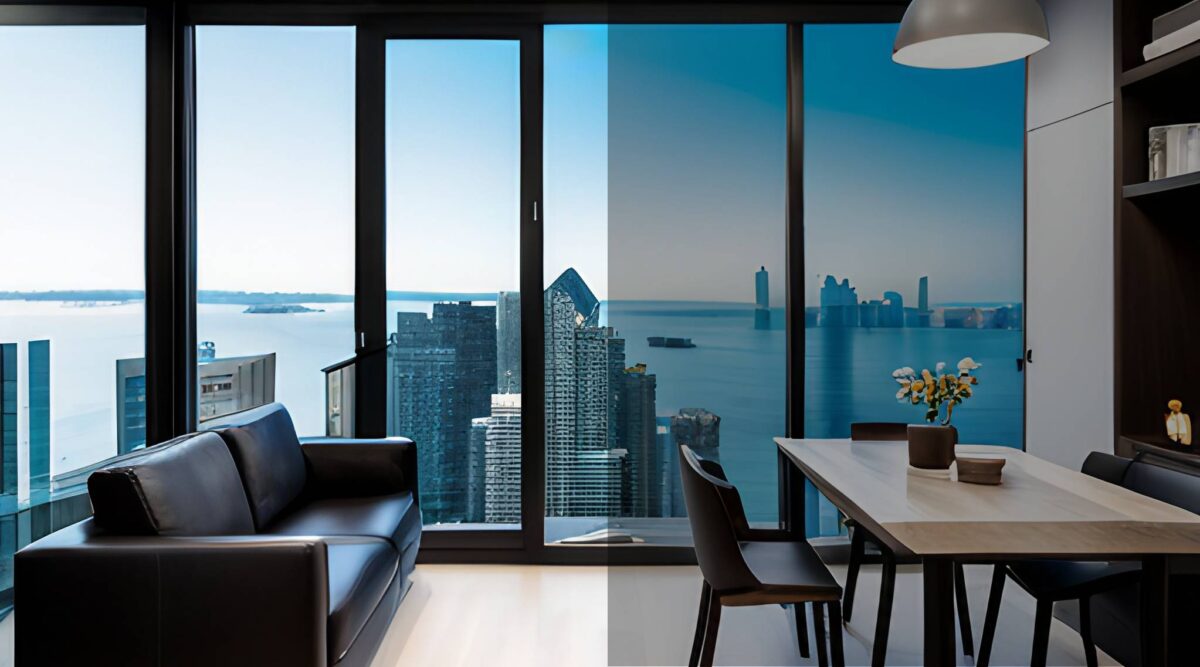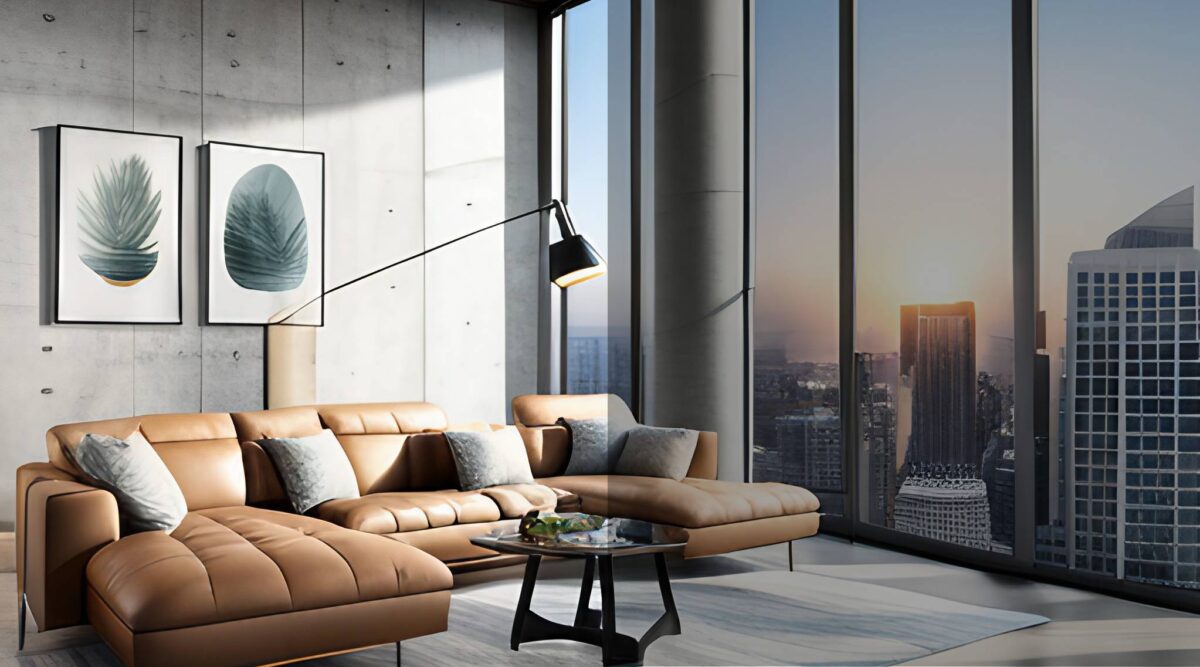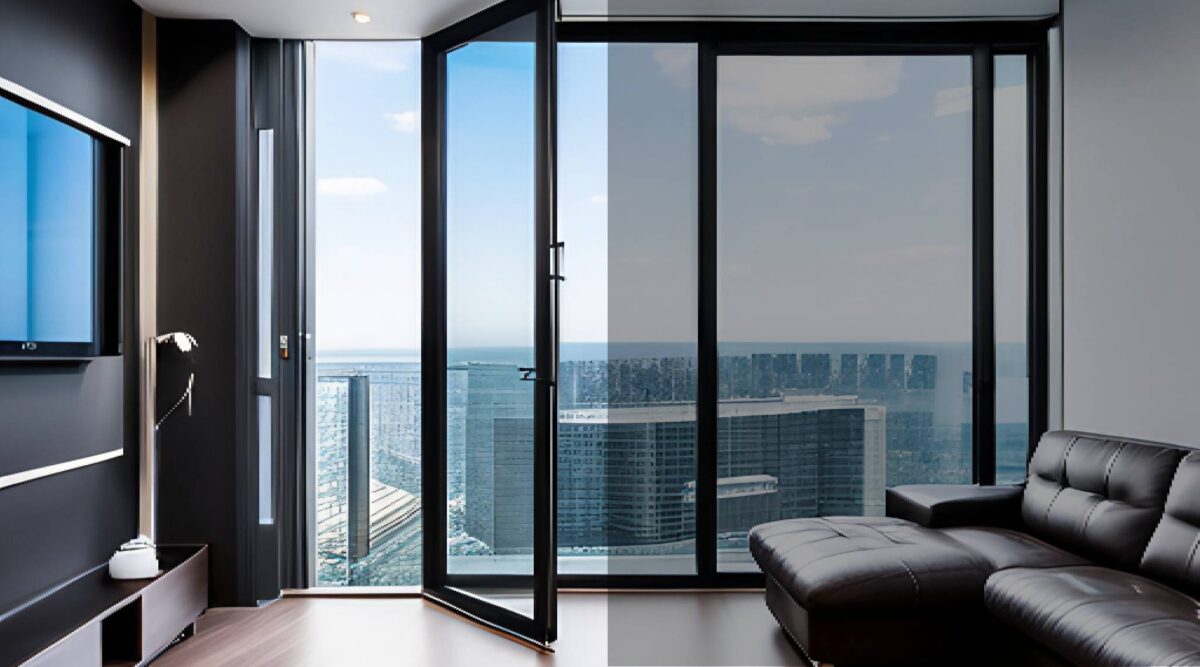
In today’s world, privacy is more important than ever. As a homeowner, you may be searching for effective ways to ensure that your home is a sanctuary from prying eyes while also enhancing its aesthetic appeal. One such solution is the use of privacy tint for home windows. But is it worth the investment? Let’s explore the benefits and considerations of installing privacy window film in your home.

Privacy tint, or privacy window film, is a thin layer of film applied to the glass surface of windows. This film is designed to limit visibility from the outside while allowing natural light to enter, creating a comfortable and private indoor environment.
How Privacy Window Film Works
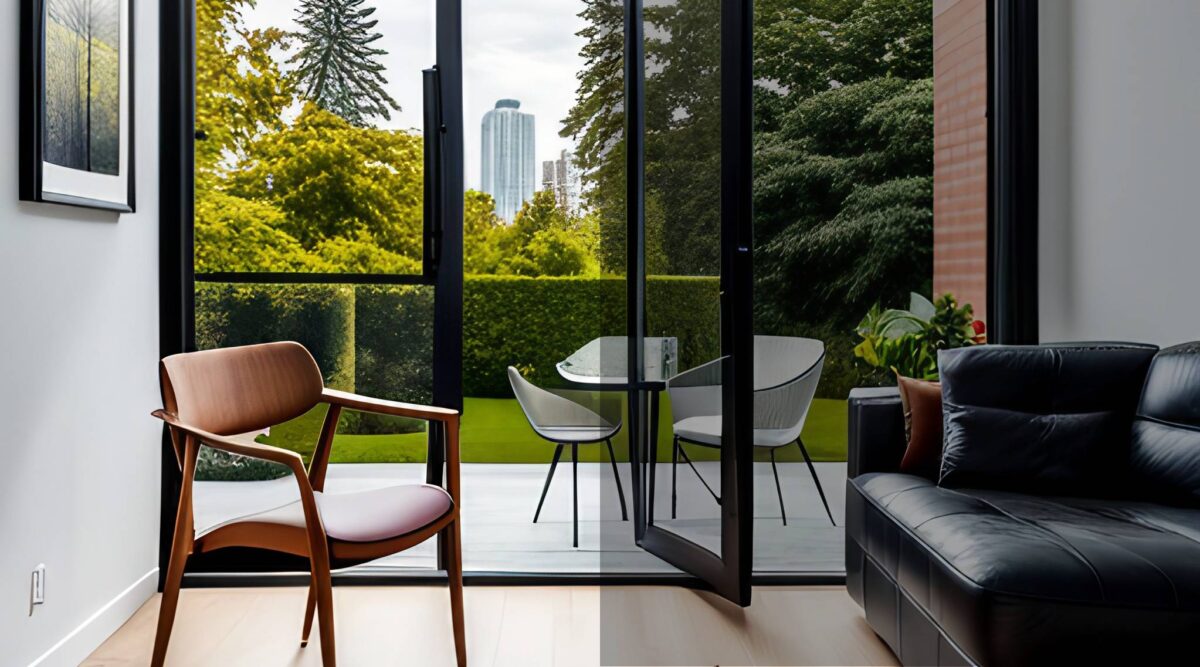
Privacy window film works by reflecting or absorbing light. Depending on the type of film you choose, it can provide varying levels of privacy and light control. Some films are designed to be reflective, creating a mirror effect from the outside, while others are frosted or opaque, offering a subtle barrier that obscures the view.
Types of Privacy Window Film
There are several types of privacy window film available, each offering unique benefits:
- Reflective Film: This type of film has a mirror-like finish that reflects light, making it difficult for outsiders to see inside during the day.
- Frosted Film: Frosted films provide a translucent appearance, blocking views while still allowing light to enter. They are ideal for bathrooms and private spaces.
- Decorative Film: Available in various patterns and designs, decorative films add a touch of style to your windows while enhancing privacy.
- Blackout Film: For maximum privacy, blackout films completely block light and views, making them suitable for bedrooms or media rooms.
Benefits of Privacy Tint for Home Windows

Installing privacy tint on your windows offers several advantages beyond privacy. Here’s a closer look at the benefits:
Enhanced Privacy
The primary benefit of privacy window film is, of course, increased privacy. By limiting what people can see from outside, you can enjoy peace of mind knowing your home is shielded from unwanted attention.
Improved Energy Efficiency
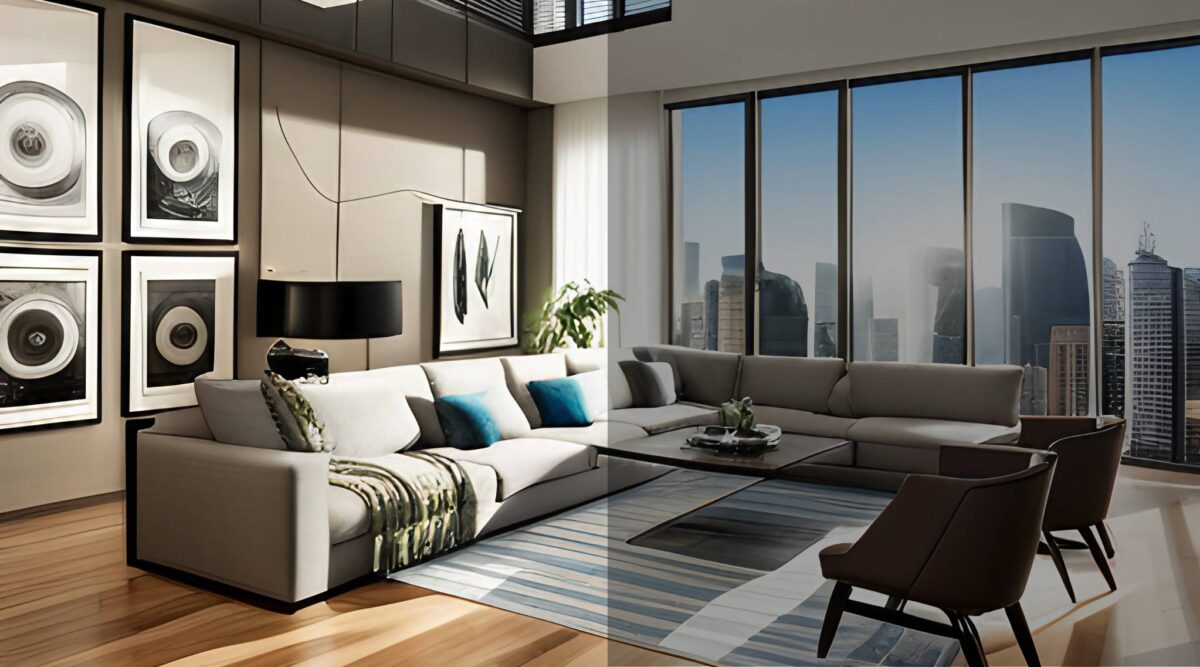
Privacy window films can also contribute to energy efficiency by reducing heat gain in the summer and heat loss in the winter. This can lead to lower energy bills and a more comfortable living environment year-round.
UV Protection
Many privacy films are designed to block harmful UV rays, which can cause fading and damage to your furnishings, floors, and artwork. By protecting your home from UV exposure, you can prolong the life of your interior decor.
Aesthetic Appeal
Privacy tints come in various styles and finishes, allowing you to enhance the visual appeal of your home. Whether you prefer a sleek, modern look or a more decorative approach, there’s a film to suit your taste.
Glare Reduction
If you’ve ever struggled with glare on your TV or computer screen, privacy window film can help. By reducing glare, you can create a more comfortable viewing experience.
Easy Installation and Maintenance
Installing privacy window film is a straightforward process that can often be completed in a single day. Once installed, the film requires minimal maintenance, making it a hassle-free addition to your home.
Considerations Before Installing Privacy Window Film

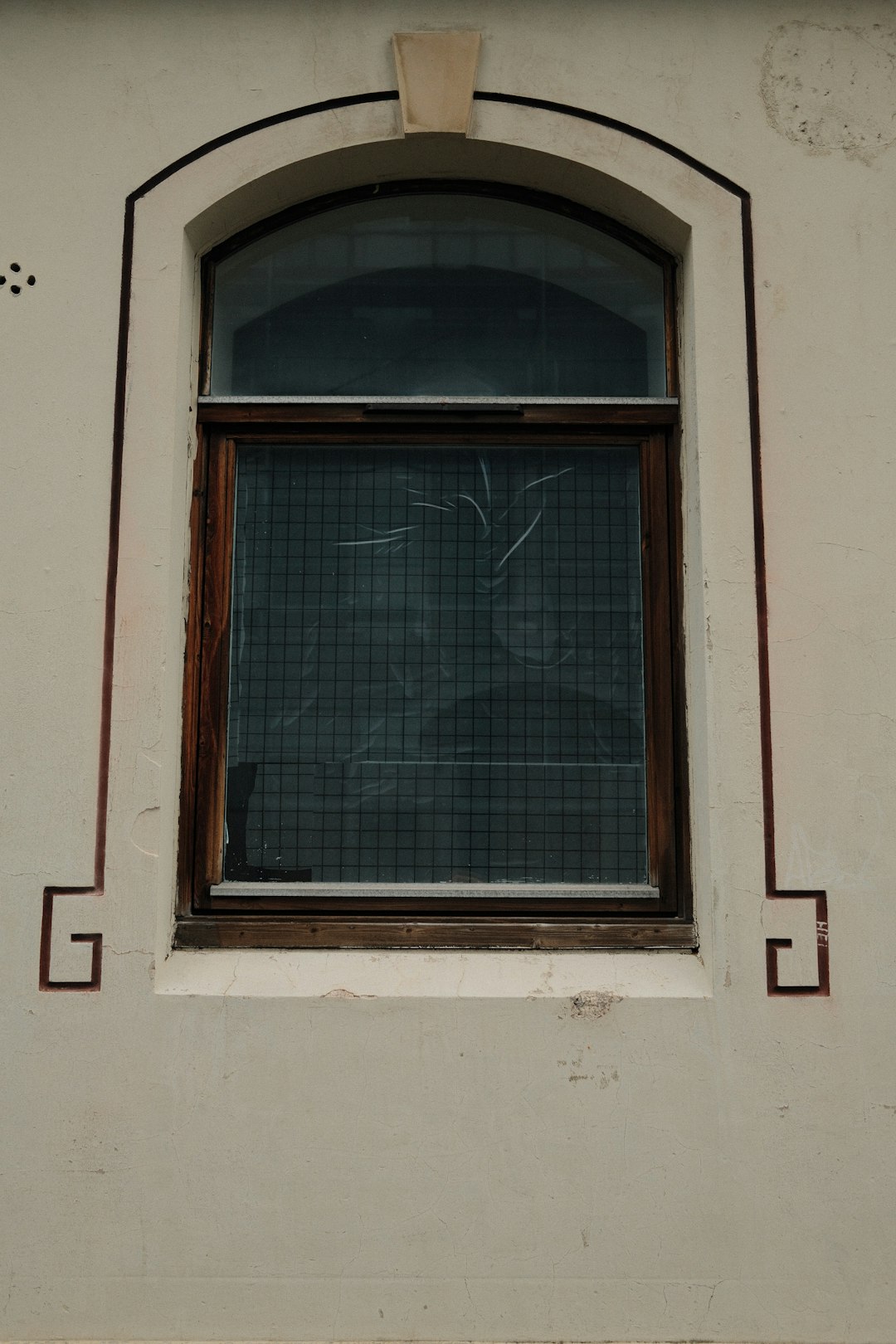
by Davis Patton (https://unsplash.com/@davispatton)
While there are many benefits to installing privacy tint, there are also some considerations to keep in mind:
Cost
The cost of privacy window film varies depending on the type and quality of the film, as well as the size of the windows. It’s important to weigh the cost against the benefits to determine if it’s a worthwhile investment for your home.
Light Conditions
Reflective films work best in bright light conditions, such as during the day. At night, when interior lights are on, reflective films may not provide the same level of privacy. In such cases, additional window treatments like curtains or blinds may be necessary.
Longevity
While high-quality films are designed to last for many years, they may eventually need replacement due to wear and tear. Be sure to choose a reputable installer who uses quality materials to maximize the lifespan of your film.
Compatibility
Not all window films are suitable for all types of glass. Certain films may not be compatible with double-pane or low-E glass, so it’s essential to consult with a professional to ensure the right film is selected for your windows.
Making the Decision: Is Privacy Tint Worth It?
Ultimately, the decision to install privacy tint on your home windows comes down to your personal needs and preferences. If privacy, energy efficiency, and aesthetics are high on your list of priorities, then privacy window film can be a valuable addition to your home.
Here are some steps to help you make an informed decision:
- Assess Your Needs: Consider what you hope to achieve with window tinting. Is privacy your main concern, or are you also interested in energy savings and UV protection?
- Research Your Options: Explore the different types of privacy films available and consider which style best suits your home and needs.
- Consult a Professional: Speak with a window film installation expert to discuss your options and get a quote. They can provide valuable insights and recommendations based on your specific requirements.
- Consider Your Budget: Determine what you’re willing to invest in window tinting and weigh that against the potential benefits and long-term savings.
- Test It Out: If you’re unsure, consider starting with a small area or a single room to see how you like the effect before committing to a full installation.
In conclusion, privacy tint for home windows offers a range of benefits that can enhance your living space while providing much-needed privacy. By carefully considering your options and consulting with professionals, you can make an informed decision that meets your needs and enhances your home’s comfort and appeal.