Categories
Window Films and Tinting Toronto

What Are Blast Retention Window Films?

Window films are widely used in Toronto and the GTA to control risk, protect people, and reduce damage caused by glass. From busy office towers to street-level retail, window films help solve safety problems without changing how a building looks. One type of window film keeps coming up when property owners talk about injury prevention and glass failure. That film is blast retention window film.

Search data shows more people asking about window films after construction accidents, vehicle impacts, or loud nearby incidents that shake glass hard. Sometimes nothing breaks. Other times, the glass fails in seconds.

When it fails, the danger comes fast.

This article explains how blast retention window films work, how they fit into the broader use of window films, and where they make sense for Toronto and GTA properties. It also explains how they differ from other security and safety film options.

What Blast Retention Window Films Are and Why They Matter

Blast retention window films are a type of window film built to hold shattered glass together during high-pressure events. These events include explosions, heavy impact, or sudden force against glass.

The glass still cracks.

What changes is what happens next.

Without window films, broken glass breaks loose and flies inward. With blast retention window film, the glass stays bonded together and often stays inside the frame. This lowers injury risk and keeps people safer.

Many injuries during blast or impact events come from glass shards, not the blast itself. Offices, schools, clinics, and retail buildings all face this risk when large glass panels fail.

Blast retention window films are often used in buildings with large glass areas and steady foot traffic. In Toronto, this includes financial buildings, government offices, transit locations, healthcare facilities, and dense commercial streets.

Most owners first hear about these window films after a close call. A scaffold tool drops. A delivery truck bumps a storefront. A demolition site nearby causes shockwaves. No one gets hurt, but the risk becomes clear.

This is usually when security films enter the conversation.

How Blast Retention Window Films Work in Real Buildings

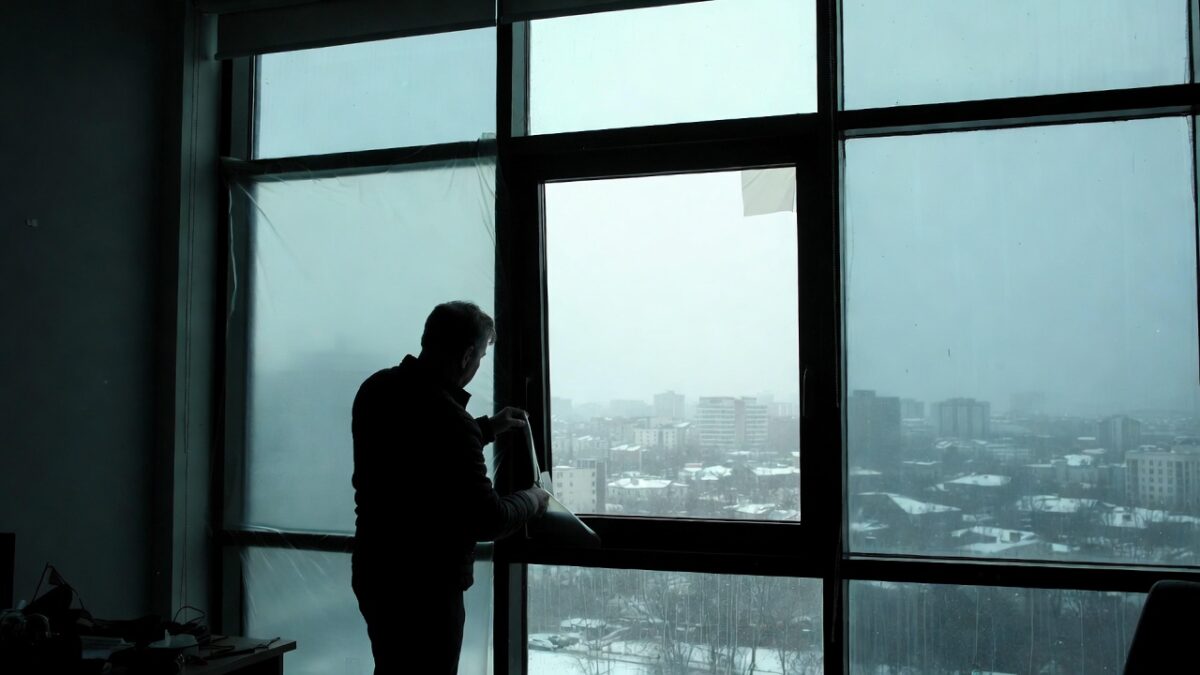
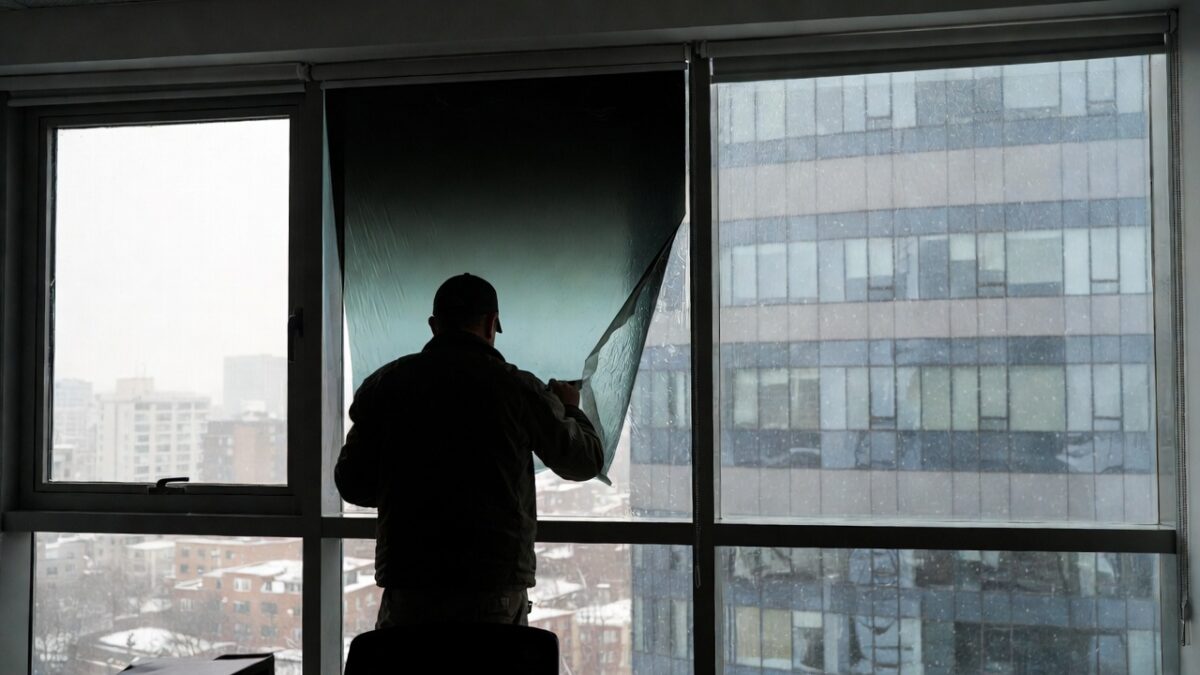
Blast retention window films use thick polyester layers that stretch instead of tearing. The film installs on the interior side of the glass.

When pressure hits the window, the film absorbs force and spreads it across the pane. The glass cracks but stays held together.

In higher-risk locations, installers bond the film to the window frame using attachment systems. This step helps keep the glass mass inside the frame instead of falling inward.

A trained window tinting service decides when anchoring is needed. The decision depends on glass size, frame strength, and how the space is used.

In many Toronto installs, blast retention window films include:

  • Clear security film layers
  • Edge sealing to limit peeling
  • Frame bonding in high-risk zones
  • Interior installation for durability

From outside, the windows look normal. Inside, light stays the same. This is why clear security film is common in Bay Street offices and mixed-use buildings near Yonge Street.

For a broader look at how safety-focused window films work, this article on how safety films enhance window security explains it in plain terms.

Where Blast Retention Window Films Make Sense in Toronto and the GTA

Not every building needs blast retention window films.

They make sense where people sit close to large glass surfaces and where damage risk is higher. Downtown towers. Transit stations. Schools. Clinics. Retail with floor-to-ceiling windows.

Common GTA locations include:

  • Toronto Financial District
  • Liberty Village commercial blocks
  • North York Centre offices
  • Scarborough Town Centre areas
  • Vaughan Metropolitan Centre towers
  • Mississauga City Centre sites

Season plays a role too. Winter brings ice impact and strong wind pressure. Summer brings heavy construction and equipment movement. Both raise glass failure risk.

One Toronto example involved a small office building beside a condo build. A steel beam slipped during lifting and struck a window. The glass cracked but stayed together because security window film had been installed earlier. Staff stayed inside. No injuries.

Another GTA case involved a pharmacy near a busy intersection. A vehicle slid during freezing rain and hit the storefront. Blast retention window film kept the glass intact until replacement glass arrived.

These cases are more common than most people think.

Blast Retention Window Films Compared to Other Window Film Options

Standard security window films focus on slowing break-ins and reducing glass scatter. They help with theft prevention.

Blast retention window films handle stronger pressure and focus on injury control.

Main differences include:

  • Thicker film builds
  • Greater stretch capacity
  • Frame attachment systems
  • Different install methods

If theft is the main concern, standard security film may be enough. If people safety and liability matter more, blast retention systems fit better.

Some owners compare window films with full window replacement. Film usually costs less and installs faster. This comparison of window films vs window replacements explains why many choose film first.

What Installation Looks Like with a Toronto Window Film Provider

Installing blast retention window films takes planning.

The process includes checking glass type, measuring frames, and reviewing how the space is used. Many Toronto installs happen after hours so businesses can stay open.

Typical steps include:

  • Site review and measurements
  • Film selection based on risk
  • Interior installation
  • Edge bonding and anchoring if needed

Clear security film stays clear. Rooms do not become dark. This matters in offices, schools, and medical spaces.

For a clear breakdown of quality work, this guide on installing security film shows what proper installation looks like.

How Blast Retention Window Films Fit into the Wider Use of Window Films

Blast retention window films are part of a larger window films setup. Many properties pair them with solar control film, privacy film, or UV blocking film.

Security often comes first. Comfort and energy savings come later.

For owners learning the basics, this introduction to window films explains how different films work together.

For public safety planning resources related to buildings and glass hazards, Public Safety Canada provides general guidance at Public Safety Canada.

Material testing standards often referenced in film specs are published by ASTM International.

Final Thoughts for Toronto Property Owners

Window films solve real problems when installed the right way. Blast retention window films focus on keeping broken glass from injuring people.

They do not stop every incident. They control what happens after glass breaks.

For high-risk buildings in Toronto and the GTA, that control protects people and keeps spaces usable.

Glass will always break. Planning decides what happens next.

Categories
Window Films and Tinting Toronto

FAQ About Tips For Residential Window Tinting

Modern home with tinted windows

Home window tinting involves applying a thin film to the interior surface of your windows. This film is designed to reduce the amount of sunlight and heat that enters your home. By cutting down on glare, it allows for a more comfortable living environment, especially in rooms that receive direct sunlight. It is an affordable and effective way to enhance privacy, protect your furnishings from UV damage, and improve energy efficiency.

Moreover, window tinting can be customized to fit the specific needs of your home. Whether you want to focus on energy savings, UV protection, or privacy, there’s a tint for that. The film comes in various shades and materials, allowing you to tailor it to match your home’s exterior and interior decor. This customization ensures that your home not only feels more comfortable but looks cohesive and stylish as well.

Why Should I Consider Window Tinting for My Home?

There are several compelling reasons to invest in residential window tinting:

  • Energy Efficiency: By reducing heat gain in the summer and heat loss in the winter, window tinting can significantly lower your energy bills. This reduction in energy use is not only good for your wallet but also for the environment, as it helps decrease your household’s carbon footprint. In fact, many homeowners find that their investment in window tinting pays for itself over time through energy savings.
  • UV Protection: Window films block up to 99% of harmful UV rays, preventing fading and damage to your furniture, carpets, and artwork. Prolonged exposure to UV rays can weaken fabrics and cause colors to fade, which can be costly to replace. Tinting acts like a sunscreen for your home, offering long-term protection for your interiors.
  • Increased Privacy: Tinted windows provide an extra layer of privacy without sacrificing natural light. This is especially beneficial for homes in densely populated areas or those with large windows facing the street. You can enjoy the beauty of natural sunlight without the worry of prying eyes.
  • Enhanced Aesthetics: Window tinting can give your home a sleek, modern look. It can complement your existing decor and even increase your home’s curb appeal. With a variety of shades and finishes available, you can choose a tint that enhances the architectural features of your home.

How Does Window Tinting Work?

Diagram of window tint layers

Window tinting works by using a specialized film that is applied to the glass. This film is composed of multiple layers, each serving a unique purpose. These layers work together to filter light and provide protection against heat and UV rays. The key components include:

  • Adhesive Layer: Ensures the film adheres securely to the glass surface. This layer is crucial for longevity and durability, ensuring that the film does not peel or bubble over time. A strong adhesive layer is also important for maintaining a clear view through the window.
  • Metalized Layer: Reflects heat and light, enhancing energy efficiency. This reflective property helps keep your home cooler in the summer and warmer in the winter, reducing the need for excessive heating and cooling. The metalized layer is also responsible for the slight mirror effect seen on some tints, which adds to privacy.
  • Scratch-Resistant Coating: Protects the film from wear and tear. A durable coating ensures that the film remains pristine and clear, even with regular cleaning and exposure to the elements. This layer extends the lifespan of the tint, allowing you to enjoy its benefits for years to come.

What Types of Window Tinting Films Are Available?

There are several types of window tinting films to choose from, each offering distinct benefits:

  • Dyed Film: Offers privacy and reduces glare, but provides minimal heat reduction. Dyed films are often chosen for their cost-effectiveness and ability to enhance the appearance of windows. However, they may not provide the best performance in terms of energy savings compared to other options.
  • Metalized Film: Reflects heat and adds strength to windows, but may interfere with electronic signals. Metalized films are a great choice for those seeking durability and heat reduction, though it’s important to consider their potential impact on Wi-Fi and phone signals. Despite this, many find the trade-off worthwhile for the increased efficiency and protection.
  • Ceramic Film: Provides excellent heat reduction and UV protection without affecting visibility or electronic signals. Ceramic films are considered top-of-the-line due to their performance and clarity. They are perfect for homeowners who want maximum protection without altering the look of their windows.
  • Hybrid Film: Combines dyed and metalized layers for balanced performance. Hybrid films offer a middle ground, providing good heat reduction and aesthetics without the drawbacks of metalized films. They are ideal for those who want a combination of privacy, protection, and energy efficiency.

How Do I Choose the Right Tinting for My Home?

Selecting the right window tinting film depends on your specific needs and preferences. Consider the following factors:

  • Climate: In hotter climates, a film with high heat rejection properties is ideal. Conversely, in cooler regions, you might prioritize UV protection and aesthetics over heat rejection. Evaluating your local weather patterns can help you make an informed decision.
  • Privacy Needs: For increased privacy, choose a darker tint. Darker films can significantly enhance privacy by making it difficult for outsiders to see inside your home. However, it’s essential to balance privacy with the amount of natural light you wish to retain.
  • Aesthetic Preferences: Consider the look you want to achieve, whether it’s a subtle or bold appearance. Think about how the tint will complement your home’s exterior and interior design. Some homeowners prefer a uniform look across all windows, while others might choose different tints for different areas of the house.

Are There Any Regulations or Restrictions for Window Tinting?

Before installing window tinting, check local regulations. Some areas have restrictions on how dark or reflective residential window tinting can be. Regulations are often in place to ensure safety, as overly dark tints can reduce visibility, especially at night. It’s essential to comply with these guidelines to avoid potential fines or the need to remove the tint.

Consulting with a professional window tinting service can help ensure that your installation adheres to local laws. They can provide insights into the most suitable options that meet both your needs and legal requirements. Staying informed and compliant not only prevents legal issues but also ensures that your home remains safe and comfortable.

How Is Window Tinting Installed?

The installation process involves several steps to ensure a smooth and bubble-free application:

  1. Cleaning the Windows: Thoroughly clean the glass surface to remove dirt and debris. A clean surface is crucial for the film to adhere properly and to prevent imperfections in the finish.
  2. Cutting the Film: Measure and cut the film to fit each window precisely. Accurate measurements are vital to avoid waste and ensure that the film covers the entire surface without gaps.
  3. Applying the Film: Apply the film to the window, starting from the top and working downwards. Proper alignment is key to achieving a professional look, and patience is required to avoid wrinkles or misalignment.
  4. Smoothing Out Bubbles: Use a squeegee to remove any air bubbles and ensure a smooth finish. This step requires care and precision, as trapped air bubbles can affect the appearance and performance of the tint.

Can I Install Window Tinting Myself?

While DIY window tinting kits are available, professional installation is recommended for the best results. Experienced installers have the expertise to apply the film without creases or bubbles, ensuring a flawless finish. They also have access to high-quality materials and tools that might not be included in DIY kits.

Furthermore, professional installation often comes with a warranty, providing peace of mind in case issues arise later. While it might be tempting to save money with a DIY approach, the benefits of professional installation often outweigh the initial cost.

How Do I Maintain Tinted Windows?

Cleaning tinted windows with a soft cloth

by Anna Barabanova (https://unsplash.com/@annabarabanova)

Proper maintenance is key to prolonging the life of your window tinting. Follow these tips:

  • Wait Before Cleaning: Allow the film to cure for at least 30 days before cleaning. This curing period ensures that the adhesive fully sets and the film adheres properly to the glass.
  • Use Soft Cloths: Clean with a soft, non-abrasive cloth to avoid scratching the film. Microfiber cloths are ideal as they gently clean without leaving streaks or causing damage.
  • Avoid Harsh Chemicals: Use mild soap and water or a cleaner specifically designed for window film. Harsh chemicals can degrade the film and reduce its effectiveness over time. Stick to gentle, film-safe cleaning solutions to maintain clarity and protection.

What Should I Do If the Film Gets Damaged?

If the window film becomes damaged, it’s best to consult with a professional for repair or replacement. Attempting to fix it yourself may worsen the damage. Professionals can assess the extent of the damage and recommend the best course of action, whether it’s a simple repair or a full replacement.

In some cases, only a section of the film may need replacing, which can save time and money. Regular inspections and prompt repairs can help extend the life of your window tinting and maintain its benefits.

What Are the Costs Involved in Window Tinting?

The cost of window tinting varies based on several factors, including:

  • Type of Film: Premium films cost more than basic options. The initial investment can be higher for advanced films, but their long-term benefits often justify the cost.
  • Size of Windows: Larger windows require more film and labor. The complexity of the installation can also affect the price, especially if there are many windows or if they have unusual shapes.
  • Professional Installation: Hiring a professional adds to the overall cost but ensures quality results. The expertise, tools, and materials provided by professionals can enhance the durability and performance of the tint.

How Long Does Window Tinting Last?

With proper care and maintenance, high-quality window tinting can last up to 15 years. Factors such as the quality of the film, installation, and exposure to sunlight can affect its lifespan. Regular cleaning and avoiding harsh conditions can help preserve the film’s integrity and effectiveness.

Additionally, investing in a reputable brand and professional installation can maximize the longevity of your window tinting. Over time, the benefits of window tinting, such as energy savings and UV protection, continue to provide value, making it a worthwhile investment.

Conclusion

Residential window tinting is a valuable investment that enhances the comfort, efficiency, and aesthetics of your home. By understanding the benefits, types, and installation process, you can make an informed decision that meets your needs. Whether you’re seeking to reduce energy bills, protect your furnishings, or enhance privacy, window tinting offers a practical and stylish solution.

For more information or to schedule a professional installation, contact a trusted window tinting service provider today. Your home deserves the best, and window tinting is a step towards achieving just that. Investing in window tinting not only improves your living environment but also increases your home’s value and appeal.

Categories
Window Films and Tinting Toronto

What Makes Great Professional Window Tint For Home Windows

Are you considering window tinting for your home? Whether it’s to enhance privacy, boost energy efficiency, or add a decorative touch, choosing the right window tint can make a significant difference. With numerous options available, it’s essential to understand what makes great professional window tint for home windows. In this article, we’ll guide you through the key considerations and benefits of selecting high-quality window tint.

Sunlit home interior with window tint

Home window tinting involves applying a thin laminate film to the interior or exterior of glass surfaces. This film helps control heat and light, providing a range of benefits from reducing glare to enhancing privacy. Professional window tint for home windows is crafted to meet specific needs, including energy efficiency, UV protection, and aesthetic appeal.

Types of Window Films

There are several types of window films to choose from, each offering unique benefits:

  1. Solar Control Film: Reduces heat and glare, improving comfort and reducing cooling costs.
  2. Privacy Film: Enhances privacy without sacrificing natural light.
  3. Decorative Window Film: Adds style and design to windows, making them a focal point.
  4. Security Film: Strengthens glass to protect against break-ins and severe weather.

Benefits of Professional Window Tint for Home Windows

Energy Efficiency

One of the primary advantages of home window tint is improved energy efficiency. By blocking up to 85% of heat from the sun, window tint reduces the need for air conditioning, leading to lower energy bills. This is particularly beneficial for homes in warmer climates where cooling costs can be significant.

UV Protection

Professional window tint provides excellent UV protection by blocking up to 99% of harmful UV rays. This not only protects your skin but also prevents fading of furniture, flooring, and artwork, preserving the integrity of your home’s interior.

Enhanced Privacy

Home interior with privacy window tint

Privacy is a common concern for homeowners, and window tint offers an effective solution. Tinted windows allow you to enjoy natural light while maintaining privacy from prying eyes. This is ideal for homes located in busy neighborhoods or with large windows facing the street.

Improved Comfort and Glare Reduction

By reducing glare, window tint enhances comfort and makes it easier to enjoy activities like watching TV or working on a computer. This is particularly useful in rooms with large windows that receive direct sunlight.

Aesthetic Appeal

Decorative window film adds a touch of elegance and style to your home. Available in various patterns, colors, and designs, decorative film can complement your interior decor and personalize your living space. Whether you prefer a frosted look or a geometric pattern, there’s a decorative window film to suit your taste.

Choosing the Right Professional Window Tint

Consider Your Needs

When selecting window tint, consider your primary goals. Are you looking to reduce energy costs, increase privacy, or enhance aesthetics? Understanding your needs will help you choose the right type of film.

Quality and Durability

Close-up of high-quality window film

by Maxim Tolchinskiy (https://unsplash.com/@shaikhulud)

Quality is paramount when selecting window tint. Professional-grade films are more durable, offering long-lasting performance without bubbling, peeling, or discoloration. Look for films with warranties that guarantee their longevity and effectiveness.

Professional Installation

While DIY options are available, professional installation ensures the best results. Experienced installers have the skills and tools to apply the film smoothly and evenly, avoiding common issues like bubbles or misalignment. Professional installation also often comes with a warranty, providing peace of mind.

Cost Considerations

The cost of window tinting varies based on factors like film type, window size, and installation complexity. While professional installation may have a higher upfront cost, the long-term benefits and savings on energy bills often outweigh the initial expense.

Real-World Applications and Success Stories

Transforming Living Spaces

Consider the case of an interior designer who sought to enhance the aesthetics and energy efficiency of a client’s living room. By selecting a decorative window film with a subtle frosted pattern, they achieved a stylish look that complemented the room’s modern decor. The film also significantly reduced glare and heat, improving the overall comfort of the space.

Enhancing Home Security

A homeowner concerned about security opted for a combination of privacy and security film. This choice not only enhanced the home’s privacy but also strengthened the glass, providing an additional layer of protection against potential break-ins.

Conclusion

Professional window tint for home windows offers a multitude of benefits, from energy efficiency and UV protection to enhanced privacy and aesthetic appeal. By understanding your needs and selecting high-quality film, you can transform your living spaces into comfortable, stylish, and secure environments.

When it comes to installation, trust the expertise of professionals to ensure the best results. With the right window tint, you can enjoy a more comfortable and energy-efficient home while adding a touch of personal style.

Whether you’re an interior designer seeking cost-effective solutions or a homeowner looking to enhance your living space, professional window tint is a versatile and valuable investment. Embrace the benefits of window tinting and discover how it can elevate your home’s comfort and style.

Categories
Window Films and Tinting Toronto

What Are Clear Security Window Films? Invisible Protection Explained

Window films are one of the most searched glass upgrades in Toronto, and clear security window films sit right at the centre of that demand. Homeowners and business owners search for window films because they want safer glass without changing how their space looks. They want fewer break-ins, less mess when glass breaks, and fewer surprise repair bills. Clear security window films answer those needs while staying almost invisible.

Across Toronto and the GTA, window films are no longer just about heat or glare. They are now part of everyday building safety. From retail shops near Queen Street to condo towers in North York and offices in Mississauga, people use window films to reduce damage, delay forced entry, and keep glass from turning into a hazard.

This article explains how window films work for security, why they matter in local buildings, and when they are the right move. It keeps things simple and practical.

What Clear Security Window Films Are and Why People Choose Them

Clear security window films are thick, transparent window films applied directly to existing glass. The window stays. The view stays. What changes is how the glass behaves when hit.

Standard glass breaks fast. One solid impact and it shatters into sharp pieces. Security window films change that failure pattern. When glass cracks, the film holds the broken pieces together. The pane stays mostly in place instead of collapsing inward.

Most clear security window films installed in Toronto range from 4 mil to 15 mil thick. Homes often use 8 mil film. Retail stores, offices, and condos often use 12 or 15 mil. Thicker window films increase resistance and add more delay during forced entry attempts.

People install these window films for common reasons. Smash-and-grab theft. Broken glass injuries. Winter stress cracks. Accidental impacts from doors, carts, or ladders. Clear security film handles these issues without darkening glass or blocking light.

If you want a full definition of this category, this page explains it clearly: What Are Security Window Films.

How Window Films Behave During Break-Ins and Accidents

Clear security window films do not make glass unbreakable. That idea causes confusion. What window films do is slow failure, and that delay matters.

Most break-ins rely on speed. One hit. Reach in. Door opens. With security window films, that fast entry often fails. The glass cracks but stays together. More hits are needed. Noise increases. Time passes. Risk grows. Many intruders leave.

Accidents follow the same pattern. A ladder slips. A shopping cart rolls into a door. Someone falls into glass. Without film, the glass shatters and spreads. With window films, the glass stays bonded and breaks in a safer way.

Toronto winters add another problem. Cold nights and warm interiors put pressure on glass. Small cracks can spread overnight. Window films cannot stop cracks from forming, but they can keep glass in place until repairs happen. That helps avoid board-ups and heat loss during cold snaps.

Some security installs also use attachment systems that connect the film to the window frame. This helps stop the full pane from pushing out under force. It is common in storefronts and office buildings.

Why Window Films Make Sense in Toronto and the GTA

Toronto buildings face pressure that many cities do not. Heavy foot traffic. Tight retail strips. Large glass panels. Strong seasonal temperature changes. Condo rules that limit visible changes. Window films fit these limits well.

Downtown areas like Queen West, Kensington, and parts of Yonge see repeat glass damage. Clear security window films allow stores to protect glass without bars or metal shutters.

In North York, Scarborough, and Etobicoke, many homes use window films on patio doors and sidelights. These are common entry points. Film strengthens them while keeping rooms bright.

Condos across the GTA rely on window films for lobbies, gyms, and ground-floor units. Condo boards often approve clear security film because it does not change the building look.

Local safety advice often focuses on delay and noise. This public resource explains how added time reduces break-in success: Toronto Police Crime Prevention Tips.

Window Films Compared to Glass Replacement

Many property owners compare window films to full glass replacement. Replacement costs more and takes longer. Glass must be ordered, delivered, and installed. Businesses may need to close during work.

Window films upgrade existing glass. No demolition. No permits. Less downtime. This is why many Toronto businesses choose film before replacement.

Replacement still matters when glass is damaged or frames are weak. Window films work best on solid glass.

This comparison explains the difference in simple terms: Window Films vs Window Replacements.

Real Toronto and GTA Examples of Clear Security Window Films

A small retail shop near Roncesvalles installed clear security window film after two break-ins in one year. Months later, another attempt cracked the glass but failed. The glass stayed in place and the shop opened the next morning without boarding. The owner said the noise likely scared the person off.

An office building in Vaughan added security window films to its main entry doors after repeated glass damage from late-night impacts. Since installation, glass repairs dropped and staff feel safer arriving early in the morning.

A homeowner in Pickering added clear security film to a basement window after nearby break-ins. During a winter cold snap, the glass cracked but stayed intact. No emergency replacement was needed, which saved time and money.

These examples show how window films often prevent small problems from becoming expensive ones.

What to Expect From a Professional Window Film Installation

A proper window film installation starts with inspection. Installers check glass type, age, and frame depth. Film should not be applied to cracked or failing glass.

Cleaning is critical. Dust or residue trapped under film becomes permanent. Skilled installers take time during prep, even if it slows the job a bit.

The film is applied using a wet method. It is smoothed and left to cure. Light haze during curing is normal and fades over a few days.

For security window films, edge work matters. In higher-risk spaces, attachment systems may be added to improve performance.

This guide explains the install process clearly: How to Achieve Flawless Security Film Installation in 7 Steps.

Good installers explain limits. Window films slow entry and reduce injury. They do not stop all damage. Honest advice builds trust.

Clear Security Window Films and Other Window Film Types

Security window films are often confused with privacy or solar films. Each type has a different job.

Privacy window films block views. Solar films reduce heat and UV. Security window films focus on holding glass together. Some buildings use more than one type in different areas.

This overview explains the full range of window films: Introduction to Window Films.

Clear security window films are chosen when protection is the goal and appearance must stay the same.

Why Window Films Keep Gaining Use in Toronto

Glass repairs cost more every year. Insurance claims add up. Buildings use more glass than ever. Shared spaces are common.

Window films offer a practical fix. They last years. They work quietly. They help homes and businesses manage risk without major changes.

For Toronto property owners, clear security window films reduce how bad glass damage becomes. That saves time, money, and stress, even if mistakes still happen.

Frequently Asked Questions

What are clear security window films?

Clear security window films are transparent window films that help keep broken glass together after impact.

Do security window films change how windows look?

Clear security window films do not change glass appearance and stay nearly invisible.

Can window films stop break-ins?

Security window films slow forced entry by holding glass in place and increasing noise and time.

Are window films suitable for homes and businesses?

Window films work for homes, retail stores, offices, and condos where glass safety matters.

How long do clear security window films last?

Most clear security window films last 10 to 15 years indoors with proper installation.

Categories
Window Films and Tinting Toronto

Trends in Near Me Window Tint For Home Windows

# Trends in Near Me Window Tint For Home Windows

In recent years, the demand for window tinting solutions for home windows has significantly increased. Homeowners are now more aware of the benefits that window tints offer, from aesthetic improvements to energy efficiency. This growing interest has led to the emergence of several trends in the “near me window tint” industry. In this article, we’ll explore these trends and how they can help transform your living spaces.

Modern home with tinted windows

The Rise of Window Tinting for Homes

The concept of window tinting was once primarily associated with cars. However, the benefits of applying window films to home windows have become increasingly apparent. Homeowners now recognize that window tints can provide privacy, enhance the appearance of their homes, and contribute to energy savings.

Benefits of Window Tinting

  1. Energy Efficiency: Window tints help in reducing heat gain during summer and heat loss during winter. This means you can rely less on air conditioning and heating systems, leading to reduced energy bills.
  2. UV Protection: Tinted windows block harmful ultraviolet (UV) rays from entering your home, protecting your furniture, flooring, and interior decor from fading.
  3. Enhanced Privacy: With window tints, you can enjoy natural light without compromising privacy. This is particularly beneficial for homes located in densely populated areas.
  4. Aesthetic Appeal: Window tints come in various shades and styles that can enhance the overall look of your home, providing a modern and sleek appearance.

Window film installation process

Trends in Home Window Tinting

The window tinting industry is continuously evolving, with new trends emerging to meet the needs of modern homeowners. Here are some of the latest trends in the “window tint near me” sector.

Smart Window Films

Smart window films are the future of window tinting. These films can change their transparency based on the amount of light or heat they receive, offering dynamic control over the interior environment. With smart films, you can optimize the amount of natural light entering your home without manually adjusting curtains or blinds.

Decorative Window Tints

Decorative window tints are gaining popularity among homeowners who want to add a personal touch to their living spaces. These tints come in various designs, patterns, and colors, allowing you to customize the appearance of your windows. Whether you prefer a frosted look or intricate patterns, decorative tints provide a stylish solution.

Eco-Friendly Films

As sustainability becomes more important, eco-friendly window films are becoming a popular choice. These films are made from environmentally friendly materials and are designed to improve energy efficiency, reducing your carbon footprint.

Safety and Security Films

For homeowners concerned about safety, security window films offer an added layer of protection. These films are thicker than standard tints and can hold glass together in the event of breakage, making it harder for potential intruders to gain access.

Choosing the Right Window Tint

Selecting the right window tint for your home involves considering several factors. Here are some tips to help you make an informed decision.

Consider Your Needs

Identify what you want to achieve with window tinting. Are you looking for energy savings, enhanced privacy, or a decorative touch? Understanding your priorities will help you choose the right type of tint.

Evaluate Different Options

Research the various types of window tints available in the market. Consider factors such as the level of UV protection, the aesthetic appeal, and the cost. Consulting with a professional window tinting service can provide valuable insights into the best options for your home.

Check Local Regulations

Before installing window tints, it’s important to check local regulations regarding window films. Some areas may have specific rules about the darkness or reflectivity of tints, especially in historical or conservation areas.

Professional installation of window tint

by Tomasz Anusiewicz (https://unsplash.com/@oxganggreen)

Finding Reliable Window Tinting Services Near You

With the increasing demand for window tints, many service providers have emerged. However, not all offer the same level of quality and professionalism. Here’s how you can find a reliable “near me window tint” service.

Look for Experience and Expertise

Choose a service provider with extensive experience in window tinting for homes. Experienced professionals are more likely to deliver high-quality results and offer valuable advice on the best solutions for your needs.

Read Reviews and Testimonials

Online reviews and testimonials can provide insights into the experiences of past customers. Look for service providers with positive feedback and a proven track record of customer satisfaction.

Inquire About Warranty

A reputable window tinting service should offer a warranty on their products and installation. This ensures that you are covered in case of any issues with the tint or the installation process.

Conclusion

Window tinting is no longer just for cars; it’s a practical and stylish solution for home windows as well. By staying informed about the latest trends in the “near me window tint” industry, you can enhance the comfort, aesthetics, and energy efficiency of your living spaces. Whether you’re interested in smart films, decorative tints, or eco-friendly options, there’s a solution to meet your needs. Remember to choose a reliable service provider to ensure that you get the best results for your home.

By considering the trends and tips outlined in this article, interior designers and homeowners alike can make informed decisions that enhance the beauty and functionality of their homes while enjoying the benefits of modern window tinting solutions.

Categories
Window Films and Tinting Toronto

What Are Safety & Security Window Films?

If you type window films into Google while sitting in Toronto or anywhere in the GTA, you’ll see the same worries pop up again and again. People want to know if window films actually help with break-ins, flying glass, or cracked windows during winter. These are not theory questions. They come from real stuff happening on Queen Street, in North York plazas, and in Scarborough homes after a cold snap.

Safety and security window films exist because regular glass fails fast. It looks solid but breaks easy. When it breaks, it causes injuries, panic, theft, and big cleanup bills. Window films change how glass behaves without changing how your space looks. No bars. No metal screens. Just reinforced glass that stays together longer.

This article explains how window films work for safety and security, how they are used around Toronto, and when they make sense for homes and businesses. If you want the big picture on window films in general, the Tintly Window Films homepage covers residential and commercial options across the GTA.

What Are Safety and Security Window Films?

Safety and security window films are clear or lightly tinted polyester sheets installed on the inside of existing glass. They do not replace windows. They reinforce what is already there.

Without window films, glass shatters when it breaks. Sharp pieces scatter inward. That leads to injuries and fast access for break-ins. Window films hold the glass together after it cracks. The glass may break, but it stays in place instead of exploding apart.

Safety window film focuses on injury control. It keeps broken glass from flying during accidents, storms, or pressure cracks. Security window film does the same thing but with more strength. It is thicker and harder to tear, which slows forced entry.

Across Toronto and the GTA, window films are used on:

  • Retail storefronts along Bloor, Yonge, and Queen
  • Patio doors in Scarborough and Vaughan homes
  • Ground-floor condos near sidewalks and laneways
  • Schools, gyms, and community centres
  • Office spaces with floor-to-ceiling glass

Most safety and security window films are clear. Light still comes in. Views stay the same. Many people do not notice the film unless it is pointed out.

If you want a clear breakdown focused only on protection, this guide explains it simply: What Are Security Window Films.

How Window Films Work When Glass Breaks

Glass does not fail all at once. First it cracks. Then stored pressure releases. That second moment is when shards fly and damage spreads.

Window films change that second step.

The film bonds directly to the glass using pressure-activated adhesive. When impact happens, the glass may crack, but the film absorbs energy and keeps the fragments together. Instead of falling apart, the glass stays in place longer.

Security window films add thickness. Thicker films resist repeated hits and take longer to tear. That extra time matters during smash-and-grab attempts.

A real example happened near Danforth Avenue last winter. A small retail shop had an overnight break-in attempt. The glass cracked but stayed in the frame because security window film was installed. Nothing was taken. The owner opened the next morning with damage, but no shattered glass across the floor.

Another case involved a Mississauga office during a deep freeze. A pressure crack formed in a large window panel. Because safety window film was already in place, the glass stayed intact. No falling shards. No emergency board-up.

Installation quality plays a big role. Poor installs peel. Edges lift. Film tears early. This guide explains what proper installs look like and why small details matter: How to Achieve Flawless Security Film Installation in 7 Steps.

For technical testing standards related to reinforced glazing, ASTM outlines how impact resistance is measured under controlled conditions: ASTM F1233 Standard.

Safety Window Film vs Security Window Film

People mix these two up a lot. The difference is simple.

Safety window film reduces injury from broken glass. It is used in homes with kids, schools, gyms, offices, and condos with large glass areas.

Security window film adds resistance to forced entry. It is thicker and used where break-ins are a concern, such as storefronts and ground-level windows.

In Toronto condos near the Waterfront, safety window film is often installed on balcony doors and interior glass walls. In areas like Liberty Village or Kensington Market, security window film is common on display windows.

Many projects use a mid-range window film that covers both safety and security needs. Window films do not make glass unbreakable. The goal is control. Control of how glass breaks. Control of time. Control of risk.

This article explains how safety films still improve protection even without heavy thickness: How Safety Films Enhance Window Security.

Why Window Films Matter in Toronto and the GTA

Toronto has patterns that affect glass. Break-ins increase during darker winter months. Accidents rise during spring renovation season. Summer festivals bring more foot traffic and higher risk for storefronts.

Window films help across all seasons.

In Scarborough and North York homes, patio doors are common weak points. They are large and exposed. Security window film adds resistance without changing the look of the door.

For downtown businesses, broken glass means downtime, cleanup, and insurance calls. With window films installed, glass often stays in place even when cracked.

Toronto Police regularly point out that slowing entry is one of the most effective deterrents. Their prevention advice focuses on layered protection instead of single fixes: Toronto Police Break and Enter Prevention.

Installation Quality Matters More Than the Film Brand

A security window film installed poorly will fail early.

Good installation includes:

  • Proper glass cleaning
  • Correct film selection for the glass type
  • Clean trimming and edge work
  • The right approach for frames and seals

Toronto buildings use many glass types. Annealed glass. Tempered glass. Laminated units. Each reacts differently to impact and stress.

DIY installs often peel or bubble. Edges lift. Performance drops fast. Professional installation improves adhesion and lifespan.

This checklist helps before installing window films: What Are Key Considerations When Installing Window Films.

Window Films or Full Window Replacement?

This question comes up often in East York homes and older storefronts.

If frames are solid and glass is still in decent shape, window films add protection without full replacement. If frames are failing or seals leak, replacement may be the better move.

Many Toronto property managers use window films as a first step while planning longer-term upgrades.

This comparison explains both options clearly: Tinted Window Film vs Full Window Replacement.

Why Window Films Keep Growing in Local Use

Window films solve real problems without changing how a space feels. That is why they keep appearing in Toronto homes, shops, and offices.

They reduce injury risk. They slow break-ins. They help glass handle pressure and impact. They work quietly in the background.

If you are looking into window films for safety or security in Toronto or the GTA, ask direct questions. Ask about thickness. Ask about edge finishing. Ask how long installs last in real buildings.

Clear answers beat polished sales talk every time.

To explore options and get local guidance, start with Tintly Window Films.