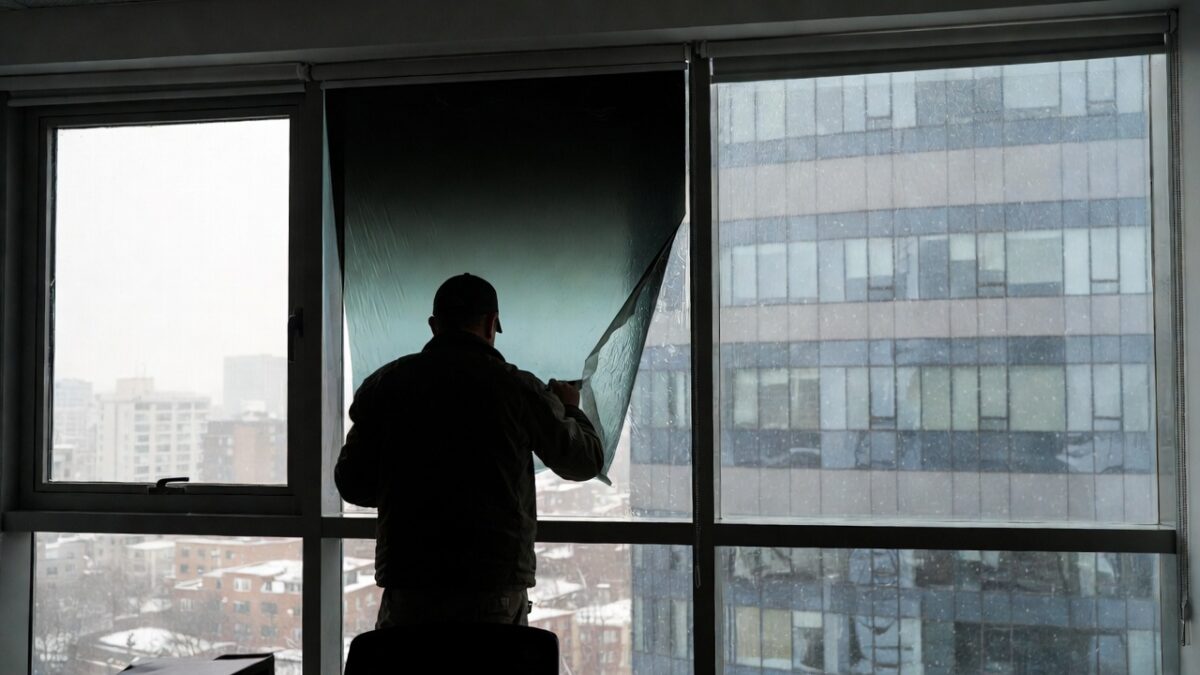

Window tinting involves applying a thin film to the inside of your windows. This film is designed to reflect or absorb a portion of the sun’s rays. While its primary purpose is often to reduce heat and glare from the sun, it also serves as an insulator during colder months. The technology behind window tinting has advanced significantly, incorporating materials that are specifically designed to enhance thermal performance and UV protection. By understanding these properties, homeowners can make informed decisions about the type of window tint that best suits their needs.
In addition to its functional benefits, window tinting also contributes to the aesthetic value of your home. Many homeowners appreciate the sleek, polished look that tinted windows can provide, which can be a subtle yet impactful way to enhance curb appeal. Furthermore, the choice of tint can range from nearly invisible to darker shades, offering a customizable approach to privacy and style. With such versatility, window tinting is an attractive option for those looking to balance form and function.
Benefits of Window Tinting
There are several benefits to window tinting, making it a worthwhile investment for any homeowner:
- Energy Efficiency: Window tinting helps reduce heat loss through windows, which can account for a significant portion of your home’s energy consumption. By minimizing heat loss, window tinting can lower your heating bills in the winter. This is particularly beneficial in older homes where window insulation may not be as effective. Over time, the savings on energy costs can offset the initial investment in window tinting.
- Increased Comfort: Window films help maintain a consistent indoor temperature by reducing cold drafts and hotspots. This means your home will feel more comfortable, regardless of the weather outside. The ability to stabilize indoor temperatures can also enhance the performance of your HVAC system, preventing it from overworking during extreme weather conditions. As a result, you enjoy a more comfortable living environment with less strain on your heating and cooling systems.
- UV Protection: Window tints block up to 99% of harmful UV rays. This protection helps prevent fading of your furniture, flooring, and other interior elements, extending their lifespan. UV rays can cause significant damage over time, leading to costly repairs or replacements. By investing in window tinting, you’re not only protecting your belongings but also preserving the beauty and value of your home.
- Enhanced Privacy: Privacy window film allows you to enjoy natural light without compromising your privacy. It obstructs the view from outside, providing peace of mind. This can be particularly beneficial in urban settings or neighborhoods with close proximity to neighbors. Privacy films come in various styles, allowing you to tailor the level of opacity to your personal preferences.
- Aesthetic Appeal: Tinted windows can add a sleek, modern look to your home, enhancing its overall aesthetic. Whether you prefer a subtle tint or a more dramatic look, window films offer a range of options to suit your taste. This added visual appeal can also increase the marketability of your home if you decide to sell in the future.
How Window Tinting Works to Keep Out the Cold

Window tinting is an effective insulator, which makes it a valuable addition during the colder months. Here’s how it works:
Insulating Properties
The film acts as a barrier that reduces heat transfer. During winter, it keeps the warm air inside your home from escaping through the windows. This added layer of insulation means that your heating system doesn’t have to work as hard to maintain a comfortable indoor temperature. In essence, window tinting enhances the thermal efficiency of your home, contributing to a more sustainable living environment.
Moreover, the insulating properties of window tinting are not limited to just heat retention. They also help in minimizing noise pollution, creating a quieter indoor environment. This can be particularly beneficial for homes located near busy streets or in noisy neighborhoods. By dampening external sounds, window tinting contributes to a more peaceful and serene home atmosphere.
Reflective Technology
Many window films are designed with reflective technology. This means they reflect the cold back outside, further reducing heat loss. By keeping the cold air out, window tinting ensures that your home remains warm and cozy. Reflective films are engineered to balance light transmission, allowing ample natural light while maintaining thermal control.
Reflective technology is also advantageous in reducing glare, which can be a nuisance during bright winter days when sunlight reflects off snow or ice. By minimizing glare, window tinting enhances indoor visibility and comfort, making activities such as reading or watching television more enjoyable. Additionally, this technology contributes to a healthier indoor environment by allowing natural light to enter without the associated discomfort of excessive brightness.
Condensation Reduction
Condensation on windows is a common issue in winter. It can lead to mold growth and damage to window frames. Window tinting reduces condensation by maintaining a more consistent temperature on the window surface, minimizing this risk. By preventing moisture buildup, window films help preserve the structural integrity of your windows and reduce the need for frequent maintenance.
Additionally, reducing condensation contributes to improved indoor air quality. Excess moisture can create a breeding ground for mold and mildew, which can have adverse health effects. By minimizing condensation, window tinting supports a healthier living environment, particularly for individuals with respiratory sensitivities or allergies.
Choosing the Right Window Tint
Not all window films are created equal. To maximize the benefits, it’s important to choose the right type of film for your needs.
Types of Window Films
- Ceramic Window Film: Offers excellent heat reduction and clarity. It is highly effective in blocking UV rays without compromising visibility. Ceramic films are known for their durability and resistance to fading, making them a long-lasting option for homeowners seeking both performance and aesthetics.
- Metalized Window Film: Known for its durability and ability to block heat and glare. It gives windows a mirrored appearance from the outside. This type of film is particularly effective in areas with intense sunlight, as it reflects a significant portion of solar energy. However, its reflective nature may not be suitable for all architectural styles, so aesthetic preferences should be considered.
- Dyed Window Film: Provides good heat reduction and privacy. It is an economical option for those looking to improve energy efficiency. Dyed films absorb solar heat, preventing it from entering your home, while also providing a degree of privacy by darkening the windows. While they may not offer the same level of UV protection as ceramic or metalized films, they remain a popular choice for budget-conscious homeowners.
Professional Installation
For the best results, it’s advisable to have window tinting professionally installed. A skilled technician will ensure that the film is applied smoothly, without bubbles or imperfections. Professional installation also comes with warranties, giving you peace of mind. An expert installer can also provide valuable advice on the most suitable film for your specific windows and climate, ensuring optimal performance.
Additionally, professional installation often involves a consultation process, where the installer assesses your needs and preferences, offering tailored solutions. This personalized approach ensures that you receive the maximum benefits from your window tinting investment, enhancing both comfort and energy efficiency in your home.
Real-Life Applications

by truth lee (https://unsplash.com/@soeasily)
Interior designers can greatly benefit from incorporating window tinting into their projects. Not only does it enhance the aesthetic appeal of a space, but it also aligns with the growing trend of sustainable and eco-friendly home solutions. By integrating window tinting, designers can create environments that are both visually pleasing and functionally superior, meeting the demands of modern homeowners who prioritize sustainability.
Case Study: Eco-Friendly Home Design
Consider a client who wants an eco-friendly home. By choosing window tinting, an interior designer can offer a solution that reduces energy consumption and complements the home’s design. The result is a stylish, comfortable living space that meets the client’s sustainability goals. Window tinting can be seamlessly integrated into various design styles, from contemporary to traditional, offering a versatile solution that enhances both form and function.
Furthermore, in eco-conscious home designs, window tinting can be paired with other energy-efficient features, such as solar panels and energy-saving appliances, to create a comprehensive approach to sustainability. This holistic design strategy not only reduces the home’s carbon footprint but also increases its market value, appealing to environmentally-minded buyers.
Enhancing Client Satisfaction
By presenting window tinting as a cost-effective solution that improves comfort and energy efficiency, interior designers can increase client satisfaction. Clients will appreciate the reduction in their energy bills and the added comfort during both summer and winter. Moreover, the ability to customize the tinting to suit specific privacy and aesthetic preferences allows designers to meet diverse client needs effectively.
In addition to energy savings, clients benefit from the long-term preservation of their interior furnishings, thanks to the UV protection offered by window films. This added value can significantly enhance customer satisfaction, as clients see tangible benefits in their everyday living environment. By incorporating window tinting into their design toolkit, interior designers can offer innovative and practical solutions that cater to modern lifestyle demands.
Conclusion
Window tinting is more than just a way to beat the summer heat. Its insulating properties make it an effective solution for keeping out the cold during winter, leading to energy savings and increased comfort. By choosing the right type of window film and opting for professional installation, homeowners can enjoy these benefits for years to come. Whether you’re an interior designer looking for innovative solutions or a homeowner seeking to enhance your living space, window tinting offers a versatile and valuable option.
Embrace the benefits of window tinting and transform your home into a haven of comfort and efficiency. As awareness of sustainable living continues to grow, incorporating window tinting into your home improvement plans can contribute to a more environmentally friendly lifestyle. With its ability to enhance both comfort and aesthetic appeal, window tinting stands out as a smart investment for any property owner looking to optimize their living environment year-round.