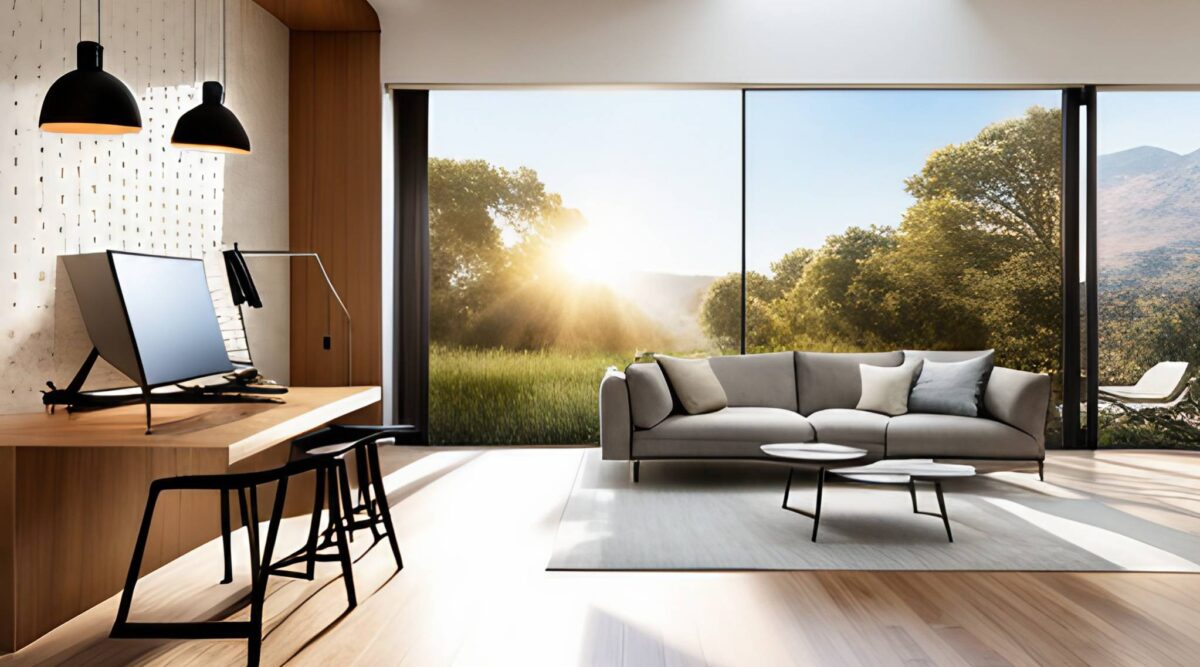
As an interior designer, finding cost-effective solutions that enhance the aesthetics of a home while improving energy efficiency can sometimes be challenging. One such solution that ticks all these boxes is household window tinting. This article delves into the world of window tinting, exploring its benefits, various types, and how it can be an excellent choice for your clients.

Household window tint is a thin film applied to the interior or exterior of glass surfaces in homes. This film is typically made from polyester and is designed to improve the performance and look of the windows. Whether your goal is to increase privacy, reduce glare, or enhance energy efficiency, window tinting can be tailored to meet the specific needs of your clients.
The Benefits of Window Tinting
The benefits of window tinting extend beyond mere aesthetics. Here’s how it can transform a living space:
Energy Efficiency
One of the most significant advantages of window tinting is its ability to make homes more energy-efficient. The film reduces the amount of heat that passes through the windows, keeping homes cooler in the summer and warmer in the winter. This means less reliance on air conditioning and heating systems, leading to lower energy bills.
Enhanced Privacy
Privacy window films are a fantastic option for clients who want to maintain their privacy without sacrificing natural light. These films allow light to enter while obscuring the view from the outside, making them perfect for street-facing windows or bathrooms.
UV Protection

Household window tints can block up to 99% of harmful ultraviolet rays. This protection helps preserve the color and condition of furniture, carpets, and artwork, preventing them from fading over time.
Improved Safety and Security
Window tinting can also provide an added layer of safety and security. In the event of a window break, the film helps hold the glass together, reducing the risk of injury from flying shards and making it more difficult for potential intruders to enter.
Glare Reduction
For clients who enjoy watching TV or working on a computer near a window, glare can be a significant issue. Window tinting effectively reduces glare, ensuring a more comfortable viewing experience.
Types of Window Tinting Film
Understanding the different types of window tinting films will help you choose the best option for your clients. Here are some popular varieties:
Dyed Window Film
This type of film is primarily used for appearance and privacy. It contains a layer of dye that absorbs solar heat, keeping interiors cooler. While it’s effective in reducing glare and providing privacy, it doesn’t offer as much heat reduction as other films.
Metalized Film
Metalized films contain tiny metallic particles that reflect heat and light. They are highly effective in improving energy efficiency and blocking UV rays. However, they may interfere with electronic devices and have a shiny appearance that might not suit all design preferences.
Ceramic Film
Ceramic films are a top-tier option, offering excellent heat reduction, glare control, and UV protection without the use of metals. They are highly durable and clear, preserving the natural look of windows.
Hybrid Film
Hybrid films combine dyed and metalized films to deliver a balance of benefits. They provide good heat and UV protection while maintaining an attractive appearance without the potential interference issues of metalized films.
Installation and Maintenance

by william f. santos (https://unsplash.com/@youwwwill)
Proper installation is crucial to the performance and longevity of window tints. It is advisable to hire a professional installer who can ensure a seamless application without bubbles or wrinkles. Most films come with a warranty, offering peace of mind and protection for your investment.
Maintenance of window tinting is straightforward. It involves regular cleaning with non-abrasive, ammonia-free cleaners and a soft cloth to keep the film in pristine condition.
Tailoring Solutions for Clients
As an interior designer, your goal is to offer solutions that align with the unique needs and preferences of each client. Window tinting provides a versatile and customizable option that can be tailored to meet a variety of design and functional requirements. Here are a few scenarios where window tinting can be particularly beneficial:
Urban Living
For clients living in bustling urban environments, privacy window films can provide the seclusion they need without compromising on natural light. This makes them ideal for city apartments and townhouses.
Eco-Conscious Clients
For those who prioritize sustainability, recommending energy-efficient window films can help reduce their carbon footprint and lower energy consumption, aligning with their values and lifestyle.
Luxury Homes
In luxury settings, ceramic films can offer the perfect blend of performance and aesthetics, maintaining the elegance of the home while enhancing comfort and efficiency.
The Final Takeaway
Household window tinting is more than just a trend; it’s a practical solution that enhances both the function and style of a home. By offering your clients this innovative option, you can help them achieve their design goals while adding value to their property.
Whether your clients are looking to improve energy efficiency, increase privacy, or simply elevate the look of their home, window tinting provides a versatile and effective solution. As a trusted interior designer, understanding and incorporating this option into your offerings can set you apart and ensure client satisfaction.
Incorporate household window tint into your design toolkit today and discover the difference it can make in creating beautiful, comfortable, and efficient living spaces.