When it comes to enhancing your home’s aesthetics and energy efficiency, residential window tinting stands out as a smart choice. Not only does window tint add a layer of style to your home, but it also offers practical benefits such as reducing energy costs and protecting furniture from sun damage. In this article, we’ll explore the various ways you can use residential window tinting to elevate your living space and make the most out of your investment.

Residential window tinting involves applying a thin film to the interior or exterior of your windows. This film is designed to block out certain levels of sunlight, depending on your specific needs and preferences. Whether you’re looking to improve privacy, enhance safety, or simply add a touch of elegance to your home, there’s a window tint solution for you.
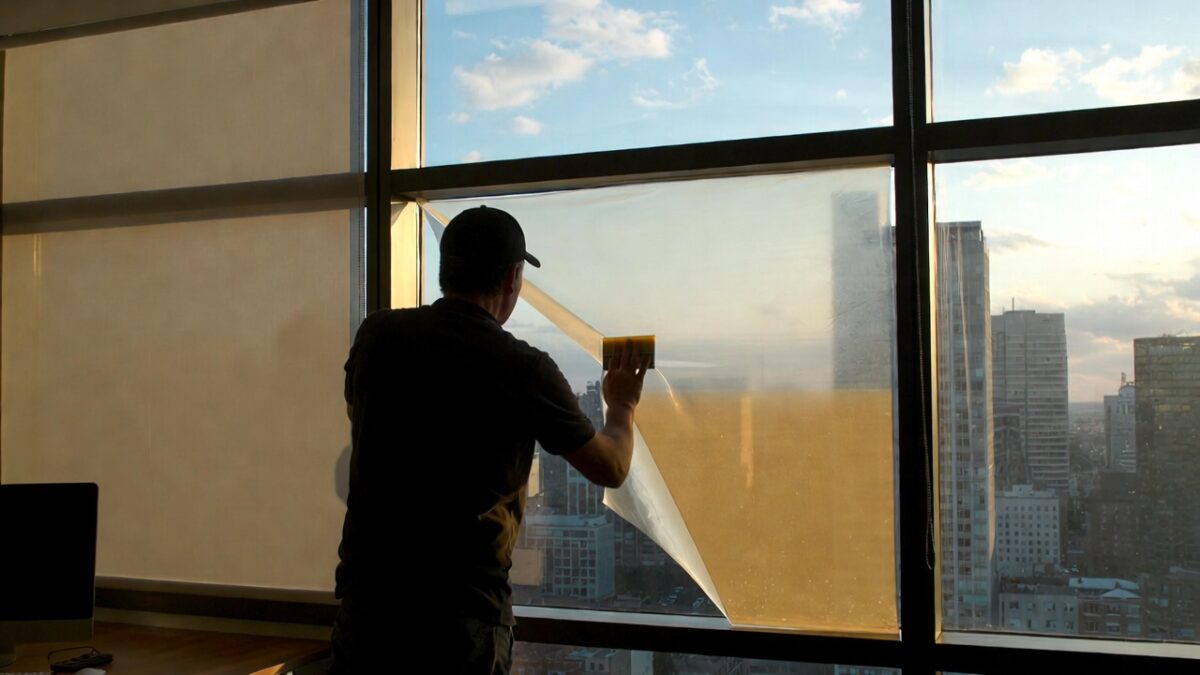
The application process is straightforward yet requires a keen eye for detail to ensure a flawless finish. Window films come in various types, each offering unique benefits tailored to different needs. The key to effective window tinting is selecting the right film type that aligns with your goals, whether that’s reducing glare or adding an aesthetic touch. Proper installation is crucial, as it affects the film’s longevity and performance.
Benefits of Residential Window Tint
- Energy Efficiency: One of the most significant benefits of window tinting is its ability to reduce energy consumption. By blocking out heat from the sun, window tinting helps keep your home cooler in the summer and warmer in the winter, reducing the need for heating and cooling systems and ultimately lowering your energy bills. This energy-saving feature not only benefits your wallet but also contributes to a greener environment by reducing your carbon footprint.
- UV Protection: Prolonged exposure to ultraviolet (UV) rays can cause damage to your skin and fade your furniture and flooring. Window tinting can block up to 99% of harmful UV rays, preserving the beauty of your home’s interior and protecting your family. This protection extends the life of your interior furnishings and flooring, making it a wise investment for maintaining your home’s value over time.
- Increased Privacy: Window tints offer an added layer of privacy by preventing outsiders from easily peering into your home. This is particularly useful for ground-floor windows or homes situated close to neighbors. Enhanced privacy doesn’t just deter prying eyes; it also adds a sense of security, allowing you to enjoy your living space without feeling exposed.
- Enhanced Security: Certain types of window films are designed to hold glass together in case of breakage, providing an extra level of security against break-ins and natural disasters. This feature can be particularly beneficial in areas prone to severe weather conditions, offering peace of mind that your home is better protected against unforeseen events.
- Aesthetic Appeal: With various styles and shades available, window tinting can complement any home design, adding a sleek and modern look to your windows. From subtle hues to bold designs, the aesthetic options are vast, allowing you to personalize your home’s appearance while reaping the functional benefits of window tinting.
Choosing the Right Window Tint for Your Home

When selecting window tint, consider the following factors to ensure you choose the best option for your home:
Purpose and Functionality
- Privacy Needs: If privacy is your primary concern, opt for a tint with a darker shade or a reflective finish. Darker tints are particularly effective in urban areas where buildings are closely packed, ensuring your home remains a private sanctuary.
- Energy Savings: For maximum energy efficiency, select a film with a high heat rejection rate. Films designed for energy savings often incorporate advanced technology to reflect solar energy, making them ideal for homes in sunny climates.
- Aesthetic Goals: Choose a tint that complements your home’s architectural style and interior design. A well-chosen tint can accentuate design features, adding cohesion to your overall home decor scheme.
Types of Window Films
- Solar Control Films: These are designed to reduce heat and glare while providing UV protection. They are ideal for homes with large windows or sunrooms, where excessive sunlight can be a problem.
- Decorative Films: Available in various patterns and colors, decorative films are perfect for adding a unique touch to your windows. They can transform ordinary glass into a design feature, offering both style and functionality.
- Security Films: These films are thicker and provide additional protection by holding the glass together in case of breakage. They are a smart choice for enhancing home security without compromising on aesthetic appeal.
Professional Installation vs. DIY
While DIY window tint kits are available, professional installation is recommended for the best results. A professional installer will ensure that the film is applied smoothly and without bubbles, providing a long-lasting and effective solution. Professionals can also advise on the best type of film for your specific needs, ensuring you achieve your desired outcome.
Attempting a DIY installation may seem cost-effective, but it can lead to mistakes that compromise the film’s effectiveness and appearance. Professionals have the tools and expertise to handle large or irregularly shaped windows, ensuring a perfect fit and finish.
Smart Ways to Use Residential Window Tinting

by Linh Pham (https://unsplash.com/@linlin411)
Enhancing Home Aesthetics
Window tinting can significantly enhance the look of your home. Here are a few ideas to inspire you:
- Frosted Films for Bathrooms: Add privacy and elegance to your bathrooms with frosted window films. They provide a modern look while ensuring your privacy is maintained. Frosted films can also be customized with patterns or designs, adding a personal touch to your bathroom decor.
- Patterned Films for Living Areas: Use decorative films with patterns to create a focal point in living rooms or dining areas. They can mimic the look of etched glass at a fraction of the cost. These films can be an excellent way to introduce texture and interest to spaces that may otherwise be overlooked.
- Colored Tints for a Unique Look: Consider colored tints to add a splash of personality to your home. They work well in playrooms or creative spaces. Colored tints can also be used to filter the light entering a room, creating a specific ambiance or mood that complements your interior design.
Improving Energy Efficiency
To maximize energy savings, apply solar control films to large windows or those that receive direct sunlight. This will help maintain a comfortable indoor temperature year-round and reduce reliance on heating and cooling systems. Over time, the savings on energy costs can offset the initial investment in window tinting.
Window films are particularly beneficial in homes with expansive glass areas, such as sunrooms or conservatories, where controlling temperature and glare is crucial for comfort. By reducing the amount of heat that enters your home, these films can significantly decrease your energy consumption, leading to lower utility bills.
Increasing Home Security
For added security, particularly in areas prone to natural disasters or break-ins, install security films on ground-floor windows and entry points. The added layer of protection can provide peace of mind and deter potential intruders. Security films not only prevent easy shattering but also make it harder for burglars to gain quick access, enhancing your home’s overall safety.
These films are especially valuable in storm-prone regions where wind-borne debris poses a threat to glass windows. By reinforcing the glass, security films can reduce the risk of injury and property damage during extreme weather events.
Protecting Interior Furnishings
Preserve your home’s interior by applying UV-blocking films to windows that receive direct sunlight. This will prevent fading and extend the life of your furniture, carpets, and artwork. By filtering out harmful UV rays, these films help maintain the vibrant colors and integrity of your interior spaces.
In addition to preserving your furniture, UV-blocking films can also protect your health by reducing the risk of skin damage from prolonged sun exposure indoors. This added benefit makes them a worthwhile consideration for rooms where you and your family spend a lot of time.
Final Thoughts
Residential window tinting is a versatile and valuable home improvement solution. Whether you’re looking to improve energy efficiency, enhance privacy, or add a touch of style to your home, window tinting offers a range of benefits that make it a worthwhile investment.
By understanding the different types of window films and selecting the right option for your needs, you can transform your living space into a comfortable, stylish, and secure environment. Consider consulting a professional installer to ensure the best results and enjoy the many advantages that residential window tinting has to offer.
Invest in residential window tinting today, and experience the difference it can make in your home. Embrace the opportunity to enhance your living space’s functionality and aesthetics, while enjoying the peace of mind that comes with increased security and energy savings. With the right window tint, your home can become a more private, comfortable, and visually appealing haven for you and your family.