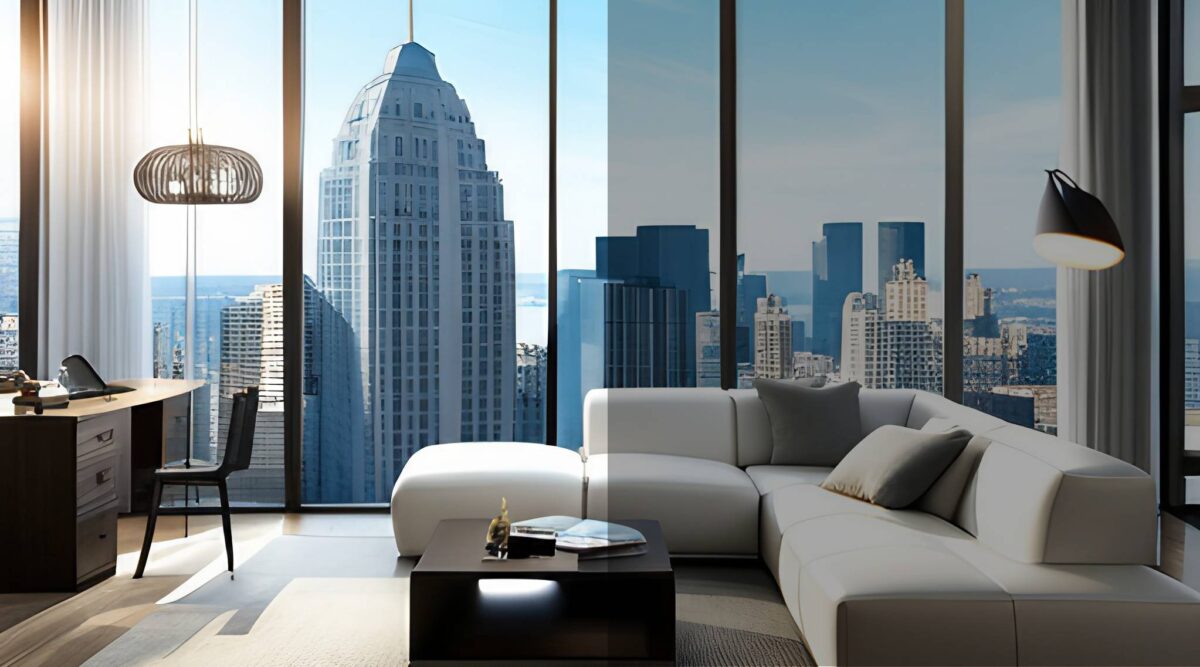
Categories
Window Films and Tinting Toronto

Before You Buy Cost Of Commercial Window Tinting

When considering ways to enhance the aesthetics and energy efficiency of a commercial space, window tinting is a compelling option. Not only does it offer privacy and reduce glare, but it also contributes to energy savings, making it a smart investment for any business. Window tinting can transform a stark, ordinary building facade into a sleek and modern-looking structure, adding to the overall value and appeal of the property. However, understanding the cost of commercial window tinting can be a bit complex. This guide will help you navigate the factors that influence pricing and what you should know before making a purchase. By the end, you’ll be equipped to make a well-informed decision that aligns with your business goals and budget.

Modern commercial building with tinted windows

Commercial window tinting involves applying a thin film to the interior or exterior of windows. This film can be made from a variety of materials and offers multiple benefits, such as reducing heat and glare, increasing privacy, and enhancing the overall appearance of a building. The process involves careful selection and application of the film to ensure optimal performance, requiring skilled professionals to avoid common pitfalls like bubbling or peeling. Window tinting can be tailored to meet specific needs, whether you’re looking to reduce energy consumption, improve security, or simply give your building a facelift.

Benefits of Window Tinting

  1. Energy Efficiency: By reducing the amount of heat entering a building, window tinting can significantly lower cooling costs. This reduction in energy use not only cuts down on utility bills but also supports environmental sustainability by reducing the carbon footprint of the building. In regions with extreme temperatures, the savings on air conditioning can be substantial, sometimes leading to a return on investment within just a few years.
  2. UV Protection: Tinted windows block harmful UV rays, protecting both people and furnishings inside the building. Prolonged exposure to UV rays can cause skin damage and fade furnishings, artwork, and flooring. By minimizing UV exposure, window tinting helps preserve the interior of your building, extending the life of your furnishings and maintaining the vibrant colors of decor elements.
  3. Privacy and Security: Tinted films can enhance privacy by preventing outsiders from seeing inside, while also strengthening the glass. This added layer of security can deter potential break-ins, as the film holds shattered glass together, making it more difficult for intruders to gain entry. Privacy tinting is especially beneficial for businesses that handle sensitive information or require a confidential environment for their clients.
  4. Glare Reduction: This makes workspaces more comfortable and productive by reducing eye strain. Glare on screens can be a significant distraction, leading to decreased productivity and increased discomfort for employees. By minimizing glare, window tinting creates a more conducive work environment, allowing employees to focus better and maintain higher levels of efficiency throughout the day.

Factors Influencing the Cost of Commercial Window Tinting

Several factors affect the cost of window tinting for commercial spaces. Understanding these can help you make an informed decision. Each factor plays a critical role in determining the overall expense, and it’s essential to weigh these considerations against the benefits they offer.

Type of Film

The type of film you choose is one of the main cost determinants. Films can be made from materials such as dyed, metalized, carbon, or ceramic. Each type has its pros and cons, and prices can vary significantly.

  • Dyed Films: These are usually the most affordable but may not last as long. They offer basic heat and glare reduction but might fade over time, which can affect the visual appeal of your building. Despite their lower cost, dyed films might require more frequent replacement, which could increase long-term expenses.
  • Metalized Films: Offer better heat reduction but can interfere with phone and GPS signals. They consist of tiny metal particles that reflect heat and light, providing excellent insulation. However, the metallic content can disrupt electronic signals, which might be a concern for businesses heavily reliant on wireless communications.
  • Ceramic Films: These are often the most expensive but provide superior performance without signal interference. They use advanced technology to block heat and UV rays effectively, maintaining clear visibility without the reflectivity issues associated with metalized films. The durability and performance of ceramic films often justify their higher price, especially for businesses seeking long-term solutions.

Size and Number of Windows

Large office windows with tinted film

The size and number of windows you need to tint directly affect the cost. Larger windows or a higher number of windows will increase both material and labor costs. Additionally, unique window shapes or oversized panels may require custom solutions, further impacting the price. It’s crucial to measure and assess your windows accurately to get a precise estimate and avoid unexpected costs.

Installation Complexity

If your building has windows that are difficult to access or require special installation techniques, this can also increase the cost. For instance, high-rise buildings may require special equipment and safety measures. The complexity of the installation can also be influenced by the window shape, existing window treatments, and any structural challenges. Investing in a professional installer with experience in handling complex projects can ensure a seamless application and long-lasting results.

Quality of Installation

Quality should not be compromised when it comes to installation. Professional installation ensures that the film is applied smoothly and lasts longer, which might add to the initial cost but saves money in the long run through durability and performance. A skilled installer will also provide a warranty or guarantee, offering peace of mind that any issues will be addressed promptly. Poor installation can lead to bubbles, peeling, and reduced effectiveness, ultimately negating the benefits of your investment.

Average Costs of Commercial Window Tinting

While costs can vary widely, here are some average estimates to help guide your budgeting:

  • Basic Films: $5 to $7 per square foot. These films offer essential benefits like glare reduction and basic UV protection, suitable for businesses with tight budgets or those looking for a temporary solution.
  • High-Performance Films: $7 to $10 per square foot. These films provide enhanced benefits, including better heat rejection and durability, making them ideal for businesses seeking a balance between cost and performance.
  • Specialty Films: $10 to $15 per square foot. Specialty films, such as those offering decorative or privacy features, are tailored to specific needs and often include advanced technology for maximum efficiency and aesthetics.

These costs typically include both the film and professional installation. It’s important to get multiple quotes and compare offerings to ensure you’re getting the best value for your money.

How to Choose the Right Window Tinting Solution

To select the best window tinting solution for your commercial space, consider the following:

Determine Your Priorities

Are you more concerned with reducing energy costs, enhancing privacy, or improving aesthetics? Different films offer different benefits, and identifying your priorities will help narrow down your options. Understanding your specific needs will allow you to focus on the features that matter most to your business, ensuring you choose a solution that aligns with your strategic goals.

Consider Longevity and Maintenance

While some films may be cheaper initially, they might not last as long. Consider the lifespan of the film and any maintenance it might require. A film that requires frequent maintenance or has a shorter lifespan might incur additional costs over time, negating any initial savings. Investing in a higher-quality film may offer better durability and require less upkeep, providing better long-term value.

Seek Professional Advice

Consulting with a professional installer can provide valuable insights. They can assess your specific needs, recommend the best type of film, and provide an accurate cost estimate. A professional can also help you navigate the complexities of local regulations and building codes, ensuring compliance and avoiding potential legal issues. Their expertise can guide you in making a decision that maximizes both performance and cost-efficiency.

Real-Life Example: The Office Building Transformation

Office building with energy-efficient tinted windows

by Felix Lemke (https://unsplash.com/@felix_lemke)

Consider an office building that decided to invest in high-quality ceramic window tinting. The initial cost was higher compared to other options, but the building saw a 30% reduction in energy bills within the first year. Additionally, employee productivity increased due to reduced glare and more comfortable working conditions. This case highlights how investing in quality can lead to significant long-term savings and benefits. The enhanced comfort and aesthetics also improved the building’s marketability, attracting more tenants and increasing its rental value.

Conclusion: Making an Informed Decision

Understanding the cost of commercial window tinting involves considering various factors including the type of film, size of windows, and installation complexity. By prioritizing your needs and consulting with professionals, you can choose a solution that offers the best value for your investment. Remember, while initial costs are important, the long-term benefits of energy savings, enhanced aesthetics, and improved comfort can far outweigh the upfront expense.

Choosing the right commercial window tinting can transform your business space into a more efficient, secure, and appealing environment. Whether you’re an interior designer looking for stylish solutions or a business owner aiming to cut energy costs, window tinting is an option worth considering. By taking the time to research and plan, you can ensure that your investment not only meets immediate needs but also contributes to the future success and sustainability of your business.

Categories
Window Films and Tinting Toronto

Trends in Comparison Of Window Tint Film

Modern home with tinted windows

Over the years, window tinting has evolved from a niche market into a mainstream home improvement solution. This surge in popularity can be attributed to a combination of factors, including growing environmental awareness, advances in technology, and a heightened focus on home aesthetics. As more people become aware of the benefits that window tinting can bring, its adoption has extended beyond residential settings to commercial spaces as well. Businesses are beginning to recognize that window tinting can enhance the comfort and energy efficiency of their buildings, making it a worthwhile investment.

Environmental Impact and Energy Efficiency

Today’s homeowners are more conscious than ever about their carbon footprint. Window tint films play a significant role in reducing energy consumption by minimizing heat gain in the summer and heat loss in the winter. This results in lower energy bills and a reduced environmental impact, making it an attractive option for eco-conscious clients. Furthermore, as governments and organizations push for greener building practices, window tinting becomes an essential component of energy-efficient home designs. Not only does it contribute to a reduction in the reliance on heating and cooling systems, but it also supports the broader goals of sustainable architecture.

Aesthetic Appeal and Privacy

Window tints offer a sleek, modern look that can significantly enhance the aesthetic appeal of a home. Available in a variety of shades and finishes, they provide an added layer of privacy without sacrificing style. Whether your client desires a reflective finish for a contemporary feel or a frosted look for a classic touch, there’s a window tint film to match any design preference. Moreover, window tints allow homeowners to enjoy natural light without compromising on privacy, creating a serene and comfortable living environment. The ability to tailor the level of opacity and color ensures that each space can have its unique ambiance, aligning with the personal tastes and preferences of the occupants.

Key Trends in Window Tint Film

Different types of window tint films

As the market for window tint films continues to grow, several key trends have emerged. These trends not only reflect technological advancements but also align with changing consumer preferences. As interior design evolves, window tint films have become a vital tool for designers looking to balance functionality with creativity. Keeping abreast of these trends allows designers to offer forward-thinking solutions that meet the diverse needs of their clients.

Smart Window Films

One of the most exciting developments in window tinting technology is the advent of smart window films. These films can change their opacity with the touch of a button or through an app, providing on-demand privacy and shading. For clients who value both convenience and innovation, smart films offer a cutting-edge solution. These films are ideal for modern smart homes, seamlessly integrating with other automated systems to enhance overall home management. This technology not only improves comfort but also provides energy-saving opportunities by optimizing natural light and temperature control.

Decorative Films

Gone are the days when window tints were limited to plain black or gray. Decorative films are now available in a myriad of patterns and colors, allowing designers to add a unique flair to any space. From geometric designs to floral motifs, decorative films can serve as a statement piece or complement existing interior decor. They offer the flexibility to transform ordinary windows into works of art, adding a layer of personality and character to any room. These films are particularly popular in commercial spaces, where branding and design cohesion are vital, offering businesses a way to enhance their corporate identity.

Anti-Glare and UV Protection

As more people work from home, reducing screen glare has become a priority. Anti-glare window films provide a practical solution by minimizing reflections on screens and surfaces. Additionally, these films offer protection against harmful UV rays, preserving the longevity of furnishings and protecting skin health. The dual benefits of comfort and protection make these films a valuable addition to any home office or living space. They also help to maintain the quality and color of interior fabrics and finishes, preventing fading and wear that can occur over time due to sun exposure.

Security and Safety Films

For clients concerned about safety, security window films offer peace of mind. These films are designed to hold glass together in the event of an impact, reducing the risk of injury from shattered glass. This added layer of protection makes them an ideal choice for homes in areas prone to storms or for families with young children. Security films are also beneficial for commercial properties, where the risk of break-ins or vandalism is a concern. By reinforcing glass windows and doors, these films can deter potential intruders and provide an extra level of security for valuable assets.

Comparing Window Tint Film Options

Comparison chart of window tint films

by Yue WU (https://unsplash.com/@samuelwu)

When selecting window tint films for your clients, it’s essential to consider various factors, including performance, aesthetics, and cost. Here’s a comparison of some popular options. Each type of film offers distinct advantages and potential drawbacks, making it crucial to align the selection with the specific goals and challenges of the project at hand.

Dyed Window Films

Dyed films are a cost-effective choice for those primarily interested in aesthetics and privacy. They offer a non-reflective finish and can be customized to various shades. However, they are less effective at blocking heat compared to other types of films. Despite this, their affordability and versatility make them a popular choice for residential applications where budget constraints are a significant consideration. They also provide a subtle enhancement to the window’s appearance, making them suitable for those who prefer a more understated look.

Metalized Window Films

Metalized films contain tiny metallic particles that reflect heat and UV rays. They are highly effective at reducing heat gain and offer excellent glare reduction. However, their reflective appearance may not suit all design aesthetics. These films are particularly beneficial in climates with intense sunlight, where heat control is a priority. While they may not blend seamlessly with all architectural styles, they offer unmatched performance in energy efficiency, making them a worthy consideration for specific projects.

Ceramic Window Films

Ceramic films are a premium option that combines the benefits of metalized and dyed films without the downsides. They offer excellent heat rejection and UV protection while maintaining a clear, non-reflective appearance. This makes them an ideal choice for clients seeking high performance without compromising on style. Known for their durability and superior clarity, ceramic films are often favored in high-end residential and commercial projects where quality and longevity are paramount. Their subtle elegance also ensures they complement a wide range of design aesthetics.

Hybrid Films

Hybrid films combine features from dyed and metalized films, offering a balance between cost and performance. They provide good heat rejection and a moderate level of privacy, making them a versatile choice for various applications. This adaptability makes hybrid films particularly appealing for projects where both aesthetic and functional needs must be met without exceeding budget constraints. By offering a middle ground, these films allow clients to enjoy the benefits of advanced tinting technology without the premium price tag associated with more specialized films.

Installation Considerations

When advising clients on window tint film installations, it’s crucial to consider the specific needs of their space. Factors such as window orientation, local climate, and personal preferences will influence the choice of film. Understanding these variables ensures that the selected film not only meets aesthetic goals but also delivers optimal performance in terms of energy efficiency and comfort.

Professional Installation vs. DIY

While DIY window tint kits are available, professional installation is recommended for optimal results. A skilled installer will ensure that the film is applied smoothly and without bubbles, providing a flawless finish that enhances the overall appearance of the space. Professional installation also guarantees that the film is correctly fitted to the specific dimensions and configurations of each window, maximizing its effectiveness. The expertise of a professional can prevent common pitfalls associated with DIY applications, such as improper alignment and air pockets, ensuring a long-lasting and visually appealing result.

Maintenance and Care

To prolong the life of window tint films, regular maintenance is essential. Clients should be advised to clean their tinted windows with a soft cloth and non-abrasive cleaner to prevent scratches and maintain clarity. Proper maintenance not only extends the life of the film but also preserves its aesthetic and functional qualities over time. By educating clients on the importance of gentle cleaning methods and regular upkeep, designers can help ensure that the benefits of window tint films are enjoyed for years to come.

Conclusion

Window tint films are a versatile and effective solution for enhancing both the function and appearance of a home. By staying informed about the latest trends and options, interior designers can provide their clients with innovative, eco-friendly solutions that align with their aesthetic and functional needs. These films not only offer immediate benefits in terms of comfort and style but also contribute to long-term energy savings and environmental sustainability.
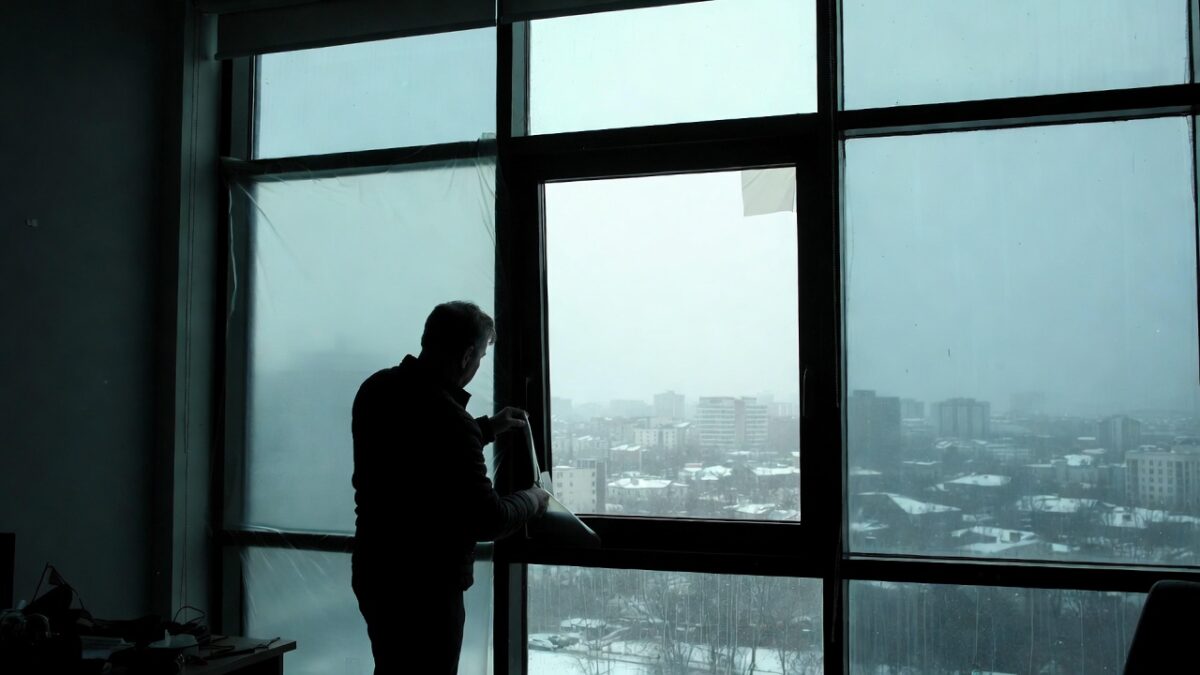
As you explore these options, remember that the right window tint film can transform a space, offering both style and substance. Embrace these trends to create beautiful, energy-efficient environments that your clients will love. By incorporating window tint films into your design toolkit, you can elevate your projects, providing spaces that are not only visually appealing but also highly functional and sustainable.

Categories
Window Films and Tinting Toronto

Privacy Window Film vs Blinds vs Curtains: How Window Films Solve Privacy Problems in Toronto Homes

Window films are one of the most searched home upgrades in Toronto and the GTA right now. People want privacy. They want daylight. They do not want to sit behind closed blinds all day. That is why more homeowners, condo owners, and small business owners compare window films vs blinds vs curtains before changing anything.

In Toronto, this problem shows up fast. Winter nights come early. Summer sun hits hard. Neighbours are close. Glass is everywhere. Blinds and curtains fix one issue but cause another. Window films sit right on the glass and work all day, without daily effort.

This article looks at window films, blinds, and curtains using real Toronto homes, condos, and storefronts. It keeps the focus on what actually works, not what sounds nice.

How Window Films Work in Real Homes

Window films are thin layers installed on the inside of glass. They do not replace windows. They change how light passes through and how much people can see inside.

Some window films blur views. Some frost glass. Some allow one-way visibility during the day. Many still let daylight in. That is why people choose them.

Window films are common in condos near Yonge Street, Queen West, Liberty Village, and along busy streets in Scarborough and Etobicoke. Buildings are closer now. Windows are larger. Privacy matters more.

If you want a clear starting point, this page explains window films in simple terms: Introduction to Window Films: Understanding the Basics

New local example: A ground-floor townhouse near Danforth added privacy window film to front-facing windows. Before film, blinds stayed shut most of the day. After film, blinds stayed open and the space felt larger. The owner said the room finally felt usable.

Window films are often used in:

  • Condo living rooms
  • Bathrooms
  • Front doors with glass
  • Office glass walls
  • Retail side windows

People often ask if window films make rooms dark. Most do not. Light still comes in. Views stop.

Privacy Window Films vs Blinds and Curtains

Blinds and curtains are familiar. Many homes already have them. They open. They close. They block views.

The problem is how often they need attention.

Blinds give privacy only when closed. Curtains do the same. When closed, rooms lose light. In downtown condos, many blinds stay shut all day. That makes bright units feel small.

Window films work without effort. You do not adjust them. You do not forget them. They stay on the glass.

For privacy-specific details, this page breaks down options clearly: What Are Window Films for Privacy?

Daily Use Comparison

  • Window films: Privacy all day
  • Blinds: Privacy only when closed
  • Curtains: Privacy only when closed
  • Window films: Daylight stays
  • Blinds: Light drops when tilted
  • Curtains: Light blocked when closed
  • Window films: Wipe glass
  • Blinds: Dust and repairs
  • Curtains: Wash and rehang

This is why many people switch to window films after living behind blinds too long.

Seasonal Problems in Toronto Homes

Toronto weather plays a big role.

Winter brings early darkness. Interior lights turn windows into mirrors. Homes feel exposed by 5 pm. Window films reduce visibility without shutting blinds early.

Summer brings glare and heat. Blinds block light but trap heat. Curtains do the same. Many window films reduce glare and help keep rooms usable during the day.

New case study: A small office near North York Centre installed light privacy window film on glass meeting rooms. Staff complained about glare during afternoon meetings. After install, glare dropped and meetings stopped moving rooms.

For energy-related info tied to glass and heat, Natural Resources Canada explains how windows affect comfort: NRCan – Upgrading Windows

Cost Over Time

Blinds and curtains look cheaper at first. Over time, they add up.

Slats break. Cords snap. Fabric fades. Many people replace them every few years.

Window films cost more upfront. They last longer. Most residential films last 10 to 15 years when installed well.

If cost is a concern, this breakdown helps: How Much Does It Cost to Install Window Film?

Window films also avoid window replacement costs. That matters in condos and older homes.

This comparison explains why people choose films over replacements: Benefits of Choosing Window Films Over Replacements

Installation Makes or Breaks the Result

Bad installs ruin good window films. Bubbles. Dirt. Peeling edges. We see it every year after winter.

A professional window tinting service knows:

  • Glass types
  • Condo rules
  • Winter install limits
  • Proper cleaning steps

If you want to know what affects install quality, this guide helps: Key Considerations When Installing Window Films

For industry standards, the International Window Film Association provides neutral guidance: International Window Film Association – Before You Buy

Local Experience in Toronto Matters

Toronto homes are not the same. Glass thickness differs. Exposure differs. Condo rules differ.

That is why many people across the GTA work with Tintly Window Films. We install window films in homes, condos, offices, and storefronts every week. From Mississauga to Markham. From bathrooms to street-facing windows.

We have seen what lasts through winter and what fails after one season.

Which Option Works Best?

If you want privacy without closing your home off, window films usually work best.

Blinds and curtains still fit bedrooms and style-focused rooms. For everyday living in Toronto homes, window films solve more problems with less effort.

Quick Answers People Look For

Do window films make rooms dark?
Most window films keep daylight. Darkness depends on film type.

Do window films work at night?
Frosted films work day and night. One-way films work best during the day.

Are window films allowed in condos?
Most condos allow interior window films.

How long do window films last?
Most residential films last 10 to 15 years.

Are window films better than blinds?
For constant privacy with light, yes.

Categories
Window Films and Tinting Toronto

What Makes Great Comparison Of Business Window Tinting

Different types of window films available for businesses

Business window films are thin layers of material applied to the interior or exterior of glass surfaces in commercial buildings. They come in various types and can serve multiple purposes, including:

  • Reducing glare and heat
  • Enhancing privacy and security
  • Protecting interiors from UV damage
  • Adding aesthetic value

These films are versatile solutions that can be tailored to meet specific needs, offering flexibility in design and function. They are also increasingly popular due to their ability to address multiple issues simultaneously, making them an efficient choice for modern businesses looking to optimize their workspaces.

Types of Window Films

  1. Solar Control Films: These films reduce heat and glare, making them ideal for energy efficiency and comfort. By blocking a significant percentage of solar energy, they help maintain a consistent indoor temperature, reducing reliance on air conditioning systems. This not only cuts down energy costs but also contributes to a more sustainable business practice.
  2. Decorative Films: Available in a variety of patterns and designs, decorative films enhance the visual appeal of glass surfaces. They offer endless creative possibilities, allowing businesses to reinforce their brand identity and create a unique atmosphere. Whether it’s a sleek, modern look or a more traditional aesthetic, decorative films can transform ordinary glass into a striking design feature.
  3. Security Films: These films add a layer of protection by holding shattered glass together in case of breakage. They provide peace of mind by minimizing the risk of injury from flying glass shards and delaying forced entry attempts. Security films are particularly beneficial for businesses in areas with high crime rates or those storing valuable items.
  4. Anti-Graffiti Films: Protects glass surfaces from vandalism and can be easily replaced if damaged. This cost-effective solution allows businesses to maintain a clean and professional appearance without the need for expensive glass replacements. Anti-graffiti films are ideal for locations prone to vandalism, such as public-facing windows and transit stations.
  5. Privacy Films: Provides one-way visibility or complete opacity, enhancing privacy without compromising natural light. They are perfect for offices and meeting rooms where confidentiality is crucial. Privacy films also offer businesses the flexibility to change their level of transparency as needed, adapting to various operational requirements.

Key Factors in Comparing Window Tinting Options

Business window tinting options comparison chart

When comparing window tinting options for your business, several key factors should be considered to ensure you choose the right solution:

Energy Efficiency

One of the primary reasons businesses opt for window tinting is to improve energy efficiency. Solar control films can significantly reduce the amount of heat entering a building, which in turn reduces the need for air conditioning. When comparing options, look for films with high solar heat rejection rates and low emissivity. These characteristics ensure optimal performance in energy savings, potentially lowering operational costs and contributing to a greener business approach.

Additionally, the right window film can balance temperature disparities within a building, enhancing comfort for employees and customers alike. By mitigating hot spots and cold drafts, businesses can create a more consistent and pleasant indoor environment, which can lead to increased productivity and customer satisfaction.

Aesthetic Appeal

Decorative films offer the flexibility to enhance the appearance of a business space. Whether you want a frosted glass look or intricate patterns, decorative films can add a touch of elegance and professionalism. Consider the design options available and how they will complement the existing interior design. These films can be customized with logos or brand colors, making them an integral part of your business’s visual identity.

Moreover, decorative films are an excellent way to update the look of a space without the need for extensive renovations. They offer a quick, cost-effective solution to refresh interiors, allowing businesses to keep up with changing design trends and maintain a modern appearance.

Privacy and Security

For businesses that require added privacy or security, such as banks or medical offices, specialized films can be a worthwhile investment. Security films provide an extra layer of protection against break-ins, while privacy films ensure confidential environments. Evaluate the level of privacy or security required and choose films that meet those needs. These films can also serve as a deterrent to potential intruders, making them a smart choice for businesses looking to enhance their security posture.

Furthermore, privacy films can be strategically used to create private meeting areas or individual workspaces within open-plan offices, offering flexibility in designing functional layouts that cater to diverse operational needs.

UV Protection

Over time, UV rays can cause significant damage to interior furnishings, including fading of fabrics and flooring. Look for window films that offer high UV rejection rates to protect your interiors and extend the lifespan of your furnishings. By filtering out harmful UV rays, these films help preserve the vibrancy and integrity of your interior decor, ensuring that your space remains attractive and welcoming.

In addition to protecting furnishings, UV-blocking films also safeguard employees and customers from the harmful effects of prolonged UV exposure. This added health benefit can be a valuable asset for businesses committed to providing a safe and healthy environment.

Cost and Return on Investment

Cost is always a crucial consideration. While initial installation costs can vary, it’s important to consider the long-term savings on energy bills and potential increase in property value. Compare the cost-effectiveness of different film types and manufacturers to find the best value for your investment. Investing in quality films can lead to substantial savings over time, making them a financially sound choice for businesses of all sizes.

Moreover, by enhancing the overall appeal and functionality of your space, window tinting can contribute to an increase in property value. This added benefit can make it an attractive proposition for businesses looking to improve their assets’ marketability.

Benefits of Business Window Tinting

Energy Savings

By reducing the amount of heat that enters a building, window tinting can lower energy bills significantly. This is not only beneficial for your bottom line but also contributes to environmental sustainability by reducing your carbon footprint. As businesses strive to meet sustainability goals, investing in energy-efficient solutions like window tinting can be a proactive step towards a more eco-friendly operation.

Additionally, energy savings can be reinvested into other areas of the business, driving growth and innovation. By optimizing energy use, businesses can allocate resources more effectively, enhancing their competitive edge in the marketplace.

Enhanced Comfort

Tinted windows reduce glare, providing a more comfortable environment for employees and customers. This can increase productivity and create a more pleasant atmosphere. By minimizing eye strain and discomfort caused by excessive sunlight, tinted windows promote a healthier and more conducive work environment.

Moreover, enhanced comfort extends to customers, who are more likely to enjoy their experience in a well-lit, temperature-controlled space. This can lead to increased customer satisfaction and repeat business, reinforcing the positive impact of window tinting on overall business performance.

Increased Privacy and Security

Window films can deter potential burglars and protect sensitive information by limiting visibility into the building. This added security can be a major selling point for businesses that handle sensitive data. By providing a barrier against prying eyes, window films help businesses uphold privacy standards and protect client confidentiality.

Additionally, the presence of security films can act as a deterrent to would-be intruders, adding an extra layer of protection without compromising the building’s aesthetic appeal. This dual benefit makes security films a strategic investment for businesses prioritizing safety and privacy.

UV Protection

High-quality window films block up to 99% of harmful UV rays, protecting both people and furnishings from damage. This is an essential benefit for businesses looking to maintain the appearance and value of their interiors. By preserving the condition of interior furnishings, businesses can reduce replacement costs and maintain a high standard of aesthetics.

Furthermore, UV protection contributes to a healthier indoor environment, reducing the risk of skin damage and other health issues associated with UV exposure. This benefit underscores the importance of window tinting as a comprehensive solution for enhancing workplace safety and well-being.

Making the Right Choice

Professional installation of window films in a business setting

by Serj Sakharovskiy (https://unsplash.com/@8bitago)

Choosing the right window tinting solution for your business involves assessing your specific needs and evaluating the various options available. Here are some tips to help you make an informed decision:

  1. Identify Your Priorities: Determine what factors are most important to your business, such as energy efficiency, privacy, or aesthetics. Understanding your primary goals will guide your selection process and ensure that the chosen solution aligns with your business objectives.
  2. Research Film Options: Take the time to explore different types of films and their features. Consider consulting with a professional installer for expert advice. Professionals can provide insights into the latest film technologies and help you choose a solution that meets your needs effectively.
  3. Consider Professional Installation: While some films can be self-installed, professional installation ensures a flawless finish and maximizes the film’s effectiveness. Professional installers have the expertise and tools to ensure a seamless application, reducing the risk of bubbles or imperfections.
  4. Evaluate Cost vs. Benefits: Analyze the potential savings and benefits against the initial investment to ensure a sound financial decision. By weighing the upfront costs against long-term gains, businesses can make informed decisions that support their financial health.
  5. Check Warranties: Ensure that the films come with a warranty to protect your investment and provide peace of mind. A good warranty reflects the manufacturer’s confidence in their product and offers assurance of quality and durability.

By carefully considering these factors and conducting a thorough comparison, you can select the best window tinting solution that meets your business’s needs and enhances its overall aesthetic and functionality. Investing in the right window tinting can lead to significant improvements in energy efficiency, security, and visual appeal, supporting your business’s growth and success.

In conclusion, business window tinting is a versatile and valuable addition to any commercial space. By understanding the different types of window films and their benefits, you can make an informed decision that will improve energy efficiency, enhance security, and add aesthetic value to your business. With the right approach, window tinting can be a transformative investment, elevating your commercial space to new levels of functionality and style.

Categories
Window Films and Tinting Toronto

What Is Frosted Window Film? Everything You Need to Know for Bathrooms and Entryways

Window films are now one of the most searched window upgrades in Toronto, and frosted window film is often the first type people ask about. Homeowners want privacy without losing daylight. They want something that works in winter, summer, and every grey week in between. Window films solve those problems without changing the glass, and frosted window film is one of the most practical options for bathrooms and entryways.

Across Toronto and the GTA, privacy issues show up in the same places. Bathroom windows face neighbours. Entryways with glass panels feel exposed after sunset. Condos back onto shared paths. Older homes sit close together. Window films fix these problems in a way that fits real homes, not just staged photos.

This article explains how frosted window film works, why it is used so often in bathrooms and entryways, and how it fits into the wider use of window films. The goal is simple. Help you decide if it solves your privacy problem without adding new ones.

Where Frosted Window Film Fits Within Window Films

Frosted window film is a type of privacy film applied directly to existing glass. It changes how light moves through the window. Light still comes in. Clear views do not.

Within the larger window films category, frosted film works differently than dark tints or reflective films. It does not rely on bright outdoor light to block views. It works the same in daylight and at night.

This is why frosted window film is common in bathrooms and entryways. These spaces need privacy all the time. Curtains need adjusting. Blinds get dirty. Window films stay put.

In older Toronto homes near East York and Danforth, bathroom windows often sit only a few feet from the next house. Frosted film blocks those sight lines without making the room feel smaller.

Entryways face the same issue. Front doors with glass inserts look good from the street. At night, indoor lights flip the view. Frosted window film blocks that view while keeping daylight during the day.

If you want a simple overview of how privacy film fits into window films as a whole, this page explains the basics clearly: window films.

How Frosted Window Film Works on Glass

Frosted window film works by diffusing light. Light hits the film and spreads instead of travelling straight through the glass. This removes sharp outlines and clear shapes.

The film surface is matte. When installed correctly, it bonds flat to the glass. There is no raised texture. From a normal distance, it looks like the glass was frosted during manufacturing.

Bathrooms are one of the hardest spaces for window films. Steam builds fast. Temperatures change daily. Quality frosted privacy film is made to handle moisture. When installed properly, it does not bubble or peel.

A common example we see is basement bathrooms in Scarborough rental units. These windows sit near sidewalk level. Frosted window film blocks eye-level views from outside while keeping natural light inside. Landlords like it because it installs quickly and removes clean later.

Entryways bring different stress. Direct sun. Cold air in winter. Heat in summer. Frosted film made for residential use handles these conditions without fading.

Cleaning stays simple. Mild soap. Soft cloth. No special products needed.

Frosted Film Compared to Curtains, Blinds, and Glass Replacement

Most homeowners compare frosted window film to curtains, blinds, or replacing the glass.

Curtains block light and trap moisture. In bathrooms they grow mould fast. Blinds work but feel awkward on doors. They also collect dust and break over time.

Replacing glass with etched panels looks good but costs more. In Toronto, door glass replacement can mean condo approvals or permits. Timelines stretch. Costs climb.

Window films avoid that. Frosted film installs directly on the existing glass. No demolition. No construction mess.

If you are stuck choosing between film and replacement, this article explains the difference clearly: window film vs full window replacement.

Most GTA homeowners choose frosted window film because privacy works all day, daylight stays steady, and resale options stay open.

Where Frosted Privacy Film Works Best in Bathrooms and Entryways

Not every window needs frosted film. Placement matters.

Bathrooms usually benefit from frosted film on exterior windows, basement windows, and clear shower glass. Basement bathrooms are common in Toronto duplexes. Frosted film blocks street views without blocking light.

Entryways work well with frosted film on door glass inserts and sidelights. Some homeowners frost only the lower half of the glass. Others frost the full panel. Both work depending on layout.

A recent install in Mississauga involved a townhome stairwell facing a shared hallway. Frosted privacy film solved the issue without blinds. Light stayed. Privacy came back.

For homeowners who want patterns or partial coverage, decorative options exist. This article explains those choices well: custom window films.

Installation Quality Makes a Big Difference

Frosted window film looks simple. Installation is not.

Dust under film shows right away. Crooked cuts stand out. Poor prep ruins the finish.

Professional window film installers focus on glass cleaning, tight edges, and controlled conditions. Toronto weather matters. Winter humidity and summer heat change how film sets.

DIY kits fail most often in January. We see edges lift after freeze and thaw cycles. Bathrooms make that worse.

If you are choosing between DIY and hiring a pro, this guide breaks it down clearly: DIY vs professional window film installation.

For prep basics, this article shows what installers check before film goes on glass: key considerations when installing window films.

Seasonal Reality of Window Films in Toronto

Toronto winters shorten daylight hours. Frosted window film helps keep bathrooms bright while blocking views.

In summer, glare through bathroom windows becomes uncomfortable. Frosted film softens the light.

Spring and fall bring moisture swings. Quality window films handle this without lifting.

This is why frosted privacy film works year round in the GTA.

Is Frosted Window Film Worth It for Toronto Homes?

Most people stop thinking about privacy once the film is installed. That is the goal.

Bathrooms feel calmer. Entryways feel less exposed. No cords. No fabric. No daily adjusting.

Frosted window film is one of the simplest upgrades in the window films category. It solves a real problem without changing how the space works.

If privacy is the issue, frosted film usually fixes it with the least effort.

For extra background from trusted sources:

For Toronto homes and small businesses, window films like frosted privacy film remain one of the most practical fixes for everyday privacy problems.

Categories
Window Films and Tinting Toronto

What Makes Great Buy Window Tinting Service

# What Makes Great Buy Window Tinting Service

When it comes to enhancing the aesthetics and functionality of your home, window tinting is a compelling solution. It offers not only aesthetic appeal but also practical benefits such as energy efficiency and UV protection. However, choosing the right window tinting service can make all the difference in achieving optimal results. In this article, we will delve into what constitutes a great buy window tinting service and how it can transform your living space.

Modern home with tinted windows

Window tinting involves applying a thin film to the interior surface of windows. This window film comes in various shades and materials, each designed to serve specific purposes. Whether you’re looking to reduce glare, enhance privacy, or improve energy efficiency, there’s a window film that fits your needs.

Benefits of Window Tinting

  • Energy Efficiency: Tinted windows can significantly reduce the amount of heat entering your home, lowering cooling costs during hot months.
  • UV Protection: Quality window films block up to 99% of harmful UV rays, protecting your furniture and interiors from fading.
  • Privacy and Security: Tinted windows provide added privacy and can also hold glass together in case of breakage, enhancing security.
  • Aesthetic Appeal: With a variety of styles and colors, window films can complement any interior design theme.

What to Look for in a Window Tinting Service

Choosing the right window tinting service is crucial for maximizing the benefits of window film. Here are some factors to consider:

Expertise and Experience

A reputable window tinting service should have a team of skilled professionals with extensive experience in the industry. They should be able to provide expert advice on the best window films for your specific needs and preferences.

Quality of Materials

The quality of the window film is paramount. A great service provider will offer high-quality films that are durable and effective. Look for services that use trusted brands known for their longevity and performance.

Customization Options

Different shades of window film samples

Every home is unique, and a one-size-fits-all approach won’t suffice. A great window tinting service will offer customization options to tailor the tinting to your home’s specific requirements. This includes a range of shades, materials, and designs to choose from.

Professional Installation

The installation process is as important as the quality of the film itself. A professional window tinting service will ensure precise and flawless installation, minimizing the risk of bubbles, scratches, or peeling.

Warranty and Aftercare

A reliable window tinting service will stand by their work with a comprehensive warranty. This not only covers the film but also the installation process. Additionally, they should offer aftercare advice to ensure the longevity of your window tint.

How to Choose the Right Window Tinting Service

Research and Reviews

Before committing to a window tinting service, conduct thorough research. Check online reviews and testimonials to gauge customer satisfaction. A service with consistently positive feedback is likely to deliver quality results.

Consultation and Assessment

A great window tinting service will offer an initial consultation and on-site assessment. This allows them to understand your needs and provide tailored recommendations. It also gives you the opportunity to ask questions and clarify any doubts.

Transparent Pricing

Professional installing window film

by Blake Harbison (https://unsplash.com/@blake_harbison)

Transparency in pricing is a hallmark of a trustworthy service. Ensure that the service provider offers a detailed breakdown of costs, including materials and labor, without hidden fees.

Customer Service

Exceptional customer service is indicative of a company’s commitment to quality. Choose a service that is responsive, attentive, and willing to address any concerns you may have throughout the process.

The Impact of Window Tinting on Interior Design

For interior designers, window tinting is a valuable tool for creating harmonious and energy-efficient spaces. Here’s how it can impact your design projects:

  • Enhances Aesthetics: With a wide array of styles and finishes, window films can complement any design aesthetic, from modern minimalism to traditional elegance.
  • Improves Comfort: By reducing glare and heat, window tinting creates a more comfortable environment for clients, enhancing their overall experience.
  • Sustainable Design: Energy-efficient window films contribute to sustainable design practices, reducing the carbon footprint of buildings.

Conclusion

Investing in a great buy window tinting service can significantly enhance the value and comfort of your home. By choosing a service that prioritizes quality, expertise, and customer satisfaction, you ensure that your window tinting project will meet your expectations and provide lasting benefits. Whether you’re an interior designer seeking to integrate stylish window solutions into your projects or a homeowner looking to enhance your living space, window tinting offers a versatile and effective solution.

Incorporating window tinting into your home improvement plans is more than just a decorative choice; it’s a practical investment in your home’s future. With the right service provider, you can enjoy the many advantages of window tinting and elevate your living space to new heights.