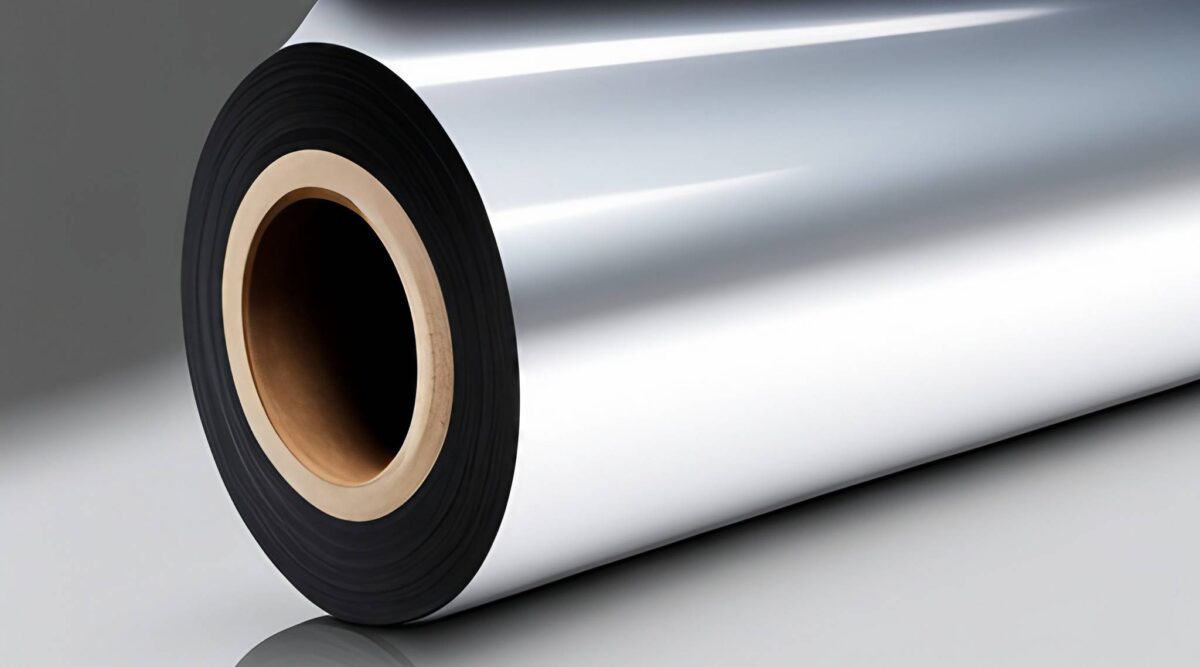
Window films are one of the most searched home and business upgrades in Toronto and the GTA. People look for window films to fix hot rooms, harsh glare, fading floors, unsafe glass, and privacy problems. Window films work without replacing windows, which saves time and money. That is why condos, shops, offices, and houses across the city use them.
Still, many people pick the wrong window films. Some want heat control and choose privacy film. Others want safety and install a dark tint. Toronto buildings are all different. Glass size, sun direction, and street traffic change everything. One window film does not solve every problem.
This guide explains the four main window films used across Toronto and the GTA. Solar window film, security film, decorative film, and privacy film each do a different job. Knowing the difference helps you choose better and avoid redoing the work later.
If you want a quick overview of how window films are used in real spaces, this page from Tintly Window Films explains common uses for homes and businesses.
Solar Window Films and Heat Control in Toronto
Solar window films are the most common window films installed in Toronto. They reduce heat, glare, and UV rays. Condos with large glass walls heat up fast, especially downtown near CityPlace, King West, and the waterfront.
Solar window films work by reflecting and absorbing solar energy before it enters the room. This keeps indoor temperatures more stable. Air conditioners run less. Rooms feel usable again.
A condo near Harbourfront had a living room that became too hot by late morning. After solar window film was installed, the room stayed cooler all afternoon. The owner noticed less glare on the TV and fewer AC cycles. The hydro bill went down a bit too.
Solar window films also block a large amount of UV rays. UV causes fading in hardwood floors, furniture, rugs, and retail displays. Shops along Queen Street West and homes in Leslieville deal with this problem often.
Health Canada explains why limiting UV exposure matters, even indoors, in its guide on sun safety and UV risks.
Solar window films also help during winter. They slow heat loss through glass. Toronto winters are long. Small savings add up over time.
Solar window films come in different shades. Some are almost clear. Others are more reflective. The goal is comfort, not darkness.
If heat and glare are the main issue, learning how solar window films work can help narrow the choice fast.
Security Window Films for Glass Safety
Security window films focus on glass safety. They do not stop glass from breaking. They hold broken glass together.
Security window films are thicker than standard window films. When glass breaks, shards stay attached to the film. This slows entry and lowers injury risk.
Security window films are common in ground-floor homes, storefronts, clinics, and offices across Scarborough and North York.
A small retail store near Yonge Street installed security window film after a break-in shattered the front window. Months later, another impact cracked the glass but did not create an opening. Cleanup was faster. No one got hurt.
Security window films also help with accidents and storms. Patio doors, glass doors, and interior partitions benefit from reduced glass scatter.
Some security films include UV protection, but their main role is glass retention. Installation quality matters. Weak edges reduce performance.
If safety is the goal, this guide on security window films explains how they protect glass in real situations.
Decorative Window Films for Privacy Without Blocking Light
Decorative window films are used when privacy is needed but light still matters. They are common in offices, clinics, bathrooms, and meeting rooms.
Decorative window films can look frosted, etched, or patterned. Some include custom designs or logos. They block direct views while letting daylight pass.
An office in Mississauga replaced old blinds with decorative window film in meeting rooms. The rooms felt brighter. Cleaning was easier. Privacy improved.
Homes also use decorative window films. Bathroom windows. Front doors. Side panels. Curtains are not always wanted. Decorative film keeps rooms open.
Decorative window films are not permanent. They can be removed or replaced later without damaging glass when installed correctly.
These window films focus on privacy and appearance more than heat control, though some versions still block UV.
Many homeowners start by learning how frosted window film works before choosing a design.
Privacy Window Films for Street-Facing Windows
Privacy window films limit visibility into a space. The most common type is one-way mirror film.
During the day, exterior light reflects off the glass and reduces visibility inside. At night, interior lights can reverse the effect. This surprises some people.
Privacy window films are popular in downtown condos, storefronts, and offices near sidewalks. Vaughan and Richmond Hill see high demand in newer areas.
A ground-floor condo near Bloor Street installed privacy window film to reduce foot traffic views. Daytime privacy improved right away. At night, simple lighting changes fixed visibility.
Privacy window films often overlap with solar window films. Many reduce glare and UV while adding daytime privacy.
To compare options, this guide on privacy window films explains where each type works best.
How Homes and Businesses Combine Window Films
Most homes and businesses use more than one type of window film. There is no single setup that works everywhere.
Condos often use solar window films in living areas, privacy window films on street-facing glass, and decorative window films in bathrooms.
Retail stores combine solar window films for comfort and security window films for glass protection.
Offices mix decorative and privacy window films depending on room use.
Matching the problem to the film saves money and avoids frustration.
Seasonal Window Film Needs in Toronto
Seasonal changes matter in Toronto. Summer brings heat and glare. Winter brings drafts and heat loss.
Window films work all year. Solar window films reduce summer heat and slow winter heat loss. Security window films add protection during storm season.
Spring and fall are popular install times. Temperatures are mild and install conditions are better.
Local experience helps. Toronto buildings respond differently based on glass type and sun exposure.
Why Professional Installation Changes Results
Window films are sensitive to install quality. Dust, moisture, and uneven pressure cause bubbles and peeling.
Glass type matters. Double-pane glass. Low-E coatings. Older homes. New condos. Each reacts differently.
Professional installers test glass, recommend film types, and apply films cleanly.
DIY film often fails early and needs removal.
Learning More About Window Films
This short video explains how window films work in simple terms: How Window Film Works.
Natural Resources Canada also explains window heat loss and energy efficiency in its guide on upgrading windows and doors.
Next Steps for Toronto Property Owners
Window films solve real problems. Heat. Glare. Privacy. Safety. Energy use.
The right window films depend on your space and goals. Solar, security, decorative, and privacy window films each serve a different need.
If you want local advice from a team that installs window films across Toronto and the GTA every week, talk with a professional.
Visit Tintly Window Films to see which window films fit your home or business.