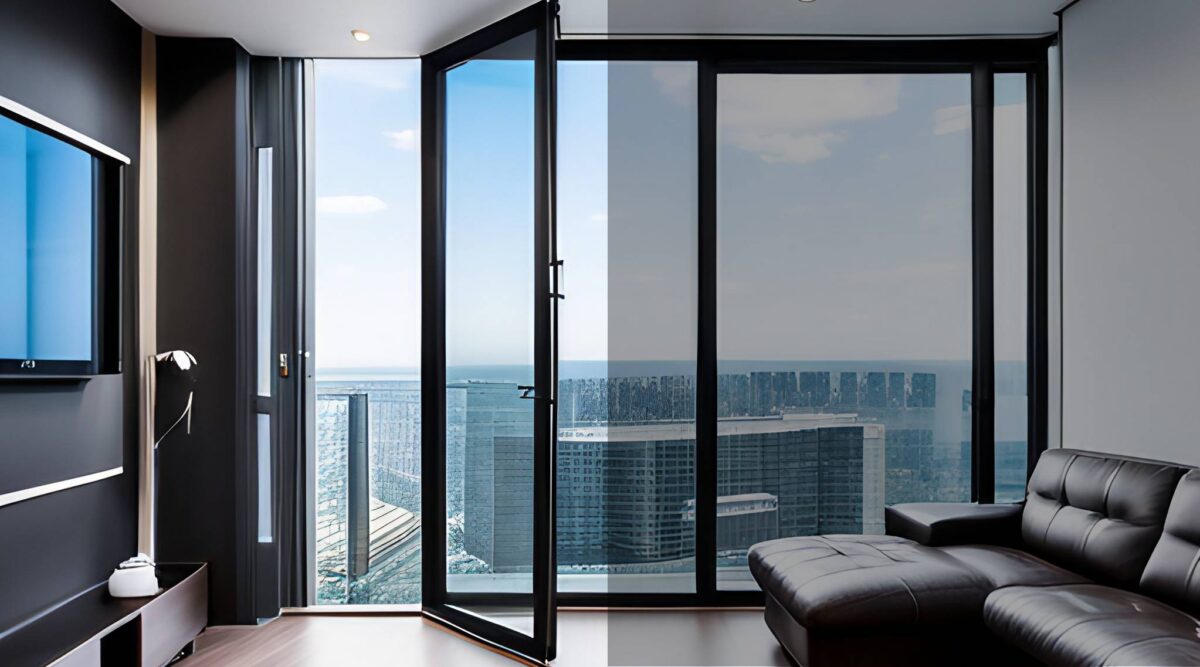
Window films are one of the most searched building upgrades in Toronto once warmer weather rolls in. People look up window films because rooms feel hot by noon, offices feel uneven, and cooling bills climb even when nothing has changed. In the GTA, glass is often the problem. Large windows let heat pour in for hours.
Sun control window tinting is a type of window films designed to slow heat before it moves through glass. It is used across Toronto homes, condos, offices, and storefronts to control indoor temperatures and reduce cooling stress. This page explains how window films work, where they help the most, and why many local property owners choose them instead of replacing windows.
What Sun Control Window Tinting Means for Buildings in Toronto
Sun control window tinting is part of a wider group of window films applied to existing glass. These films change how sunlight interacts with the window. Instead of letting most heat pass through, the film reflects and absorbs a portion of solar energy.
This matters in Toronto because modern buildings rely heavily on glass. Condos near Harbourfront, offices in North York, and newer homes in Vaughan all use wide windows. Once the sun hits those windows, heat builds fast and spreads through the space.
Many people think poor airflow causes hot rooms. In many cases, direct sun through glass is the main issue. Window films target that problem at the source. They reduce heat before it fills the room.
Sun control window tinting still allows natural light. These window films focus on heat control first, not blocking daylight.
If you want a broader overview, the window films page shows how different film types are used in residential and commercial spaces.
How Window Films Reduce Cooling Costs
Cooling systems work harder when heat enters all day. Window films lower that heat load. Less heat inside means air conditioners run fewer cycles.
Here is how window films support cooling control:
- Sun heat is reduced at the glass
- Rooms warm up slower during the day
- Air conditioners cycle less often
- Cooling equipment sees less strain
A condo owner near King West added sun control window films to west-facing glass. Before installation, the AC ran non stop after lunch. After installation, indoor temperatures stayed more stable and cooling use dropped without touching the thermostat.
This pattern shows up often across the GTA. Window films do not replace AC units. They help them work less.
This guide on energy efficiency with window tint explains how film performance affects cooling demand.
Where Window Films Make the Biggest Difference
Not every window creates heat problems. Direction and sun exposure matter. Window films help most where sunlight hits for long periods.
Common high-impact areas include:
- South-facing living rooms
- West-facing condo units
- Retail storefront glass
- Office meeting rooms
- Sunrooms and patio doors
In Scarborough strip plazas, storefronts face direct afternoon sun. Business owners often say the floor near the window feels hot. Window films reduce that heat and make front areas usable again.
Homes face similar issues upstairs. Bedrooms with large windows trap heat all afternoon. Window films help balance those rooms.
Window Films in Homes and Offices
Homes and offices both use window films, but daily needs differ.
In homes:
- Bedrooms cool down faster
- Living areas feel more even
- Less AC use during heat waves
In offices and commercial spaces:
- Fewer hot spots near windows
- Steadier indoor temperatures
- Lower daily HVAC load
Downtown Toronto offices often use window films to manage glare while keeping blinds open. Natural light stays useful and heat stays lower.
Window Films vs Replacing Windows
People often ask if new windows are a better fix. In many cases, window films solve heat issues faster.
Replacing windows costs more and causes disruption. Window films install on existing glass and begin working right away.
This comparison on window films vs window replacements explains where each option fits.
For many Toronto buildings, window films control heat without major renovation work.
Installation and Planning for Window Films
Professional installation affects how window films perform over time. Glass type, window size, and film selection all matter.
A typical install includes:
- Reviewing window orientation
- Matching film to glass
- Cleaning glass carefully
- Applying film evenly
Most home installs finish in a day. Offices take longer based on size.
This article on key considerations when installing window films explains what affects long-term results.
Solar Control, UV Blocking, and Comfort
Sun control window tinting overlaps with solar window films. These window films reduce infrared heat while keeping rooms bright.
They also block UV rays that damage floors and furniture. This helps protect interiors.
More detail is available in this guide on solar window films.
Natural Resources Canada explains how window attachments help with energy savings. See NRCan home energy efficiency info.
Local GTA Example: Retail Space Heat Control
A small retail shop near Danforth Avenue installed window films on its front glass. Before installation, staff avoided the display area in the afternoon due to heat.
After installation, temperatures near the window dropped and the space stayed usable all day. Cooling cycles shortened and comfort improved.
This result is common when window films reduce direct sun exposure.
Why Window Films Work Over Time
Window films work quietly every sunny day. They reduce heat at the glass and support cooling systems without effort.
Long-term benefits include:
- Lower cooling demand each summer
- More even indoor temperatures
- Less HVAC wear
- Better comfort during heat spikes
The ENERGY STAR window attachment guide also lists window films as a useful option for managing heat.
For Toronto homes and offices dealing with rising cooling costs, window films remain one of the most direct ways to slow heat before it enters.
Frequently Asked Questions
What are window films?
Window films are thin layers applied to glass to reduce heat, glare, and UV exposure.
Do window films reduce cooling costs?
Window films lower heat entering through windows, which reduces air conditioner use.
Are window films good for Toronto summers?
Window films work well during Toronto heat waves and long sunny days.
Do window films make rooms dark?
Most sun control window films reduce heat without darkening rooms.
How long do window films last?
Professionally installed window films can last 10 to 20 years.