Window films are one of the most searched home upgrades in Toronto and the GTA, especially by homeowners dealing with heat, glare, fading, and privacy issues. If you’ve searched “window films Toronto” or “window films near me,” you’re likely trying to fix a real comfort problem, not just change how your windows look.
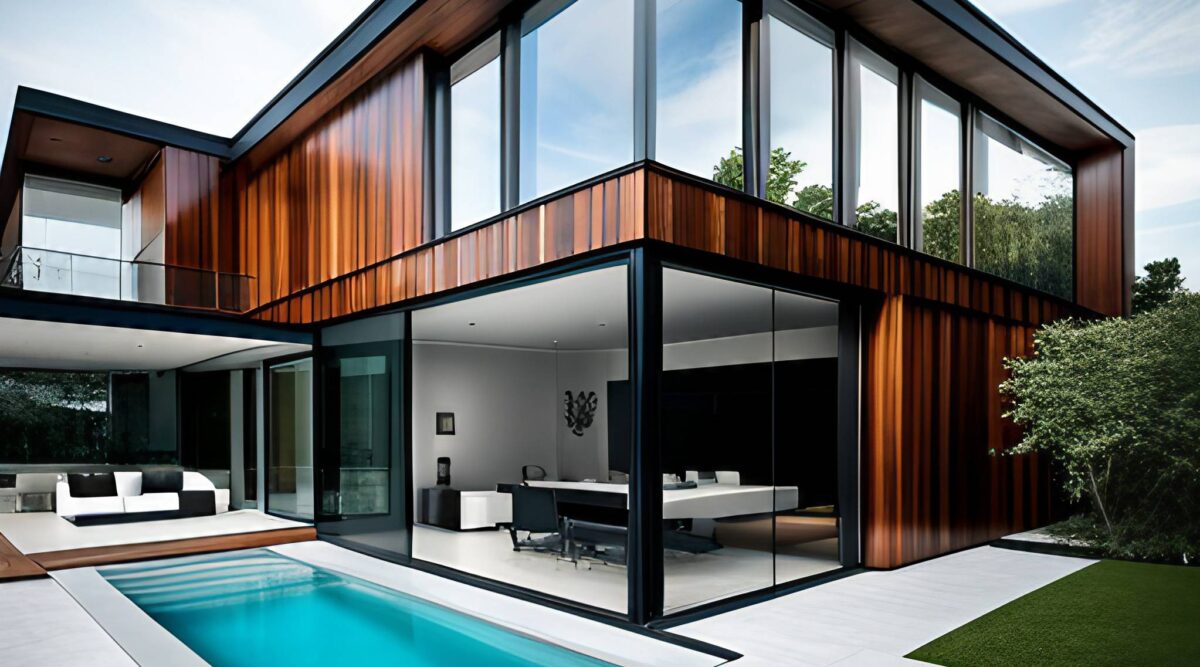
Across Toronto, Mississauga, Vaughan, Markham, and nearby areas, more homes are built with larger windows than ever before. That means more light, but also more heat in summer and more cold near glass in winter. Window films are designed to help control that without replacing your windows.
Window films are thin layers applied directly to existing glass. They change how glass handles sunlight, heat, and visibility. The window stays the same. The glass just performs better.
Many homeowners start by learning about window films in general, then narrow it down based on what problem shows up most in their home.
How Window Films Work on Residential Windows
Standard glass does not block heat very well. Sunlight passes through and turns into heat inside the room. That’s why one sunny room can feel much hotter than the rest of the house.
Window films add working layers to the glass. Each layer has a role.
- Solar layers reflect or absorb heat
- UV layers reduce fading on floors and furniture
- Privacy layers change outside visibility
- Safety layers help hold glass together if broken
Once installed, window films stay in place. There is nothing to open or close. They work all day without effort.
A condo owner near Harbourfront reached out after their west-facing unit became hard to use after 3 p.m. Installing solar window films lowered glare and heat enough that the space became usable again without blocking daylight.
Why Window Films Matter in Toronto and GTA Weather
Toronto weather is tough on windows. Summers bring strong sun and humidity. Winters bring cold glass and heat loss.
In July, south- and west-facing windows collect heat fast. In January, those same windows feel cold even when the thermostat says warm.
Window films help reduce heat entering the home during summer and slow heat loss through glass during winter. They do not replace insulation, but they help glass behave more like a solid wall.
This matters in the GTA because housing types vary so much. Downtown condos often have floor-to-ceiling glass. Older homes in areas like East York or The Annex have wide windows with less insulation. Townhouses sit close together and deal with privacy stress.
A family in Richmond Hill added window films after noticing their living room felt cold near the windows in winter and overheated in summer. After installation, the room felt more stable year-round.
Common Problems Window Films Solve
Window films are not about looks first. They are about fixing problems people deal with every day.
- Rooms that overheat in summer
- Glare on TVs and computer screens
- Lack of privacy during the day
- Fading on floors, rugs, and furniture
- Cold drafts near windows in winter
Many homeowners don’t realize how much glass affects comfort until window films are installed.
Types of Window Films Used in Homes
Not all window films do the same thing. Choosing the right type matters.
Solar Window Films
These films focus on reducing heat and glare. They are common in living rooms, condos, and home offices.
Some are lightly tinted. Others are nearly clear. The goal is comfort, not dark rooms.
UV Blocking Window Films
These films block UV rays while keeping windows clear. They help protect hardwood floors and furniture.
Homes with large sun-facing windows often use this option.
Privacy Window Films
Privacy films reduce visibility from outside during the day. They are popular for front-facing windows and bathrooms.
This guide on privacy window films explains what works best for different spaces.
Decorative and Frosted Window Films
These add privacy while keeping light. They are often used in bathrooms, entryways, and stairwells.
Safety and Security Window Films
Security window films help hold glass together if broken. They slow forced entry and reduce glass injuries.
Ground floor windows and sliding doors benefit the most. If safety is a concern, learning about security window films can help decide.
Window Films vs Replacing Windows
This question comes up often. Should windows be replaced instead?
Window replacement makes sense when frames are damaged or seals have failed. But many windows are still solid. They just let in too much heat or light.
Window films cost less, install faster, and avoid major disruption. They fix comfort problems without removing windows.
A homeowner in Oakville was quoted over $40,000 for new windows. Window films reduced heat and glare at a much lower cost.
Real Use Cases Across the GTA
A semi-detached home near Danforth added window films to front windows to block street views while keeping daylight. Curtains stayed open. Privacy stayed.
A small business owner in North York installed window films at home after seeing how well they worked in their office. Same result. Less glare. Less heat.
Window films work in condos, houses, and townhomes because the problems are the same.
Learning More About Window Films
This short video explains how window films work in simple terms: How Window Film Works – YouTube.
For neutral information on energy efficiency in Canadian homes, Natural Resources Canada provides helpful resources: Natural Resources Canada – Energy Efficiency.
Thinking About Window Films for Your Home?
If your home feels too hot, too exposed, or uncomfortable near windows, window films are worth looking into.
Not every film fits every window. Experience matters. Local knowledge helps.
Learn more about window films and residential installation options with Tintly Window Films. A short conversation often saves months of trial and error.