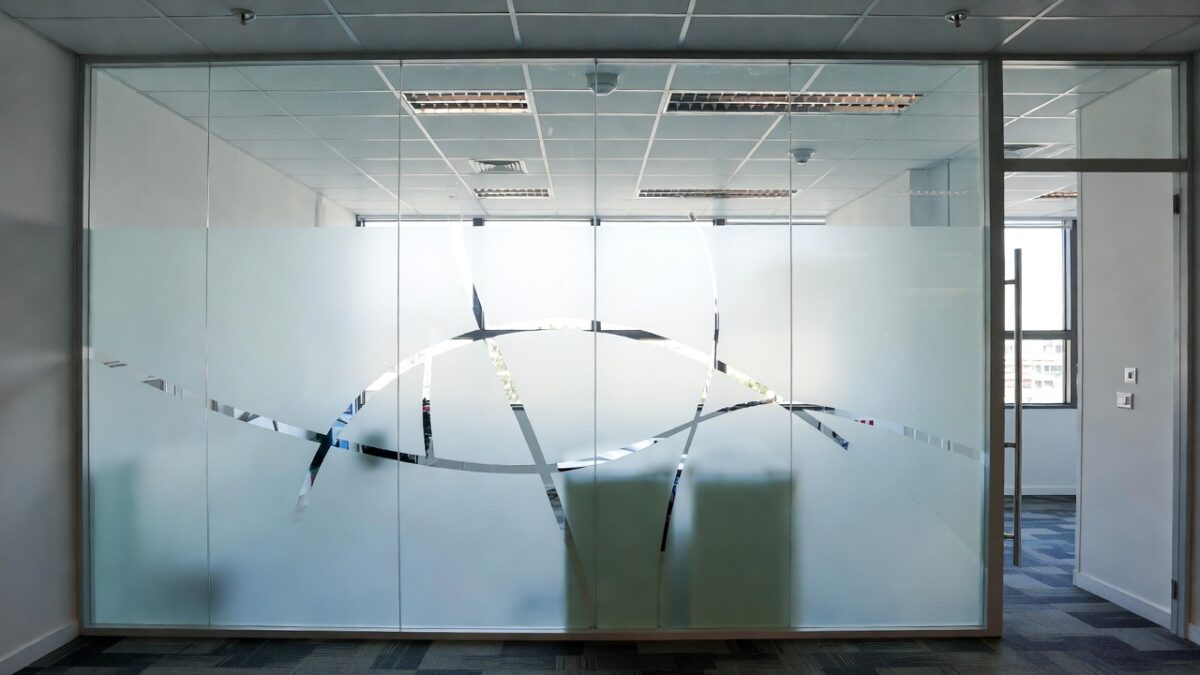
Window films are one of the most searched office upgrades in Toronto right now. Business owners look for window films because they want privacy, glare control, and a clean modern look without big renovations. Decorative window films solve these problems fast, and they work in both older buildings and new glass towers.
Across Toronto and the GTA, offices are replacing blinds, curtains, and even partial walls with window films. Office window films help teams focus, reduce heat near windows, and keep natural light flowing. They cost less than renovations and install with very little disruption.
This article breaks down how window films are being used in real offices today. These trends come from projects in downtown Toronto, North York, Vaughan, Mississauga, and nearby areas. They are practical choices based on daily use, not design hype.
Why Window Films Are Becoming the Go-To Office Upgrade
Most offices start with blinds. Then the slats bend. Dust builds up. People close them and never open them again. Curtains are worse. They block light and look worn fast. Walls cost money and make offices feel smaller.
Window films fix these problems without changing the structure of the space. Decorative window films add privacy and reduce glare while keeping daylight. Office window films install quickly, often after hours or during a normal workday.
A property manager near Bay Street shared that staff complaints dropped after switching from blinds to window films. Less glare. Fewer distractions. No broken hardware to fix.
If you want a quick overview of how window films work, this guide on window films explained is a good place to start.
1. Frosted Window Films for Office Privacy
Frosted window films remain the most common option in offices. What has changed is how much glass gets covered.
Instead of frosting only part of the window, offices now frost full panels or use soft fade designs. This blocks direct views while letting light through. It works well in boardrooms, HR offices, and meeting rooms.
In the Financial District and Liberty Village, offices use frosted window films to keep meetings private without making rooms feel dark. Staff stay focused. Clients feel comfortable.
For offices that need privacy first, this article on privacy window films explains the options clearly.
2. Branded Decorative Window Films Inside Offices
Old vinyl logos peel, fade, and look dated. Offices now want branding that feels part of the glass.
Decorative window films can include etched logos, frosted text, or simple brand patterns. The film feels built in, not added later.
A marketing agency near Spadina added frosted branding to glass offices and meeting rooms. Clients notice it right away. Staff say the space feels calmer and more professional.
If the company moves, the window film removes cleanly. That flexibility matters in growing teams.
3. Fluted and Reeded Glass Looks Using Window Films
Replacing glass panels costs time and money. Window films now copy the look of fluted or reeded glass.
These decorative window films use vertical lines and light blur. They block direct views while adding texture to flat glass.
Medical clinics in North York use this style often. It provides privacy without closing off the space. Patients feel less exposed.
Creative offices also like this look because it adds depth without construction.
4. Partial Coverage Window Films for Hybrid Offices
Hybrid work changed how offices use space. Not every area needs full privacy all day.
Banded window films frost glass at eye level and leave the rest clear. This blocks distractions while keeping visibility.
Mississauga office parks use this setup in shared work areas and collaboration zones. It supports teamwork and focus.
Office window films like this work well when layouts change often.
5. Patterned Decorative Window Films for Large Glass Walls
Large glass walls can feel cold and empty.
Patterned window films use dots, lines, or simple shapes to break up the glass. They reduce the fishbowl feeling and help people spot doors.
Downtown Toronto coworking spaces use patterned decorative window films to add style without blocking light.
This also reduces walk-into-glass accidents, which happen more than people admit.
6. Softer Frosted Tones Are Replacing Bright White
Bright white frosting reflects a lot of light. Offices now prefer softer tones.
Light grey and warm white window films reduce glare and feel easier on the eyes. This helps in screen-heavy spaces.
After long winters and bright summer days, eye comfort matters. Window films now match softer lighting choices.
This trend works well in offices with long screen hours.
7. Decorative Window Films Paired With Solar Control
South-facing offices in Toronto and Vaughan deal with strong afternoon sun.
Decorative window films are now paired with solar window films. This adds privacy and reduces heat near windows.
An office near Yonge and Eglinton added solar window films after staff kept moving desks during heat waves. Comfort improved fast.
If heat and fading are concerns, this guide on solar window films explains how they help.
For trusted background info, Natural Resources Canada explains building energy use here: https://natural-resources.canada.ca/energy-efficiency
8. Window Films Designed for Video Meetings
Video calls changed office needs quickly.
Conference rooms now use window films that block movement behind glass. Frosted gradients work well. Clear glass above keeps light for cameras.
Tech offices near Union Station use this setup often. Meetings look cleaner on screen. People stay focused.
This also helps people outside the room move freely.
9. Minimal Window Films for Small Offices
Small offices need privacy without feeling closed in.
Minimal decorative window films use thin lines and light frosting. They block direct views while keeping spaces open.
We install this often in Leslieville and Scarborough offices with tighter layouts.
It is simple, but it works.
10. Custom Cut Window Films for Cleaner Results
More offices now ask how window films are installed.
Custom cut window films fit glass exactly. No gaps. No rough edges. It looks neat and finished.
This matters in older Toronto buildings where glass sizes vary.
If your office uses custom glass, this guide on custom window films explains what to expect.
Window Films vs Other Office Privacy Options
Blinds break. Curtains collect dust. Walls block light and cost more.
Window films keep daylight, reduce glare, and cost less over time.
This comparison on window films vs replacements shows why many offices choose film.
Local Experience Across Toronto and the GTA
Offices across the GTA deal with the same issues. Winter glare. Summer heat. Glass-heavy layouts.
Window films help offices stay comfortable year round without changing the building.
For general science on window performance, the U.S. Department of Energy explains window heat gain and loss here: https://www.energy.gov/energysaver/windows-doors-and-skylights
Frequently Asked Questions
What are window films used for in offices?
Window films add privacy, reduce glare, and help control heat in office spaces. Decorative window films also improve how glass looks.
Do window films block natural light?
Most window films allow daylight while blocking clear views and glare. Frosted and solar films balance light and comfort.
How long do office window films last?
Office window films often last 10 to 15 years with proper installation and cleaning.
Can window films help with summer heat?
Solar window films reduce heat near windows and help offices stay cooler in summer.
Can window films be removed later?
Most window films can be removed without damaging glass when done correctly.