Categories
Window Films and Tinting Toronto

Trends in Near Me Window Tint For Home Windows

# Trends in Near Me Window Tint For Home Windows

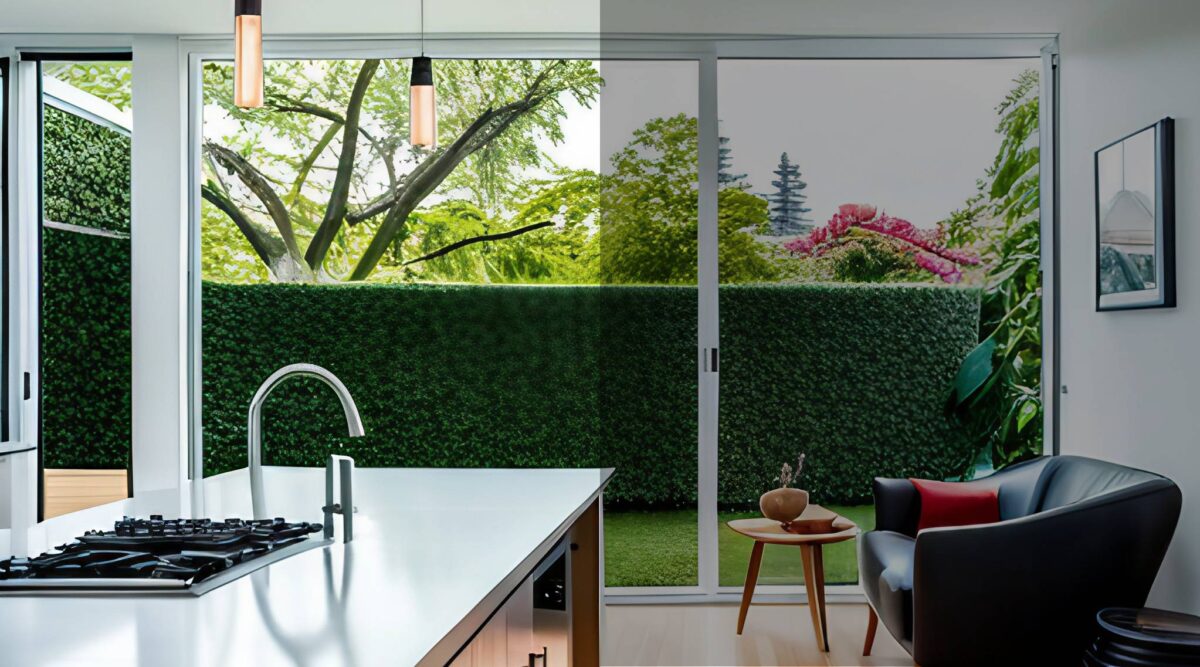
In recent years, the demand for window tinting solutions for home windows has significantly increased. Homeowners are now more aware of the benefits that window tints offer, from aesthetic improvements to energy efficiency. This growing interest has led to the emergence of several trends in the “near me window tint” industry. In this article, we’ll explore these trends and how they can help transform your living spaces.

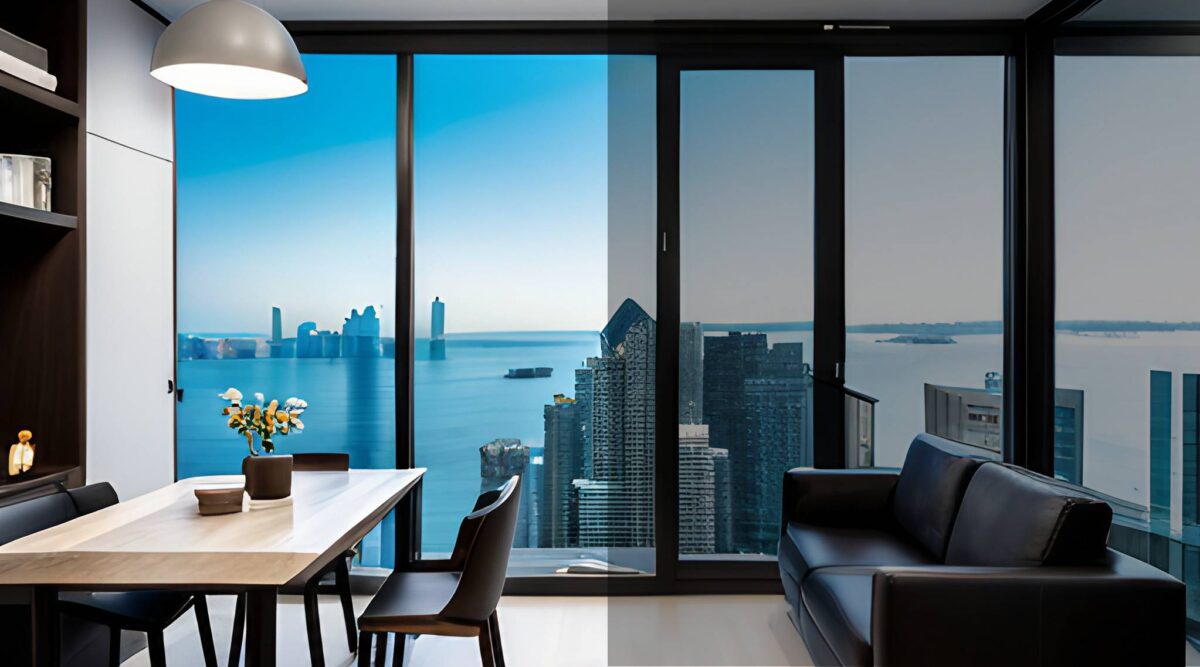
Modern home with tinted windows

The Rise of Window Tinting for Homes

The concept of window tinting was once primarily associated with cars. However, the benefits of applying window films to home windows have become increasingly apparent. Homeowners now recognize that window tints can provide privacy, enhance the appearance of their homes, and contribute to energy savings.

Benefits of Window Tinting

  1. Energy Efficiency: Window tints help in reducing heat gain during summer and heat loss during winter. This means you can rely less on air conditioning and heating systems, leading to reduced energy bills.
  2. UV Protection: Tinted windows block harmful ultraviolet (UV) rays from entering your home, protecting your furniture, flooring, and interior decor from fading.
  3. Enhanced Privacy: With window tints, you can enjoy natural light without compromising privacy. This is particularly beneficial for homes located in densely populated areas.
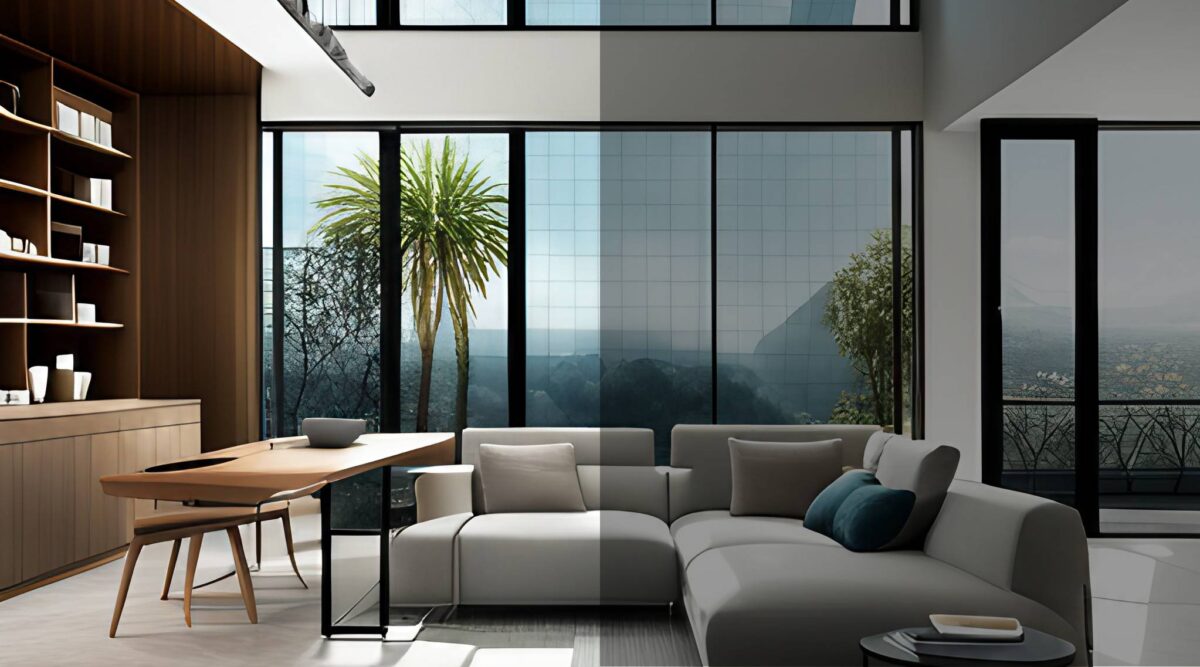
  4. Aesthetic Appeal: Window tints come in various shades and styles that can enhance the overall look of your home, providing a modern and sleek appearance.

Window film installation process

Trends in Home Window Tinting

The window tinting industry is continuously evolving, with new trends emerging to meet the needs of modern homeowners. Here are some of the latest trends in the “window tint near me” sector.

Smart Window Films

Smart window films are the future of window tinting. These films can change their transparency based on the amount of light or heat they receive, offering dynamic control over the interior environment. With smart films, you can optimize the amount of natural light entering your home without manually adjusting curtains or blinds.

Decorative Window Tints

Decorative window tints are gaining popularity among homeowners who want to add a personal touch to their living spaces. These tints come in various designs, patterns, and colors, allowing you to customize the appearance of your windows. Whether you prefer a frosted look or intricate patterns, decorative tints provide a stylish solution.

Eco-Friendly Films

As sustainability becomes more important, eco-friendly window films are becoming a popular choice. These films are made from environmentally friendly materials and are designed to improve energy efficiency, reducing your carbon footprint.

Safety and Security Films

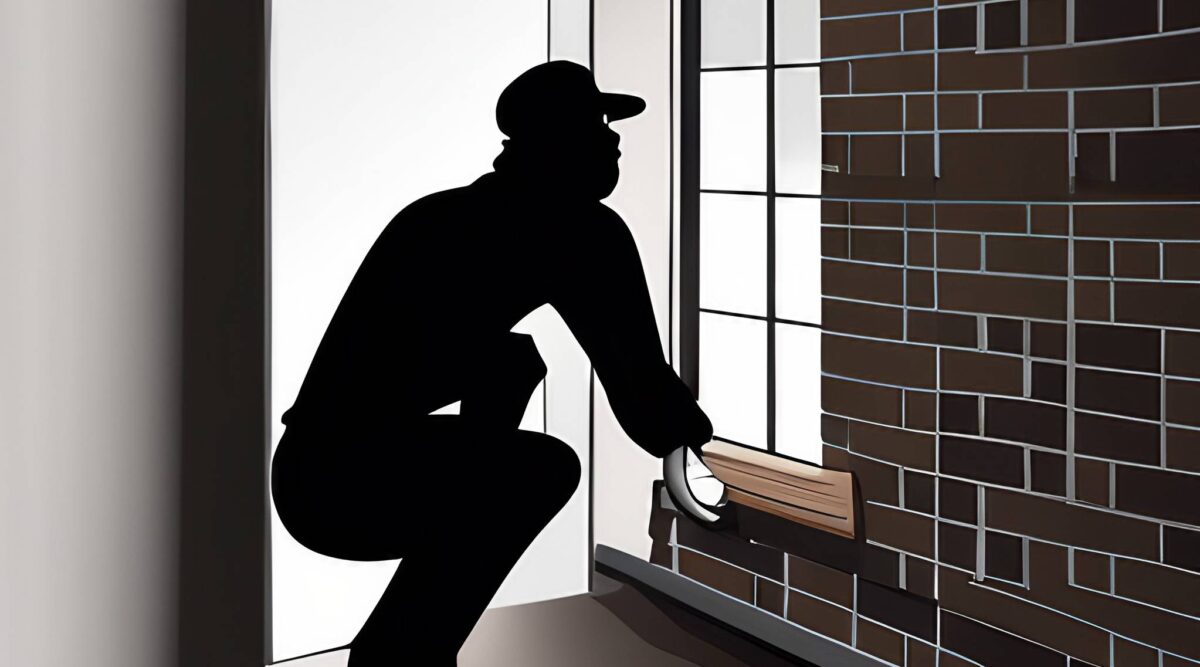
For homeowners concerned about safety, security window films offer an added layer of protection. These films are thicker than standard tints and can hold glass together in the event of breakage, making it harder for potential intruders to gain access.

Choosing the Right Window Tint

Selecting the right window tint for your home involves considering several factors. Here are some tips to help you make an informed decision.

Consider Your Needs

Identify what you want to achieve with window tinting. Are you looking for energy savings, enhanced privacy, or a decorative touch? Understanding your priorities will help you choose the right type of tint.

Evaluate Different Options

Research the various types of window tints available in the market. Consider factors such as the level of UV protection, the aesthetic appeal, and the cost. Consulting with a professional window tinting service can provide valuable insights into the best options for your home.

Check Local Regulations

Before installing window tints, it’s important to check local regulations regarding window films. Some areas may have specific rules about the darkness or reflectivity of tints, especially in historical or conservation areas.

Professional installation of window tint

by Tomasz Anusiewicz (https://unsplash.com/@oxganggreen)

Finding Reliable Window Tinting Services Near You

With the increasing demand for window tints, many service providers have emerged. However, not all offer the same level of quality and professionalism. Here’s how you can find a reliable “near me window tint” service.

Look for Experience and Expertise

Choose a service provider with extensive experience in window tinting for homes. Experienced professionals are more likely to deliver high-quality results and offer valuable advice on the best solutions for your needs.

Read Reviews and Testimonials

Online reviews and testimonials can provide insights into the experiences of past customers. Look for service providers with positive feedback and a proven track record of customer satisfaction.

Inquire About Warranty

A reputable window tinting service should offer a warranty on their products and installation. This ensures that you are covered in case of any issues with the tint or the installation process.

Conclusion

Window tinting is no longer just for cars; it’s a practical and stylish solution for home windows as well. By staying informed about the latest trends in the “near me window tint” industry, you can enhance the comfort, aesthetics, and energy efficiency of your living spaces. Whether you’re interested in smart films, decorative tints, or eco-friendly options, there’s a solution to meet your needs. Remember to choose a reliable service provider to ensure that you get the best results for your home.

By considering the trends and tips outlined in this article, interior designers and homeowners alike can make informed decisions that enhance the beauty and functionality of their homes while enjoying the benefits of modern window tinting solutions.
Categories
Window Films and Tinting Toronto

What Are Safety & Security Window Films?

If you type window films into Google while sitting in Toronto or anywhere in the GTA, you’ll see the same worries pop up again and again. People want to know if window films actually help with break-ins, flying glass, or cracked windows during winter. These are not theory questions. They come from real stuff happening on Queen Street, in North York plazas, and in Scarborough homes after a cold snap.

Safety and security window films exist because regular glass fails fast. It looks solid but breaks easy. When it breaks, it causes injuries, panic, theft, and big cleanup bills. Window films change how glass behaves without changing how your space looks. No bars. No metal screens. Just reinforced glass that stays together longer.

This article explains how window films work for safety and security, how they are used around Toronto, and when they make sense for homes and businesses. If you want the big picture on window films in general, the Tintly Window Films homepage covers residential and commercial options across the GTA.

What Are Safety and Security Window Films?

Safety and security window films are clear or lightly tinted polyester sheets installed on the inside of existing glass. They do not replace windows. They reinforce what is already there.

Without window films, glass shatters when it breaks. Sharp pieces scatter inward. That leads to injuries and fast access for break-ins. Window films hold the glass together after it cracks. The glass may break, but it stays in place instead of exploding apart.

Safety window film focuses on injury control. It keeps broken glass from flying during accidents, storms, or pressure cracks. Security window film does the same thing but with more strength. It is thicker and harder to tear, which slows forced entry.

Across Toronto and the GTA, window films are used on:

  • Retail storefronts along Bloor, Yonge, and Queen
  • Patio doors in Scarborough and Vaughan homes
  • Ground-floor condos near sidewalks and laneways
  • Schools, gyms, and community centres
  • Office spaces with floor-to-ceiling glass

Most safety and security window films are clear. Light still comes in. Views stay the same. Many people do not notice the film unless it is pointed out.

If you want a clear breakdown focused only on protection, this guide explains it simply: What Are Security Window Films.

How Window Films Work When Glass Breaks

Glass does not fail all at once. First it cracks. Then stored pressure releases. That second moment is when shards fly and damage spreads.

Window films change that second step.

The film bonds directly to the glass using pressure-activated adhesive. When impact happens, the glass may crack, but the film absorbs energy and keeps the fragments together. Instead of falling apart, the glass stays in place longer.

Security window films add thickness. Thicker films resist repeated hits and take longer to tear. That extra time matters during smash-and-grab attempts.

A real example happened near Danforth Avenue last winter. A small retail shop had an overnight break-in attempt. The glass cracked but stayed in the frame because security window film was installed. Nothing was taken. The owner opened the next morning with damage, but no shattered glass across the floor.

Another case involved a Mississauga office during a deep freeze. A pressure crack formed in a large window panel. Because safety window film was already in place, the glass stayed intact. No falling shards. No emergency board-up.

Installation quality plays a big role. Poor installs peel. Edges lift. Film tears early. This guide explains what proper installs look like and why small details matter: How to Achieve Flawless Security Film Installation in 7 Steps.

For technical testing standards related to reinforced glazing, ASTM outlines how impact resistance is measured under controlled conditions: ASTM F1233 Standard.

Safety Window Film vs Security Window Film

People mix these two up a lot. The difference is simple.

Safety window film reduces injury from broken glass. It is used in homes with kids, schools, gyms, offices, and condos with large glass areas.

Security window film adds resistance to forced entry. It is thicker and used where break-ins are a concern, such as storefronts and ground-level windows.

In Toronto condos near the Waterfront, safety window film is often installed on balcony doors and interior glass walls. In areas like Liberty Village or Kensington Market, security window film is common on display windows.

Many projects use a mid-range window film that covers both safety and security needs. Window films do not make glass unbreakable. The goal is control. Control of how glass breaks. Control of time. Control of risk.

This article explains how safety films still improve protection even without heavy thickness: How Safety Films Enhance Window Security.

Why Window Films Matter in Toronto and the GTA

Toronto has patterns that affect glass. Break-ins increase during darker winter months. Accidents rise during spring renovation season. Summer festivals bring more foot traffic and higher risk for storefronts.

Window films help across all seasons.

In Scarborough and North York homes, patio doors are common weak points. They are large and exposed. Security window film adds resistance without changing the look of the door.

For downtown businesses, broken glass means downtime, cleanup, and insurance calls. With window films installed, glass often stays in place even when cracked.

Toronto Police regularly point out that slowing entry is one of the most effective deterrents. Their prevention advice focuses on layered protection instead of single fixes: Toronto Police Break and Enter Prevention.

Installation Quality Matters More Than the Film Brand

A security window film installed poorly will fail early.

Good installation includes:

  • Proper glass cleaning
  • Correct film selection for the glass type
  • Clean trimming and edge work
  • The right approach for frames and seals

Toronto buildings use many glass types. Annealed glass. Tempered glass. Laminated units. Each reacts differently to impact and stress.

DIY installs often peel or bubble. Edges lift. Performance drops fast. Professional installation improves adhesion and lifespan.

This checklist helps before installing window films: What Are Key Considerations When Installing Window Films.

Window Films or Full Window Replacement?

This question comes up often in East York homes and older storefronts.

If frames are solid and glass is still in decent shape, window films add protection without full replacement. If frames are failing or seals leak, replacement may be the better move.

Many Toronto property managers use window films as a first step while planning longer-term upgrades.

This comparison explains both options clearly: Tinted Window Film vs Full Window Replacement.

Why Window Films Keep Growing in Local Use

Window films solve real problems without changing how a space feels. That is why they keep appearing in Toronto homes, shops, and offices.

They reduce injury risk. They slow break-ins. They help glass handle pressure and impact. They work quietly in the background.

If you are looking into window films for safety or security in Toronto or the GTA, ask direct questions. Ask about thickness. Ask about edge finishing. Ask how long installs last in real buildings.

Clear answers beat polished sales talk every time.

To explore options and get local guidance, start with Tintly Window Films.

Categories
Window Films and Tinting Toronto

Top Benefits of Near Me Household Window Tint

When it comes to enhancing the beauty and functionality of your home, window tinting is a remarkable solution that often goes overlooked. Not only does it add a sleek, modern look to your windows, but it also offers a myriad of practical benefits. Whether you’re an interior designer seeking cost-effective solutions for clients or a homeowner looking to improve your living space, “near me household window tint” is worth considering. In this article, we’ll explore the top benefits of home window tinting, making it clear why this home improvement option should be on your radar.

Energy-efficient home with window tinting

One of the most compelling reasons to invest in window tinting is its impact on energy efficiency. Windows are often the weakest link in a home’s thermal envelope, allowing heat to enter in the summer and escape in the winter. Home window tinting acts as a barrier that reduces heat transfer, keeping your home cooler in the summer and warmer in the winter. This means less reliance on heating and cooling systems, leading to lower energy bills and a reduced carbon footprint.

How Window Tint Works

Window film is designed to reflect a significant portion of the sun’s heat and UV rays. By blocking these rays, the film helps maintain a consistent indoor temperature, reducing the workload on your HVAC system. This not only saves you money but also extends the life of your heating and cooling equipment.

Enhanced Privacy and Security

Privacy is a major concern for many homeowners. With window tinting, you can enjoy natural light without compromising your privacy. Tinted windows make it difficult for outsiders to see inside your home during the day, providing you with a sense of security and peace of mind.

Security Benefits

In addition to privacy, window tinting adds a layer of security to your home. The film holds glass together in the event of breakage, whether due to an accident or an attempted burglary. This can prevent injuries from shattered glass and deter potential intruders, making your home a safer place.

Protection from UV Rays: Safeguard Your Furnishings

Sun-damaged furniture

The sun’s UV rays can cause significant damage to your home’s interior, fading your furniture, flooring, and artwork over time. Home window tinting blocks up to 99% of these harmful rays, preserving the color and integrity of your furnishings.

Long-Term Savings

By protecting your interior from UV damage, window tinting can save you money in the long run. You’ll reduce the need to replace faded furniture and other items, making it a cost-effective solution for maintaining the beauty of your home.

Enhanced Comfort: A Better Living Environment

Window tinting improves the comfort of your home by reducing glare and maintaining a stable temperature. Whether you’re watching TV, working on a computer, or simply relaxing, reduced glare allows you to enjoy your activities without straining your eyes.

Consistent Indoor Climate

By minimizing hot spots and cold drafts, tinted windows help maintain a consistent indoor climate. This means you can enjoy every room in your home without worrying about uncomfortable temperature fluctuations.

Aesthetic Appeal: Style Meets Functionality

Home window tinting isn’t just about function—it also enhances the aesthetic appeal of your home. With a variety of tint shades and styles available, you can choose an option that complements your home’s design while providing all the practical benefits of window film.

Customization Options

Whether you prefer a subtle tint or a more dramatic effect, there are options to suit every style and preference. This customization allows you to enhance the look of your home in a way that reflects your personal taste.

Environmentally Friendly Choice

Eco-friendly home with tinted windows

by Denise Jans (https://unsplash.com/@dmjdenise)

For environmentally conscious homeowners, window tinting is an excellent choice. By reducing energy consumption and greenhouse gas emissions, window tinting contributes to a more sustainable lifestyle. It’s a small change that can make a big difference in the fight against climate change.

Supporting Eco-Friendly Initiatives

Many window film manufacturers are committed to sustainable practices, using materials and processes that minimize environmental impact. By choosing these products, you’re supporting companies that prioritize eco-friendly initiatives.

Finding “Window Tint Near Me”: Local Expertise Matters

When considering window tinting for your home, it’s important to choose a reputable local provider. Search for “window tint near me” to find experienced professionals who understand the specific needs of your area. Local experts can offer personalized service, ensuring you get the best results for your home.

Benefits of Choosing Local

Working with a local provider offers numerous advantages, including faster service, personalized recommendations, and the peace of mind that comes from supporting businesses in your community. Local professionals are also more likely to be familiar with regional climate considerations, ensuring your window tinting solution is perfectly suited to your environment.

Conclusion: The Smart Choice for Homeowners

Home window tinting is a versatile and valuable home improvement option that offers numerous benefits. From energy efficiency and privacy to UV protection and aesthetic appeal, it’s a solution that enhances both the form and function of your home. For interior designers and homeowners alike, “near me household window tint” is a smart investment that pays dividends in comfort, savings, and style.

By choosing local expertise and quality products, you can transform your living space into an energy-efficient, stylish, and secure haven. Explore the options available in your area and discover how window tinting can enhance your home today.

Categories
Window Films and Tinting Toronto

Window Films for Furniture and Flooring Protection in Toronto & the GTA

Window films are one of the most searched upgrades in Toronto for people who want to protect what’s inside their home or business. When someone searches for window films, they are often trying to fix a clear problem. Floors look faded near the window. Furniture has two colours. Displays near the glass wear out faster than everything else.

This happens across Toronto and the GTA. Downtown condos with tall glass. Homes in Vaughan and Markham with big windows. Offices in Mississauga. Shops in Scarborough. Same issue in every area.

Window films help block UV rays that slowly damage flooring, furniture, and interior finishes. This damage does not happen overnight. It builds day by day. You don’t notice it at first. Then one day it’s very clear, and the colour is already gone.

Many people think heat causes fading. Heat can play a small role, but UV rays do most of the damage. UV passes through regular glass, even modern double-pane windows.

That’s why window films are used in homes, retail spaces, offices, and rental units across the GTA. They protect what’s already inside the space without blocking daylight or changing how the room feels.

If you want a broad overview of how window films are used in real buildings, this page on window films explains the basics clearly.

How Window Films Protect Interiors From UV Damage

Window films are thin layers installed on the inside of glass. Some films are clear. Some have a light tint. Their main job is to reduce ultraviolet radiation before it reaches the room.

UV rays slowly break down materials. Wood lightens and dries. Fabric loses colour. Leather cracks. Vinyl fades. This happens even if the room feels cool and comfortable.

Most standard windows block only part of UV. Many still let more than half pass through. Over years, that exposure adds up.

Window films can block up to 99 percent of UV rays. After installation, visible light still enters the room, but the damaging energy is filtered out.

This helps protect:

  • Hardwood floors
  • Engineered wood
  • Vinyl and laminate flooring
  • Area rugs
  • Leather furniture
  • Fabric seating
  • Office desks
  • Retail displays
  • Wall art and finishes

A common call we hear comes from condo owners near Lake Shore or King West. Large glass panels. South or west exposure. One side of the room looks faded. The other side looks fine. People think it’s age or cleaning. It’s UV exposure.

Window films slow this damage right away. They do not restore colour, but they stop further fading.

For a deeper look at how this works, this guide on UV-blocking window films explains UV behaviour in simple language.

Why UV Damage Is a Bigger Problem in Toronto

Toronto doesn’t feel sunny all year, but UV rays don’t depend on heat. UV passes through clouds. It reflects off buildings. It bounces off snow in winter.

Glass towers downtown can increase UV exposure instead of reducing it. Reflection between buildings matters more than most people expect.

Higher UV risk in the GTA often shows up in:

  • Condos with floor-to-ceiling glass
  • Homes with bay windows or sunrooms
  • Retail shops with street-facing windows
  • Offices with glass walls or corner units
  • Restaurants with seating near front windows

Winter causes issues too. Snow reflection boosts UV even when the sun feels weak. That’s why some homes see faster fading after winter ends.

A new local example comes from a medical clinic in Vaughan. The waiting room faced west. Vinyl flooring near the windows faded faster than the rest of the room. Window films were installed in early spring. Two years later, the colour still matches across the floor.

Another case is a marketing office near Liberty Village. Fabric chairs near the windows faded within a year. After window films were installed, the same chairs stayed even in colour.

Window films work all year. They are not just for summer.

Window Films Compared to Curtains, Blinds, and New Windows

People often try other fixes first. That makes sense. But most don’t solve the real issue.

Curtains and blinds only help when closed. Floors still fade when they’re open. Most people open them during the day.

Low-E glass helps a bit, but it still allows UV through. Replacing windows costs much more than installing window films. Many condos and rentals don’t allow window replacement.

Window films work all day without effort. You don’t need to remember to close anything. UV is reduced whether the sun feels strong or not.

That’s why many property managers choose film instead of replacement. This article on window films vs window replacements explains the cost and protection differences in plain terms.

Installation Quality Makes a Real Difference

Window films are installed on the interior surface of glass. The process looks simple online, but poor installs fail fast.

A proper install starts with deep cleaning. Dust causes bubbles and haze. Film must be cut clean and sized correctly. Small gaps show over time.

Poor installs often lead to:

  • Peeling corners
  • Visible lines
  • Hazy spots in sunlight
  • Shorter film life

Professionally installed window films often last 10 to 15 years. Poor installs may fail in two or three.

We once checked a condo unit in Etobicoke where film was installed by a general contractor. It bubbled within a year. The owner thought window films were low quality. The issue was the install, not the film.

Toronto buildings use many types of glass. Experience matters. What works in one building may not work in another.

If you want to know what a good install looks like, this article on professional window film installation explains common mistakes and how to avoid them.

New Real Examples of Window Films in Use

A new case comes from a semi-detached home in East York. South-facing living room. Original hardwood floors. After years of sun, fading near the window was clear. Window films were installed before refinishing. Four years later, the colour remains even.

Another example is a small bakery in downtown Toronto. Display shelves near the window faded packaging and labels fast. After window films were installed, product appearance stayed consistent and waste dropped.

A third case is a condo rental near Square One. The owner added clear window films before listing the unit. After several tenants, the floors still match wall to wall. That helps resale value later.

These results are common when window films are installed early.

Seasonal Problems Window Films Help Reduce

Toronto has strong seasonal changes. Window films help with more than just UV.

Spring and summer bring long daylight hours and strong sun angles. That’s when fading speeds up.

Fall brings glare as the sun sits lower. Winter adds reflection from snow and ice.

Window films help reduce:

  • Year-round UV exposure
  • Seasonal glare
  • Sun stress during summer
  • Reflection during winter

This is why installs happen year-round in the GTA.

Common Myths About Window Films

Many people think window films make rooms dark. That depends on the film. UV protection films can be clear.

Some think window films damage glass. Proper films installed correctly are safe for most residential and commercial windows.

Others think fading stops once blinds are used. UV still reaches floors and furniture when blinds are open.

Window films work quietly. You don’t notice them much, but the damage slows.

Cost Compared to Long-Term Savings

Replacing floors costs thousands. Replacing furniture costs more. Replacing windows costs far more.

Window films cost less and protect what’s already there. That’s why many landlords, shop owners, and homeowners install them early.

One Toronto landlord said the cost of window films was less than one floor repair. That math is simple.

When Window Films Should Be Installed

The best time is before fading shows. The next best time is now.

Once fading happens, it cannot be reversed. Window films stop further damage.

If you’re moving into a new condo, renovating, or opening a shop, window films should be installed early. Waiting costs more later.

Trusted External Sources on UV and Interior Damage

Health Canada explains how UV radiation passes through glass and causes long-term damage to materials and people, even when it’s not hot:
https://www.canada.ca/en/health-canada/services/health-risks-safety/radiation/types-sources/ultraviolet.html

The Canadian Conservation Institute explains how light exposure damages indoor materials like wood, fabric, and finishes over time:
https://www.canada.ca/en/conservation-institute/services/agents-deterioration/light.html

Final Thoughts

Window films protect floors, furniture, and displays every day without changing how a space looks or feels. They work in condos, homes, offices, and retail spaces across Toronto and the GTA.

Installed early, window films help avoid costly replacements later. That’s why many local property owners treat them as quiet protection instead of a last-minute fix.

Categories
Window Films and Tinting Toronto

Before You Buy Mistakes To Avoid Window Film For Home

When considering window films for your home, it’s crucial to understand the common pitfalls that many homeowners face. Window films can be a fantastic addition, enhancing privacy, reducing glare, and improving energy efficiency. However, if you’re not careful, you might end up with a product that doesn’t meet your expectations. In this article, we’ll delve into common mistakes to avoid when purchasing window film for your home, ensuring you make an informed decision.

Window films on a home window

Window films are thin laminates applied to glass surfaces. They come in various types, including solar control, decorative, privacy, and safety films. Each type serves different purposes, such as reducing UV exposure, adding privacy, or even preventing glass shattering. Understanding the variety of films available is the first step in making an informed purchase.

Types of Window Films

  1. Solar Control Films: These films reduce heat and glare, making your home more comfortable and energy-efficient.
  2. Decorative Films: Offering aesthetic appeal, these films are perfect for adding a unique style to your windows.
  3. Privacy Films: These films obscure visibility into a room, ideal for bathrooms or street-facing windows.
  4. Safety Films: Designed to hold shattered glass together, these films enhance safety during break-ins or accidents.

Common Mistakes When Choosing Window Films

Choosing window films

Not Considering Your Specific Needs

One of the most frequent mistakes is not identifying the specific needs of your home. Are you looking to reduce energy costs, add privacy, or enhance security? Each film type is designed to address different issues. Therefore, understanding your priorities is crucial before making a purchase.

Ignoring Quality and Warranty

The market is flooded with various window film products, but not all offer the same quality. Opting for the cheapest option can lead to regrets, as poor-quality films may not last long or perform as expected. Ensure the film you choose comes with a warranty, offering peace of mind and protection against defects.

Overlooking Professional Installation

While DIY installation might seem cost-effective, it can lead to bubbles, creases, and improper adhesion. Professional installation ensures that the film is applied smoothly and correctly, maximizing its effectiveness and lifespan. Always consider hiring a professional for the best results.

Installation Mistakes

Improper Surface Preparation

Before applying window film, the glass surface must be thoroughly cleaned. Any dirt or residue can prevent the film from adhering properly, leading to bubbles or peeling over time. Ensure your windows are spotless for a smooth application.

Not Measuring Accurately

Accurate measurements are crucial for window film installation. Incorrect measurements can lead to wasted material and poor coverage. Measure each window precisely and account for slight variations in window size.

Maintenance and Care Mistakes

Window film maintenance tools

by Jonathan Castañeda (https://unsplash.com/@jonathecreator)

Using Harsh Cleaning Products

After installation, maintaining your window film is important to ensure its longevity. Avoid using abrasive cleaners or rough cloths, as these can damage the film. Instead, use a soft cloth and a mild soap solution for cleaning.

Neglecting Regular Maintenance

Regular maintenance is key to keeping your window film in top condition. Periodically check for any signs of wear or damage and address them promptly. This will help maintain the film’s effectiveness and appearance over time.

Choosing the Right Window Film for Your Home

Assessing Your Home’s Needs

Consider the specific needs of your home. Are you looking to improve energy efficiency, add privacy, or enhance security? Your choice of window film should align with these goals.

Consulting with Professionals

Consulting with a professional can provide valuable insights and recommendations tailored to your needs. They can assess your home and suggest the best film options, ensuring you make an informed decision.

Benefits of Window Films

Energy Efficiency

Window films can significantly reduce heat gain in the summer and heat loss in the winter, leading to lower energy bills and a more comfortable living environment.

Enhanced Privacy and Security

Privacy films prevent outsiders from looking in, while safety films protect against glass shattering, adding an extra layer of security to your home.

Aesthetic Appeal

Decorative films can transform the look of your windows, adding style and character to your home.

Making an Informed Decision

Choosing the right window film involves understanding your home’s needs, considering quality and warranty, and opting for professional installation. By avoiding common mistakes and taking a thoughtful approach, you can enhance your home’s comfort, security, and appearance.

Conclusion

Window films offer a versatile solution for improving your home’s energy efficiency, privacy, and aesthetics. By avoiding common mistakes and choosing the right film for your needs, you can ensure a worthwhile investment. Remember, when in doubt, consult with a professional to guide you through the process and provide expert advice.

Professional window film installation

by Blake Harbison (https://unsplash.com/@blake_harbison)

Whether you’re an interior designer seeking to enhance your clients’ spaces or a homeowner looking to improve your living environment, window films can be a valuable addition to your home improvement toolkit. With careful consideration and proper installation, window films can provide lasting benefits and elevate the quality of your home.

Categories
Window Films and Tinting Toronto

What Is an Energy Audit Case Study? How Window Films Prove Real Energy Savings in Toronto

Window films are one of the most searched building upgrades in Toronto and the GTA, especially when heating bills spike in winter or AC runs nonstop in summer. Homeowners want lower costs. Business owners want steady indoor comfort. Everyone wants proof the upgrade works.

That proof usually shows up in an energy audit case study.

An energy audit case study looks at real buildings before and after window films are installed. It tracks energy use, comfort changes, and operating costs over time. No hype. Just real numbers from real spaces.

This article explains how window films show measurable results in energy audits, why Toronto’s climate changes the outcome, and what homeowners, condo boards, and business owners usually see after installation.

What an Energy Audit Case Study Shows About Window Films

An energy audit case study compares energy use before and after a change. When that change is window films, the audit focuses on how glass affects heat loss, heat gain, and HVAC use.

Toronto buildings deal with long winters and heavy summer heat. Glass is often the weak spot. Even newer condos near Liberty Village or King West lose heat in January. Older homes in Scarborough or Etobicoke feel drafts near windows all season.

Most audits review simple data points:

  • Monthly heating use
  • Summer cooling demand
  • Temperature swings near windows
  • How often furnaces and AC systems cycle

This is where window films matter. Window films slow heat movement through glass. In winter, they reduce heat loss. In summer, they block solar heat before it enters the room.

Many audits follow methods used by Natural Resources Canada’s EnerGuide program, which looks at real energy behaviour instead of rough estimates.

Why Window Films ROI Looks Different in Toronto and the GTA

ROI means return on investment. For window films, it means how long energy savings take to cover the install cost.

Toronto weather changes the math. Winters are cold and long. Summers bring heat waves that push AC systems hard. Because of that, window films work all year, not just in summer.

In a North York office near Sheppard, an energy audit showed cooling demand dropped in July and August after window films were installed on south-facing glass. AC ran less during peak hours. Bills dropped. The same building also showed less heat loss near windows in January.

In a semi-detached home near the Danforth, an audit showed indoor temperatures stayed steadier overnight in winter. The furnace cycled less. The homeowner felt the comfort change first. Lower gas bills followed a few months later.

ROI depends on glass area and building use. Commercial buildings often see faster ROI because large glass walls create bigger savings. Homes see steady savings that add up year after year.

This article explains ROI in simple language: what is ROI in the context of window film installations.

How Energy Audits Measure Window Films Performance

Energy audits start with baseline data. This is usually 12 months of utility bills. In the GTA, winter gas use and summer electricity peaks show patterns fast.

The audit also reviews window details:

  • Glass size and direction
  • Sun exposure during the day
  • Existing coatings or tint
  • Drafts and hot spots near windows

After window films are installed, the building is tracked again. Many audits show:

  • Lower peak AC demand in summer
  • Reduced heat loss during winter nights
  • More even indoor temperatures near glass

In Ontario, peak electricity demand affects pricing. Cutting peak load helps control costs. The Independent Electricity System Operator (IESO) explains how peak demand drives energy prices across the province.

Install quality matters a lot. Poor installs reduce performance fast. Many owners review key considerations when installing window films before choosing an installer.

New Case Example: Dental Office in Markham

A dental office in Markham had large west-facing windows. Afternoon sun caused heat and glare during patient hours. Staff adjusted blinds and thermostats every day.

An energy audit showed high cooling demand between 1 p.m. and 5 p.m. Window films were installed to reduce solar heat while keeping natural light.

After installation, the audit showed:

  • Lower AC runtime during office hours
  • More stable room temperatures
  • Reduced electricity use on hot days

Patients noticed less glare. Staff noticed fewer temperature complaints. Energy use dropped through the rest of the summer.

Why Solar Window Films Show Up in Many Energy Audits

Many energy audits recommend solar window films for buildings with large glass areas.

Solar window films block heat before it enters the building. They also reduce UV and glare.

In downtown condos, solar films help manage heat trapped between glass and indoor air. In homes, they reduce hot spots near windows.

Most modern solar films still allow daylight. Rooms don’t feel dark. This balance shows clearly in audit results.

Window Films vs Window Replacement in Energy Audits

Energy audits often compare window films to full window replacement.

Replacement costs more and disrupts daily use. Window films install faster and cost less.

Many audits show window films deliver real savings without the cost or downtime of replacement. This comparison explains the difference clearly: tinted window film vs full window replacement.

For many Toronto buildings, films make sense as a first step before larger upgrades.

Choosing the Right Window Films Installer in Toronto

Energy audits only reflect real results when window films are installed correctly.

Good installers review glass type, building use, and film specs. They don’t guess.

Toronto winters are rough. GTA summers hit glass hard. Local experience matters.

If film edges lift or coverage is uneven, performance drops. That shows up in audit data fast.

Why Energy Audit Case Studies Matter More Now

Energy costs keep rising. Guessing does not work anymore.

Energy audit case studies show what window films actually do. They link comfort, energy use, and cost savings.

They also help owners plan upgrades in stages. Window films often come first. Bigger changes follow later.

For homes, offices, and retail spaces in Toronto and the GTA, audits give clear answers. That’s why more people ask for them before installing window films.

Quick View: Window Films and Energy Audit FAQs

Do energy audits include window films data?
Many audits include window films when the film affects heating, cooling, or solar heat gain.

Can window films reduce peak summer electricity use?
Window films reduce solar heat entering through glass, which lowers AC demand on hot days.

Is ROI faster for commercial buildings?
Commercial buildings often see faster ROI because large glass areas create higher energy savings.

Do window films block daylight?
Most energy focused window films reduce heat while allowing natural light.

Can an energy audit help choose the right film?
An audit helps match film performance to glass type, building use, and energy goals.