Categories
Window Films and Tinting Toronto

Beginner s Guide to Hire Business Window Tinting

When it comes to enhancing the aesthetics and functionality of your business premises, window tinting offers a multitude of benefits. From improving energy efficiency to adding a touch of style, window film installation is a cost-effective solution that every business should consider. This guide will walk you through everything you need to know about hiring business window tinting services.

window film installation on commercial building windows

Business window tinting involves applying a thin film to the interior or exterior of your business’s windows. This film can offer several advantages such as reducing glare, blocking harmful UV rays, and enhancing privacy. It’s a versatile solution that can be tailored to meet the specific needs of your business.

Types of Window Films

There are various types of window films available, each serving different purposes. Here’s a quick look at the most common types:

  • Solar Control Films: These films are designed to reject solar heat, making your indoor environment more comfortable and reducing cooling costs.
  • Security Films: These are thicker films that hold glass together in case it shatters, providing an added layer of security.
  • Decorative Films: Used to enhance privacy and aesthetics, these films come in various patterns and finishes.
  • Anti-Graffiti Films: Protects windows from vandalism and can easily be replaced if damaged.

Understanding the different types of films will help you choose the right one for your business needs.

Benefits of Business Window Tinting

Window tinting is more than just a cosmetic upgrade. It offers a range of benefits that can improve your business environment and bottom line.

Energy Efficiency

comparison of energy efficiency with and without window tinting

One of the primary benefits of window tinting is improved energy efficiency. By reducing the amount of heat that enters your building, window films help maintain a consistent indoor temperature. This means your HVAC system doesn’t have to work as hard, leading to lower energy bills.

Increased Comfort

Business window tinting minimizes glare from sunlight, creating a more comfortable environment for both employees and customers. Whether it’s reducing screen glare for computer users or making a retail space more inviting, tinted windows contribute to a pleasant atmosphere.

UV Protection

Harmful UV rays can cause furniture and flooring to fade over time. Window films block up to 99% of these rays, preserving the longevity of your interior decor and protecting occupants from potential health risks.

Enhanced Privacy and Security

Tinted windows offer privacy from prying eyes without sacrificing natural light. Security films add an extra layer of protection by holding shattered glass together, deterring break-ins and protecting against accidents.

Aesthetic Appeal

Decorative window films can transform plain glass into a stunning design feature, allowing you to customize your business’s appearance to match your brand identity.

How to Choose the Right Window Tinting Service

professional installing window film in a commercial space

by David Schultz (https://unsplash.com/@davidschultz)

Selecting the right window tinting service is crucial to ensuring a high-quality installation that meets your needs. Here are some tips to help you make an informed decision:

Research and Reviews

Start by researching local window tinting companies. Look for reviews and testimonials to gauge the quality of their work and customer service. A reputable company will have positive feedback and a strong track record of successful installations.

Certifications and Experience

Ensure the company you choose is certified and has experience with commercial window tinting projects. Certified professionals are trained to deliver precise installations and are knowledgeable about the latest products and techniques.

Customization Options

Discuss your specific needs with potential service providers. A good company will offer a range of customization options and help you select the right type of film based on your requirements. They should also be willing to provide samples and explain the benefits of each option.

Warranty and Aftercare

Inquire about warranties and aftercare services. A reputable company will stand by their work and offer warranties on both the product and installation. They should also provide guidance on maintaining your window films to ensure longevity.

The Installation Process

Understanding the installation process can help you prepare for what to expect when hiring a window tinting service.

Initial Consultation

The process typically begins with an initial consultation. A representative will visit your premises to assess your windows and discuss your needs. They will provide recommendations and a quote based on the size and type of windows and your chosen film.

Preparation and Installation

Before installation, the windows will be thoroughly cleaned to ensure a smooth application. The film is then carefully cut to size and applied to the glass. This process requires precision to avoid bubbles and ensure a seamless finish.

Post-Installation Inspection

Once the installation is complete, a final inspection is conducted to ensure everything is in order. The installer will walk you through the finished work and provide tips on how to care for your new window films.

Conclusion

Business window tinting is a smart investment that offers numerous benefits, from energy savings to enhanced security. By choosing the right window tinting service, you can ensure a professional installation that meets your specific needs and enhances the overall appeal of your business premises. With this guide, you’re now equipped with the knowledge to make an informed decision and enjoy the many advantages that window tinting has to offer.
Categories
Window Films and Tinting Toronto

What Is Office Window Film for Glass Partitions?

Window films are one of the most practical upgrades for offices with glass partitions. In Toronto and across the GTA, modern offices rely on glass walls for light and style, but glass alone creates privacy, glare, and safety problems fast.

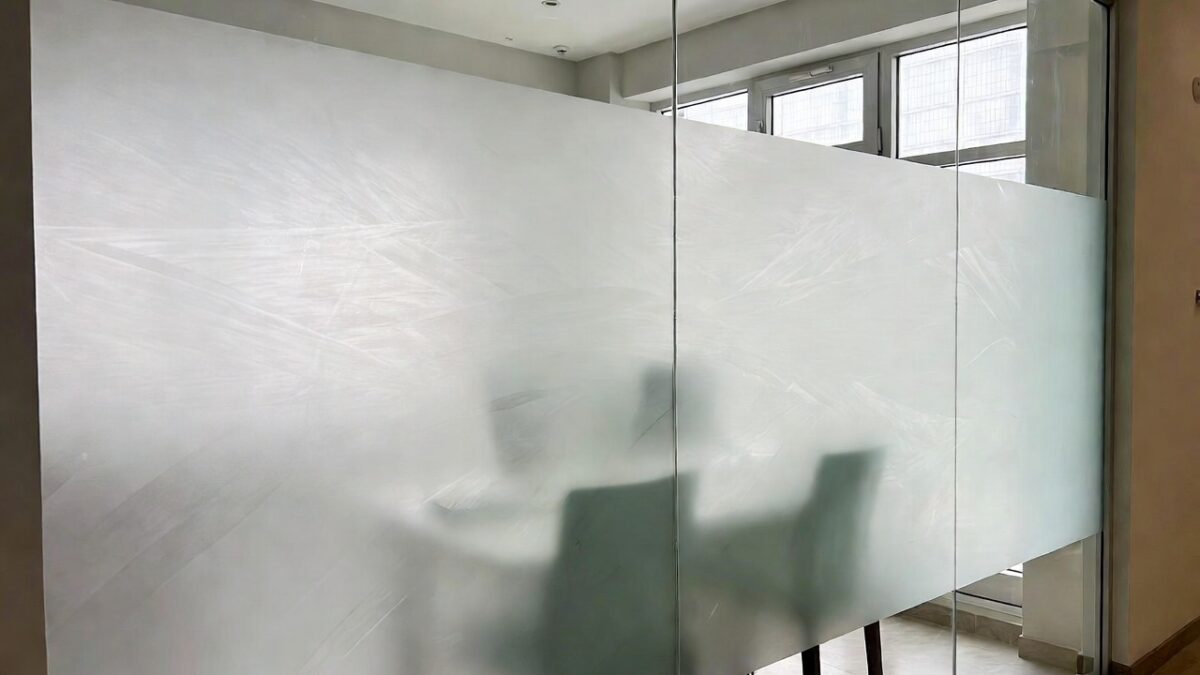
Office window films are applied directly to interior glass partitions. They help control visibility, reduce glare, and make glass easier to see, all without replacing the glass or closing off the space.

If you are looking for window films for office glass partitions in Toronto, this guide explains how they work, why local businesses use them, and when they make more sense than changing the layout.

What Window Films Are and How They Change Office Glass

Window films are thin layers installed onto glass surfaces. In offices, they are used on partitions, meeting rooms, and interior doors.

Toronto offices use glass more than ever. You see it in law firms near Bay Street, clinics in North York, and shared offices in Mississauga. Glass lets light move through the space, but it removes visual privacy.

Window films solve that issue.

They blur or block direct views, reduce screen glare, and help people notice clear glass panels. Some films are decorative. Others are plain and simple.

The film sits flat on the glass. It does not hang. It does not shift. It does not collect dust. Once installed, it becomes part of the glass.

Interior window films are installed by a window tinting service. The tools and skills are the same as window tinting, but the goal is privacy and comfort, not darkness.

If you want a broad overview, this page explains window films and how they are used across homes and offices.

Why Toronto Offices Choose Window Films for Glass Partitions

Office owners in Toronto tend to call for the same reasons.

One issue is density. Offices near Union Station, King West, and Yonge–Eglinton place teams close together. Glass partitions allow full sightlines across desks and rooms.

Another issue is sunlight. South- and west-facing offices in Etobicoke, Liberty Village, and Vaughan deal with strong afternoon sun. Light reflects off glass partitions and hits monitors.

Safety is also a concern. Large clear glass panels must be visible. People walk into them more often than most expect.

Window films help with all of these.

A consulting firm near Adelaide Street added frosted bands after staff said client meetings felt exposed. A physiotherapy clinic in Markham installed patterned film so patients felt less visible while walking past treatment rooms.

Both offices stayed bright. Both problems stopped.

Types of Window Films Used on Office Glass Partitions

Different window films do different jobs. Offices choose based on privacy needs and layout.

Frosted Window Films

Frosted window films blur views but allow light through. They are the most common choice for offices.

They are often used in boardrooms, HR offices, clinics, and shared work areas. Many Toronto offices apply frosting only at eye level.

This article explains what frosted window film is and why it works well in offices.

Decorative and Patterned Films

Decorative window films use lines, dots, or fades. They add privacy and also support branding.

Design studios and tech companies often choose this option to avoid plain white glass.

Gradient Window Films

Gradient films fade from clear to frosted. They block desk-level views but keep upper glass open.

This style shows up often in newer GTA offices.

Safety and Visibility Films

Some window films are used only to mark glass. They do not block views.

They help reduce walk-through accidents near hallways and stairwells.

How Window Films Are Installed in Toronto Offices

Most office window film installs do not stop daily work.

Installations often happen after hours or on weekends. Downtown offices plan around elevator schedules and building rules.

The process is simple.

  • Glass is cleaned fully
  • Film is measured and cut on site
  • Film is applied using a water solution
  • Edges are trimmed by hand
  • Film dries within one to two days

No dust. No fumes. No loud noise.

A small office in Vaughan may take a few hours. A full floor near the Financial District may take a weekend.

Bad installs show fast. Crooked lines, trapped dirt, and lifting corners are common signs.

This guide helps explain how to find professional window film installers in Toronto.

Window Films vs Replacing Office Glass

Many property managers ask if replacing glass is better.

Glass replacement costs more, takes longer, and often needs permits. It also creates dust and noise.

Window films install quickly, cost less, and can be removed later.

For leased offices in Toronto, window films usually make more sense.

This comparison explains window films versus full window replacement in simple terms.

Real Office Problems Window Films Fix in the GTA

These are the issues offices call about most.

  • Staff feel watched during the day
  • Clients see private meetings
  • Sun glare hits screens
  • People walk into clear glass
  • Offices want privacy without walls

A finance office near Sheppard Avenue added frosted film after staff said focus dropped during busy hours. A co-working space in Brampton used gradient film so members felt less exposed at shared desks.

Both offices kept natural light.

Seasonal Issues That Affect Toronto Offices

Winter sun sits low in Toronto. Glare is stronger from November to February.

In summer, long daylight hours keep glass bright late into the evening. West-facing offices feel this the most.

Window films help control light without changing the layout.

Natural Resources Canada explains how sunlight affects interiors here: NRCan window guidance.

Health Canada also explains indoor UV exposure here: Health Canada UV basics.

Choosing the Right Window Films for an Office

Not every office needs the same film.

Ask clear questions.

  • Do you need full or partial privacy?
  • Is branding part of the goal?
  • Is the space leased?
  • Is glare a daily issue?

A good window tinting service explains options using plain language and real samples.

Office Window Films in Toronto Workspaces

Glass offices are not going away. Comfort, privacy, and safety still matter.

Window films keep the clean glass look while fixing daily problems people notice fast.

If your office is in Toronto, North York, Scarborough, Etobicoke, Mississauga, Brampton, Vaughan, or Markham, window films are worth a serious look.

Glass should work for people, not against them. Window films help make that happen.

Categories
Window Films and Tinting Toronto

Expert Guide to Cost Of Window Tinting Service

When it comes to enhancing the comfort, energy efficiency, and aesthetics of your home or vehicle, window tinting is a solution worth considering. This expert guide will explore the costs associated with window tinting services, providing you with the insights you need to make an informed decision.

Window tinting offers numerous benefits, from reducing glare and heat to enhancing privacy and protecting interiors from harmful UV rays. However, understanding the costs involved is crucial to ensure that you get the best value for your investment.

Window tinting process

The cost of window tinting can vary significantly based on several factors. These include the type of film used, the size and number of windows, and whether the tinting is for a vehicle or a building. Let’s delve into each of these factors to provide a clearer picture of what you might expect to pay.

Factors Affecting the Cost of Auto Window Tinting

  1. Type of Film: The material of the tint film plays a significant role in determining the cost. Common types include dyed, metalized, hybrid, carbon, and ceramic films. Each offers different benefits, such as heat reduction, UV protection, and aesthetic appeal, with ceramic films often being the most expensive due to their superior quality.
  2. Vehicle Type and Size: The make and model of the vehicle can impact the cost. For instance, tinting a sedan will generally be less expensive than tinting an SUV or a van due to the larger window surface area.
  3. Labor Costs: Professional installation is recommended to ensure a high-quality finish. Labor costs can vary based on the installer’s expertise and location, but investing in skilled labor will likely save money in the long run by avoiding potential issues like bubbling or peeling.
  4. Warranty: Some tint films come with a warranty that can affect the overall cost. A longer warranty often indicates higher quality film and installation.

Cost of Car Window Tinting: What to Expect

For car owners, window tinting costs can range from $100 to $400 for standard, non-reflective film. For premium films, such as ceramic, the cost can rise to $800 or more, especially for larger vehicles.

Factors Influencing the Cost of Home Window Tinting

  1. Window Size and Quantity: Larger windows and greater numbers of windows will naturally increase the cost. Homes with expansive glass surfaces, such as floor-to-ceiling windows, will require more film and labor.
  2. Type of Tint: Similar to automotive tints, residential films come in various types, each providing different benefits. Options include solar, decorative, and security films, with prices varying accordingly.
  3. Complexity of Installation: Windows that are difficult to access, or that have intricate designs, may require more labor and thus higher costs.
  4. Energy Savings: While there is an upfront cost, it is important to consider the potential energy savings. Tinting can significantly reduce cooling costs by blocking heat from entering your home, offering long-term financial benefits.

Cost of Window Tinting for Homes

For residential properties, window tinting costs can range from $5 to $8 per square foot. High-performance films may cost more, but they offer enhanced features such as greater UV protection and heat reduction.

Benefits of Window Tinting

Energy-efficient home windows

Investing in window tinting is not just about the initial cost; it’s also about the long-term benefits. Here are some compelling reasons to consider window tinting for your home or car:

  • Energy Efficiency: Window tinting can reduce your energy bills by minimizing the need for air conditioning, making it an eco-friendly choice.
  • UV Protection: Tint films block harmful UV rays, protecting your skin and preventing fading of interior furnishings.
  • Increased Privacy: Tinted windows provide added privacy without compromising natural light.
  • Enhanced Aesthetics: With various tint shades and styles available, window tinting can enhance the look of your home or vehicle.
  • Glare Reduction: Tints reduce glare from the sun, making indoor spaces and driving safer and more comfortable.

Choosing the Right Window Tinting Service

Selecting a reputable tinting service is crucial to ensure you receive quality results. Here are some tips to guide your decision:

  1. Research and Reviews: Look for companies with positive customer reviews and a strong reputation in the industry.
  2. Experience and Expertise: Choose a service with experienced professionals who can offer expert advice and high-quality installation.
  3. Warranty and Support: Opt for services that provide a warranty on their products and installations, offering peace of mind and protection against defects.
  4. Consultations: Many companies offer free consultations to discuss your needs and provide cost estimates. This is a great opportunity to ask questions and evaluate your options.

Conclusion

Professional window tinting installation

by Laurence Ziegler (https://unsplash.com/@laurenceziegler)

Window tinting is a valuable investment for both homes and vehicles, offering numerous benefits that enhance comfort, efficiency, and aesthetics. While the cost can vary based on several factors, the long-term advantages make it a worthwhile consideration.

By understanding the costs and benefits, as well as choosing a reputable service provider, you can ensure a successful tinting project that meets your specific needs. Whether you’re looking to improve energy efficiency, increase privacy, or enhance the look of your space, window tinting is a smart and stylish solution.

Remember, the key to a successful tinting project lies in choosing the right film and the right professionals to install it. With this guide, you’re now equipped with the knowledge to make an informed decision that suits your budget and preferences. Happy tinting!“`

Categories
Window Films and Tinting Toronto

Retail Storefront Privacy Solutions Using Window Films in Toronto and the GTA

Window films are one of the most searched storefront upgrades for retail businesses in Toronto. Store owners look for window films when their glass feels too open, too bright, or too visible after dark. For many shops, window films fix daily problems without changing the windows or blocking natural light.

Retail storefront privacy solutions using window films help control what people see through large glass fronts. The film installs directly on existing glass. No new frames. No construction mess. No lost business hours.

Across Toronto and the GTA, modern retail spaces rely on floor-to-ceiling windows. During the day, that glass looks clean and open. At night, and during long winter evenings, the same glass exposes everything inside. Staff movement. Cash counters. Storage rooms. High-value items.

Window films help balance privacy, glare control, and comfort while keeping stores bright. This guide explains how storefront window films work, why local retailers rely on them, and which types solve real problems in Toronto neighbourhoods.

Why Retail Stores in Toronto Use Window Films

Most store owners don’t plan to install window films. They react after the same issue keeps happening.

Night visibility is one of the biggest reasons. When it’s dark outside and lights stay on inside, everything becomes visible. A small electronics shop near Dufferin and Bloor noticed people stopping every night to look inside. No break-in happened, but the pattern felt wrong. After adding privacy window films to the lower glass, the late-night attention stopped.

Customer comfort is another reason. In salons, clinics, and specialty retail, people don’t like being watched from the sidewalk. This comes up often in Yorkville and Leslieville. Customers rush appointments. They leave early.

Window films soften that feeling. They block direct sightlines while letting light through.

Sun glare causes problems all year. Large storefront windows bring glare that makes screens hard to read. Displays fade faster. Window films reduce glare and help manage heat while keeping the store bright.

Some retailers also use window films to guide attention. Films help focus customers on displays instead of staff areas or back counters.

Common Types of Window Films Used for Storefront Privacy

Not all window films do the same job. Choosing the wrong one causes issues. This happens often with cheap DIY rolls that peel after a few days.

Frosted Window Films

Frosted window films blur views while allowing daylight to pass through. They work during the day and at night. Clinics, salons, and boutiques use them most.

This guide explains what frosted window film is using simple examples.

One-Way and Reflective Window Films

One-way window films work best during the day. When outside light is stronger, people cannot see inside. At night, the effect changes if interior lights are brighter.

This article explains one-way privacy window film and when it works best.

Decorative Window Films

Decorative window films include patterns, stripes, or logos. They add privacy and structure. These films are common in newer retail spaces in Vaughan and Markham.

Window Films That Help With Heat and UV

Some window films reduce heat and UV exposure while adding privacy. South-facing storefronts near open plazas often use these films.

This article explains how solar window films help control heat and sunlight.

Why Professional Window Film Installation Matters

Retail storefront window films are not a DIY job. Glass types vary. Storefronts are rarely square. Older buildings shift over time. New glass coatings react differently.

A store in Old Toronto behaves very differently from a newer plaza in Mississauga. The same window film can perform differently on each.

Install timing matters too. Many installs happen early morning or after closing. Local installers understand foot traffic and retail hours.

Leases matter as well. Some storefronts limit how much street-facing glass can be covered. A local installer helps plan coverage that looks right and avoids issues later.

If you’re deciding between doing it yourself or hiring a pro, this comparison of DIY window films vs professional installation explains why pro installs last longer.

Window Films vs Replacing Storefront Glass

Some store owners ask if replacing the glass is better. Most of the time, it isn’t.

Full window replacement costs more and takes longer. It often needs permits. It still doesn’t fix glare or privacy unless more products are added.

Window films solve the same visibility problems faster and with less disruption.

This article explains the benefits of choosing window films over replacements in plain language.

New Local Examples From Toronto Retail Spaces

A café near King East added frosted window films to the lower half of its storefront. Morning glare dropped right away. Staff stopped squinting at screens. Walk-in traffic stayed steady.

A beauty supply shop in North York added decorative window films with light frosting. People waiting outside no longer stared inside. Customers felt more relaxed. Sales stayed the same.

Seasonal Problems Window Films Solve in Toronto

Toronto winters get dark early. Interior lights turn on by late afternoon. Visibility from outside increases fast.

Summer brings strong sun angles. Heat builds up. Displays fade faster.

Window films help year-round. They manage light in summer and privacy in winter.

For general background, this overview on window films explains how they work.

Health Canada explains why indoor sunlight control matters on their sun safety page.

Are Window Films Worth It for Retail Storefronts?

Yes. They remove daily stress points.

Retail owners report calmer spaces. Staff feel less watched. Customers stay longer. Glare drops.

Window films don’t change how a store looks. They change how it feels.

If your storefront glass feels like a problem instead of a feature, window films usually solve that.

Quick Answers About Storefront Window Films

Window films install on existing glass.

They manage privacy, glare, and comfort.

Most films are removable and lease-friendly.

Professional installs last longer and look cleaner.

Different films work for day use, night use, or both.

If you run a retail space in Toronto, North York, Scarborough, Etobicoke, Vaughan, Markham, Richmond Hill, Mississauga, or Brampton, start with one simple question.

What do you want people to stop seeing?

The answer usually points to the right window film quickly.

Categories
Window Films and Tinting Toronto

Before You Buy Cost Of Commercial Window Tinting

When considering ways to enhance the aesthetics and energy efficiency of a commercial space, window tinting is a compelling option. Not only does it offer privacy and reduce glare, but it also contributes to energy savings, making it a smart investment for any business. Window tinting can transform a stark, ordinary building facade into a sleek and modern-looking structure, adding to the overall value and appeal of the property. However, understanding the cost of commercial window tinting can be a bit complex. This guide will help you navigate the factors that influence pricing and what you should know before making a purchase. By the end, you’ll be equipped to make a well-informed decision that aligns with your business goals and budget.

Modern commercial building with tinted windows

Commercial window tinting involves applying a thin film to the interior or exterior of windows. This film can be made from a variety of materials and offers multiple benefits, such as reducing heat and glare, increasing privacy, and enhancing the overall appearance of a building. The process involves careful selection and application of the film to ensure optimal performance, requiring skilled professionals to avoid common pitfalls like bubbling or peeling. Window tinting can be tailored to meet specific needs, whether you’re looking to reduce energy consumption, improve security, or simply give your building a facelift.

Benefits of Window Tinting

  1. Energy Efficiency: By reducing the amount of heat entering a building, window tinting can significantly lower cooling costs. This reduction in energy use not only cuts down on utility bills but also supports environmental sustainability by reducing the carbon footprint of the building. In regions with extreme temperatures, the savings on air conditioning can be substantial, sometimes leading to a return on investment within just a few years.
  2. UV Protection: Tinted windows block harmful UV rays, protecting both people and furnishings inside the building. Prolonged exposure to UV rays can cause skin damage and fade furnishings, artwork, and flooring. By minimizing UV exposure, window tinting helps preserve the interior of your building, extending the life of your furnishings and maintaining the vibrant colors of decor elements.
  3. Privacy and Security: Tinted films can enhance privacy by preventing outsiders from seeing inside, while also strengthening the glass. This added layer of security can deter potential break-ins, as the film holds shattered glass together, making it more difficult for intruders to gain entry. Privacy tinting is especially beneficial for businesses that handle sensitive information or require a confidential environment for their clients.
  4. Glare Reduction: This makes workspaces more comfortable and productive by reducing eye strain. Glare on screens can be a significant distraction, leading to decreased productivity and increased discomfort for employees. By minimizing glare, window tinting creates a more conducive work environment, allowing employees to focus better and maintain higher levels of efficiency throughout the day.

Factors Influencing the Cost of Commercial Window Tinting

Several factors affect the cost of window tinting for commercial spaces. Understanding these can help you make an informed decision. Each factor plays a critical role in determining the overall expense, and it’s essential to weigh these considerations against the benefits they offer.

Type of Film

The type of film you choose is one of the main cost determinants. Films can be made from materials such as dyed, metalized, carbon, or ceramic. Each type has its pros and cons, and prices can vary significantly.

  • Dyed Films: These are usually the most affordable but may not last as long. They offer basic heat and glare reduction but might fade over time, which can affect the visual appeal of your building. Despite their lower cost, dyed films might require more frequent replacement, which could increase long-term expenses.
  • Metalized Films: Offer better heat reduction but can interfere with phone and GPS signals. They consist of tiny metal particles that reflect heat and light, providing excellent insulation. However, the metallic content can disrupt electronic signals, which might be a concern for businesses heavily reliant on wireless communications.
  • Ceramic Films: These are often the most expensive but provide superior performance without signal interference. They use advanced technology to block heat and UV rays effectively, maintaining clear visibility without the reflectivity issues associated with metalized films. The durability and performance of ceramic films often justify their higher price, especially for businesses seeking long-term solutions.

Size and Number of Windows

Large office windows with tinted film

The size and number of windows you need to tint directly affect the cost. Larger windows or a higher number of windows will increase both material and labor costs. Additionally, unique window shapes or oversized panels may require custom solutions, further impacting the price. It’s crucial to measure and assess your windows accurately to get a precise estimate and avoid unexpected costs.

Installation Complexity

If your building has windows that are difficult to access or require special installation techniques, this can also increase the cost. For instance, high-rise buildings may require special equipment and safety measures. The complexity of the installation can also be influenced by the window shape, existing window treatments, and any structural challenges. Investing in a professional installer with experience in handling complex projects can ensure a seamless application and long-lasting results.

Quality of Installation

Quality should not be compromised when it comes to installation. Professional installation ensures that the film is applied smoothly and lasts longer, which might add to the initial cost but saves money in the long run through durability and performance. A skilled installer will also provide a warranty or guarantee, offering peace of mind that any issues will be addressed promptly. Poor installation can lead to bubbles, peeling, and reduced effectiveness, ultimately negating the benefits of your investment.

Average Costs of Commercial Window Tinting

While costs can vary widely, here are some average estimates to help guide your budgeting:

  • Basic Films: $5 to $7 per square foot. These films offer essential benefits like glare reduction and basic UV protection, suitable for businesses with tight budgets or those looking for a temporary solution.
  • High-Performance Films: $7 to $10 per square foot. These films provide enhanced benefits, including better heat rejection and durability, making them ideal for businesses seeking a balance between cost and performance.
  • Specialty Films: $10 to $15 per square foot. Specialty films, such as those offering decorative or privacy features, are tailored to specific needs and often include advanced technology for maximum efficiency and aesthetics.

These costs typically include both the film and professional installation. It’s important to get multiple quotes and compare offerings to ensure you’re getting the best value for your money.

How to Choose the Right Window Tinting Solution

To select the best window tinting solution for your commercial space, consider the following:

Determine Your Priorities

Are you more concerned with reducing energy costs, enhancing privacy, or improving aesthetics? Different films offer different benefits, and identifying your priorities will help narrow down your options. Understanding your specific needs will allow you to focus on the features that matter most to your business, ensuring you choose a solution that aligns with your strategic goals.

Consider Longevity and Maintenance

While some films may be cheaper initially, they might not last as long. Consider the lifespan of the film and any maintenance it might require. A film that requires frequent maintenance or has a shorter lifespan might incur additional costs over time, negating any initial savings. Investing in a higher-quality film may offer better durability and require less upkeep, providing better long-term value.

Seek Professional Advice

Consulting with a professional installer can provide valuable insights. They can assess your specific needs, recommend the best type of film, and provide an accurate cost estimate. A professional can also help you navigate the complexities of local regulations and building codes, ensuring compliance and avoiding potential legal issues. Their expertise can guide you in making a decision that maximizes both performance and cost-efficiency.

Real-Life Example: The Office Building Transformation

Office building with energy-efficient tinted windows

by Felix Lemke (https://unsplash.com/@felix_lemke)

Consider an office building that decided to invest in high-quality ceramic window tinting. The initial cost was higher compared to other options, but the building saw a 30% reduction in energy bills within the first year. Additionally, employee productivity increased due to reduced glare and more comfortable working conditions. This case highlights how investing in quality can lead to significant long-term savings and benefits. The enhanced comfort and aesthetics also improved the building’s marketability, attracting more tenants and increasing its rental value.

Conclusion: Making an Informed Decision

Understanding the cost of commercial window tinting involves considering various factors including the type of film, size of windows, and installation complexity. By prioritizing your needs and consulting with professionals, you can choose a solution that offers the best value for your investment. Remember, while initial costs are important, the long-term benefits of energy savings, enhanced aesthetics, and improved comfort can far outweigh the upfront expense.

Choosing the right commercial window tinting can transform your business space into a more efficient, secure, and appealing environment. Whether you’re an interior designer looking for stylish solutions or a business owner aiming to cut energy costs, window tinting is an option worth considering. By taking the time to research and plan, you can ensure that your investment not only meets immediate needs but also contributes to the future success and sustainability of your business.

Categories
Window Films and Tinting Toronto

Trends in Comparison Of Window Tint Film

Modern home with tinted windows

Over the years, window tinting has evolved from a niche market into a mainstream home improvement solution. This surge in popularity can be attributed to a combination of factors, including growing environmental awareness, advances in technology, and a heightened focus on home aesthetics. As more people become aware of the benefits that window tinting can bring, its adoption has extended beyond residential settings to commercial spaces as well. Businesses are beginning to recognize that window tinting can enhance the comfort and energy efficiency of their buildings, making it a worthwhile investment.

Environmental Impact and Energy Efficiency

Today’s homeowners are more conscious than ever about their carbon footprint. Window tint films play a significant role in reducing energy consumption by minimizing heat gain in the summer and heat loss in the winter. This results in lower energy bills and a reduced environmental impact, making it an attractive option for eco-conscious clients. Furthermore, as governments and organizations push for greener building practices, window tinting becomes an essential component of energy-efficient home designs. Not only does it contribute to a reduction in the reliance on heating and cooling systems, but it also supports the broader goals of sustainable architecture.

Aesthetic Appeal and Privacy

Window tints offer a sleek, modern look that can significantly enhance the aesthetic appeal of a home. Available in a variety of shades and finishes, they provide an added layer of privacy without sacrificing style. Whether your client desires a reflective finish for a contemporary feel or a frosted look for a classic touch, there’s a window tint film to match any design preference. Moreover, window tints allow homeowners to enjoy natural light without compromising on privacy, creating a serene and comfortable living environment. The ability to tailor the level of opacity and color ensures that each space can have its unique ambiance, aligning with the personal tastes and preferences of the occupants.

Key Trends in Window Tint Film

Different types of window tint films

As the market for window tint films continues to grow, several key trends have emerged. These trends not only reflect technological advancements but also align with changing consumer preferences. As interior design evolves, window tint films have become a vital tool for designers looking to balance functionality with creativity. Keeping abreast of these trends allows designers to offer forward-thinking solutions that meet the diverse needs of their clients.

Smart Window Films

One of the most exciting developments in window tinting technology is the advent of smart window films. These films can change their opacity with the touch of a button or through an app, providing on-demand privacy and shading. For clients who value both convenience and innovation, smart films offer a cutting-edge solution. These films are ideal for modern smart homes, seamlessly integrating with other automated systems to enhance overall home management. This technology not only improves comfort but also provides energy-saving opportunities by optimizing natural light and temperature control.

Decorative Films

Gone are the days when window tints were limited to plain black or gray. Decorative films are now available in a myriad of patterns and colors, allowing designers to add a unique flair to any space. From geometric designs to floral motifs, decorative films can serve as a statement piece or complement existing interior decor. They offer the flexibility to transform ordinary windows into works of art, adding a layer of personality and character to any room. These films are particularly popular in commercial spaces, where branding and design cohesion are vital, offering businesses a way to enhance their corporate identity.

Anti-Glare and UV Protection

As more people work from home, reducing screen glare has become a priority. Anti-glare window films provide a practical solution by minimizing reflections on screens and surfaces. Additionally, these films offer protection against harmful UV rays, preserving the longevity of furnishings and protecting skin health. The dual benefits of comfort and protection make these films a valuable addition to any home office or living space. They also help to maintain the quality and color of interior fabrics and finishes, preventing fading and wear that can occur over time due to sun exposure.

Security and Safety Films

For clients concerned about safety, security window films offer peace of mind. These films are designed to hold glass together in the event of an impact, reducing the risk of injury from shattered glass. This added layer of protection makes them an ideal choice for homes in areas prone to storms or for families with young children. Security films are also beneficial for commercial properties, where the risk of break-ins or vandalism is a concern. By reinforcing glass windows and doors, these films can deter potential intruders and provide an extra level of security for valuable assets.

Comparing Window Tint Film Options

Comparison chart of window tint films

by Yue WU (https://unsplash.com/@samuelwu)

When selecting window tint films for your clients, it’s essential to consider various factors, including performance, aesthetics, and cost. Here’s a comparison of some popular options. Each type of film offers distinct advantages and potential drawbacks, making it crucial to align the selection with the specific goals and challenges of the project at hand.

Dyed Window Films

Dyed films are a cost-effective choice for those primarily interested in aesthetics and privacy. They offer a non-reflective finish and can be customized to various shades. However, they are less effective at blocking heat compared to other types of films. Despite this, their affordability and versatility make them a popular choice for residential applications where budget constraints are a significant consideration. They also provide a subtle enhancement to the window’s appearance, making them suitable for those who prefer a more understated look.

Metalized Window Films

Metalized films contain tiny metallic particles that reflect heat and UV rays. They are highly effective at reducing heat gain and offer excellent glare reduction. However, their reflective appearance may not suit all design aesthetics. These films are particularly beneficial in climates with intense sunlight, where heat control is a priority. While they may not blend seamlessly with all architectural styles, they offer unmatched performance in energy efficiency, making them a worthy consideration for specific projects.

Ceramic Window Films

Ceramic films are a premium option that combines the benefits of metalized and dyed films without the downsides. They offer excellent heat rejection and UV protection while maintaining a clear, non-reflective appearance. This makes them an ideal choice for clients seeking high performance without compromising on style. Known for their durability and superior clarity, ceramic films are often favored in high-end residential and commercial projects where quality and longevity are paramount. Their subtle elegance also ensures they complement a wide range of design aesthetics.

Hybrid Films

Hybrid films combine features from dyed and metalized films, offering a balance between cost and performance. They provide good heat rejection and a moderate level of privacy, making them a versatile choice for various applications. This adaptability makes hybrid films particularly appealing for projects where both aesthetic and functional needs must be met without exceeding budget constraints. By offering a middle ground, these films allow clients to enjoy the benefits of advanced tinting technology without the premium price tag associated with more specialized films.

Installation Considerations

When advising clients on window tint film installations, it’s crucial to consider the specific needs of their space. Factors such as window orientation, local climate, and personal preferences will influence the choice of film. Understanding these variables ensures that the selected film not only meets aesthetic goals but also delivers optimal performance in terms of energy efficiency and comfort.

Professional Installation vs. DIY

While DIY window tint kits are available, professional installation is recommended for optimal results. A skilled installer will ensure that the film is applied smoothly and without bubbles, providing a flawless finish that enhances the overall appearance of the space. Professional installation also guarantees that the film is correctly fitted to the specific dimensions and configurations of each window, maximizing its effectiveness. The expertise of a professional can prevent common pitfalls associated with DIY applications, such as improper alignment and air pockets, ensuring a long-lasting and visually appealing result.

Maintenance and Care

To prolong the life of window tint films, regular maintenance is essential. Clients should be advised to clean their tinted windows with a soft cloth and non-abrasive cleaner to prevent scratches and maintain clarity. Proper maintenance not only extends the life of the film but also preserves its aesthetic and functional qualities over time. By educating clients on the importance of gentle cleaning methods and regular upkeep, designers can help ensure that the benefits of window tint films are enjoyed for years to come.

Conclusion

Window tint films are a versatile and effective solution for enhancing both the function and appearance of a home. By staying informed about the latest trends and options, interior designers can provide their clients with innovative, eco-friendly solutions that align with their aesthetic and functional needs. These films not only offer immediate benefits in terms of comfort and style but also contribute to long-term energy savings and environmental sustainability.

As you explore these options, remember that the right window tint film can transform a space, offering both style and substance. Embrace these trends to create beautiful, energy-efficient environments that your clients will love. By incorporating window tint films into your design toolkit, you can elevate your projects, providing spaces that are not only visually appealing but also highly functional and sustainable.