Categories
Window Films and Tinting Toronto

What Are Window Films? Everything You Need to Know for Homes and Businesses in Toronto

Window films are one of the most searched upgrades for homes and businesses in Toronto and the GTA, and for good reason. People search for window films when rooms feel too hot, screens have glare all day, privacy disappears at night, or furniture starts fading faster than expected.

If you searched “window films Toronto” or “window films near me,” you’re likely dealing with one of those problems right now. This guide explains what window films are, how they work, and why so many property owners across Toronto, North York, Scarborough, Vaughan, Markham, and Mississauga use them instead of replacing windows.

This is written in plain language, based on real installs, real mistakes people make, and what actually works in the GTA climate.

What Are Window Films and What Do They Actually Do?

Window films are thin layers of material applied directly to glass. They change how the glass handles sunlight, heat, UV rays, and visibility. They do not replace the window. They upgrade it.

Most window films are installed on the inside of the glass. Once applied, they reflect or absorb solar energy before it enters the room. That single change affects comfort, privacy, fading, and safety.

In Toronto homes and offices, window films are commonly used for:

  • Reducing heat from strong afternoon sun
  • Cutting glare on TVs, laptops, and office screens
  • Blocking UV rays that fade floors and furniture
  • Adding daytime or full-time privacy
  • Improving glass safety on doors and storefronts

Window films are not paint. They are not spray-on coatings. They are engineered products with layers that each serve a job. Some layers reflect heat. Some absorb UV. Some control light. Some hold glass together when it breaks.

If you want a full overview of the different categories, this is a good starting point: window films.

Why Window Films Matter More in Toronto and the GTA

Toronto buildings deal with wide temperature swings. Hot summers. Cold winters. Strong sun angles in spring and fall. Many buildings were not designed for today’s glass-heavy layouts.

Condos downtown often have floor-to-ceiling windows facing west or south. Homes in Scarborough and Etobicoke have large front windows with no shade. Offices in North York and Vaughan struggle with glare all afternoon.

Window films help balance those issues without tearing out windows.

One condo owner near Harbourfront had a living room that was 4 to 5 degrees hotter than the rest of the unit every summer afternoon. After installing heat-control window films, the temperature difference dropped to about 1 degree. The room became usable again. No window replacement. No blackout curtains.

That type of result is common when the film matches the glass and the sun direction.

Government resources explain why glass is a major source of heat gain and loss in Canadian buildings, which helps explain why films work the way they do. Natural Resources Canada covers this in their window efficiency guides.

How Window Films Work Once Installed

After installation, window films begin working right away, but full performance improves as the adhesive cures.

Here is what happens:

  • Solar heat hits the glass
  • The film reflects or absorbs part of that energy
  • Less heat enters the room
  • Glare drops and comfort improves

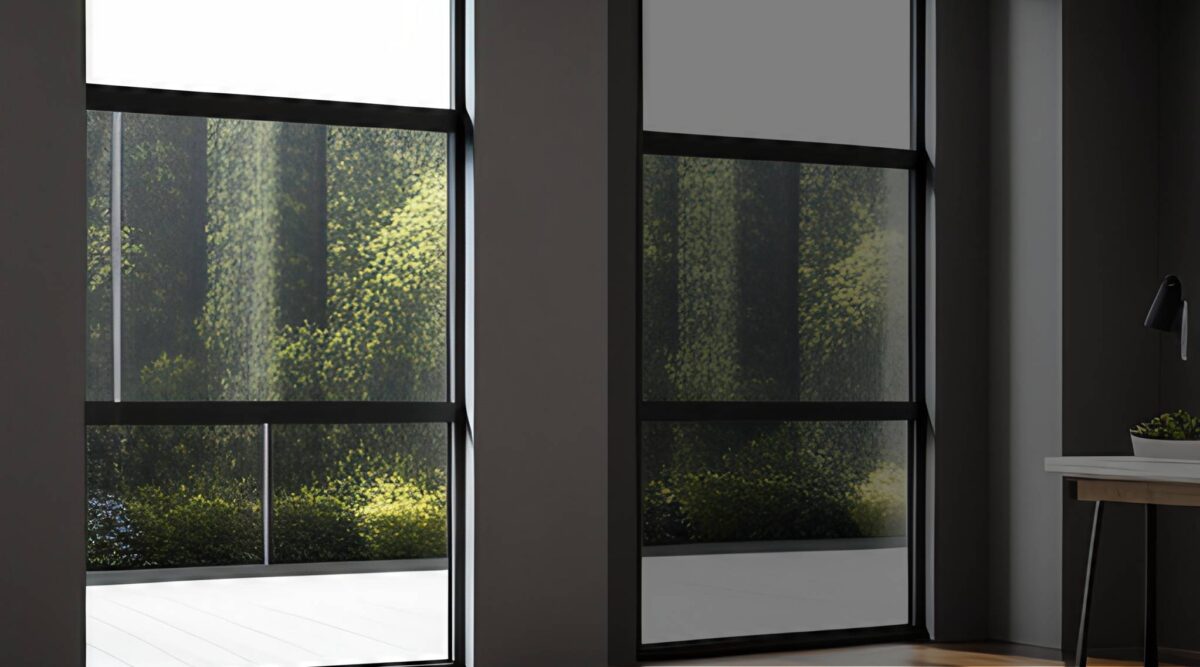
Some window films are nearly clear and focus on heat and UV control. Others are darker or reflective and focus more on glare and privacy. Frosted and decorative films block visibility while keeping light.

In winter, window films also help slow heat loss. They do not replace insulation, but they help reduce cold drafts near windows. This is noticeable in older Toronto homes with large panes.

Film performance depends on glass type. Double-pane, Low-E, tempered, and laminated glass all react differently. Using the wrong film can stress window seals. That’s why glass assessment matters before choosing a film.

A detailed breakdown of what affects film choice is covered here: key considerations when installing window films.

Common Problems Window Films Solve

Most people look into window films because something feels off in their space.

Heat is the most common issue. South- and west-facing windows collect strong sun, especially in summer. Solar window films reduce heat buildup and make rooms feel more even.

Glare is another big one. Offices with glass walls and homes with open layouts struggle with screen visibility. Window films cut glare without turning rooms dark.

UV damage sneaks up slowly. Hardwood floors fade. Furniture changes colour. Retail displays bleach out unevenly. Window films block most UV rays and slow that damage.

Privacy becomes a concern after dark. Condos and ground-level homes feel exposed. Frosted and privacy window films limit visibility while keeping natural light. This guide explains common privacy setups: privacy window film options.

Security matters for storefronts and glass doors. Security window films help hold broken glass together and delay entry. This can reduce damage during break-ins. Learn how that works here: security window films.

Case Study: Retail Storefront in Midtown Toronto

A small retail shop near Yonge and Eglinton had two problems. Strong sun faded products near the window, and staff felt exposed at night.

The owner installed UV-blocking window films combined with a light privacy film. The space stayed bright during the day. Products stopped fading at the same rate. At night, visibility into the store dropped.

The change was simple, but it solved two issues at once without altering the storefront look.

Professional Window Films vs DIY Film

DIY window films often look fine at first. Problems show up later.

Common issues include trapped dust, bubbles that never disappear, lifting edges, uneven darkness, and peeling during winter.

Professional window films last longer because:

  • The film matches the glass type
  • The glass is properly cleaned
  • The film is cut to fit the real window
  • The adhesive cures correctly

There is also accountability. If something fails, it gets fixed. That matters on large windows and commercial projects.

If you want a side-by-side comparison, this article breaks it down clearly: DIY window films vs professional installation.

Window Films vs Window Replacement

Many Toronto property owners ask if they should replace windows instead.

Window replacement can help, but it is expensive, disruptive, and not always possible in condos or commercial buildings.

Window films improve existing glass at a fraction of the cost and time. For many homes and offices, films solve the problem without replacement.

This comparison helps explain when each option makes sense: window films vs window replacements.

What to Expect During Window Film Installation

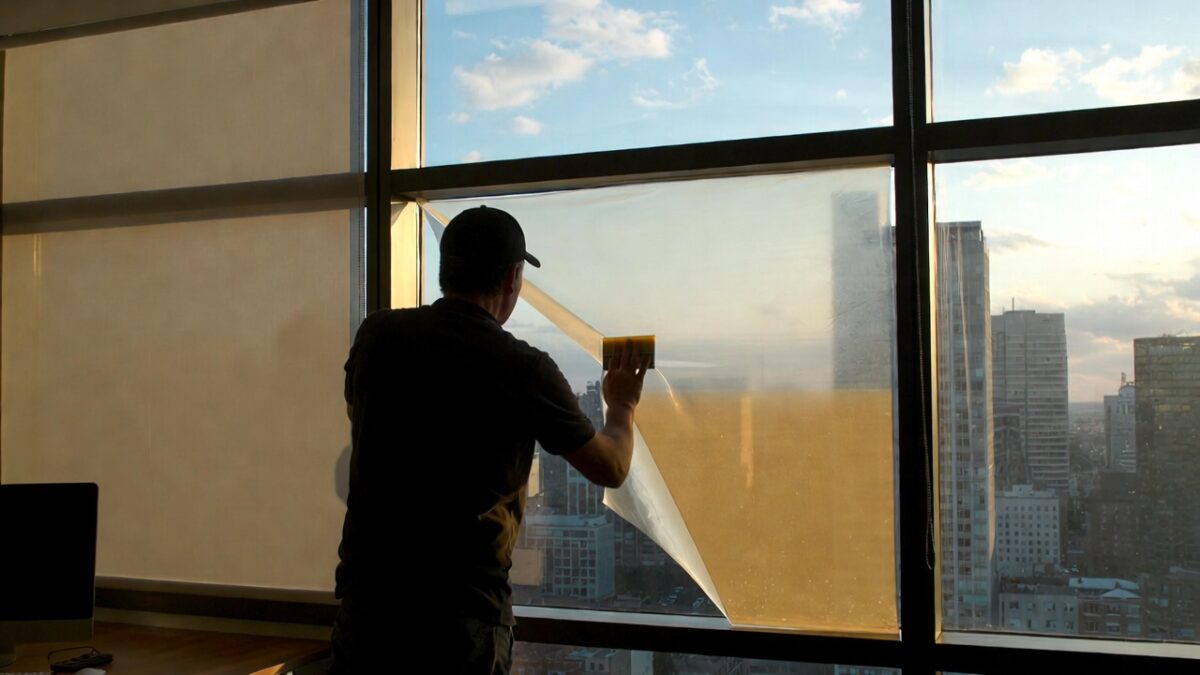
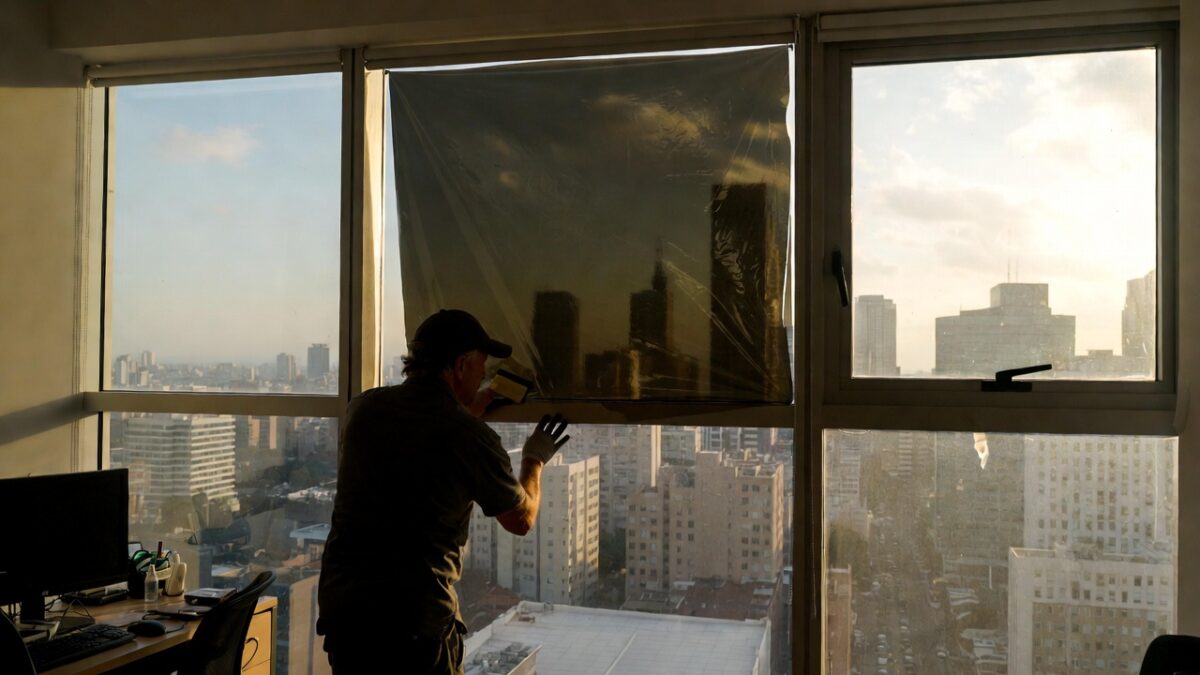
Most window film installs in Toronto and the GTA take a few hours. Homes are often completed in one day. Offices can be staged to avoid downtime.

You can stay in the space during installation. There is no demolition and no loud tools.

After installation, films need time to cure. Avoid cleaning for a few days. Use soft cloths and mild cleaners after that.

Results are noticeable quickly. Rooms feel calmer. Glare drops. Comfort improves after the first sunny day.

Why Local Experience Matters

Toronto buildings are not all the same. Condo rules, glass types, sun exposure, and seasonal shifts all matter.

Installers who work across the GTA understand these patterns. They know which films work on downtown condo glass, older homes, and commercial storefronts.

This local experience reduces mistakes and improves results.

Thinking About Window Films for Your Space?

If heat, glare, fading, privacy, or safety is bothering you, window films are worth a closer look. They are one of the few upgrades that improve comfort without changing how a space looks.

If you want help choosing the right option or understanding what fits your building, visit Tintly Window Films to learn more or request guidance.

Good window films fade into the background. You stop noticing the problem you had. That’s usually the goal.

Categories
Window Films and Tinting Toronto

Window Films in Toronto and the GTA: Costs, Uses, and What Affects Pricing

If you are searching for window films in Toronto or the GTA, you are probably dealing with a problem that keeps showing up. Rooms that overheat in July. Sun glare that makes work harder. People outside who can see straight in. Or energy bills that feel off, even when nothing else changed.

Window films are one of the most searched window upgrades in Toronto right now. Homeowners, shop owners, and office managers all ask the same thing.

How much do window films cost to install, and why does pricing change so much?

The answer is not one number. Window films behave differently depending on the glass, the building, and how the space is used. Once you see how window films work in real Toronto homes and businesses, pricing starts to make sense.

This guide explains what window films are, how installation costs work, and what pushes prices up or keeps them lower across the GTA.

If you want a full starting point, this overview on window films explains the basics and how different films are used.

What Are Window Films and Why People Use Them

Window films are thin layers applied to glass. They change how glass handles heat, light, UV rays, privacy, or impact. Some films do one job. Others handle a few at once.

In Toronto, window films are often used to fix:

  • Heat buildup in summer
  • UV damage to floors and furniture
  • Glare on screens and TVs
  • Lack of privacy near sidewalks
  • Glass safety concerns

Many people think they are paying only for the film itself. That is not how professional window film installs work.

Pricing usually includes measuring the glass, surface prep, installation, cleanup, and warranty support. The film roll is only part of the job.

How Much Do Window Films Cost to Install in Toronto?

Window film installation in Toronto and the GTA is usually priced by square footage. The final number depends on the film type and how easy the glass is to work with.

Typical price ranges look like this:

  • Solar or privacy window films: $6 to $12 per square foot
  • Decorative or frosted window films: $8 to $14 per square foot
  • Security window films: $10 per square foot and up

These are average ranges. A small job with easy access can land near the lower end. Tall glass, tight access, or strict building rules push prices higher.

If you want to see how installers break pricing down, this guide on window film installation costs explains how square footage and labour are counted.

Why Window Film Pricing Changes Across Toronto

People often compare Toronto quotes with prices they see online and get confused. Most online numbers are not based on dense cities or older buildings.

Local factors that affect window film pricing include:

  • Older double-pane glass in many GTA homes
  • Condo rules for elevator bookings
  • Winter installs that take longer
  • Limited parking downtown

A detached home in Oakville and a condo near Yonge and Bloor may use the same window film, but install time and setup are very different.

Window Films for Homes and What Affects Cost

Homeowners usually choose window films to improve comfort. Heat control is a big one. UV damage comes up a lot. Privacy matters in neighbourhoods close to sidewalks.

Residential installs often cost less because access is easier. Prices rise when windows are tall, angled, or hard to reach.

One recent example came from a semi-detached home in East York. The owner added solar window films to front-facing windows only. The goal was to lower heat while keeping rooms bright. The glass size was standard, so the project stayed closer to the lower end of pricing.

Another case involved a bungalow in Scarborough with large west-facing windows. Afternoon heat was the main issue. A higher-grade solar film was used, which raised the material cost, but the home cooled down faster and AC ran less.

Many homeowners also compare film to replacing windows. This comparison of window films vs window replacements explains why film is often the lower-cost fix when the glass itself is still in good shape.

Window Films for Businesses and Why Pricing Is Higher

Commercial window film installs usually cost more. The main reasons are scale and scheduling.

Business installs often involve:

  • Large glass panels
  • Working around staff or customers
  • After-hours installs
  • Safety rules for lifts

A small café in Leslieville recently added privacy window films to street-facing glass. The goal was to block direct views while keeping daylight. The work was done early morning before opening. Labour time affected the price more than the film.

Another example came from a dental clinic in Mississauga. The clinic added frosted window films to treatment room glass. Privacy rules mattered more than heat control. The project cost more due to detailed cutting and clean edges.

Retail shops and offices also add security window films after break-ins. If that applies to your space, this guide on security film installation explains why proper installs matter.

Do Window Films Help Lower Energy Costs?

For many Toronto homes and businesses, yes.

According to Natural Resources Canada, heat gain through windows plays a big role in summer cooling costs. Solar window films block heat before it enters the room.

In real GTA installs, indoor temperatures often drop by 3 to 5 degrees. AC systems run less. Rooms feel more even.

Window films also block most UV rays. The Skin Cancer Foundation confirms UV exposure happens indoors through untreated glass. This helps protect floors, furniture, and retail displays.

Privacy with Window Films Without Dark Rooms

Privacy is one of the main reasons people choose window films in Toronto.

Many GTA neighbourhoods sit close to sidewalks. Curtains block light. Blinds make rooms feel closed in. Privacy window films let light in while limiting outside views.

Homes in The Junction and parts of North York often use lighter privacy films on front windows. Offices use patterned or frosted films for meeting rooms.

If privacy is your main concern, this guide on privacy window films explains the different options.

How Window Film Quotes Are Given

Most professional installers will not give a firm price without seeing the glass. That is normal.

A proper quote usually includes:

  • Film type and brand
  • Total square footage
  • Install access details
  • Warranty coverage

Be careful with pricing given without measurements. Cheap installs often lead to bubbles, peeling edges, or colour shift later. Fixing bad work costs more.

If you are weighing DIY kits against hiring a pro, this article on DIY vs professional window film installation explains where problems often start.

Choosing a Window Film Installer in Toronto and the GTA

Local experience matters with window films. GTA buildings vary by age, glass type, and rules.

Installers who work locally know condo policies, older glass limits, and seasonal install timing. That saves time and avoids mistakes.

If you are comparing services, this overview of professional window film installation explains what to look for beyond price.

Final Thoughts on Window Films and Installation Costs

Window films are not priced by square footage alone. The building, the glass, and the goal all matter.

For Toronto and GTA homes and businesses, window films are a common way to manage heat, glare, privacy, and energy use without replacing windows.

If you are collecting quotes, ask clear questions. If answers feel rushed or unclear, trust that feeling.

Good window film installs start with clear info. That is what keeps results solid years later.

Categories
Window Films and Tinting Toronto

How To Prevent Breakouts During The Colder Months

Skin tends to dry out in winter, that’s just a fact. That means your winter skin care routine needs to plan for it. The best winter skin care products are also the best skin care products for dry skin, and to get the most out of them, you need to use them in combination with one another. Remember, the minimal routine for healthy skin is cleanser, sunscreen, and moisturizer in the morning. In the evening, you’ll want cleanser, moisturizer, and a night cream. For more advanced regimens, including a serum or another advanced antioxidant product will help.

Winter Skin Care Tips for Youthful Skin

Here are some key tips to keep in mind as you pick out your winter products.

  • Vitamin C Serum is recommended as a twice-daily application for optimal skin health.
  • Winter moisturizers should be thicker, to provide more moisture and to absorb over time.
  • Cleansers for cold weather use should contain strong moisturizing agents to offset winter dryness.
  • Using a hyaluronic acid + Vitamin C serum to lock in extra moisture alongside the benefits of the antioxidant can help protect your skin during the dry winter months.
  • Remember, as always, use natural products and avoid skincare products with alcohols.

Following these simple tips and adjusting your products for cold weather resilience will ensure your skin care routine remains strong throughout the winter months.

Find the Best Products for Your Skin

Natural skin care is the best way to preserve your appearance and encourage healthy skin throughout your life. Proper skin care can not only help you look great, it can also help you spot possible health problems early and seek care. That’s on top of the benefits gained when you use sunscreen and other products to help prevent the onset of serious conditions like skin cancer. Stay on top of your skin care by hunting for the best, most advanced products on the market today.

Categories
Window Films and Tinting Toronto

What is Privacy Window Film for Medical Clinics and Healthcare?

Window films are one of the most searched upgrades for medical clinics in Toronto and the GTA. Clinic owners search for window films because glass is everywhere now. Glass looks clean and modern, but it causes privacy issues fast. Patients notice it. Staff notice it. Even people walking by notice it. That is why window films are used so often in healthcare spaces.

If your clinic has glass exam room doors, front windows facing the street, or open waiting rooms, window films are usually the first fix that actually works. No tearing down walls. No dust. No long shutdowns. Just a thin layer added to the glass.

This article explains how window films work in medical clinics, why privacy window film matters so much in healthcare, and how clinics across Toronto use window films every day to solve real problems.

What Are Window Films and Why Clinics Use Them

Window films are thin sheets applied directly to glass. Once installed, the glass behaves differently. Some window films block views. Some soften light. Some add strength to the glass. In medical clinics, privacy window films are the most common type.

Clinics use window films to solve issues like:

  • Patients feeling exposed during exams
  • Glass doors facing busy hallways
  • Waiting rooms visible from sidewalks
  • Shared treatment areas with no privacy

Most clinics install window films on the inside of the glass. That protects the film from Toronto weather, road salt, and heavy cleaning. Once installed, window films stay put. They do not swing, bend, or collect dust like blinds.

Many clinic owners start by learning the basics. This introduction to window films explains the main types without confusing language.

How Privacy Window Film Works in Medical Clinics

Privacy window film works by diffusing light. Clear images cannot pass through the glass anymore. People on the other side see light or soft shapes, not faces or details.

This changes how patients feel right away. When people know they cannot be seen, they relax more. Even when sound travels, visual privacy makes a big difference.

Common privacy setups in Toronto clinics include:

  • Full frosted film on exam room doors
  • Partial frosting with clear bands
  • Patterned window films in physio clinics
  • Privacy film on street-facing windows

A clinic near Yonge and St. Clair had glass exam rooms facing a main hallway. Staff taped paper to the doors for months. Patients complained. Frosted window films were installed in one morning. The paper came down. Complaints stopped.

If you want a clear breakdown of privacy options, this guide on achieving privacy with window films explains the setups in simple steps.

Why Privacy Window Film Matters in Healthcare

Retail stores want people to see inside. Offices want light. Medical clinics need privacy first.

Healthcare involves exams, private talks, and stressful moments. Clear glass works against that. Window films fix the issue quietly.

Clinics in Ontario also have legal duties tied to patient privacy. Window films are not policies, but they help reduce accidental exposure. The Personal Health Information Protection Act (PHIPA) explains what clinics must protect.

A walk-in clinic near Scarborough Town Centre called after a patient complained about being seen from outside. The clinic faced a busy plaza. Frosted window films solved the problem without changing the layout.

Clinics often report calmer waiting rooms after window films are installed. People feel less watched. Less tension. Fewer awkward stares.

Where Window Films Are Installed in Clinics Across Toronto

Every clinic layout is different. Older downtown buildings have wired glass and narrow halls. Newer clinics in Vaughan and Markham often have full glass fronts.

Window films are commonly installed in:

Exam Rooms

Doors, sidelites, and interior windows. Full privacy or partial coverage based on workflow.

Waiting Areas

Street-facing glass gets frosted or patterned. Patients can sit without feeling watched.

Reception Areas

Glass barriers stay friendly but less exposed.

Treatment Zones

Physio and rehab clinics use decorative window films to separate areas without walls.

We have installed window films near Liberty Village, North York Centre, Square One, and Vaughan Metropolitan Centre. The same issues show up everywhere.

If you want to understand how window films behave on different glass types, this article on installing window films explains common problems.

Types of Window Films Used in Healthcare Settings

Not all window films do the same job. Clinics usually choose function first.

Frosted Window Film

The most common option. Blocks views. Keeps natural light. Easy to clean.

Decorative Window Film

Used for branding or soft separation. Logos and patterns are common.

One-Way Window Film

Used on exterior glass. Blocks views during the day. Less effective at night.

Security Window Film

Used in some clinics for added glass strength. Different purpose than privacy.

This overview of types of window films explains the differences in plain terms.

Window Films vs Blinds or Glass Replacement

Blinds look cheap at first. Then they break. They collect dust. They stop closing right.

Glass replacement costs more than most clinics expect. Permits. Noise. Downtime.

Window films sit in the middle. Lower cost. Faster install. Less disruption.

Many clinic owners compare film and replacement directly. This breakdown of window films over replacements shows why film often makes sense.

Most clinics stay open during installs. Work is done early mornings or weekends. Patients are not cancelled.

Case Example: Downtown Toronto Family Clinic

A family clinic near Dundas West had floor-to-ceiling glass facing the sidewalk. Patients felt uncomfortable during visits. Curtains blocked too much light.

Frosted window films were added with a clear strip near the top. Light stayed. Privacy improved. Staff stopped adjusting curtains all day.

Case Example: Markham Medical Office

A medical office in Markham shared space with other businesses. Hallway traffic was heavy. Patients felt exposed when doors opened.

Partial frosted window films were installed on doors and sidelites. Staff could still see movement. Patients felt more at ease.

Common Questions Clinics Ask About Window Films

Do window films make rooms dark?
Most privacy window films diffuse light. Rooms stay bright.

Do window films peel?
Installed properly, they last many years.

Are window films easy to clean?
Yes. Standard glass cleaners work.

Can window films be removed later?
Yes. Removal does not damage the glass.

If clinics think about DIY installs, this comparison of DIY vs professional window film installation explains common mistakes.

Why Clinics in Toronto Choose Professional Window Film Installation

Healthcare spaces cannot risk bubbles, peeling edges, or crooked lines. Patients notice details fast.

Professional installers prep glass, control moisture, and cut clean edges. That work matters.

For patient privacy rights in Ontario, the Information and Privacy Commissioner of Ontario explains it clearly.

Window Films for Medical Clinics in Toronto and the GTA

Window films are not a trend. They fix real clinic problems every day.

If your clinic feels too open, if patients seem uneasy, or if staff keep adding quick fixes, window films are worth a closer look.

Clinics in Toronto, North York, Scarborough, Mississauga, Vaughan, Markham, and across the GTA use window films because they work.

If you want to explore privacy, decorative, or safety options, start with Tintly Window Films. Working with installers who understand medical spaces makes a difference.

Glass will always be part of modern healthcare. Window films help make it usable.

Categories
Window Films and Tinting Toronto

Expert Guide to How Much Is Window Tinting Service

Window tinting is a powerful way to enhance the appearance, comfort, and energy efficiency of your home or car. But, how much should you expect to spend on window tinting services? Understanding the costs involved is crucial for planning and budgeting. In this comprehensive guide, we will discuss the factors that influence window tinting costs, provide estimates for various scenarios, and offer insights to help you make an informed decision.

Home window tinting

When considering window tinting, it’s important to recognize that the cost can vary widely depending on several factors. Here are the primary elements that influence how much window tinting costs:

Type of Film

Window tinting films come in a variety of materials and features. Some common types include:

  • Dyed Film: This is the most basic and affordable type. It provides a dark appearance but offers limited heat rejection.
  • Metalized Film: This type adds a layer of metal, reflecting heat and adding strength to the window.
  • Ceramic Film: Known for superior heat rejection and clarity, ceramic films are on the pricier side but offer excellent performance.
  • Hybrid Film: Combines dyed and metalized films for a balance of performance and cost.

Size and Number of Windows

The size and number of windows you want to tint directly impact the cost. Larger windows and more of them will require more film and labor, increasing the price.

Complexity of Installation

Some installations are straightforward, while others are more complex and time-consuming. Vehicles with curved or unusually shaped windows, or homes with high or hard-to-reach windows, may incur higher labor costs.

Professional vs. DIY Installation

Opting for professional installation ensures quality and often comes with a warranty, but it will be more expensive than a DIY approach. However, DIY installations can be challenging and may not deliver the same results.

Location

Where you live can also affect the price, as labor costs and demand for window tinting services vary by region.

Estimated Costs for Home Window Tinting

Residential window tinting

For residential window tinting, the cost typically ranges from $5 to $12 per square foot. Let’s break it down further:

  • Small Apartments or Condos: For a small space with minimal windows, expect to pay between $200 and $500.
  • Medium-Sized Homes: For a typical family home, window tinting could cost anywhere from $500 to $1,500.
  • Large Homes or Custom Installations: For larger homes or custom installations, prices can exceed $2,000.

Estimated Costs for Car Window Tinting

Car window tinting

by Casey Keyler (https://unsplash.com/@casey_keyler)

The cost of car window tinting varies based on several factors, including the type of car and the quality of the film. Here’s what you might expect:

  • Standard Film: For a basic tinting job using standard film, prices typically range from $100 to $400.
  • Premium Film: Using premium films like ceramic can bring the cost up to $400 to $800.
  • Luxury or Specialty Cars: Tinting for luxury or specialty vehicles may cost more due to the complexity and precision required.

Benefits of Professional Window Tinting

Enhanced Aesthetics

Window tinting can significantly improve the look of your home or vehicle, adding a sleek, modern appearance that enhances curb appeal.

Energy Efficiency

Tinted windows reduce heat gain, leading to lower energy bills as your HVAC system won’t have to work as hard to maintain a comfortable temperature.

UV Protection

High-quality window films block up to 99% of harmful UV rays, protecting your skin and preventing fading of interior furnishings.

Increased Privacy and Security

Tinted windows provide an added layer of privacy by making it harder for outsiders to see inside. They also strengthen windows, offering an extra level of security.

Tips for Choosing the Right Window Tinting Service

  • Research and Compare: Look for reputable companies with positive customer reviews and compare several quotes before making a decision.
  • Check for Certifications: Choose a provider with industry certifications to ensure quality and professionalism.
  • Inquire About Warranties: A good warranty can provide peace of mind and protect your investment.

Conclusion

Window tinting is a worthwhile investment that can enhance your living space or vehicle. By understanding the factors that influence window tinting costs, you can better plan your budget and make an informed decision. Whether you’re looking to improve aesthetics, reduce energy bills, or increase privacy, there’s a window tinting solution to meet your needs. Always consider professional installation for the best results and long-term satisfaction.

Categories
Window Films and Tinting Toronto

10 Decorative Window Film Trends Transforming Modern Offices

Window films are one of the most searched office upgrades in Toronto right now. Business owners look for window films because they want privacy, glare control, and a clean modern look without big renovations. Decorative window films solve these problems fast, and they work in both older buildings and new glass towers.

Across Toronto and the GTA, offices are replacing blinds, curtains, and even partial walls with window films. Office window films help teams focus, reduce heat near windows, and keep natural light flowing. They cost less than renovations and install with very little disruption.

This article breaks down how window films are being used in real offices today. These trends come from projects in downtown Toronto, North York, Vaughan, Mississauga, and nearby areas. They are practical choices based on daily use, not design hype.

Why Window Films Are Becoming the Go-To Office Upgrade

Most offices start with blinds. Then the slats bend. Dust builds up. People close them and never open them again. Curtains are worse. They block light and look worn fast. Walls cost money and make offices feel smaller.

Window films fix these problems without changing the structure of the space. Decorative window films add privacy and reduce glare while keeping daylight. Office window films install quickly, often after hours or during a normal workday.

A property manager near Bay Street shared that staff complaints dropped after switching from blinds to window films. Less glare. Fewer distractions. No broken hardware to fix.

If you want a quick overview of how window films work, this guide on window films explained is a good place to start.

1. Frosted Window Films for Office Privacy

Frosted window films remain the most common option in offices. What has changed is how much glass gets covered.

Instead of frosting only part of the window, offices now frost full panels or use soft fade designs. This blocks direct views while letting light through. It works well in boardrooms, HR offices, and meeting rooms.

In the Financial District and Liberty Village, offices use frosted window films to keep meetings private without making rooms feel dark. Staff stay focused. Clients feel comfortable.

For offices that need privacy first, this article on privacy window films explains the options clearly.

2. Branded Decorative Window Films Inside Offices

Old vinyl logos peel, fade, and look dated. Offices now want branding that feels part of the glass.

Decorative window films can include etched logos, frosted text, or simple brand patterns. The film feels built in, not added later.

A marketing agency near Spadina added frosted branding to glass offices and meeting rooms. Clients notice it right away. Staff say the space feels calmer and more professional.

If the company moves, the window film removes cleanly. That flexibility matters in growing teams.

3. Fluted and Reeded Glass Looks Using Window Films

Replacing glass panels costs time and money. Window films now copy the look of fluted or reeded glass.

These decorative window films use vertical lines and light blur. They block direct views while adding texture to flat glass.

Medical clinics in North York use this style often. It provides privacy without closing off the space. Patients feel less exposed.

Creative offices also like this look because it adds depth without construction.

4. Partial Coverage Window Films for Hybrid Offices

Hybrid work changed how offices use space. Not every area needs full privacy all day.

Banded window films frost glass at eye level and leave the rest clear. This blocks distractions while keeping visibility.

Mississauga office parks use this setup in shared work areas and collaboration zones. It supports teamwork and focus.

Office window films like this work well when layouts change often.

5. Patterned Decorative Window Films for Large Glass Walls

Large glass walls can feel cold and empty.

Patterned window films use dots, lines, or simple shapes to break up the glass. They reduce the fishbowl feeling and help people spot doors.

Downtown Toronto coworking spaces use patterned decorative window films to add style without blocking light.

This also reduces walk-into-glass accidents, which happen more than people admit.

6. Softer Frosted Tones Are Replacing Bright White

Bright white frosting reflects a lot of light. Offices now prefer softer tones.

Light grey and warm white window films reduce glare and feel easier on the eyes. This helps in screen-heavy spaces.

After long winters and bright summer days, eye comfort matters. Window films now match softer lighting choices.

This trend works well in offices with long screen hours.

7. Decorative Window Films Paired With Solar Control

South-facing offices in Toronto and Vaughan deal with strong afternoon sun.

Decorative window films are now paired with solar window films. This adds privacy and reduces heat near windows.

An office near Yonge and Eglinton added solar window films after staff kept moving desks during heat waves. Comfort improved fast.

If heat and fading are concerns, this guide on solar window films explains how they help.

For trusted background info, Natural Resources Canada explains building energy use here: https://natural-resources.canada.ca/energy-efficiency

8. Window Films Designed for Video Meetings

Video calls changed office needs quickly.

Conference rooms now use window films that block movement behind glass. Frosted gradients work well. Clear glass above keeps light for cameras.

Tech offices near Union Station use this setup often. Meetings look cleaner on screen. People stay focused.

This also helps people outside the room move freely.

9. Minimal Window Films for Small Offices

Small offices need privacy without feeling closed in.

Minimal decorative window films use thin lines and light frosting. They block direct views while keeping spaces open.

We install this often in Leslieville and Scarborough offices with tighter layouts.

It is simple, but it works.

10. Custom Cut Window Films for Cleaner Results

More offices now ask how window films are installed.

Custom cut window films fit glass exactly. No gaps. No rough edges. It looks neat and finished.

This matters in older Toronto buildings where glass sizes vary.

If your office uses custom glass, this guide on custom window films explains what to expect.

Window Films vs Other Office Privacy Options

Blinds break. Curtains collect dust. Walls block light and cost more.

Window films keep daylight, reduce glare, and cost less over time.

This comparison on window films vs replacements shows why many offices choose film.

Local Experience Across Toronto and the GTA

Offices across the GTA deal with the same issues. Winter glare. Summer heat. Glass-heavy layouts.

Window films help offices stay comfortable year round without changing the building.

For general science on window performance, the U.S. Department of Energy explains window heat gain and loss here: https://www.energy.gov/energysaver/windows-doors-and-skylights

Frequently Asked Questions

What are window films used for in offices?

Window films add privacy, reduce glare, and help control heat in office spaces. Decorative window films also improve how glass looks.

Do window films block natural light?

Most window films allow daylight while blocking clear views and glare. Frosted and solar films balance light and comfort.

How long do office window films last?

Office window films often last 10 to 15 years with proper installation and cleaning.

Can window films help with summer heat?

Solar window films reduce heat near windows and help offices stay cooler in summer.

Can window films be removed later?

Most window films can be removed without damaging glass when done correctly.