Categories
Window Films and Tinting Toronto

How To Get Glowing Skin For New Years Eve

New Year’s Eve is a time to shine and what’s a more appropriate look than warm, glowing skin? Here are a few tips and skin glowing products you can use to achieve that perfect New Year’s Eve luminosity.

  1. Keep Your Skin Fresh by Exfoliating

Exfoliating is essential to achieving a beautiful glow. Over time, dead skin form a layer over new cells, interfering with absorption of moisturizer and other treatments. A good scrub can loosen dead cells and reveal the fresh skin underneath.

  • Use Serums To Replenish Your Skin’s Nutrients 

Serums are lightweight compared to creams and lotions, and often contain vitamins to revitalize your skin. A great example is the DermaCell serum.

  • Indulge in Highlighter – But Don’t Wear It to Bed

A nice highlight can go a long way to giving your cheeks a healthy glow, but you’ll want to wash it off before saying goodnight. Sleeping in makeup doesn’t let your skin breathe and can lead to clogged pores and dull skin. Avoid acne and blemishes by giving your skin a little breathing room before you hit the sack.

Get bright, youthful skin this New Year’s Eve with a combination of healthy habits and helpful skin glowing products. Shine bright on your night out and welcome the new year with the best kind of brilliance.

Categories
Window Films and Tinting Toronto

What Is Sun Control Window Tinting? How Window Films Help Reduce Cooling Costs in Toronto

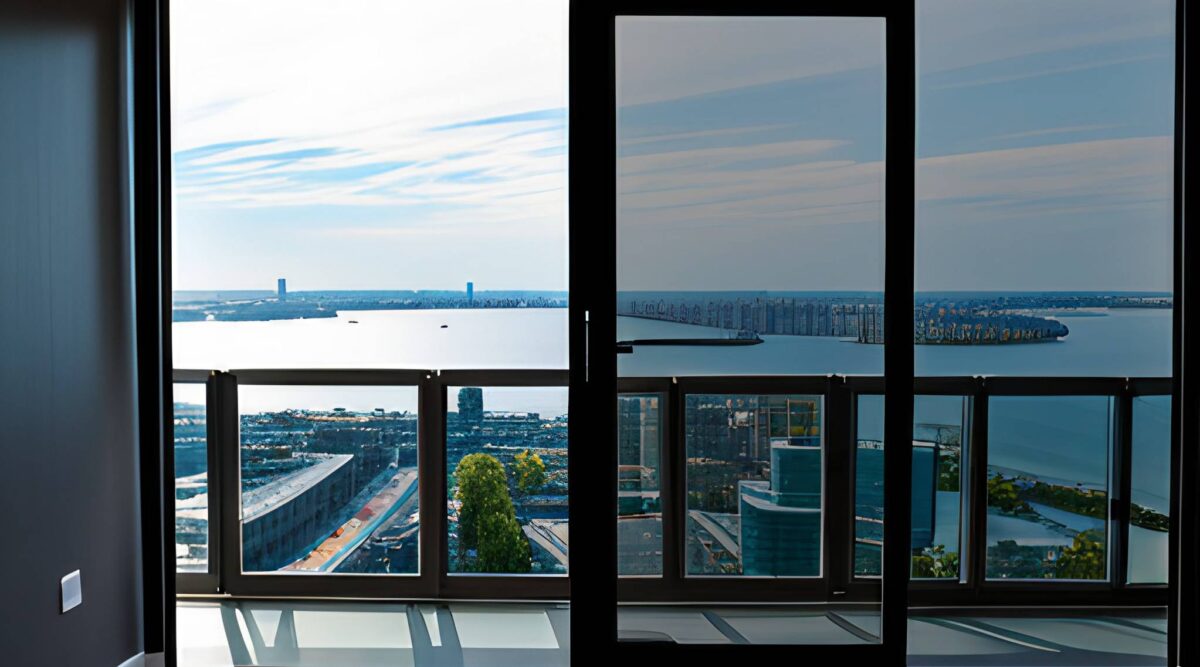
Window films are one of the most searched building upgrades in Toronto once warmer weather rolls in. People look up window films because rooms feel hot by noon, offices feel uneven, and cooling bills climb even when nothing has changed. In the GTA, glass is often the problem. Large windows let heat pour in for hours.

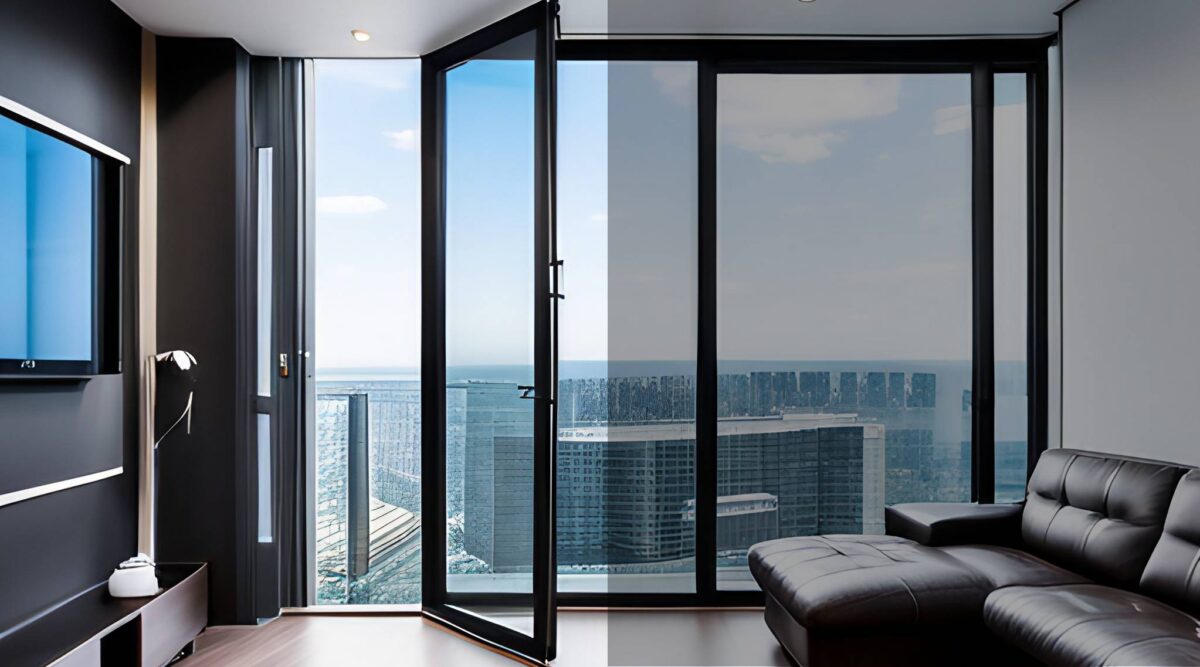
Sun control window tinting is a type of window films designed to slow heat before it moves through glass. It is used across Toronto homes, condos, offices, and storefronts to control indoor temperatures and reduce cooling stress. This page explains how window films work, where they help the most, and why many local property owners choose them instead of replacing windows.

What Sun Control Window Tinting Means for Buildings in Toronto

Sun control window tinting is part of a wider group of window films applied to existing glass. These films change how sunlight interacts with the window. Instead of letting most heat pass through, the film reflects and absorbs a portion of solar energy.

This matters in Toronto because modern buildings rely heavily on glass. Condos near Harbourfront, offices in North York, and newer homes in Vaughan all use wide windows. Once the sun hits those windows, heat builds fast and spreads through the space.

Many people think poor airflow causes hot rooms. In many cases, direct sun through glass is the main issue. Window films target that problem at the source. They reduce heat before it fills the room.

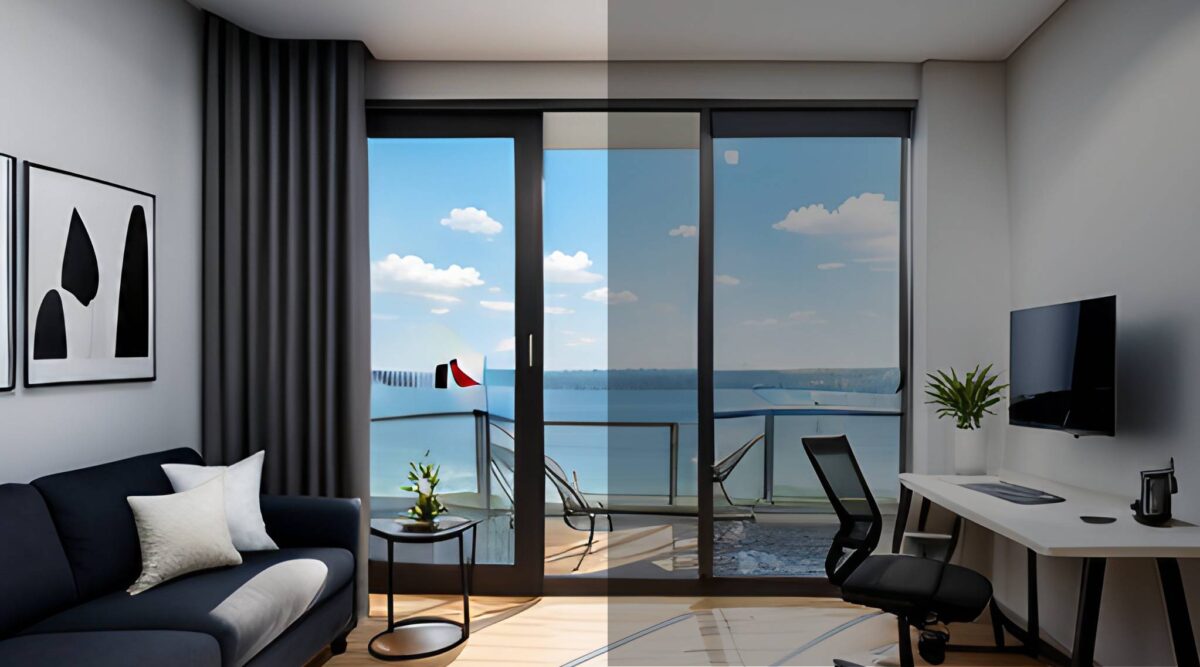
Sun control window tinting still allows natural light. These window films focus on heat control first, not blocking daylight.

If you want a broader overview, the window films page shows how different film types are used in residential and commercial spaces.

How Window Films Reduce Cooling Costs

Cooling systems work harder when heat enters all day. Window films lower that heat load. Less heat inside means air conditioners run fewer cycles.

Here is how window films support cooling control:

  • Sun heat is reduced at the glass
  • Rooms warm up slower during the day
  • Air conditioners cycle less often
  • Cooling equipment sees less strain

A condo owner near King West added sun control window films to west-facing glass. Before installation, the AC ran non stop after lunch. After installation, indoor temperatures stayed more stable and cooling use dropped without touching the thermostat.

This pattern shows up often across the GTA. Window films do not replace AC units. They help them work less.

This guide on energy efficiency with window tint explains how film performance affects cooling demand.

Where Window Films Make the Biggest Difference

Not every window creates heat problems. Direction and sun exposure matter. Window films help most where sunlight hits for long periods.

Common high-impact areas include:

  • South-facing living rooms
  • West-facing condo units
  • Retail storefront glass
  • Office meeting rooms
  • Sunrooms and patio doors

In Scarborough strip plazas, storefronts face direct afternoon sun. Business owners often say the floor near the window feels hot. Window films reduce that heat and make front areas usable again.

Homes face similar issues upstairs. Bedrooms with large windows trap heat all afternoon. Window films help balance those rooms.

Window Films in Homes and Offices

Homes and offices both use window films, but daily needs differ.

In homes:

  • Bedrooms cool down faster
  • Living areas feel more even
  • Less AC use during heat waves

In offices and commercial spaces:

  • Fewer hot spots near windows
  • Steadier indoor temperatures
  • Lower daily HVAC load

Downtown Toronto offices often use window films to manage glare while keeping blinds open. Natural light stays useful and heat stays lower.

Window Films vs Replacing Windows

People often ask if new windows are a better fix. In many cases, window films solve heat issues faster.

Replacing windows costs more and causes disruption. Window films install on existing glass and begin working right away.

This comparison on window films vs window replacements explains where each option fits.

For many Toronto buildings, window films control heat without major renovation work.

Installation and Planning for Window Films

Professional installation affects how window films perform over time. Glass type, window size, and film selection all matter.

A typical install includes:

  • Reviewing window orientation
  • Matching film to glass
  • Cleaning glass carefully
  • Applying film evenly

Most home installs finish in a day. Offices take longer based on size.

This article on key considerations when installing window films explains what affects long-term results.

Solar Control, UV Blocking, and Comfort

Sun control window tinting overlaps with solar window films. These window films reduce infrared heat while keeping rooms bright.

They also block UV rays that damage floors and furniture. This helps protect interiors.

More detail is available in this guide on solar window films.

Natural Resources Canada explains how window attachments help with energy savings. See NRCan home energy efficiency info.

Local GTA Example: Retail Space Heat Control

A small retail shop near Danforth Avenue installed window films on its front glass. Before installation, staff avoided the display area in the afternoon due to heat.

After installation, temperatures near the window dropped and the space stayed usable all day. Cooling cycles shortened and comfort improved.

This result is common when window films reduce direct sun exposure.

Why Window Films Work Over Time

Window films work quietly every sunny day. They reduce heat at the glass and support cooling systems without effort.

Long-term benefits include:

  • Lower cooling demand each summer
  • More even indoor temperatures
  • Less HVAC wear
  • Better comfort during heat spikes

The ENERGY STAR window attachment guide also lists window films as a useful option for managing heat.

For Toronto homes and offices dealing with rising cooling costs, window films remain one of the most direct ways to slow heat before it enters.

Frequently Asked Questions

What are window films?

Window films are thin layers applied to glass to reduce heat, glare, and UV exposure.

Do window films reduce cooling costs?

Window films lower heat entering through windows, which reduces air conditioner use.

Are window films good for Toronto summers?

Window films work well during Toronto heat waves and long sunny days.

Do window films make rooms dark?

Most sun control window films reduce heat without darkening rooms.

How long do window films last?

Professionally installed window films can last 10 to 20 years.

Categories
Window Films and Tinting Toronto

Best Face Serums For Mature Skin

The key to keeping your skin in the best possible condition at any age is understanding the unique needs your skin has according to its age, the season, and your general skin type. That means being prepared to shift your regimen as needed over time, so you need to be on the lookout for new products that suit your needs. When looking for skincare serums for women over 50, it’s important to check out which vitamins and enzymes they rely on. 

Key Ingredients in Anti-Aging Serum for Sensitive Skin

Look for these ingredients when selecting your anti-aging serum: 

  • Hyaluronic Acid, one of the most potent moisturizing agents on the market today
  • Coenzyme Q10, a powerful antioxidant used to fight the signs of aging at a cellular level
  • Vitamin C, as always, a staple for healthy skin and a healthy immune system

If you are looking for a single serum that covers all these ingredients, you might not find it, so you may have to choose the active ingredients you want most. Some serums, like the DermaC+ Anti-aging Serum have several of them in combination, though. 

Other Uses for Face Serum

Anti-aging serums also help eliminate dark spots, freckles, and other blemishes, not just wrinkles. Lightening those spots requires a different approach from general wrinkle reduction, though. When you are looking for the best face serum for dark spots, Vitamin C and other vital antioxidants are the most important factor. Try out a hyaluronic acid + vitamin C combination to get results with your dark spots.

Find Natural Skin Care For Any Purpose

Developing a skin care regimen means having the right choices of cleanser, moisturizer, and enriching products like facial serums, so remember to keep looking for new options for each component as you adjust your skincare regimen. That way, your selections will evolve with your needs. Look for your next serum today.

Categories
Window Films and Tinting Toronto

Solar Window Film vs Low-E Glass: How Window Films Perform in Toronto Homes and Buildings

Window films are one of the most searched window upgrades in Toronto and the GTA, and there’s a reason for that. As soon as the sun gets stronger, people notice rooms getting hot fast, glare hitting screens, and AC systems running all day. Energy bills jump. Comfort drops. That’s when many homeowners and business owners start comparing window films with Low-E glass.

Toronto has no shortage of glass. Condos along the Gardiner. Offices in downtown cores. Homes in Scarborough and North York with wide front windows. All of them deal with heat gain through glass. This is why window films keep coming up in searches before anyone commits to window replacement.

This article explains how window films, especially solar window film, compare to Low-E glass in real Toronto conditions. The focus stays on what actually works in local buildings, not sales talk.

Why window films are such a big topic in Toronto

Toronto summers don’t creep in slowly. They hit fast. By late May or early June, west-facing windows start baking rooms by noon. In areas like Etobicoke, East York, and parts of Mississauga, afternoon sun can turn a living room into the warmest spot in the house.

During last year’s July heat wave, a cluster of semi-detached homes near Danforth Avenue reached out within days of each other. Same complaint every time. “The windows feel like heaters.” The walls were fine. The roof was fine. The heat was coming straight through the glass.

This is the type of problem window films are built to fix.

How window films work on existing glass

Window films are thin layers installed directly onto the inside surface of windows. They change how glass reacts to sunlight. Solar window film reflects and absorbs solar energy before it enters the room.

If you want a simple overview of the different film types, this breakdown helps explain the basics clearly: Introduction to Window Films: Understanding the Basics.

Solar window film focuses on three main things. Heat control. Glare reduction. UV blocking. Those three cover most comfort issues in Toronto homes and businesses.

How window films perform in GTA homes

Most homes across Toronto already have sealed double-pane windows. These are perfect candidates for window films.

  • They reduce solar heat gain through glass
  • They soften harsh glare on screens and TVs
  • They block UV that fades floors, art, and furniture
  • They help rooms feel more balanced in temperature

A detached home in Richmond Hill had a second-floor office that hit 28–29°C by mid-day, even with AC running. After adding window films to two south-facing windows, the room stayed cooler and usable without changing blinds or lighting.

This kind of result shows up often when sunlight is the main problem.

Cost and install time for window films

This is where window films stand out for many Toronto homeowners.

Installs happen from the inside. No glass removal. No exterior changes. Most houses finish in a few hours.

Costs stay much lower than replacing windows. That matters in condos, rentals, and older homes where frames still work fine.

This comparison explains why many people choose films first: Benefits of Choosing Window Films Over Replacements.

What Low-E glass does and where it fits

Low-E glass includes a coating added during manufacturing. It reflects certain heat wavelengths and improves insulation. It works best when installed as part of a full window system.

Many newer builds in Oakville and Newmarket already include Low-E glass. In those cases, solar performance is often decent right from the start.

Limits of Low-E glass in older Toronto buildings

Low-E glass requires full window replacement. That creates some challenges in Toronto.

  • Condo approval is often required
  • Install timelines are longer
  • Costs rise quickly
  • Frames may also need replacement

Low-E glass also doesn’t always deal well with glare. Many homeowners still add blinds or shades after replacing windows.

This is why many Toronto homeowners with working windows choose window films instead of replacement.

Window films vs Low-E glass in real use

Here’s how both options compare in everyday Toronto homes.

Window films

  • Install on existing glass
  • Lower upfront cost
  • Fast installation
  • Strong heat and UV control
  • Good glare reduction
  • Often allowed in condos

Low-E glass

  • Requires window replacement
  • Higher cost
  • Longer install time
  • Good insulation
  • Glare control depends on glass
  • Approval may be needed

If windows are failing, replacement makes sense. If heat and glare are the issue, window films usually fix it faster.

How window films perform during Toronto winters

Window films aren’t just for summer.

In winter, solar window films slow radiant heat loss through glass. Rooms stay more even during cold stretches in January and February, especially in older homes.

Natural Resources Canada explains how heat moves through windows here: Natural Resources Canada – Windows and Doors.

Case study: downtown condo glare issue

A condo near CityPlace had floor-to-ceiling glass facing west. By 3 PM, the living room became too bright and too hot. Blinds helped but blocked light.

Solar window films were added only to the west-facing panels. Glare dropped. Light stayed natural. The space became usable again without changing the exterior.

Why local window film experience matters

Toronto buildings vary a lot. Brick homes. Glass towers. Older double-pane windows. Newer triple-pane systems.

Local installers know which window films work with different glass types. This avoids seal issues and poor performance.

This checklist explains what should be reviewed before installation: What Are Key Considerations When Installing Window Films.

Install timing also matters. Cold weather installs need different handling than summer installs.

Window films for Toronto and GTA businesses

Window films are used across many business types.

  • Retail shops with sun exposure
  • Medical clinics
  • Office spaces with glass walls
  • Restaurants with front windows

A bakery in Markham added solar window films before summer. The front seating area stopped overheating. Staff noticed fewer AC cycles during peak hours.

Window films vs window replacement costs

Window replacement can cost tens of thousands in Toronto. Window films cost far less.

Many property owners install window films now and plan window replacement later when frames fail.

This is why searches for window films Toronto spike every spring.

Final thoughts for Toronto property owners

If you are building new, Low-E glass works well. If your windows still function and heat is the main issue, window films often make more sense.

They install fast. They cost less. They work with Toronto buildings instead of against them.

For heat, glare, and fading problems, solar window films solve issues without tearing anything out.

If you want a full overview of film options available locally, start here: Window Films Overview.

Categories
Window Films and Tinting Toronto

How To Keep Skin Hydrated During The Dry Months

Winter can be a tough time for individuals who struggle with dry skin, as low humidity can intensify the problem. Fortunately, there ways you can protect yourself from the effects of cold, windy weather. Here are three steps to create a dry skin regime for winter.

  1. Exfoliate

Exfoliating can be helpful any time of the year but it’s especially important to combat dryness during winter. When you exfoliate, you’re removing dead skin cells that can block the new, fresh cells below from fully absorbing facial treatments. Exfoliating before applying moisturizer can boost its effectiveness.

One thing to remember, however, is that you don’t need to exfoliate every day during the dry months. A few times a week is ideal for most people. Exfoliating too often can cause irritation and even compound dryness.

There are a lot of moisturizing products on the market but some of the most effective can be skin hydration serums. These are natural products that often have additional benefits. There are an abundance of serum options out there, meaning you can find the right formula to address your combination of concerns.

  • Avoid Dehydrating Treatments

You may not realize it, but some scrubs, washes and toners have harsh ingredients that can dry out your skin. While you still need to cleanse your face regularly, during the cold months you’ll want to avoid treatments that contain elements such as these:

  • Salicylic acid
  • Alcohol
  • Sodium laureth sulfate
  • Sodium lauryl sulfate
  • Sodium chloride

Instead, opt for more mild cleansers that contain hydrating ingredients like aloe vera or glycolic acid.

Learning how to keep skin hydrated despite the weather may seem difficult at first, but it’s actually just a matter of preparation. Remember to exfoliate regularly, rely on your face serum and toss harsh chemicals – then you can have soft, supple skin even during the winter months.

Categories
Window Films and Tinting Toronto

What Are Window Films for Energy Savings in Toronto Homes?

Window films are now one of the most searched home upgrades in Toronto and the GTA. Homeowners are typing the same things into Google every day. “Why is one room always hotter?” “Why does cold air sit by the window?” “Why did my energy bill jump again?” These questions usually lead people to window films.

Window films are not car tint. They are not curtains or blinds. They are thin layers installed directly onto your existing glass to help control heat, glare, and UV. This page explains what window films are, how they work in real Toronto homes, and why they help reduce wasted energy. No hype. No confusing talk. Just clear info based on what actually happens in GTA houses and condos.

What Are Window Films and Why Do Homes Use Them?

Window films are applied to the inside surface of your windows. Once installed, the glass changes how it reacts to sunlight and temperature. The window frame stays the same. The glass stays in place. Only the performance changes.

In many Toronto homes, windows are the biggest energy problem. Sun heats rooms fast in summer. Heat leaks out through glass in winter. Window films help slow both of these issues.

Here’s what window films do in simple words:

  • Reflect some solar heat before it enters the room
  • Reduce glare on screens and TVs
  • Block UV rays that fade floors and furniture
  • Lower the cold glass feeling in winter

This is why window films are common in living rooms, bedrooms, home offices, and condos with large glass walls. You still get daylight. You just lose the worst parts of it.

Many people think window films always darken rooms. That’s not true. Some films are almost clear. Others add light shading. A west-facing window in Etobicoke needs a different film than a shaded north-facing window in Richmond Hill. The film choice matters.

If you want a simple breakdown of types and uses, this guide explains the basics well: Introduction to window films.

How Window Films Reduce Energy Waste in the GTA Climate

Toronto weather puts homes through a lot. Summers bring heat waves and strong sun. Winters bring long heating seasons and cold air. Spring and fall bring low sun angles that blast through west-facing glass.

Window films help manage all of this.

In summer, solar heat gain is the biggest issue. Sun-facing windows act like heaters. Rooms warm up fast. AC systems work harder to catch up. Window films reduce how much heat passes through the glass, so rooms stay closer to the set temperature.

In winter, the problem flips. Glass gets cold. Air near the window cools down. That creates cold zones near couches and desks. Window films slow heat loss through the glass, which helps rooms feel more even.

Energy savings also come from small habit changes. When rooms stop overheating or freezing, people stop opening and closing blinds all day. They stop adjusting thermostats over and over. That cuts wasted energy without effort.

Homeowners across Toronto, North York, Scarborough, Vaughan, and Mississauga often notice:

  • Less AC use during peak summer days
  • Fewer hot and cold rooms
  • Reduced glare on screens
  • Better comfort near large windows
  • More stable monthly energy bills

Window films also block UV. UV damage is slow but costly. Floors fade. Furniture breaks down. Blocking UV helps protect what you already paid for.

If heat control is your main goal, this article goes deeper into that topic: Heat blocking window films.

For neutral info on how windows affect home energy use in Canada, Natural Resources Canada explains it clearly here: Natural Resources Canada energy efficiency.

Real Toronto Examples of Window Films and Energy Savings

Every home is different, but the same patterns keep showing up across the GTA.

North York detached home
Large south-facing windows made the living room uncomfortable in summer. After window films were installed on the sun-facing glass, the room stayed cooler in the afternoon. AC cycles dropped. The space felt usable again.

Downtown condo near King West
Floor-to-ceiling glass caused glare and heat buildup. The owner worked from home and kept blinds closed most days. Window films reduced glare and balanced the temperature. Blinds stayed open more often. AC ran less.

Scarborough bungalow
Cold window zones made the front room uncomfortable during winter. After window films were added, the cold glass effect dropped. Seating near the windows felt normal again.

New example: Brampton semi with main floor family room
Afternoon sun overheated the family room and kitchen. Window films reduced heat gain while keeping the backyard view clear. Fans ran less, and the AC cycled shorter.

New example: Richmond Hill home office
A west-facing office overheated daily. Laptop fans ran nonstop. Window films cut glare and heat so the space stayed comfortable through the afternoon.

Most homeowners say comfort changes first. Energy savings follow because heating and cooling systems stop working so hard.

Window Films vs Window Replacement for Energy Savings

Many homeowners compare window films with full window replacement. Replacement works, but it costs a lot and takes time.

Window films work with what you already have. If frames and seals are still solid, films can improve performance without major disruption.

In Toronto, many homeowners install window films first and delay replacement for years. Some never replace at all.

This side-by-side guide explains the difference clearly: Window films vs window replacements.

Why Professional Installation Matters for Window Films

Window films only work well when installed properly. Installation quality affects how long the film lasts and how it looks.

A professional install includes:

  • Careful glass cleaning
  • Accurate measuring and cutting
  • Smooth application without bubbles
  • Clean edges to reduce peeling

DIY kits often fail because of dust, moisture, or poor trimming. That leads to bubbling and early failure. Professional-grade films and proper tools make a big difference.

If you’re pricing things out, this guide explains cost factors clearly: Window film installation cost.

For broader home energy guidance, Canada Mortgage and Housing Corporation shares helpful info here: CMHC home energy guidance.

Are Window Films Worth It for Energy Savings in Toronto?

If your home has hot rooms in summer, cold spots in winter, glare problems, or rising energy bills, window films are worth a real look.

They install fast. They work with existing windows. They improve comfort right away. In a climate like Toronto’s, better comfort usually means less wasted energy.

Window films are now common across Toronto, North York, Etobicoke, Scarborough, Vaughan, Markham, Mississauga, Brampton, and nearby areas. Homeowners choose them because they fix real problems without major renovation.

If you want to see if window films make sense for your home, talk to a local installer who works with GTA homes every week. A proper look at your windows can fix comfort issues that stick around for years.

Need help with window films?
Visit https://tintly.ca/ to learn more or book a no-pressure consultation.