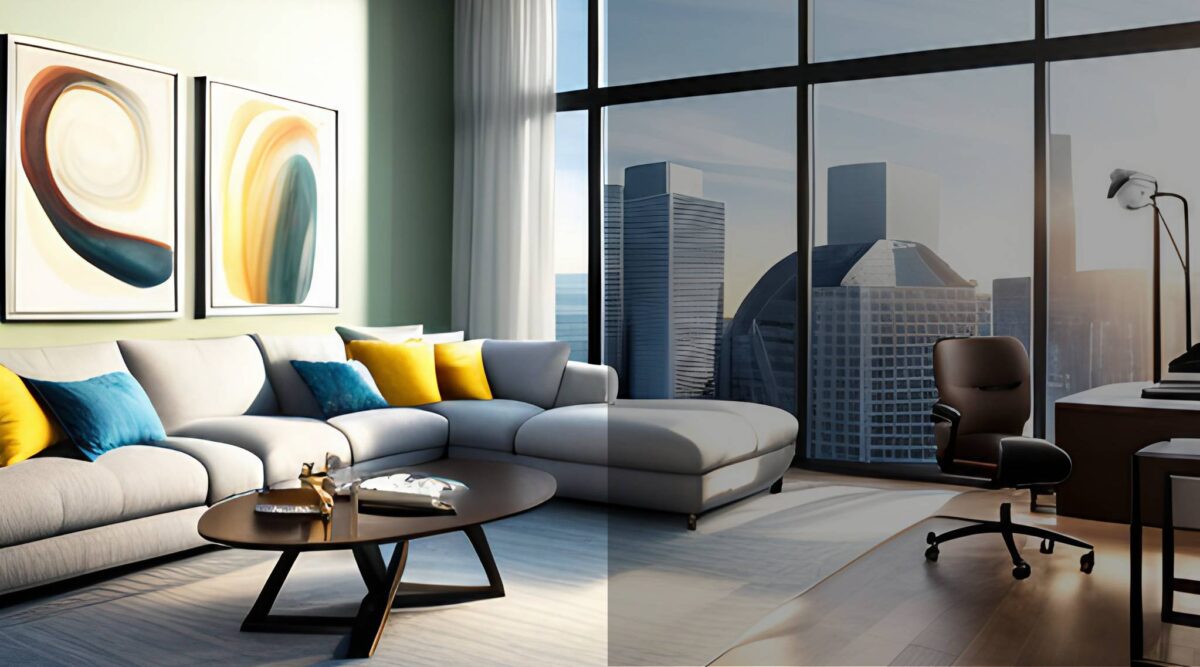

When it comes to enhancing the comfort, efficiency, and aesthetics of your home, window film is an excellent choice. It’s not just about blocking sunlight or adding privacy; it’s about transforming your living space into a more energy-efficient, comfortable, and aesthetically pleasing environment. But what exactly determines the cost of window film for your home? Here, we’ll break down the factors that contribute to the cost and why investing in quality window film is a smart decision for any homeowner.
Understanding Home Window Tinting
Home window tinting is the process of applying a thin film to your windows. This film can provide various benefits, including reducing glare, blocking harmful UV rays, enhancing privacy, and improving energy efficiency. As an interior designer, incorporating window films into your projects can offer stylish solutions that are both functional and attractive.
Benefits of Window Film
Before diving into the cost, it’s important to understand the benefits that window films offer. These advantages justify the investment and can add significant value to any home.
- Energy Efficiency: Window films can significantly reduce your home’s energy costs by reflecting heat in the summer and retaining heat in the winter. This reduces the reliance on heating and cooling systems, leading to lower utility bills.
- UV Protection: By blocking up to 99% of harmful UV rays, window films protect your interior furnishings, flooring, and artwork from fading, extending their lifespan.
- Glare Reduction: Glare from the sun can be annoying and can make watching TV or working on a computer difficult. Window films minimize this glare, enhancing comfort and productivity.
- Privacy: For those who value privacy, certain window films can make it difficult for outsiders to see inside without sacrificing natural light.
- Aesthetic Appeal: Available in various shades and designs, window films can enhance the look of your home both inside and out.
What Influences the Cost of Window Film for Home?

Several factors can influence the cost of window film installation. Understanding these can help you make an informed decision that balances cost with the desired benefits.
Type of Film
There are different types of window films, each with its own set of features and price points:
- Solar Control Films: These are designed to reduce heat and glare while blocking UV rays. They are often used for energy savings and can vary in price based on their technology and performance levels.
- Decorative Films: These films are used for aesthetic purposes, offering various patterns and designs. While they may cost less than high-performance solar films, their prices can vary based on the complexity of the design.
- Security Films: These thicker films are designed to hold glass together in the event of breakage, providing an added layer of security. They tend to be more expensive due to their durability and additional safety benefits.
- Privacy Films: Used to obscure views into a space, these films can range from frosted to mirrored finishes, influencing their cost.
Size and Number of Windows
The total area to be covered with window film will directly impact the cost. Larger windows or a greater number of windows will require more material and labor, thus increasing the overall cost.
Professional Installation vs. DIY
While DIY kits are available, professional installation ensures optimal performance and longevity of the window film. Professional installers have the expertise to handle complex window shapes and ensure a bubble-free, seamless finish. Although it may have a higher upfront cost, professional installation is often more cost-effective in the long run due to the quality of the work and the warranties offered.
Quality of Film
Not all window films are created equal. Higher-quality films tend to be more durable, offer better UV protection, and have a longer lifespan. Investing in a higher-quality film can save money over time, as it may not need to be replaced as frequently.
Additional Features
Some films offer additional features like anti-graffiti coatings or insulation properties, which can also affect the cost. These additional features can provide added value and protection for your home.
Estimating Window Tint Cost
On average, the cost of window film for a home can range from $5 to $15 per square foot, depending on the factors mentioned above. This means for a typical home with 20 square feet of windows, you could expect to pay between $100 and $300, excluding professional installation fees.
Installation Costs
Professional installation typically adds another $2 to $5 per square foot. However, this cost is a worthwhile investment, ensuring the film is applied correctly and efficiently. For a 20-square-foot area, professional installation might add $40 to $100 to the total cost.
Return on Investment
While the initial cost of window film might seem significant, the long-term savings on energy bills and the protection of interior furnishings can provide a substantial return on investment. Additionally, the enhanced comfort and aesthetics add intangible value to your home.
Making the Right Choice for Your Home

by Zen Summer (https://unsplash.com/@ispywithmylittleeye)
Choosing the right window film involves considering both your budget and your specific needs. Whether you prioritize energy efficiency, privacy, aesthetics, or security, there is a window film solution that can meet your requirements.
Consult a Professional
For the best results, consult with a professional who can assess your home, understand your needs, and recommend the best film for your situation. A professional can also provide a more accurate estimate of the costs involved, tailored to your specific project.
Consider Long-term Benefits
While cost is an important factor, consider the long-term benefits of window film. Investing in high-quality, professionally installed window film can enhance your home’s comfort, efficiency, and value for years to come.
In conclusion, window film is a versatile and cost-effective solution for improving your home’s energy efficiency, privacy, and aesthetic appeal. By understanding the factors that influence the cost, you can make an informed decision and choose the best window film for your home improvement project.