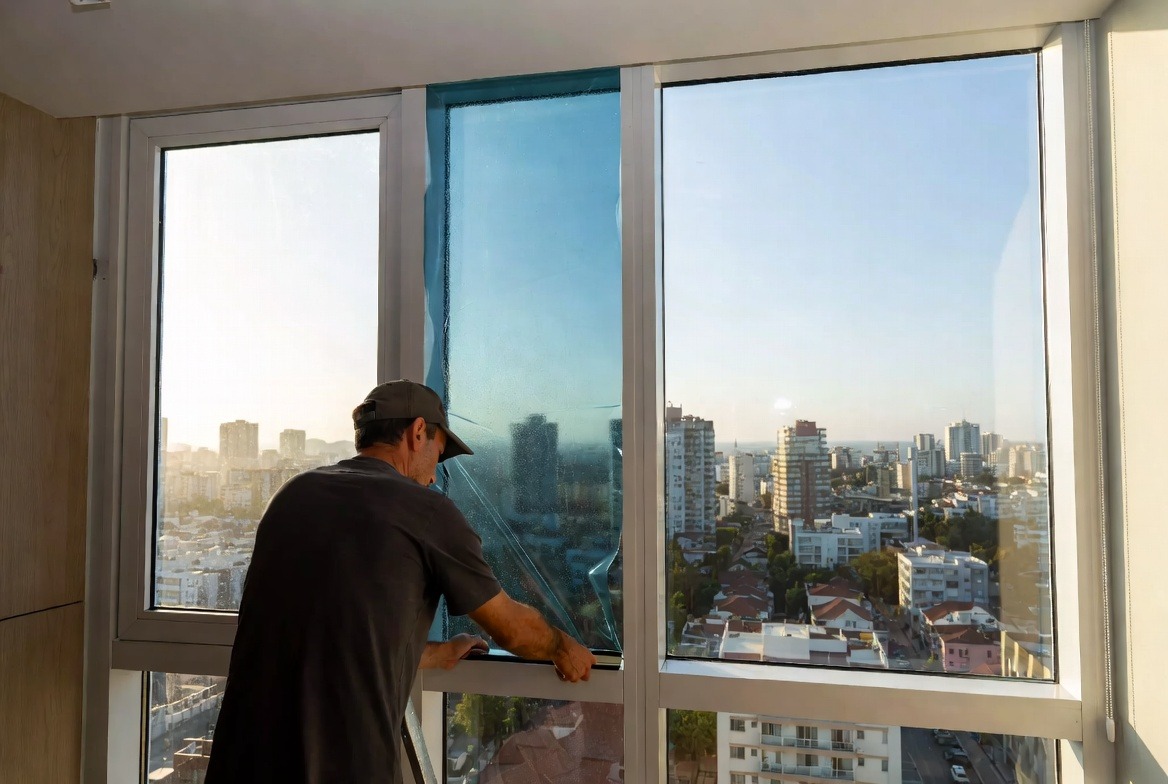
When considering window tinting for your home or office, one of the first questions you might ask is, “How long will it take?” Understanding the typical time required for professional window tinting can help you plan accordingly and set realistic expectations. Let’s delve into the process and explore the factors that influence the timing of window tinting projects.
Window tinting involves applying a thin film to the surface of windows to reduce glare, increase privacy, and enhance energy efficiency. It’s an excellent solution for homeowners and businesses looking to improve comfort and reduce energy costs.

The Process of Window Tinting
The window tinting process is meticulous and requires precision to ensure a flawless finish. Here’s a step-by-step breakdown of what you can expect:
- Consultation and Selection: Initially, you’ll have a consultation with a window tinting professional to discuss your needs and preferences. During this phase, you’ll select the type of film that best suits your requirements, considering factors like UV protection, privacy levels, and aesthetic preferences.
- Preparation: Before applying the film, the windows must be thoroughly cleaned to remove any dust, dirt, or debris that could interfere with the film’s adhesion.
- Cutting the Film: The tinting film is carefully measured and cut to fit each window precisely. This step requires accuracy to ensure that the film covers the window perfectly without any gaps or excess.
- Application: The film is applied to the window surface using a special adhesive. This step requires skill to avoid air bubbles and creases, which can affect the appearance and performance of the tint.
- Finishing Touches: Once the film is applied, any excess film is trimmed away, and edges are sealed to prevent peeling.
- Inspection: Finally, a thorough inspection ensures that the tint is applied correctly and that there are no imperfections.
How Long Does Window Tinting Take?
The time required for window tinting varies based on several factors, including the number and size of windows, the type of film selected, and the expertise of the installer.
Factors Influencing Window Tinting Time

- Number of Windows: Naturally, the more windows that need tinting, the longer the process will take. A single window might take about 30 minutes to an hour, while a whole house could take several hours.
- Window Size and Shape: Larger windows or those with unique shapes and angles may require more time for accurate film application.
- Type of Film: Some films are more complex to install, such as those with special patterns or additional layers for extra UV protection. These can take longer than standard films.
- Installation Expertise: A professional installer with years of experience will likely complete the job faster and with more precision than someone new to the field.
Just In Time Window Tinting
For those on a tight schedule, “just in time window tinting” services are available. These services prioritize efficiency and speed without compromising on quality, ensuring that your project is completed promptly.
The Importance of Cure Time
After the film is applied, it requires time to cure properly. Cure time refers to the period needed for the adhesive to fully bond with the glass, ensuring the film stays in place and performs as expected.
Typical Cure Time
The typical window tinting cure time can vary based on factors like climate and film type, but generally, it takes about 3 to 30 days for the film to cure completely. During this time, it’s important to avoid cleaning the windows or applying pressure to them.
Factors Affecting Cure Time
- Climate: Warmer, sunnier climates can speed up the curing process, while cooler, cloudy conditions may extend it.
- Film Type: Thicker films or those with additional features may require longer curing periods.
- Window Location: Windows that receive a lot of direct sunlight may cure faster than those in shaded areas.
Benefits of Professional Window Tinting
Window tinting is not just about aesthetics; it offers a range of practical benefits that enhance the value and comfort of your space.

by Lee Tianxian (https://unsplash.com/@call_me_lee)
Energy Efficiency
Tinted windows can significantly reduce heat gain in the summer and heat loss in the winter, leading to lower energy bills and a more comfortable indoor environment.
UV Protection
Window films block up to 99% of harmful UV rays, protecting your furniture, flooring, and artwork from fading and damage.
Enhanced Privacy
Tinting provides an additional layer of privacy without sacrificing natural light. It’s an ideal solution for ground-level rooms and offices.
Improved Aesthetics
With a variety of tints and styles available, window tinting can complement any interior design, enhancing the overall look and feel of your space.
Choosing a Professional Window Tinting Service
When selecting a window tinting service, it’s essential to choose a provider with a proven track record of quality and reliability. Look for professionals who offer:
- Experience and Expertise: Skilled installers with extensive experience in window tinting.
- Quality Materials: High-quality films that offer durability and performance.
- Customer Satisfaction: Positive reviews and testimonials from previous clients.
- Warranty: A comprehensive warranty that covers both the film and installation.
Conclusion
Professional window tinting is a valuable investment that improves energy efficiency, enhances privacy, and elevates the aesthetic appeal of your home or office. By understanding the typical time required for window tinting and the factors that influence it, you can make informed decisions and enjoy the benefits of this innovative solution.
Whether you’re looking to complete a large-scale project or just a few windows, partnering with a trusted window tinting professional ensures a smooth, efficient process with results you’ll love for years to come.