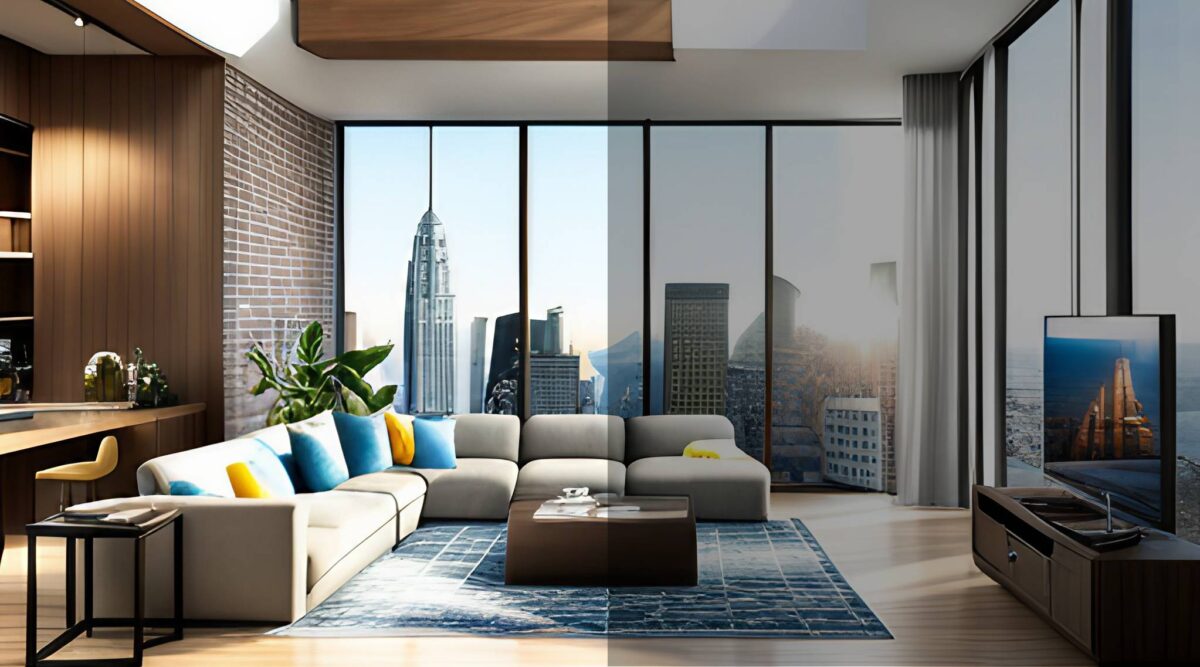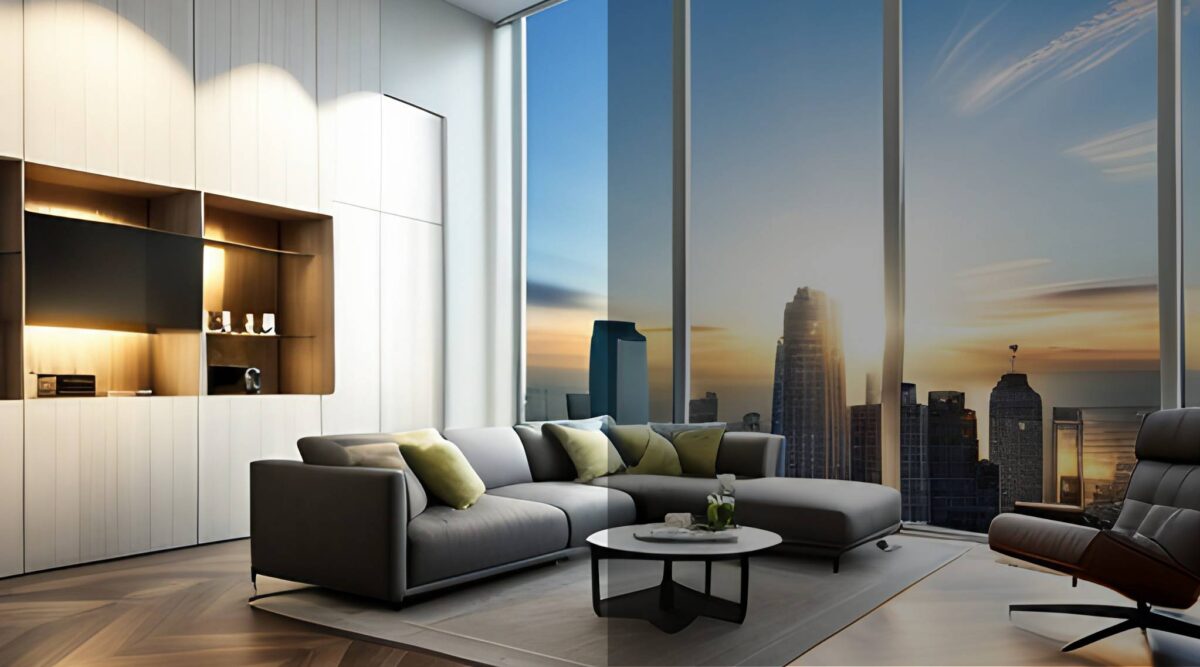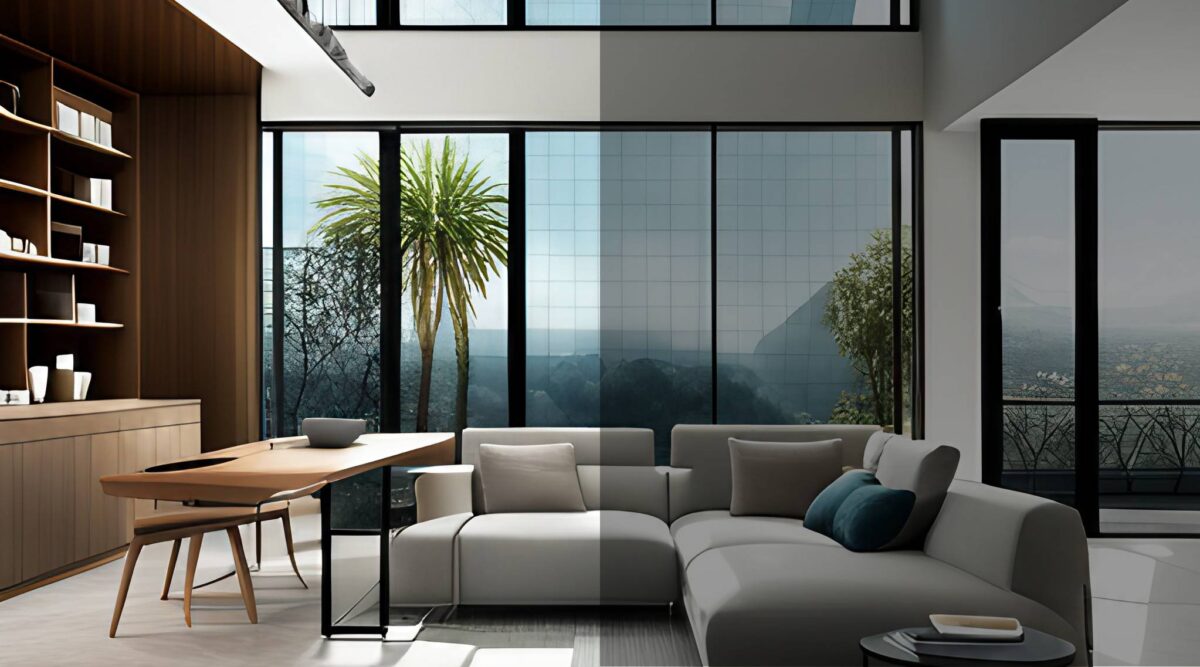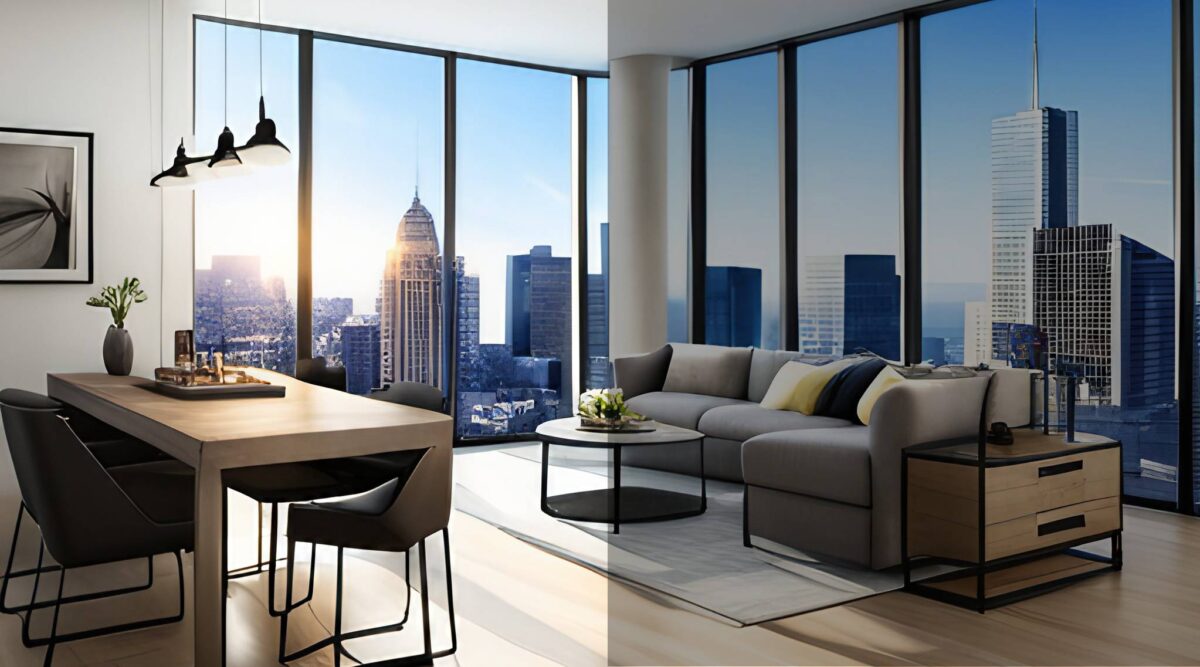

Home window tinting involves applying a thin film to the interior surface of your windows. This film is designed to reduce the amount of sunlight and heat that enters your home. By cutting down on glare, it allows for a more comfortable living environment, especially in rooms that receive direct sunlight. It is an affordable and effective way to enhance privacy, protect your furnishings from UV damage, and improve energy efficiency.
Moreover, window tinting can be customized to fit the specific needs of your home. Whether you want to focus on energy savings, UV protection, or privacy, there’s a tint for that. The film comes in various shades and materials, allowing you to tailor it to match your home’s exterior and interior decor. This customization ensures that your home not only feels more comfortable but looks cohesive and stylish as well.
Why Should I Consider Window Tinting for My Home?
There are several compelling reasons to invest in residential window tinting:
- Energy Efficiency: By reducing heat gain in the summer and heat loss in the winter, window tinting can significantly lower your energy bills. This reduction in energy use is not only good for your wallet but also for the environment, as it helps decrease your household’s carbon footprint. In fact, many homeowners find that their investment in window tinting pays for itself over time through energy savings.
- UV Protection: Window films block up to 99% of harmful UV rays, preventing fading and damage to your furniture, carpets, and artwork. Prolonged exposure to UV rays can weaken fabrics and cause colors to fade, which can be costly to replace. Tinting acts like a sunscreen for your home, offering long-term protection for your interiors.
- Increased Privacy: Tinted windows provide an extra layer of privacy without sacrificing natural light. This is especially beneficial for homes in densely populated areas or those with large windows facing the street. You can enjoy the beauty of natural sunlight without the worry of prying eyes.
- Enhanced Aesthetics: Window tinting can give your home a sleek, modern look. It can complement your existing decor and even increase your home’s curb appeal. With a variety of shades and finishes available, you can choose a tint that enhances the architectural features of your home.
How Does Window Tinting Work?

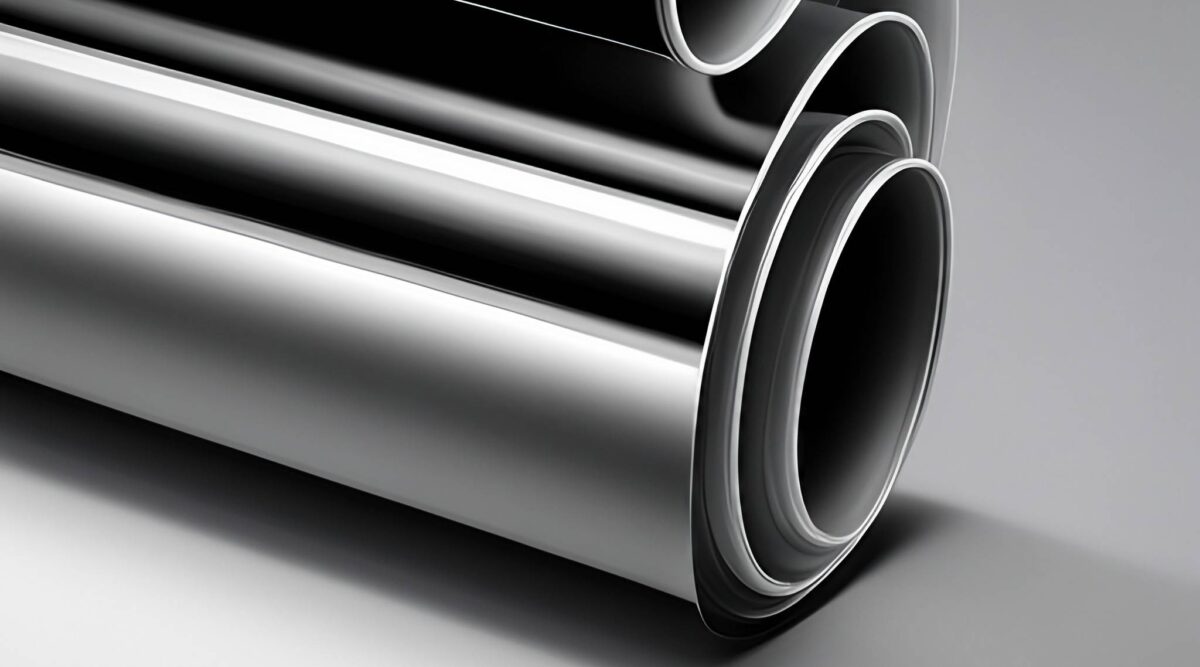
Window tinting works by using a specialized film that is applied to the glass. This film is composed of multiple layers, each serving a unique purpose. These layers work together to filter light and provide protection against heat and UV rays. The key components include:
- Adhesive Layer: Ensures the film adheres securely to the glass surface. This layer is crucial for longevity and durability, ensuring that the film does not peel or bubble over time. A strong adhesive layer is also important for maintaining a clear view through the window.
- Metalized Layer: Reflects heat and light, enhancing energy efficiency. This reflective property helps keep your home cooler in the summer and warmer in the winter, reducing the need for excessive heating and cooling. The metalized layer is also responsible for the slight mirror effect seen on some tints, which adds to privacy.
- Scratch-Resistant Coating: Protects the film from wear and tear. A durable coating ensures that the film remains pristine and clear, even with regular cleaning and exposure to the elements. This layer extends the lifespan of the tint, allowing you to enjoy its benefits for years to come.
What Types of Window Tinting Films Are Available?
There are several types of window tinting films to choose from, each offering distinct benefits:
- Dyed Film: Offers privacy and reduces glare, but provides minimal heat reduction. Dyed films are often chosen for their cost-effectiveness and ability to enhance the appearance of windows. However, they may not provide the best performance in terms of energy savings compared to other options.
- Metalized Film: Reflects heat and adds strength to windows, but may interfere with electronic signals. Metalized films are a great choice for those seeking durability and heat reduction, though it’s important to consider their potential impact on Wi-Fi and phone signals. Despite this, many find the trade-off worthwhile for the increased efficiency and protection.
- Ceramic Film: Provides excellent heat reduction and UV protection without affecting visibility or electronic signals. Ceramic films are considered top-of-the-line due to their performance and clarity. They are perfect for homeowners who want maximum protection without altering the look of their windows.
- Hybrid Film: Combines dyed and metalized layers for balanced performance. Hybrid films offer a middle ground, providing good heat reduction and aesthetics without the drawbacks of metalized films. They are ideal for those who want a combination of privacy, protection, and energy efficiency.
How Do I Choose the Right Tinting for My Home?
Selecting the right window tinting film depends on your specific needs and preferences. Consider the following factors:
- Climate: In hotter climates, a film with high heat rejection properties is ideal. Conversely, in cooler regions, you might prioritize UV protection and aesthetics over heat rejection. Evaluating your local weather patterns can help you make an informed decision.
- Privacy Needs: For increased privacy, choose a darker tint. Darker films can significantly enhance privacy by making it difficult for outsiders to see inside your home. However, it’s essential to balance privacy with the amount of natural light you wish to retain.
- Aesthetic Preferences: Consider the look you want to achieve, whether it’s a subtle or bold appearance. Think about how the tint will complement your home’s exterior and interior design. Some homeowners prefer a uniform look across all windows, while others might choose different tints for different areas of the house.
Are There Any Regulations or Restrictions for Window Tinting?
Before installing window tinting, check local regulations. Some areas have restrictions on how dark or reflective residential window tinting can be. Regulations are often in place to ensure safety, as overly dark tints can reduce visibility, especially at night. It’s essential to comply with these guidelines to avoid potential fines or the need to remove the tint.
Consulting with a professional window tinting service can help ensure that your installation adheres to local laws. They can provide insights into the most suitable options that meet both your needs and legal requirements. Staying informed and compliant not only prevents legal issues but also ensures that your home remains safe and comfortable.
How Is Window Tinting Installed?
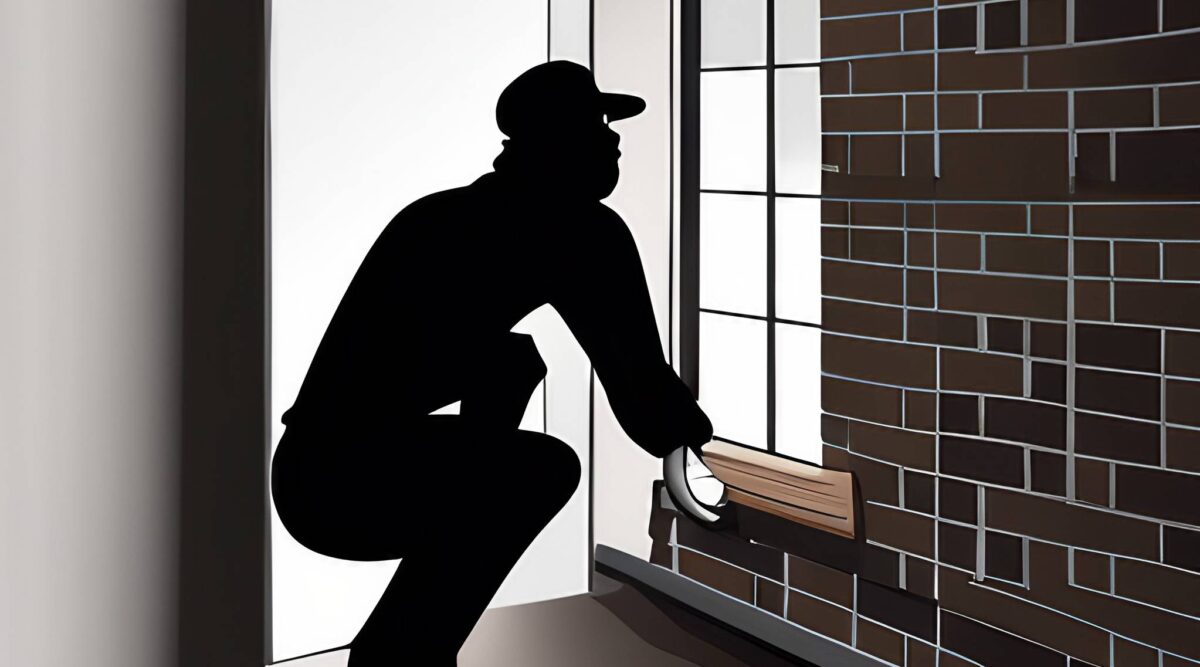
The installation process involves several steps to ensure a smooth and bubble-free application:
- Cleaning the Windows: Thoroughly clean the glass surface to remove dirt and debris. A clean surface is crucial for the film to adhere properly and to prevent imperfections in the finish.
- Cutting the Film: Measure and cut the film to fit each window precisely. Accurate measurements are vital to avoid waste and ensure that the film covers the entire surface without gaps.
- Applying the Film: Apply the film to the window, starting from the top and working downwards. Proper alignment is key to achieving a professional look, and patience is required to avoid wrinkles or misalignment.
- Smoothing Out Bubbles: Use a squeegee to remove any air bubbles and ensure a smooth finish. This step requires care and precision, as trapped air bubbles can affect the appearance and performance of the tint.
Can I Install Window Tinting Myself?
While DIY window tinting kits are available, professional installation is recommended for the best results. Experienced installers have the expertise to apply the film without creases or bubbles, ensuring a flawless finish. They also have access to high-quality materials and tools that might not be included in DIY kits.
Furthermore, professional installation often comes with a warranty, providing peace of mind in case issues arise later. While it might be tempting to save money with a DIY approach, the benefits of professional installation often outweigh the initial cost.
How Do I Maintain Tinted Windows?

by Anna Barabanova (https://unsplash.com/@annabarabanova)
Proper maintenance is key to prolonging the life of your window tinting. Follow these tips:
- Wait Before Cleaning: Allow the film to cure for at least 30 days before cleaning. This curing period ensures that the adhesive fully sets and the film adheres properly to the glass.
- Use Soft Cloths: Clean with a soft, non-abrasive cloth to avoid scratching the film. Microfiber cloths are ideal as they gently clean without leaving streaks or causing damage.
- Avoid Harsh Chemicals: Use mild soap and water or a cleaner specifically designed for window film. Harsh chemicals can degrade the film and reduce its effectiveness over time. Stick to gentle, film-safe cleaning solutions to maintain clarity and protection.
What Should I Do If the Film Gets Damaged?
If the window film becomes damaged, it’s best to consult with a professional for repair or replacement. Attempting to fix it yourself may worsen the damage. Professionals can assess the extent of the damage and recommend the best course of action, whether it’s a simple repair or a full replacement.
In some cases, only a section of the film may need replacing, which can save time and money. Regular inspections and prompt repairs can help extend the life of your window tinting and maintain its benefits.
What Are the Costs Involved in Window Tinting?
The cost of window tinting varies based on several factors, including:
- Type of Film: Premium films cost more than basic options. The initial investment can be higher for advanced films, but their long-term benefits often justify the cost.
- Size of Windows: Larger windows require more film and labor. The complexity of the installation can also affect the price, especially if there are many windows or if they have unusual shapes.
- Professional Installation: Hiring a professional adds to the overall cost but ensures quality results. The expertise, tools, and materials provided by professionals can enhance the durability and performance of the tint.
How Long Does Window Tinting Last?
With proper care and maintenance, high-quality window tinting can last up to 15 years. Factors such as the quality of the film, installation, and exposure to sunlight can affect its lifespan. Regular cleaning and avoiding harsh conditions can help preserve the film’s integrity and effectiveness.
Additionally, investing in a reputable brand and professional installation can maximize the longevity of your window tinting. Over time, the benefits of window tinting, such as energy savings and UV protection, continue to provide value, making it a worthwhile investment.
Conclusion
Residential window tinting is a valuable investment that enhances the comfort, efficiency, and aesthetics of your home. By understanding the benefits, types, and installation process, you can make an informed decision that meets your needs. Whether you’re seeking to reduce energy bills, protect your furnishings, or enhance privacy, window tinting offers a practical and stylish solution.
For more information or to schedule a professional installation, contact a trusted window tinting service provider today. Your home deserves the best, and window tinting is a step towards achieving just that. Investing in window tinting not only improves your living environment but also increases your home’s value and appeal.