Categories
Window Films and Tinting Toronto

What Are Window Films? A Simple Guide for Toronto Homes and Businesses

Window films are one of the most searched window upgrades in Toronto and the GTA, and it’s easy to see why. People look up window films when rooms get way too hot in summer, glare ruins screens all afternoon, privacy feels gone at night, or floors and furniture start fading faster than expected.

If you searched for window films in Toronto, you’re likely trying to fix a real problem, not just change how your windows look. This guide explains what window films are, how they work, and why homeowners, condo owners, offices, and storefronts across the GTA use them instead of replacing windows.

This article is based on real buildings and real installs in Toronto, North York, Scarborough, Etobicoke, Vaughan, Markham, and Mississauga. No sales talk. Just clear answers that help you decide.

What Are Window Films and How Do They Work?

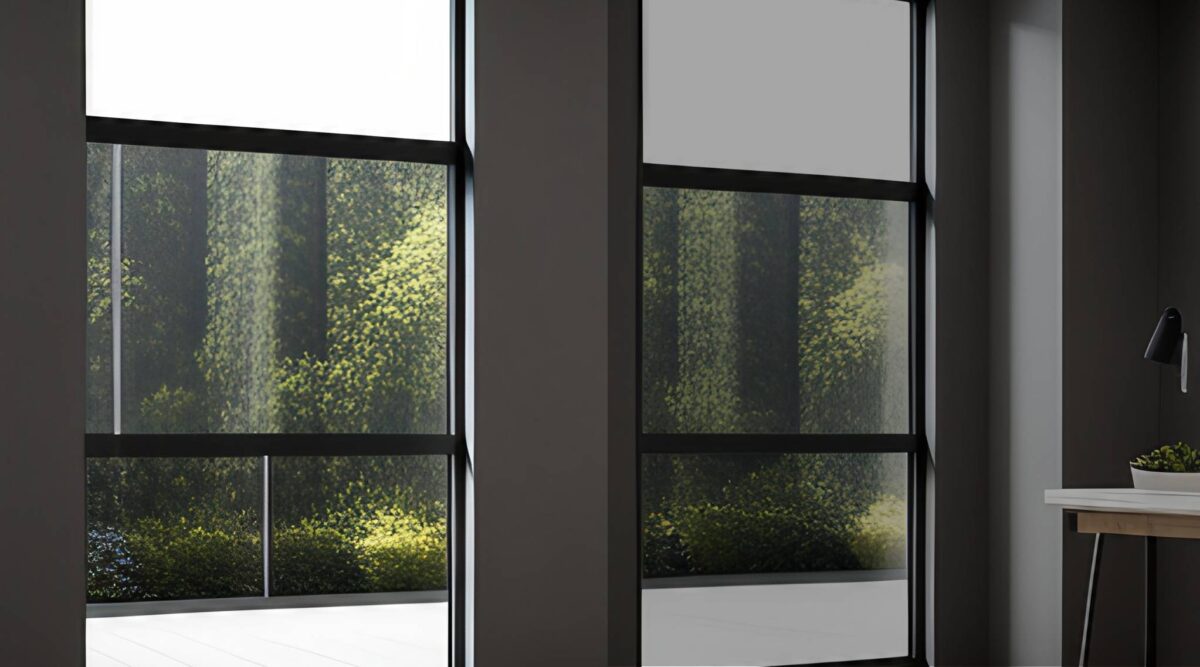
Window films are thin layers that get applied directly to glass. They change how sunlight, heat, and UV rays move through a window. The window stays the same. The performance changes.

Most window films are installed on the inside of the glass. Once applied, the film reflects or absorbs part of the sun’s energy before it enters the space. That small change can make a big difference in comfort.

In Toronto and the GTA, window films are commonly used to:

  • Reduce heat from strong afternoon sun
  • Cut glare on TVs, laptops, and office screens
  • Block UV rays that fade floors and furniture
  • Add privacy to condos and street-facing homes
  • Improve safety on glass doors and storefronts

Window films are not paint or spray coatings. They are made with layers. Each layer does a job. Some layers reflect heat. Some block UV. Some control light. Some help glass stay together if it breaks.

If you want a broad overview of options and use cases, this page gives a good starting point: window films.

Why Window Films Matter More in Toronto and the GTA

Toronto buildings deal with tough weather swings. Hot summers. Cold winters. Strong sun angles in spring and fall. Many homes and condos were not designed for large glass areas facing direct sunlight.

Downtown condos often have floor-to-ceiling windows facing west or south. Homes in Scarborough and Etobicoke have large front windows with no shade. Offices in North York and Vaughan deal with glare every afternoon.

Window films help manage these problems without ripping out windows.

Example from King West: a condo owner had a living room that stayed about 4 degrees hotter than the rest of the unit every summer. After installing solar window films, the room cooled enough to use comfortably. Curtains stayed open. The AC didn’t work as hard.

Another example comes from a townhouse in Pickering. The owner noticed fading on hardwood floors near sliding doors. After adding UV-blocking window films, fading slowed and the room still felt bright.

Natural Resources Canada explains why windows are a major source of heat gain and loss in Canadian buildings, which helps explain why films work the way they do: ENERGY STAR windows and efficiency.

Types of Window Films Used in Homes and Businesses

Not all window films do the same thing. The right type depends on the problem you want to fix.

Solar window films focus on heat and glare. They reduce solar heat entering a room and help keep temperatures more even. These are common in condos, offices, and homes with strong sun exposure. This guide explains how they help: heat blocking and UV protection with solar film.

UV-blocking window films protect interiors. They block most UV rays that cause fading. These films are popular in living rooms, retail stores, and homes with hardwood floors.

Privacy window films limit visibility. Frosted and patterned films work day and night. Reflective films give daytime privacy but change at night when lights are on. A full breakdown is here: privacy window film options.

Security window films help hold broken glass together. They do not make glass unbreakable, but they slow entry and reduce flying shards. This is useful for storefronts and glass doors. Learn more here: security window films.

How Window Films Perform After Installation

Once installed, window films start working right away. Performance improves as the adhesive cures.

The process is simple:

  • Sun hits the glass
  • The film reflects or absorbs part of that energy
  • Less heat enters the room
  • Glare drops and comfort improves

Some films are nearly clear and focus on heat and UV control. Others are darker or reflective and focus more on glare and privacy. Frosted films block views while keeping light.

In winter, window films help reduce cold drafts near windows. They do not replace insulation, but many Toronto homeowners notice rooms feel less chilly near glass.

Film choice must match the glass type. Double-pane and Low-E glass need specific films. Using the wrong film can stress window seals. This article explains what affects film choice: key considerations when installing window films.

Common Problems Window Films Solve

Most people search for window films because something feels off.

Heat is the most common issue. South- and west-facing rooms get hammered by sun. Solar window films reduce heat buildup and make rooms usable again.

Glare causes eye strain and makes screens hard to see. Window films cut glare without making rooms dark.

UV damage shows up slowly. Floors fade. Furniture discolours. Displays bleach unevenly. Window films block most UV rays and slow this damage. Health Canada explains UV exposure clearly here: UV index and sun safety.

Privacy becomes an issue at night. Condos and ground-level homes feel exposed. Privacy window films solve this while keeping natural light.

Case Study: Retail Store in East Toronto

A small retail shop near Danforth had strong sun pouring through the front window. Products near the glass faded faster, and staff felt exposed after dark.

After installing UV-blocking and light privacy window films, fading slowed and visibility from outside dropped at night. The store stayed bright during the day and looked the same from the street.

The owner avoided window replacement and stayed within lease rules.

Professional Window Films vs DIY Film

DIY window films often seem cheaper at first. Issues show up later.

Common problems include trapped dust, bubbles, lifting edges, uneven darkness, and peeling in winter.

Professional window films last longer because:

  • The film matches the glass type
  • The glass is cleaned properly
  • The film is cut to fit the real window
  • The adhesive cures the right way

There is also accountability. If something fails, it gets fixed.

This comparison explains the difference clearly: DIY window films vs professional installation.

Window Films vs Window Replacement

Many Toronto property owners ask if replacing windows makes more sense.

Window replacement costs more and causes disruption. It is often not allowed in condos or commercial buildings.

Window films improve existing glass at a lower cost and with less mess. For many homes and offices, films solve the problem without replacement.

This guide explains when each option makes sense: window films vs window replacements.

What to Expect During Window Film Installation

Most window film installs in Toronto and the GTA take a few hours. Homes are often done in one day. Offices can be staged to avoid downtime.

You can stay during installation. There is no demolition and little mess.

After installation, films need time to cure. Avoid cleaning for a few days. Use soft cloths and mild cleaners after that.

Many people notice results after the first sunny day. Rooms feel calmer. Glare drops. Comfort improves.

Why Local Experience Makes a Difference

Toronto buildings vary a lot. Condo rules, glass types, sun exposure, and seasons all matter.

Installers who work across the GTA understand these details. That local experience helps avoid mistakes and improves results.

Thinking About Window Films for Your Space?

If heat, glare, fading, privacy, or safety is bothering you, window films are worth a closer look. They are one of the few upgrades that improve comfort without changing how a space looks.

If you want help choosing the right option or learning what works best for your building, visit Tintly Window Films to get more details or ask a question.

Good window films do their job quietly. You stop noticing the problem you had. That’s usually the goal.


Categories
Window Films and Tinting Toronto

What Are Commercial Security Film Requirements in Canada? Codes, Standards, and Compliance

If you own or manage a business and you are searching for window films in Toronto, you are likely dealing with real problems. Broken storefront glass. Break-ins after hours. Staff worried about safety. Lost days waiting for repairs. These issues show up fast in the GTA, especially in areas with foot traffic and street-facing glass.

Window films are often talked about as a comfort or privacy upgrade, but for many commercial buildings they play a safety role. In Canada, glass safety ties into building rules, insurance pressure, and basic risk control. When glass fails, people can get hurt and business stops. That is why many Toronto businesses now look at window films before something goes wrong.

This article explains how window films, especially security-focused window films, fit into commercial safety expectations in Canada. It also explains how real businesses across Toronto and the GTA use them in everyday spaces.

What Commercial Security Film Requirements Mean in Canada

Canada does not have one clear law that says every business must install security window films. This causes confusion. Many owners think no rule means no responsibility. That idea causes problems later.

Commercial buildings in Ontario follow the Ontario Building Code. The code focuses on safety when glass breaks. Doors, storefronts, office panels, and public glass areas should reduce injury risk when failure happens.

This is where window films matter.

Standard glass breaks hard. Shards fall. People get cut. In retail shops, clinics, gyms, and offices, this turns into panic, claims, and downtime. Security window films are designed to hold broken glass together. They do not stop glass from cracking. They control how it breaks.

Most expectations around security window films come from:

  • Building safety rules
  • Safety glazing standards
  • Insurance risk policies
  • Workplace safety rules
  • Property manager guidelines

Many Toronto landlords do not say “install security film.” They say “reduce glass hazard” or “limit damage risk.” Window films solve this without replacing glass.

If you want a clear explanation of the product itself, this guide helps: What Are Security Window Films.

How Window Films Reduce Safety and Liability Risk

Most Toronto business owners add window films after a close call. A break-in nearby. A cracked door panel. A staff injury scare.

Once glass breaks, the questions are simple.

  • Was the glass protected?
  • Was the risk known?
  • Could damage have been reduced?

Security window films help answer those questions.

When installed correctly, window films keep broken glass in place. This matters in storefronts, glass doors, office partitions, and waiting areas.

In downtown Toronto, North York, Mississauga, and Brampton, many buildings still use older glass. It met code when installed years ago. It still fails the same way today. Window films add protection without changing the glass itself.

Insurance companies often view security window films as damage control. They do not replace alarms or locks. They slow entry and limit mess.

Where Commercial Window Films Are Common in Toronto and the GTA

Security window films show up most in places with street exposure and public access.

Across Toronto and the GTA, they are common in:

  • Retail storefronts
  • Medical clinics and pharmacies
  • Office entrances
  • Schools and daycares
  • Restaurants with street-facing glass

In Etobicoke and Vaughan, plaza owners started pushing glass protection after repeat smash-and-grabs. In Scarborough, several strip malls added window films after winter break-ins increased.

Ground-level glass, corner units, and buildings near transit stops face higher risk.

Toronto Police also recommend physical barriers that slow entry. Their prevention page supports this: Toronto Police break-and-enter prevention.

Window Films vs Full Glass Replacement for Businesses

Replacing commercial glass is expensive and slow. Large panes in Toronto can take weeks to arrive. During that time, stores board up windows. Customers hesitate. Staff feel uneasy.

Window films change how damage happens.

Many businesses use window films to:

  • Extend glass life
  • Reduce repeat replacements
  • Limit downtime after break-ins

When glass with window film breaks, it often stays in place. The opening stays more sealed. Clean-up is faster.

Window films do not make glass unbreakable. They buy time.

If you are weighing options, this comparison explains the difference: Tinted Window Film vs Full Window Replacement.

For national safety guidance, see: Codes Canada publications.

Why Professional Installation Matters for Window Films

Not all window film installs work the same.

Security window films need clean prep, correct pressure, and proper edges. Poor installs fail early. Film peels. Corners lift.

A professional installer understands:

  • Local glass types
  • Correct cleaning steps
  • Film thickness choices
  • Edge finishing

Security window films are not decorative films. They behave different and need proper handling.

For planning tips and common mistakes, read: Key Considerations When Installing Window Films.

Local Example: Retail Plaza in North York

A small retail plaza near Sheppard Avenue replaced storefront glass three times in one year. Each break happened after hours.

The property manager added security window films to all ground-level units.

Six months later, another attempt happened. The glass cracked but stayed in place. Entry failed. No unit closed the next day.

Another Example: Medical Clinic in Mississauga

A clinic near Hurontario Street added window films after a waiting room panel shattered during a cold snap.

No break-in. Just stress and temperature change. The film held the glass together. No injuries. The clinic stayed open.

Seasonal Issues That Push Businesses Toward Window Films

Toronto winters stress glass. Cold snaps, vibration from traffic, and nearby construction all add pressure. Summer brings foot traffic and higher vandalism risk.

Window films help year-round by holding glass during impact and reducing injury risk.

For official Ontario guidance, see: Ontario Building Code overview.

Choosing the Right Window Films for Commercial Use

Not all window films suit commercial spaces.

Most businesses need thicker films, clear views, and long service life.

A good installer reviews location, glass size, and risk before recommending film.

Window Films as Part of a Security Plan

Window films work best with alarms, lighting, and cameras. They slow entry and reduce damage.

Final Thoughts for Toronto Business Owners

Window films are not just cosmetic upgrades. For many Toronto and GTA businesses, they solve real safety problems.

They reduce glass injury risk. They limit break-in damage. They support building expectations without major renovation.

Most owners add window films after glass breaks. A calmer move is adding them before cleanup day.

If you are already searching for window films, you are likely closer to that decision than you think.

Categories
Window Films and Tinting Toronto

What Are Window Films? How Commercial Window Films Help Toronto Businesses Control Heat and Energy Costs

Window films are one of the most searched building upgrades for commercial spaces in Toronto and the GTA. Office owners, property managers, and retail operators keep running into the same problems every year. Spaces near windows feel hot. Air conditioning runs all day. Energy bills climb fast during summer.

Window films are used to fix these issues without replacing glass. In Toronto, commercial window films help block heat, reduce glare, and lower cooling costs in offices, clinics, retail stores, and mixed-use buildings. This page explains what window films are, how they work in real buildings, and why they matter in a city with strong sun, hot summers, and long shoulder seasons.

This is based on local installs across downtown Toronto, North York, Scarborough, Vaughan, and Mississauga.

What Window Films Are and Why Commercial Buildings Use Them

Window films are thin layers installed directly on existing glass. They can appear clear, lightly tinted, or slightly reflective. In commercial buildings, window films are used for performance, not decoration.

Most heat enters a building through windows. Sunlight carries infrared heat and UV rays. Once that energy passes through untreated glass, it stays inside. Curtains and blinds do not stop this heat. They only block light after the heat has already entered the room.

Heat control window films work at the glass surface. They reflect and absorb solar energy before it moves indoors. This lowers indoor heat buildup and reduces strain on cooling systems.

Commercial buildings use window films to solve common issues:

  • Hot spots near windows
  • Uneven room temperatures
  • AC systems running nonstop
  • High summer energy bills
  • Glare on screens and displays

Window films address these problems without major construction or downtime.

For a broader overview of how window films work across different uses, see: introduction to window films .

How Window Films Reduce Heat and Energy Use in Toronto

The heat problem starts the same way every time.

Sun hits the window. Heat follows. The AC turns on.

Window films interrupt that pattern.

Heat control window films reduce energy use in three main ways:

  1. They reflect infrared heat away from the glass
  2. They absorb part of the heat within the film layer
  3. They block UV rays that add heat and damage interiors

When less heat enters the building, cooling systems cycle less often. That is where energy savings come from.

An office near Bay and College is a good example. The space had large west-facing windows. By mid-afternoon, staff avoided desks near the glass. After installing commercial window films, temperatures near the windows dropped and staff moved back to those areas. The AC ran less during peak hours.

Another case involved a small retail strip in Markham. Units faced full afternoon sun. Customers complained about heat inside. Window films reduced solar heat and made the stores more comfortable during summer shopping hours.

This is why window films show quick results in Toronto. Summers are intense. Even modest reductions in heat gain improve comfort and energy use.

Window Films vs Blinds, Curtains, and Window Replacement

Many buildings try simple fixes first.

Blinds. Shades. Curtains.

These help with glare but do not block heat. The heat already passed through the glass.

Window replacement works, but it is costly and disruptive. In the GTA, commercial window replacement often involves permits, noise, downtime, and high budgets.

Window films sit between these two options.

They install on existing glass. No construction. No shutdowns. No tenant disruption.

For a detailed breakdown, see: benefits of choosing window films over replacements .

Most property managers compare options like this:

  • Blinds: low cost, no heat control
  • New windows: high cost, long timelines
  • Window films: moderate cost, fast impact

Where Window Films Work Best in Toronto Commercial Spaces

Window films deliver the biggest gains where sun exposure is strongest.

  • South-facing office windows
  • West-facing storefronts
  • Corner units with glass on two sides
  • High-rise buildings downtown
  • Properties near Lake Ontario

A meeting space near Union Station had glare issues that made screens hard to read after noon. After window films were installed, meetings moved back into the room and glare complaints stopped.

In Scarborough, a dental clinic added window films to waiting areas. Patients stayed cooler during heat waves. Staff stopped adjusting thermostats every hour.

For more ways to manage solar heat, see: heat blocking window films for year round comfort .

Comfort, UV Protection, and Long-Term Value of Window Films

Energy savings matter, but comfort is what people notice day to day.

Heat through glass causes uneven rooms, glare, and fatigue. Window films help stabilize indoor conditions while keeping natural light.

  • Lower monthly energy bills
  • Reduced glare on screens
  • Longer HVAC system life
  • Fewer maintenance calls
  • Better daily comfort

Window films also block UV rays. Flooring, furniture, signage, and displays last longer. Retail stores see slower fading. Offices see less wear.

Natural Resources Canada explains how window performance affects building energy use: Natural Resources Canada building energy efficiency .

Why Professional Installation Matters for Window Films

Window films only work when installed properly.

Toronto buildings face wide temperature swings. Poor installs lead to bubbling, peeling, and edge failure.

Professional installers understand local glass types, humidity levels, and curing conditions.

Before installing window films, review: key considerations when installing window films .

Many failed installs we replace were done cheaply at first. Corners lifted after one winter. Adhesive failed. Film discoloured.

Choosing the Right Window Films for Energy Control

Not all window films look dark. Many modern films are nearly invisible from the inside.

The right film depends on window orientation, glass type, and how much light you want to keep.

For energy-focused spaces, this guide explains film selection clearly: best window tint film for energy efficiency .

Window Films and Toronto’s Seasonal Reality

Toronto summers are hot and humid. Winters are bright and cold. Glass-heavy buildings struggle in both seasons.

Window films reduce heat gain in summer and limit heat loss through glass in colder months. This balance helps buildings stay usable all year.

The U.S. Department of Energy explains how solar heat moves through windows here: energy efficient window coverings overview .

When Window Films Make Sense for Commercial Properties

Window films are a strong option if your building has large glass areas, high cooling costs, or regular comfort complaints.

Even newer buildings benefit because cooling systems work less.

Property managers often choose window films because installs are fast and approvals are simple.

Final Thoughts on Window Films for Toronto Businesses

Window films are one of the simplest upgrades for improving comfort and reducing energy use in Toronto commercial buildings.

They work with existing glass. They show results quickly. They solve problems people notice every day.

If your building heats up near windows or your AC runs nonstop in summer, window films deserve serious attention.

They do not change how your building looks. They change how it performs.