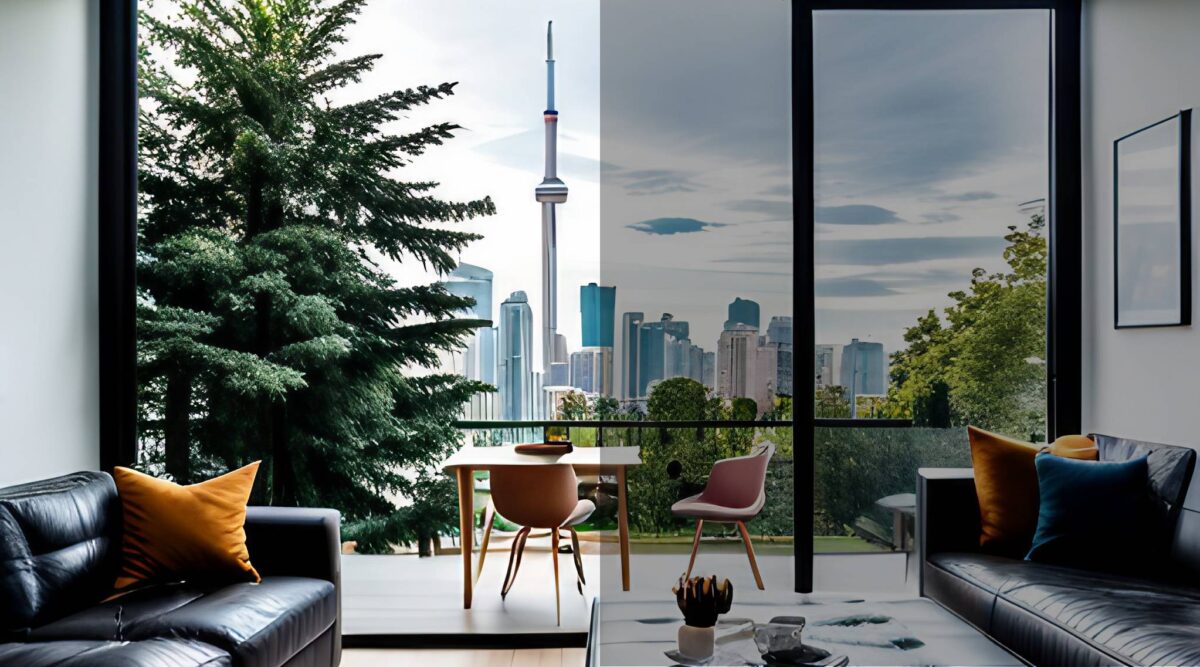
Home window tinting is gaining popularity among homeowners who are looking to enhance their living spaces with style, privacy, and energy efficiency. Before diving into this investment, it’s crucial to understand the benefits, options, and considerations involved. This article will guide you through everything you need to know about home window tinting.

Window tinting is not just for cars. It has become an essential part of modern home design. By applying a thin film to your windows, you can control the amount of sunlight that enters your home, reduce glare, and increase privacy.
Benefits of Home Window Tinting
- Energy Efficiency: One of the most significant benefits of window tinting is energy savings. Tinted windows reduce the amount of heat that enters your home, which means your air conditioner doesn’t have to work as hard. This can lead to lower energy bills.
- UV Protection: Window films block up to 99% of harmful UV rays. This not only protects your skin but also prevents your furniture, carpets, and curtains from fading.
- Increased Privacy: Privacy window films allow you to enjoy natural light without compromising privacy. They are perfect for street-facing windows or any room where you want extra privacy.
- Improved Aesthetics: Tinted windows give a sleek, modern look to your home. With various styles and shades available, you can choose a film that complements your home’s décor.
- Glare Reduction: By minimizing glare, window tinting enhances your comfort and allows you to enjoy your electronic devices and screens without the discomfort of reflected light.
Types of Window Tinting Films

by Marek Piwnicki (https://unsplash.com/@marekpiwnicki)
There are several types of window tinting films, each offering unique benefits. Understanding these options will help you make an informed decision.
Solar Control Films
Solar control films are designed to reduce heat and glare while allowing natural light to pass through. They are ideal for rooms with large windows or those that receive a lot of sunlight.
Privacy Films
Privacy films come in various styles, from frosted to reflective. They provide daytime privacy by obstructing the view into your home without sacrificing your view out.
Decorative Films
Decorative films are perfect for adding a touch of style to your windows. Available in a variety of patterns and colors, these films can mimic the look of etched glass or stained glass.
Safety and Security Films
These films are thicker and provide an added layer of protection against break-ins, storms, and accidents. They hold shattered glass together, reducing the risk of injury from flying glass shards.
Factors to Consider Before Installing Window Tinting
Climate and Location
The effectiveness of window tinting can vary depending on your climate and location. In areas with intense sunlight, solar control films may be more beneficial, while in colder climates, you might want to consider films that offer insulation benefits.
Window Type and Condition
Not all windows are suitable for tinting. Check the type and condition of your windows before installation. Older or damaged windows may need repair or replacement before applying window film.
Building Regulations
Before installing window tinting, it’s essential to check local building codes and regulations. Some areas have restrictions on the type and shade of window films that can be used, particularly on historic buildings.
Professional Installation vs. DIY
While DIY kits are available, professional installation ensures a flawless finish and long-lasting results. Professionals have the experience and tools to handle large or difficult-to-reach windows, and they often provide warranties on their work.
Choosing the Right Window Film
When selecting a window film, consider your specific needs and preferences. Do you prioritize energy savings, privacy, or aesthetics? Consult with a window film professional to explore options that align with your goals.
Energy Savings
For maximum energy savings, look for films with a high Total Solar Energy Rejected (TSER) rating. This indicates how well the film can block heat from the sun.
Privacy Needs
If privacy is a priority, choose films with higher reflectivity or opacity. Reflective films provide privacy during the day, while frosted films offer privacy both day and night.
Style Preferences
Decorative films offer a range of design options. Whether you prefer a simple frosted look or an intricate pattern, there’s a film to match your style.
Maintenance and Care

by Ruan Richard Rodrigues (https://unsplash.com/@ricdeoliveira)
To ensure the longevity of your window films, proper maintenance is crucial. Avoid using abrasive cleaners or tools that can scratch the film. Instead, use a soft cloth or sponge with a mild soap solution to clean your tinted windows.
Regular Inspection
Regularly inspect your window films for any signs of damage or peeling. If you notice any issues, contact a professional to assess and address the problem promptly.
Conclusion
Home window tinting is an excellent investment for enhancing the comfort, efficiency, and appearance of your living space. By understanding the different types of films and considering your specific needs, you can make an informed decision that adds value to your home. Whether you choose to go the DIY route or hire a professional, window tinting offers a range of benefits that make it worth considering for any homeowner looking to improve their home’s functionality and aesthetics.
By taking the time to research and select the right window tinting solutions, you can create a more comfortable and stylish living environment that meets your unique needs and preferences.