Categories
Window Films and Tinting Toronto

When to Use How Much Is Window Film For Home

Understanding when and how much window film to use for your home can transform your living space in both functionality and aesthetics. Whether you’re an interior designer or a homeowner, window films offer a versatile solution. They can enhance privacy, improve energy efficiency, and elevate the overall look of your home. Let’s delve into the details of residential window tints and explore how they can be a valuable addition to any home improvement project.

Residential window film application

Residential window film is a thin laminate film that can be installed on the interior or exterior of glass surfaces in homes. These films are used to improve solar performance, protect against UV rays, reduce glare, and provide additional security. They come in various shades and styles, allowing you to choose one that complements your home’s interior design.

Types of Window Films

  1. Solar Control Film: Reduces heat and glare, making your home more comfortable.
  2. Security Film: Adds a layer of protection, holding glass together in case of breakage.
  3. Decorative Film: Enhances the aesthetic appeal of your windows with patterns or textures.
  4. Privacy Film: Obscures visibility from outside without blocking light.

Benefits of Using Window Film

Window film benefits

Energy Efficiency

One of the primary benefits of window film is its ability to improve energy efficiency. By reducing the amount of heat entering your home, window film can significantly lower cooling costs during the summer. Similarly, it helps retain heat during the winter months, making your home more energy-efficient all year round.

Enhanced Privacy and Security

Window films offer an added layer of privacy without sacrificing natural light. You can enjoy the comfort of your home without prying eyes from the outside. Security films also strengthen windows, making them more resistant to break-ins and accidents.

UV Protection

The sun’s UV rays can cause fading on your furniture, flooring, and artwork. Window films block up to 99% of UV rays, protecting your home’s interior and prolonging the life of your furnishings.

Aesthetic Appeal

Decorative window films can transform ordinary glass into a work of art. Whether you prefer a frosted look or a colorful pattern, there’s a window film to match your style and enhance your home’s curb appeal.

When to Consider Window Film

As an interior designer or a homeowner, you may wonder when is the best time to invest in window film. Here are some scenarios where window film would be particularly beneficial:

  1. Energy Consumption Concerns: If you’re aiming to reduce energy costs, window films can help by improving your home’s insulation.
  2. Privacy Needs: For homes located in busy neighborhoods or ground-level apartments, privacy films can provide seclusion without drawing the curtains.
  3. Aesthetic Enhancements: When looking to add a unique touch to your home decor, decorative films offer a cost-effective and stylish solution.
  4. Protection from Sun Damage: To protect your interior furnishings from fading, installing window film can be a wise decision.
  5. Increased Safety: If safety is a priority, especially in homes with children, security films add a layer of protection against accidents and break-ins.

How Much Does Window Film Cost for Home?

The cost of window film for a home varies based on several factors, including the type of film, the size of the windows, and the complexity of the installation. On average, homeowners can expect to spend between $5 to $15 per square foot for the film and installation.

Factors Influencing Cost

  1. Type of Film: Security and decorative films tend to be more expensive than standard solar control films.
  2. Window Size and Shape: Larger or unusually shaped windows may require more labor and materials, increasing costs.
  3. Professional Installation vs. DIY: While DIY installation kits are available, professional installation ensures a perfect fit and long-lasting results.

Long-term Savings

While there is an initial cost associated with window film installation, the long-term savings on energy bills and the protection it provides to your furnishings make it a worthwhile investment. Over time, the energy savings alone can offset the cost of installation.

Choosing the Right Window Film for Your Home

Choosing the right window film

by Steven Van Elk (https://unsplash.com/@stevenvanelk)

When selecting window film, consider the specific needs of your home and your personal preferences. Here are some tips to guide you:

  • Assess Your Needs: Determine what you want to achieve with window film—be it energy efficiency, privacy, or decorative appeal.
  • Research Brands and Products: Look for reputable brands that offer quality films with warranties.
  • Consult with Professionals: An expert can provide insights and recommendations tailored to your home’s specific requirements.

Conclusion

Window film is a versatile and practical solution for enhancing your home’s comfort, efficiency, and aesthetic appeal. By understanding the benefits and costs associated with residential window film, you can make informed decisions that align with your goals as a homeowner or interior designer. Whether you’re seeking to improve energy efficiency, increase privacy, or add a decorative touch, window films offer a range of options to meet your needs. Invest in window film today and transform your living space into a more beautiful and functional environment.

Categories
Window Films and Tinting Toronto

Smart Ways to Use How Much Is Residential Window Tinting

In the realm of home improvement, residential window tinting is a savvy investment that can significantly enhance both the functionality and aesthetics of any living space. Beyond just a cosmetic upgrade, window tinting offers practical benefits that can improve the quality of life for homeowners. Whether you’re an interior designer seeking eco-friendly solutions for your clients or a homeowner aiming to improve energy efficiency, understanding the cost and benefits of window tinting is paramount. This article delves into smart ways to leverage residential window tinting, focusing on its costs, benefits, and applications. By exploring these aspects, you can make informed decisions that will positively impact your home environment and potentially increase property value.

Stylish window tinting in a modern living room

Home window tinting involves applying a thin film to the interior or exterior of windows. This film serves multiple purposes, from reducing glare and blocking harmful UV rays to increasing privacy and enhancing the overall appearance of a home. The process of tinting windows may seem straightforward, but the variety of films available allows for tailored solutions that meet specific needs and preferences. But before diving into the benefits, it’s essential to grasp the cost implications, as these can vary widely based on numerous factors. By understanding the intricacies of window tinting, you can better appreciate its value and select the right options for your home.

Breaking Down Window Tinting Prices

Window tinting prices can vary widely based on several factors, including the type of film, the size and number of windows, and the complexity of the installation. On average, residential window tinting costs range from $5 to $15 per square foot. However, premium films with additional features such as decorative designs or high UV protection can cost more. It’s important to consider these costs in the context of the long-term savings and benefits that window tinting can provide. For instance, energy-efficient films may have a higher upfront cost but can lead to substantial savings on energy bills over time. Additionally, the aesthetic enhancements offered by decorative films can add significant value to your home, making the investment worthwhile.

Factors Influencing Residential Window Tinting Cost

  • Type of Film: Basic films are more affordable, while specialized films with features like heat rejection or decorative patterns can increase the price. The choice of film will depend on your specific needs, whether you’re prioritizing energy efficiency, privacy, or aesthetic appeal.
  • Window Size and Number: Larger windows or a greater number of windows will increase the overall cost. It’s crucial to measure your windows accurately and consider how the size and number will impact the total expense of the project.
  • Installation Complexity: Windows with unusual shapes or those that are hard to reach might require more labor, impacting the cost. Professional installation can ensure a seamless application, particularly for challenging windows, and may be worth the additional investment.

Benefits of Residential Window Tinting

Energy-efficient home with tinted windows

Residential window tinting offers a myriad of benefits that go beyond mere aesthetics. By understanding these advantages, homeowners can make informed decisions that enhance their living spaces while providing practical benefits. Let’s explore some of these advantages in detail and consider how they can improve your home environment.

Enhanced Energy Efficiency

Tinted windows can significantly reduce energy consumption by blocking a substantial amount of solar heat. This means that during the hot summer months, your air conditioning system doesn’t have to work as hard, leading to lower energy bills. Moreover, in cooler months, window films can help retain heat inside, further contributing to energy savings. For interior designers, this translates to offering clients a solution that is both stylish and cost-effective. By promoting energy efficiency, window tinting also contributes to a more sustainable living environment, aligning with the growing trend of eco-friendly home improvements.

Protection from UV Rays

One of the primary functions of window tinting is to block harmful UV rays. These rays can cause furniture and flooring to fade over time, leading to costly replacements. By installing window films, homeowners can protect their interiors, maintaining the vibrancy of their décor. Additionally, reducing UV exposure can help protect the health of occupants, as prolonged exposure to UV rays can increase the risk of skin damage. With window tinting, you can enjoy natural light without compromising on safety or the longevity of your home furnishings.

Improved Privacy and Security

Window tinting can also enhance privacy by making it difficult for outsiders to see into your home, without compromising your view from the inside. This is particularly valuable for homes situated in busy neighborhoods or those with large windows facing public areas. Additionally, certain films can reinforce glass, making it more resistant to breakage, thereby enhancing security. The added layer of protection can deter potential intruders and provide peace of mind for homeowners, knowing that their home is more secure.

Glare Reduction

For those who love natural light but hate the accompanying glare, window tinting is the perfect solution. It allows you to enjoy the sun without the discomfort of glare, which is particularly beneficial in spaces with screens like home offices or entertainment rooms. By reducing glare, window films can enhance the comfort and usability of these spaces, making them more enjoyable for work or leisure activities. This improvement can also contribute to better productivity and overall well-being, as harsh glare is minimized, and visual comfort is maximized.

Smart Applications for Window Tinting

Aesthetic Enhancements

Decorative window film in a modern kitchen

by Beverly Kimberly (https://unsplash.com/@beverlki)

For homeowners and interior designers looking to make a style statement, decorative window films offer a unique way to personalize spaces. These films come in various patterns and colors, allowing for customized designs that complement the interior décor. Whether you prefer a minimalist look or bold patterns, decorative films can transform ordinary windows into focal points of design. The versatility of these films means they can be used in any room, from kitchens to living areas, providing endless possibilities for creativity and personalization.

Eco-Friendly Living

In today’s world, sustainability is more important than ever. By reducing energy consumption, window tinting contributes to a smaller carbon footprint. This makes it an excellent choice for eco-conscious homeowners and designers who prioritize green living. In addition to energy savings, many window films are made from sustainable materials, further enhancing their environmental benefits. By choosing window tinting, you can align your home improvement efforts with broader sustainability goals, contributing to a healthier planet.

Cost-Effective Renovation

For those considering a home renovation, window tinting is a cost-effective way to revitalize a space. Instead of replacing windows entirely, adding tint can refresh a room’s look and feel at a fraction of the cost. This approach not only saves money but also minimizes disruption, allowing for a quick and easy update. Whether you’re preparing a home for sale or simply looking to enhance its appeal, window tinting offers a practical solution that delivers immediate results.

Choosing the Right Window Tinting for Your Home

When selecting window tinting, it’s crucial to consider both function and style. The right choice can enhance your home’s comfort, efficiency, and appearance, making it a valuable addition to any home improvement project. Here are some tips to help you choose the right tint for your needs:

Assess Your Needs

Determine what you want to achieve with window tinting. Are you looking to improve energy efficiency, increase privacy, or enhance aesthetics? Your primary goal will guide your choice of film. Consider the specific needs of each room, as different areas may require different types of films to achieve the desired effect. By clearly defining your objectives, you can select a solution that aligns with your overall vision for your home.

Explore Different Film Options

There are various types of window films available, each designed to meet specific needs. For instance, solar control films are excellent for energy efficiency, while decorative films are ideal for aesthetic purposes. Security films offer added protection, while frosted films enhance privacy. By exploring the range of options, you can find a film that meets your unique requirements and enhances your home’s functionality and style.

Consider Professional Installation

While DIY installation is an option, hiring a professional ensures a flawless finish and maximizes the film’s benefits. Professionals have the tools and expertise to handle complex installations, especially on large or uniquely shaped windows. A professional installation not only guarantees quality but also saves time and reduces the risk of errors. By investing in expert services, you can ensure that your window tinting project delivers the desired results and enhances your home’s value.

Conclusion

Residential window tinting is a versatile and cost-effective solution for enhancing the functionality and aesthetics of your home. By understanding the costs involved and the range of benefits, you can make informed decisions that align with your goals, whether you’re aiming to improve energy efficiency, enhance privacy, or elevate interior design. As a trusted expert in home improvement, I encourage you to explore the possibilities of window tinting and discover how it can transform your living space into a more comfortable and stylish environment.

Incorporate window tinting into your next home improvement project and experience the difference it makes in both form and function. Whether you’re a homeowner or an interior designer, the right window film can offer significant returns on investment, both in terms of cost savings and aesthetic appeal. By embracing the advantages of window tinting, you can create a home that is not only beautiful but also efficient, secure, and sustainable.

Categories
Window Films and Tinting Toronto

Do’s and Don’ts of How Much Is Residential Window Film

When considering the installation of residential window film, understanding the cost implications is crucial for making an informed decision. Whether you’re an interior designer looking to enhance your client’s living space or a homeowner seeking to improve energy efficiency, knowing the do’s and don’ts of residential window film pricing can save you time and money.

In this article, we will explore essential aspects of residential window tinting, from cost considerations to common mistakes, ensuring you have the knowledge needed to make the best choice for your home or project.

Window film installation process

Do: Assess Your Needs

Before embarking on a window film project, it’s vital to assess your specific needs. Consider the primary reasons for installing window film: is it for privacy, UV protection, heat reduction, or aesthetic appeal? Identifying your needs will help you choose the right type of film, which can significantly impact the overall cost.

Don’t: Assume All Films Are the Same

Not all window films are created equal. They vary in terms of material, performance, and appearance. High-quality films may cost more initially, but they often offer better longevity and effectiveness. Avoid assuming that the cheapest option will meet your needs, as this could lead to unsatisfactory results and additional costs in the long run.

Factors Influencing Window Tint Cost

Different types of window films

Do: Consider the Type of Film

The type of film you choose will greatly influence the cost. Options range from standard dyed films to advanced ceramic films. Dyed films are generally more affordable but may not offer the same level of heat reduction or UV protection as ceramic films. Assess the benefits of each type and select one that aligns with your goals and budget.

Don’t: Overlook Installation Costs

Installation costs can vary depending on the complexity of the job and the rates charged by different service providers. Some films may also require professional installation to ensure optimal performance. When budgeting, account for both the cost of the film and the installation fees to avoid unexpected expenses.

DIY vs. Professional Installation

Do: Evaluate Your Skills

If you’re considering a DIY approach to installing window film, evaluate your skills honestly. While DIY kits are available and can be cost-effective, improper installation can lead to bubbles, wrinkles, and reduced film performance. If you’re not confident in your abilities, hiring a professional installer might be the better choice.

Don’t: Ignore the Pros of Professional Installation

Professional installation not only ensures a high-quality finish but can also provide warranties that protect your investment. Experienced installers have the tools and expertise to handle tricky window shapes and sizes, minimizing waste and maximizing efficiency.

Long-Term Savings and Benefits

Energy-efficient home with window film

by Meshaal Al Hajali (https://unsplash.com/@meshaal_hajali)

Do: Factor in Energy Savings

One of the major benefits of residential window film is its potential to reduce energy costs. By blocking out a significant portion of solar heat, window films can lower cooling expenses during hot months. When evaluating cost, consider the long-term savings on energy bills as part of the investment’s return.

Don’t: Forget About Added Value

Beyond energy savings, window film can add value to your property by enhancing aesthetics and providing privacy without sacrificing natural light. This can be particularly appealing to potential buyers, making window film a valuable addition to your home.

Common Mistakes to Avoid

Do: Research Brands and Reviews

Before purchasing window film, take the time to research different brands and read customer reviews. This will help you gauge the quality and effectiveness of various products, ensuring you choose a reputable brand that meets your needs.

Don’t: Rush the Decision

Rushing into a purchase without proper consideration can lead to dissatisfaction and potential additional costs. Take the time to explore different options, compare prices, and consult with professionals if needed. A well-informed decision will yield better long-term results.

Conclusion: Making the Right Choice

Residential window film offers a multitude of benefits, from energy savings to enhanced privacy and aesthetics. By understanding the do’s and don’ts of window film costs, you can make informed decisions that align with your goals and budget. Whether you opt for a DIY installation or hire a professional, prioritizing quality and suitability will ensure you reap the rewards of this valuable home improvement solution.

Remember, investing in high-quality window film not only improves your living space but also contributes to long-term savings and property value. With careful consideration and planning, your residential window film project can be a successful and rewarding endeavor.

Categories
Window Films and Tinting Toronto

Top 5 Things to Consider with How Much Is Privacy Tint For Home Windows

Types of window films

The type of window film you choose plays a significant role in the overall cost. Privacy window films come in a range of options, each with distinct features and benefits that cater to different needs and preferences. The diversity in film types allows homeowners to select a product that not only meets their privacy requirements but also enhances the aesthetic and functional attributes of their home.

  • Reflective Films: These films not only enhance privacy by reflecting external views but also help reduce glare and heat, making them a popular choice for energy efficiency. The reflective surface acts as a mirror during the day, preventing outsiders from seeing in while still allowing you to see out. This dual functionality makes reflective films a versatile option for many homeowners.
  • Frosted Films: Ideal for bathrooms or areas where you need complete privacy, frosted films obscure vision while allowing light to pass through. Frosted films are particularly useful in spaces where maintaining natural light is important but privacy is a priority. They provide a sophisticated look and can be used to create a modern or classic aesthetic depending on the design of the film.
  • Decorative Films: Available in various patterns and designs, decorative films provide privacy while adding an aesthetic element to your windows. These films can transform ordinary windows into works of art, making them a popular choice for those looking to make a style statement. The decorative aspect can also enhance the interior design theme of a room, adding a layer of personalization and creativity.
  • Security Films: These thick films provide privacy and reinforce your windows, adding an extra layer of protection against break-ins. Security films are designed to hold shattered glass together, reducing the risk of injury and providing peace of mind. While they tend to be more expensive, the added security benefits can be invaluable for homeowners in areas prone to break-ins or severe weather.

Each type of film has a different price point, with decorative and security films typically costing more due to their specialized functions. When selecting a film, consider not only the upfront cost but also the long-term benefits and how they align with your specific needs.

2. Quality and Brand of the Film

Home window film installation

The quality and brand of the window film also contribute to the cost. Higher-quality films from reputable brands are often more expensive but offer better durability, UV protection, and aesthetic appeal. Investing in a premium brand ensures that your window film will last longer and perform better over time, making it a worthwhile investment for homeowners prioritizing quality and longevity.

Premium brands often invest in research and development to produce films that offer enhanced features such as anti-scratch coatings, superior UV protection, and advanced heat rejection capabilities. These features can significantly improve the comfort of your home and protect your furnishings from sun damage, making the higher initial cost a sound investment.

Furthermore, well-known brands typically offer better customer support and warranties, giving you peace of mind that you’re investing in a reliable product. The warranty can cover potential defects or performance issues, adding an extra layer of security to your purchase. As with any home improvement investment, it’s crucial to weigh the cost against the potential benefits and long-term savings.

3. Size and Number of Windows

The size and number of windows you plan to tint directly affect the total cost. Larger windows require more material, and the complexity of installation increases with the number of windows. This can also affect the time needed for installation, which is an important consideration whether you are hiring a professional or undertaking the project yourself.

To get an accurate estimate, measure the dimensions of your windows and consider how many you wish to tint. Many professional installers provide free quotes based on these details, allowing you to budget more effectively. By having precise measurements and a clear plan for which windows will be tinted, you can avoid unexpected costs and ensure a smoother installation process.

Additionally, larger windows may benefit from films with enhanced UV and heat protection, which can contribute to energy savings over time. If your home features unique window shapes or sizes, custom-cut films may be required, which could also influence the overall cost. Understanding these factors can help you make a more informed decision and plan accordingly.

4. Professional Installation vs. DIY

Professional window film installation

by 烧不酥在上海 老的 (https://unsplash.com/@geraltyichen)

Deciding between professional installation and a DIY approach is another factor that impacts cost. While DIY kits are available and can save you money initially, they may not offer the same level of precision and finish as a professional installation. DIY installations require a significant amount of patience, skill, and the right tools to achieve a flawless finish, which can be challenging for those without prior experience.

Professional installers bring expertise and specialized tools to the job, ensuring a flawless finish without bubbles or misalignment. This option might cost more upfront, but it often results in a more polished look and longer-lasting performance, ultimately providing better value for your investment. The experience of a professional can also minimize the risk of damage to your windows or the film itself during installation.

Advantages of Professional Installation

  • Expertise: Professionals have the experience to handle different window types and challenges during installation. They can anticipate potential issues and address them effectively, ensuring a smooth and efficient process.
  • Warranty: Many professional installations come with warranties, covering issues like bubbling or peeling. This provides added protection and assurance that your investment is safeguarded against defects and performance issues.
  • Time-Saving: Hiring a professional saves you time and effort, allowing you to enjoy the benefits of window tinting without the hassle. Professionals can typically complete the installation much faster than a DIY approach, minimizing disruption to your daily routine.

5. Local Climate and Energy Savings

The local climate can influence the cost of privacy tint for home windows, as well as the potential savings on energy bills. In regions with extreme temperatures, window films can significantly reduce heat gain in summer and heat loss in winter, leading to lower energy consumption and cost savings. This can be particularly beneficial in areas with high utility rates or where energy efficiency is a priority.

Consider the specific climate challenges in your area and how window tinting can address them. Many films are designed to enhance energy efficiency, which can be a major selling point for homeowners looking to reduce their carbon footprint and utility bills. By selecting a film tailored to your local climate, you can maximize the energy-saving benefits and improve the comfort of your home.

Calculating Potential Savings

To determine potential savings, evaluate your current energy bills and estimate the reduction in energy consumption that window tinting could provide. Many manufacturers offer calculators or case studies to help you understand the financial benefits over time. By analyzing these tools, you can gain a clearer picture of the long-term return on investment and make a more informed purchasing decision.

Understanding the potential energy savings can also help justify the initial investment in high-quality films, as the reduction in energy costs can offset the price over time. This holistic view ensures that you are not only making a choice based on upfront costs but also considering the broader financial impact on your household.

Conclusion

Privacy tint for home windows is a versatile solution that offers enhanced privacy, energy efficiency, and aesthetic appeal. When considering the cost, it’s essential to factor in the type and quality of the film, the size and number of windows, the choice between professional installation or DIY, and the impact of your local climate. Each of these factors plays a critical role in determining the overall expense and effectiveness of your window tinting project.

By understanding these factors, you can make a well-informed decision that meets both your budget and your home improvement goals. Whether you’re an interior designer seeking to complement your designs or a homeowner looking to upgrade your living space, privacy window tinting offers a practical and stylish solution. It allows you to enhance the comfort, security, and aesthetic of your home in a single investment.

Remember, investing in quality window films and professional installation can enhance the value of your home and provide long-term benefits, making it a decision worth careful consideration. As you weigh your options, consider the lasting impact that quality window tinting can have on your home’s energy efficiency, privacy, and overall appeal.

Categories
Window Films and Tinting Toronto

FAQ About How Much Is House Window Film

A modern home with window film installed on its large windows

House window film is a thin laminate film that can be applied to the interior or exterior of glass surfaces in homes. It serves multiple purposes, including reducing heat and glare, increasing privacy, and protecting interiors from harmful UV rays. With various types available, such as tinted, reflective, and decorative films, homeowners can choose the one that best suits their needs. These films are designed to enhance the comfort of your home environment, allowing you to enjoy natural light without the associated downsides.

Additionally, window films are engineered to withstand various weather conditions, ensuring durability and long-term performance. They offer an easy and effective way to upgrade existing windows without the need for costly replacements. As a result, window films can be an excellent investment, providing both immediate and long-lasting benefits. Whether you aim to conserve energy, protect your furnishings, or simply enhance the aesthetic appeal of your windows, window films offer a solution that can be tailored to your specific requirements.

How Much Does House Window Film Cost?

The cost of house window film can vary based on several factors, including the type of film, the size of the windows, and professional installation fees. On average, the cost can range from $5 to $12 per square foot, including installation. It’s essential to consider these costs in relation to the benefits provided, as window film can enhance both the comfort and value of your home.

Type of Film

Different films have different price points. For instance, basic solar films tend to be less expensive than decorative or security films. If you’re looking for a film that offers a high level of privacy or energy efficiency, you might expect to pay a bit more. Higher-end films often incorporate advanced technology to provide superior performance, such as enhanced UV protection or increased durability.

Moreover, specialty films, like those designed for security or anti-graffiti purposes, can be more costly due to their specific functionalities. Understanding the unique features and benefits of each type of film can help you decide which option is worth the investment for your particular situation. It’s important to evaluate the potential return on investment in terms of energy savings and enhanced property value when selecting a film type.

Window Size

The size of your windows will directly affect the total cost. Larger windows require more film and labor, which increases the overall expense. It’s beneficial to measure your windows accurately to get a precise estimate. For homes with numerous or expansive windows, the cost can add up, but the benefits of improved energy efficiency and comfort can justify the expense.

When planning your budget, consider both the immediate and long-term benefits. Larger installations may initially seem costly, but the energy savings over time can make this investment worthwhile. Additionally, larger windows often contribute more to energy loss, making window film an effective solution for reducing heating and cooling costs.

Installation Fees

While DIY installation kits are available, professional installation is recommended for the best results. Professional installers ensure the film is applied smoothly and without bubbles. Installation fees typically range from $2 to $5 per square foot. By opting for professional installation, you can avoid common pitfalls and ensure the film’s longevity and performance.

Furthermore, professional installers can provide valuable advice on film selection and maintenance, ensuring you get the most out of your investment. Their expertise can also help you avoid potential issues such as improper application or damage to the film, which can lead to costly repairs or replacements. Overall, professional installation can enhance the value and effectiveness of your window film.

Can Window Film Save Money on Energy Bills?

An energy bill showing reduced costs due to window film

Yes, window film can significantly reduce energy costs. By blocking heat from entering the home during the summer and retaining heat during the winter, window film helps maintain a consistent indoor temperature. This reduction in heat transfer can lead to lower reliance on heating and cooling systems, potentially saving up to 30% on energy bills. Over time, these savings can offset the initial investment in window film, making it a financially sound choice for many homeowners.

Moreover, by improving energy efficiency, window film also contributes to a more sustainable living environment. Reducing your home’s energy consumption helps decrease your carbon footprint, aligning with eco-friendly living practices. Additionally, the decreased demand on HVAC systems can prolong their lifespan, reducing maintenance and replacement costs over time. This multifaceted approach to savings makes window film an attractive option for those looking to enhance both their home’s efficiency and environmental impact.

Is There a Difference Between Window Tint and Window Film?

While the terms are often used interchangeably, there is a subtle difference between window tint and window film. Window tint typically refers to the darker films used primarily for reducing glare and adding privacy. In contrast, window film can include a broader range of products, such as clear films that provide UV protection without altering the appearance of windows. Understanding these differences can help you choose the right product for your needs.

Furthermore, window tint is often associated with automotive applications, whereas window film is more commonly used in residential and commercial settings. Each type of film has its unique benefits and applications, so it’s important to consider your specific needs when selecting a product. Whether you seek to enhance privacy, reduce glare, or protect against UV rays, understanding the distinctions between tint and film can guide you in making an informed decision.

How Long Does Window Film Last?

The lifespan of window film can vary depending on the type and quality of the film and the conditions it is exposed to. On average, high-quality window films can last between 10 to 20 years. Many manufacturers offer warranties that guarantee their products will not peel, bubble, or discolor over time, providing peace of mind with your investment. This durability makes window film a long-term solution for enhancing your home’s comfort and efficiency.

Additionally, the longevity of window film can be influenced by factors such as climate, exposure to sunlight, and maintenance. Regular cleaning and care can help extend the life of your window film, ensuring it continues to perform effectively over the years. By selecting a high-quality product and maintaining it properly, you can enjoy the benefits of window film for many years to come.

What Are the Benefits of Installing Window Film?

Window film offers a myriad of benefits that go beyond cost savings:

Enhanced Comfort

Window film reduces glare and blocks UV rays, making indoor spaces more comfortable and protecting furniture, artwork, and flooring from fading. This protection helps maintain the aesthetic and functional value of your interior spaces, prolonging the life of your furnishings and décor.

Additionally, by minimizing glare, window film can improve visibility and comfort, particularly in rooms with screens or monitors. This makes it an ideal choice for home offices or media rooms, where screen clarity is important. Overall, window film can significantly enhance the comfort and usability of your home environment.

Increased Privacy

Some films provide privacy by preventing outsiders from seeing into your home while still allowing light to pass through. This can be especially beneficial in urban settings or neighborhoods where homes are closely spaced. Privacy films offer a simple solution for enhancing security without sacrificing natural light.

Moreover, privacy films can also contribute to a more secure living environment by obscuring views into your home. This added layer of security can deter potential intruders, providing peace of mind. Whether you seek privacy for a single room or your entire home, window film offers versatile options to meet your needs.

Improved Safety

Security films can hold glass together in the event of breakage, reducing the risk of injury from flying glass shards. This feature is particularly valuable in areas prone to severe weather or for homes with large glass surfaces. By enhancing the safety of your windows, security films can protect both people and property.

In addition to providing protection against accidents or natural disasters, security films can also offer a deterrent against break-ins. The added strength and resilience of security films make it more difficult for intruders to gain entry, enhancing the overall security of your home. Whether for safety or security, these films add an important layer of protection.

Aesthetic Appeal

Decorative films can enhance the look of your windows, adding a unique style element to your interior design without significant costs. With a wide range of patterns, colors, and textures available, decorative films can complement your existing décor or create a bold new look.

These films allow you to experiment with design and style without the permanence of traditional window treatments. Whether you prefer a subtle frosted look or a vibrant stained-glass effect, decorative films offer endless possibilities for personalization. By enhancing the aesthetic appeal of your windows, these films can transform the ambiance of your living spaces.

Are There Any Drawbacks to Installing Window Film?

While window film offers numerous benefits, there are a few considerations to keep in mind:

Initial Investment

The upfront cost of installing window film may be a consideration for some homeowners, although this is often offset by long-term energy savings. It’s important to consider the potential return on investment when evaluating the cost of window film. By factoring in energy savings and enhanced comfort, the initial investment may prove worthwhile.

Additionally, the cost can vary significantly based on the type of film and installation method chosen. While budget-friendly options are available, investing in higher-quality films can provide greater benefits and longevity. Carefully assessing your needs and budget can help you make an informed decision.

Potential for Damage

Improper installation can lead to bubbles or peeling, which is why professional installation is recommended to ensure longevity and effectiveness. Incorrect application can compromise the film’s appearance and performance, leading to additional costs for repairs or replacement.

Moreover, external factors such as exposure to harsh weather or improper cleaning can also affect the film’s durability. Following manufacturer guidelines for maintenance and care can help prevent damage and extend the life of your window film. By investing in professional installation and proper upkeep, you can maximize the benefits of your window film.

How Can I Choose the Right Window Film for My Home?
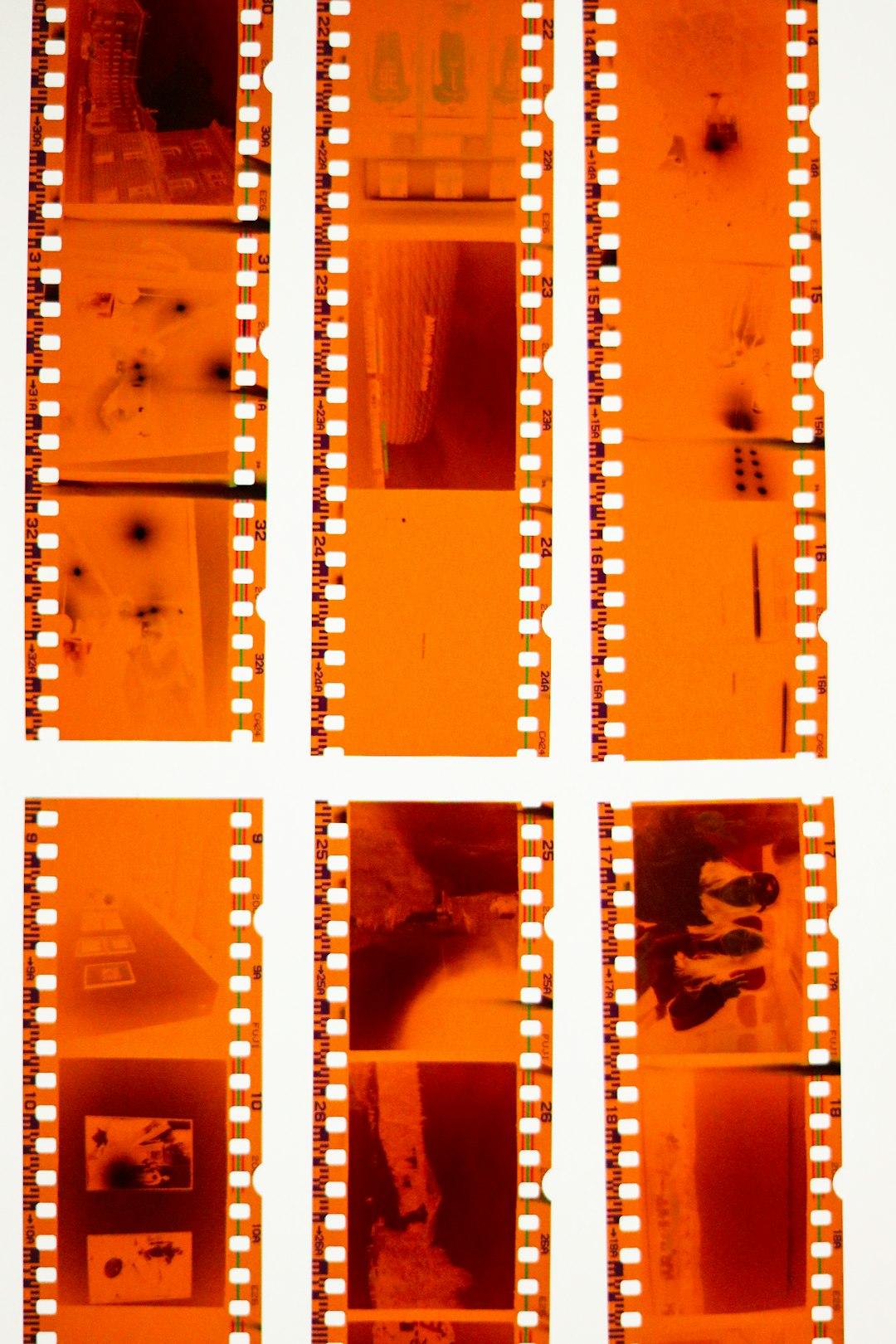
A selection of window film samples

by Shannia Christanty (https://unsplash.com/@shanniacy)

Choosing the right window film depends on your specific needs and preferences. Consider the following factors:

  • Purpose: Determine if you need solar control, privacy, security, or decorative film. Understanding your primary goals can help narrow down the options and find a film that meets your requirements.
  • Aesthetics: Choose a film that complements your home’s design and enhances its curb appeal. By selecting a film that integrates seamlessly with your interior and exterior design, you can create a cohesive and attractive look.
  • Budget: Balance the initial cost with the long-term savings and benefits. Evaluating the potential return on investment can guide your decision, ensuring you select a film that offers value and performance.

Consulting with a professional can also help guide you in selecting the perfect film for your home. They can provide insights into the latest technologies and trends, helping you make an informed choice that aligns with your goals and budget. By working with an expert, you can ensure you select a window film that enhances both the functionality and aesthetics of your home.

Conclusion

House window film is a versatile and cost-effective solution that offers numerous benefits, from energy savings to enhanced privacy and safety. By understanding the cost factors and benefits, you can make an informed decision that aligns with your needs and budget. Whether you’re an interior designer or a homeowner, window film can enhance your living spaces in both practical and aesthetic ways. With the right selection and installation, window film can transform your home into a more comfortable, efficient, and stylish environment.