Categories
Window Films and Tinting Toronto

Trends in Buy Professional Window Tinting

# Trends in Professional Window Tinting

In recent years, professional window tinting has evolved significantly, offering a range of innovative solutions that cater to both aesthetic preferences and functional needs. Whether you’re an interior designer looking to enhance a client’s space or a homeowner aiming to improve energy efficiency, understanding the latest trends in window tinting can help you make informed decisions.

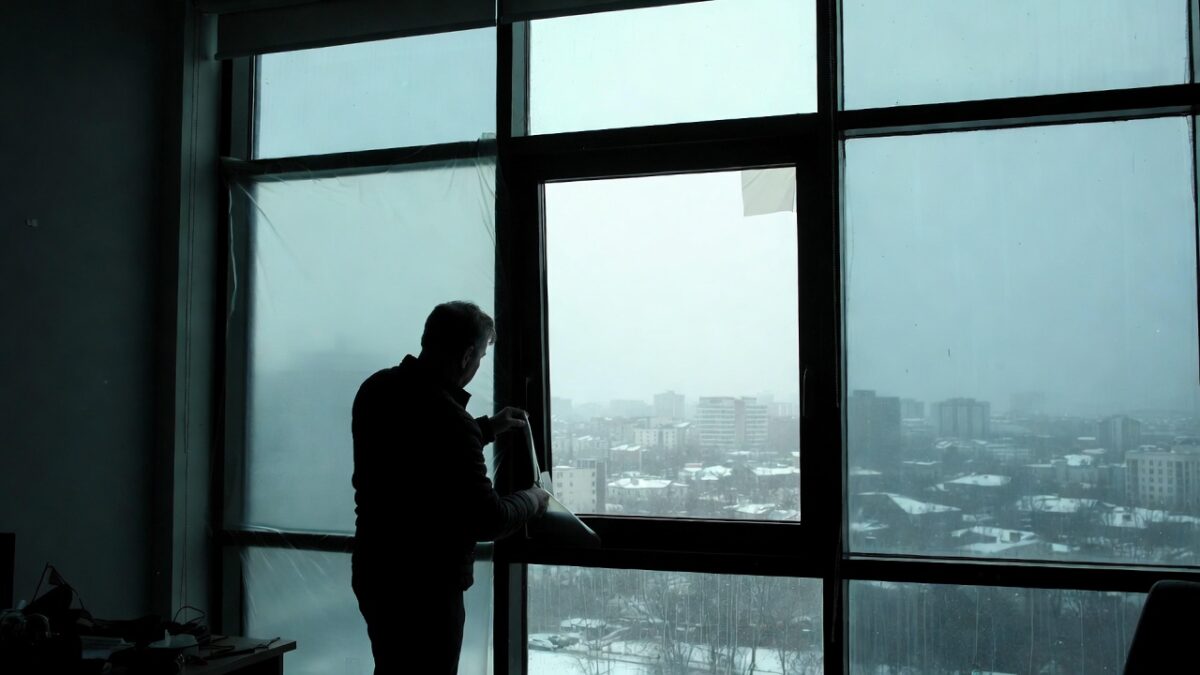
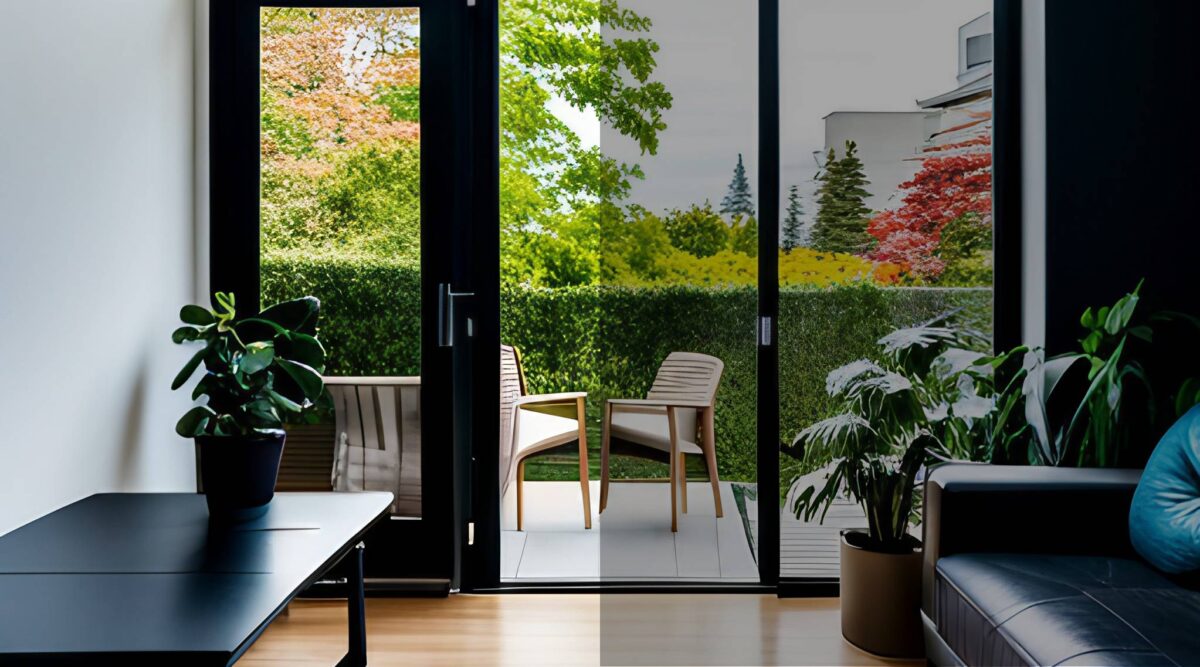
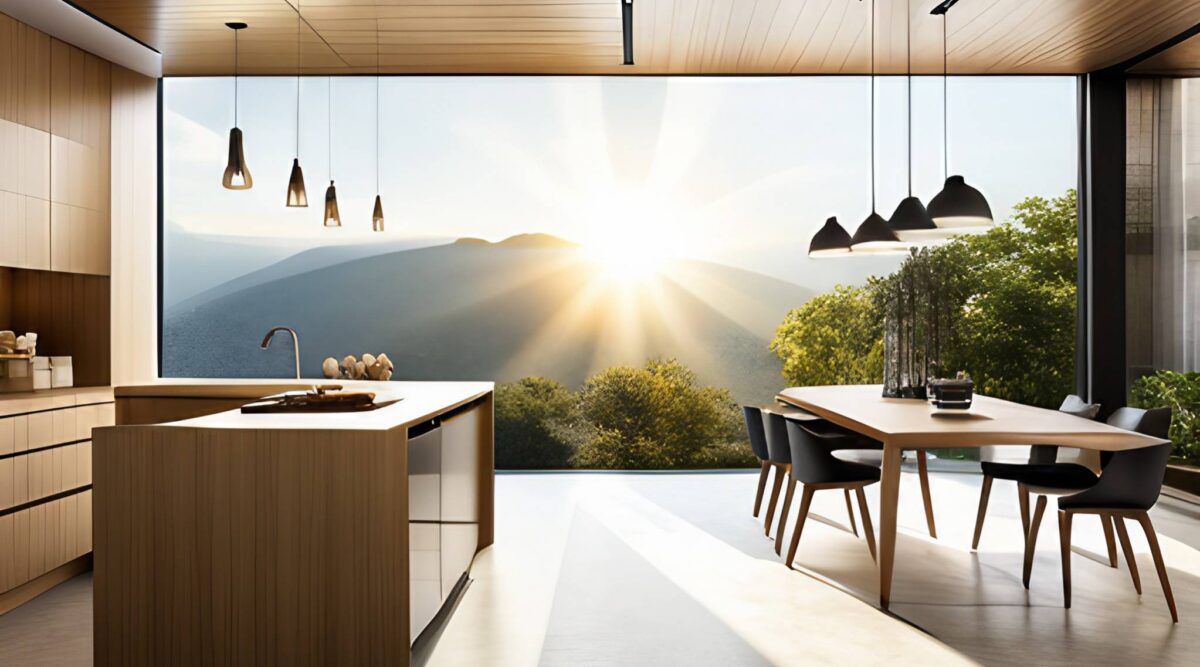
A modern home with tinted windows

The Rise of Advanced Window Tinting

Window tinting has moved beyond the basic shades of yesteryears. Today’s advanced window tinting solutions offer a myriad of benefits, from UV protection to energy efficiency and enhanced privacy.

Energy Efficiency and Environmental Impact

One of the most significant trends in window tinting is its role in boosting energy efficiency. Many modern films are designed to reflect heat and reduce the reliance on air conditioning systems. This not only lowers energy bills but also helps to reduce a building’s carbon footprint.

For interior designers, recommending energy-efficient window tinting can be a great selling point, especially for clients conscious of their environmental impact. By reducing heat gain, tinted windows maintain a comfortable indoor temperature, allowing homeowners to enjoy a cozy environment without excessive energy use.

UV Protection and Health Benefits

Professional window tinting offers substantial UV protection, blocking up to 99% of harmful ultraviolet rays. This not only helps in protecting the skin from sun damage but also prevents furnishings, carpets, and artworks from fading.

For interior designers, this means that the aesthetic integrity of the interiors remains intact over time. Clients can rest assured that their investment in high-quality décor is protected from the sun’s damaging effects.

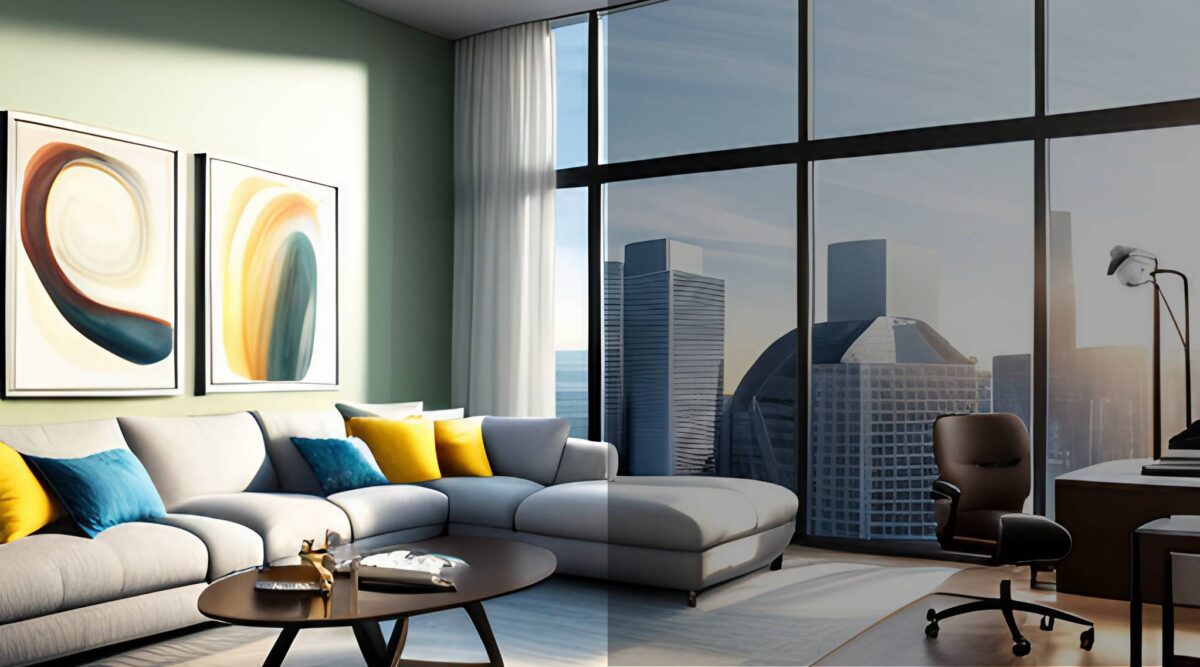
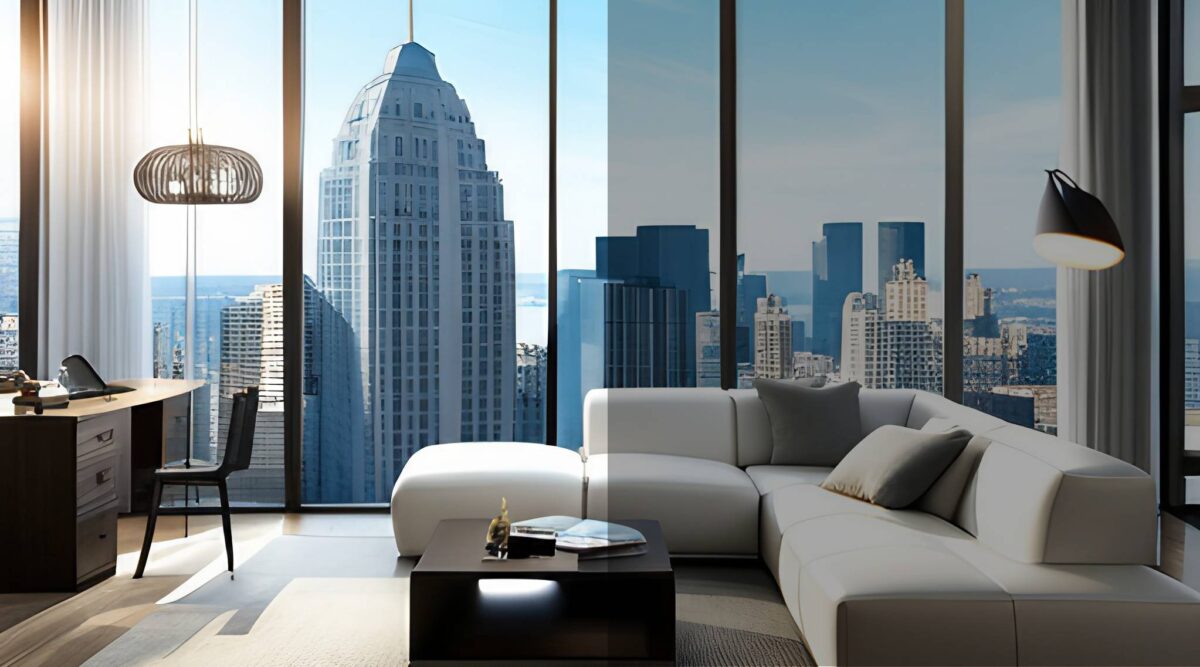
UV protection benefits of window tinting

Aesthetic Enhancements and Privacy

Window tinting isn’t just about functionality; it’s also about style. Tints come in various shades and finishes, allowing for customized looks that complement any interior design.

Customizable Tint Options

From frosted films that offer privacy without sacrificing natural light to decorative tints that add a touch of elegance, there’s a window film for every style preference. These options allow designers to work with clients to choose tints that align with their aesthetic vision while providing practical benefits.

Enhanced Privacy without Compromising Views

Privacy is a major concern for many homeowners, particularly those in urban areas. Advanced window tinting solutions offer privacy without compromising views. One-way mirror tints, for instance, allow for unobstructed views from inside while preventing outsiders from peering in.

This feature is particularly appealing for clients who value their privacy but still wish to maintain a connection with the outdoors. It’s a perfect balance of seclusion and openness.

Technological Innovations in Window Tinting

With the advancement of technology, window tinting has become more sophisticated, offering features that enhance the user experience.

Smart Window Films

Smart window films are a cutting-edge trend that allows users to control the level of tinting with the touch of a button. These films can transition from clear to tinted, offering flexibility in managing privacy and light levels based on the time of day or personal preference.

For interior designers, integrating smart films into a project can add a tech-savvy edge that appeals to modern homeowners looking for convenience and innovation in their living spaces.

Safety and Security Features

Window films now come with safety and security enhancements that protect against break-ins and natural disasters. These films hold shattered glass in place, minimizing injury and damage in the event of a breakage.

This added layer of security is a strong selling point for designers and homeowners seeking peace of mind, knowing that their windows are fortified against potential threats.

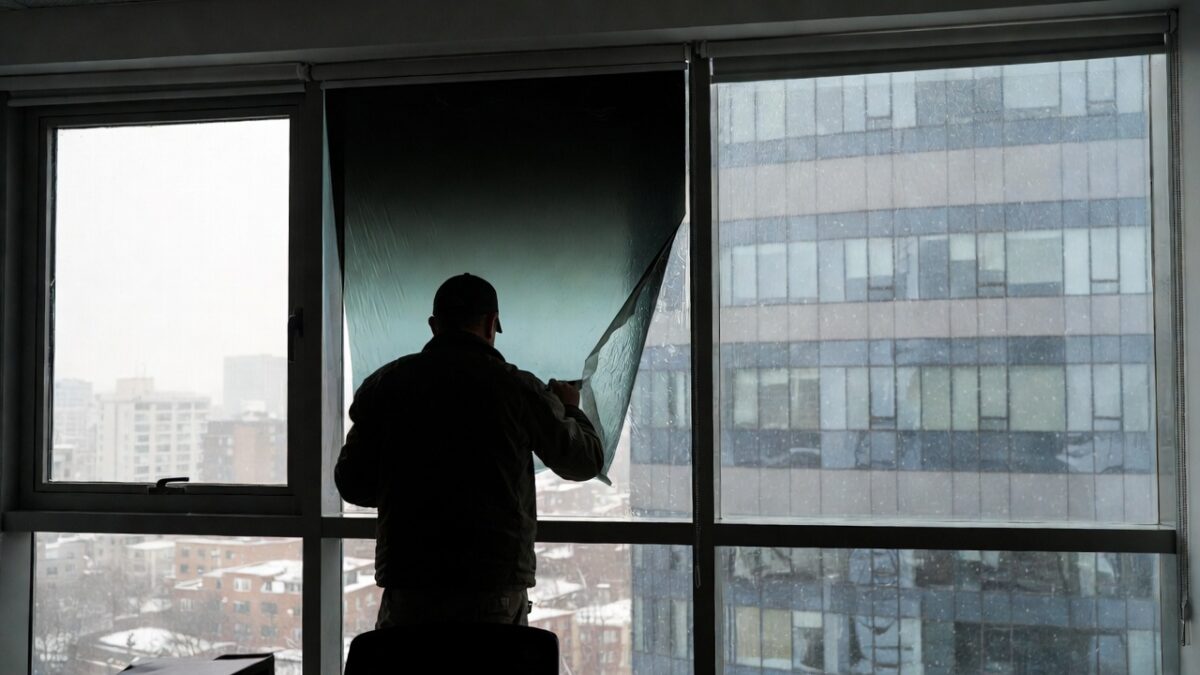
Smart window tinting technology

by Catherine Hart (https://unsplash.com/@ch_bcn)

The Cost-Effectiveness of Professional Window Tinting

While the initial investment in professional window tinting might seem significant, the long-term savings and benefits make it a cost-effective solution.

Reducing Energy Costs

As mentioned earlier, energy-efficient tints can significantly reduce cooling costs, which is a major advantage for budget-conscious clients. Over time, the savings on energy bills can offset the initial cost of installation.

Increasing Property Value

Quality window tinting can enhance the value of a property by improving its aesthetic appeal and energy efficiency. For interior designers, this means that recommending window tinting to clients is not just an enhancement but an investment in their property’s future value.

Conclusion

Professional window tinting is more than just a trend; it’s a practical and stylish solution for modern living. With advancements in technology and a variety of options available, window tinting can cater to the diverse needs of homeowners and designers alike.

Whether you’re aiming to improve energy efficiency, enhance aesthetics, or provide added security, today’s window tinting solutions offer a comprehensive approach to meeting these goals. As you explore the possibilities, consider how these trends can be integrated into your next project to deliver exceptional results for your clients.

By staying informed on the latest in window tinting, you can offer solutions that not only meet but exceed your clients’ expectations, ensuring satisfaction and long-term value.

Categories
Window Films and Tinting Toronto

Window Films for Office Conference Rooms in Toronto and the GTA

Window films are one of the most practical upgrades for offices with glass conference rooms in Toronto and the GTA. If you search for window films right now, you’ll see the same problem show up again and again. Offices love glass. Glass looks open and modern. But glass also removes privacy fast. Meetings feel exposed. Screens face hallways. Clients look around instead of listening.

This is why window films are now common in office conference rooms across downtown Toronto, North York, Vaughan, Markham, Mississauga, and Scarborough. Window films add privacy without blocking daylight. They do not change the layout. They do not slow down work. They solve a real problem that shows up every week.

This article explains how window films work in office conference rooms, which types make sense for Toronto buildings, and what local offices see after installation. It’s written for business owners, office managers, and people who deal with glass meeting rooms every day.

If you want a full overview of services and options, start here: window films.

What Window Films Are and Why Offices Use Them

Window films are thin layers applied to glass. They change how glass looks and how people see through it. In office conference rooms, the main goal is privacy. Teams want to speak freely. Clients want to feel comfortable. Meetings need focus.

Toronto offices use glass more than ever. Financial district towers near King and Bay. Coworking spaces near Union Station. Medical clinics in Scarborough. Tech offices in Markham. The design looks clean, but privacy problems follow fast.

Window films fix this without construction. They soften the view through glass so people outside see shapes, not faces or text. Inside the room, daylight still moves freely.

Common office window film types include:

  • Frosted window films
  • Gradient window films
  • Decorative window films
  • Switchable smart window films

Most offices choose frosted or gradient window films. They work day and night and do not depend on lighting conditions. Decorative films add branding. Smart film switches from clear to frosted, but most offices do not need that level of tech.

If privacy is your main concern, this guide explains simple options that actually work: enhance privacy with film options.

How Window Films Work on Conference Room Glass

Privacy window films do not block light like blinds or curtains. They scatter light. This breaks up the view through the glass while keeping the room bright.

This matters in Toronto. Winter days are short. Offices already deal with dark afternoons. Blocking windows makes rooms feel smaller and dull. Window films keep conference rooms usable year-round.

After installation, most offices notice the same changes:

  • Hallway traffic turns into a blur
  • Meetings feel private right away
  • People stop whispering
  • Video calls feel less awkward

Some window films also reduce glare. This helps in rooms with screens and west-facing glass. Offices near Liberty Village and CityPlace often mention afternoon glare, especially in summer.

There is also a safety benefit. Certain window films help hold glass together if it cracks. In busy offices, chairs and carts hit glass more often than people admit.

For teams asking about UV exposure indoors, Health Canada explains it clearly: Health Canada – Ultraviolet (UV) radiation.

Which Window Films Make Sense for Toronto Offices

Not every film fits every space. The right window film depends on how the room is used, where the glass faces, and how much privacy is needed.

Frosted Window Films

Frosted window films are the most common choice for conference rooms. They block clear views all day and night while letting light through.

Frosted film is often used in:

  • Boardrooms with client meetings
  • HR offices
  • Meeting rooms facing hallways
  • Clinic consult rooms

Some offices frost the full glass panel. Others frost only the middle section and leave the top clear. This blocks eye-level views but keeps the room open.

Gradient Window Films

Gradient window films are clear near the top and frosted through the middle. They give privacy where people sit and keep more openness above.

This style is popular in newer office builds around North York Centre, Vaughan business parks, and Markham tech hubs.

Decorative Window Films

Decorative window films use lines, dots, or simple patterns. Some include logos. They work when branding matters, but privacy is still needed.

Simple designs work best. Busy patterns can distract people during meetings.

New Local Examples from Toronto Offices

Example 1: Downtown Toronto Consulting Firm

A consulting firm near King Street had a glass conference room facing a shared hallway. Clients could see staff walking past during meetings. It felt unprofessional and distracting.

The firm installed frosted window films at eye level and left the top clear. Meetings felt calmer right away. Clients stopped looking around. Staff booked the room more often. No blinds. No setup.

Example 2: Brampton Logistics Office

A logistics company in Brampton used a glass room for planning sessions. Large monitors faced the hallway. People walking by could see schedules and data.

They installed gradient window films. Privacy improved. Glare dropped in the afternoons. The room became usable for longer meetings without discomfort.

These examples show the same pattern across the GTA. Different industries. Same glass issue. Same fix.

Why Window Films Beat Blinds and Walls

Office managers usually compare three options. Walls. Blinds. Window films.

Walls cost more. They take time. They need permits. Many landlords do not allow changes.

Blinds break. They collect dust. People forget to close them. They make rooms look messy.

Window films install quickly. Many conference rooms are finished in hours. No noise. No dust. No downtime.

If you want to compare film with replacing glass, this article explains it clearly: window film vs full window replacement.

Installation Quality Matters

Most problems with window films come from poor installs, not the film itself.

Common issues include:

  • Bubbles that never go away
  • Dust trapped under the film
  • Edges lifting after weeks
  • Uneven cuts around frames

Toronto buildings add extra steps. Elevator bookings. After-hours rules. Insurance checks. These details matter.

This checklist helps offices avoid mistakes before install: key considerations when installing window films.

Window Films and Comfort in Toronto Weather

Toronto weather changes fast. Hot summers. Cold winters. Bright sun at low angles in spring and fall.

Privacy window films are not mainly for heat control, but many offices notice side benefits. Less glare. More even light. Less eye strain during long meetings.

For a Canadian source on windows and energy topics, Natural Resources Canada explains it well: Natural Resources Canada – Windows and energy efficiency.

Quick Answers About Window Films

Do window films make conference rooms dark?

No. Privacy window films blur views while letting natural light through.

Do window films work at night?

Yes. Frosted and opaque films keep privacy day and night.

Can window films be removed later?

Yes. Most interior films can be removed by a trained installer.

Can logos be added to window films?

Yes. Decorative window films can include simple branding.

Get Window Films That Fit Your Toronto Office

If your conference rooms feel exposed, window films are a clean fix. They keep the glass look, keep daylight, and stop the hallway show. Teams use rooms more. Meetings feel normal again.

To get help choosing the right window film for your office in Toronto or the GTA, visit Tintly Window Films and request a quote.

Categories
Window Films and Tinting Toronto

Is It Worth It Best Window Tint Film

Residential window tint film installation

Window tint films are thin layers applied to the inside of windows, serving multiple purposes. They can reduce glare, block harmful UV rays, enhance privacy, and even bolster security by holding shattered glass in place. The right tint film not only improves the appearance of windows but also contributes to the overall functionality of your space, whether it be your home or car. By reducing glare, window tint films can create a more comfortable viewing environment, whether you’re watching television, working on a computer, or enjoying the view outside.

Moreover, window tint films can play a significant role in temperature regulation. In the summer, they help keep interiors cool by blocking solar heat, while in the winter, they provide an additional layer of insulation to retain warmth. This dual benefit makes them an attractive option for those seeking to enhance comfort and reduce energy costs throughout the year. Furthermore, by protecting interiors from fading and damage, these films ensure that your furnishings and vehicle upholstery remain in pristine condition for longer.

Types of Window Tint Films

Before selecting a tint film, it’s essential to understand the different types available. Each type offers distinct benefits and suits specific needs:

  • Dyed Window Tint Film: This is a basic and cost-effective option that provides a dark appearance and reduces glare. However, it may not block as much heat as other types. Dyed films are primarily chosen for their appearance, as they provide a uniform color and can enhance the look of a vehicle or room without a significant investment. While they may fade over time, their affordability makes them an attractive choice for those on a budget.
  • Metalized Window Tint Film: Known for its durability and ability to reflect heat, this film contains tiny metallic particles. It’s great for heat reduction but might interfere with electronic signals. Metalized films are particularly useful in environments where heat control is a priority, such as offices or vehicles in hot climates. However, potential interference with GPS or mobile signals should be considered when choosing this option.
  • Carbon Window Tint Film: Offering a matte finish, carbon films are excellent for blocking heat and UV rays without signal interference. Carbon films are known for their durability and longevity, making them a popular choice for those seeking a balance between cost and performance. They also add a sleek, modern look to windows, enhancing the aesthetic appeal of any space.
  • Ceramic Window Tint Film: The premium choice, ceramic films block the most heat and UV rays while allowing maximum visibility. They are non-conductive and do not interfere with electronics. Ceramic films are ideal for those seeking top-tier performance and are willing to invest in a product that offers superior protection and clarity. Their ability to maintain clear views while providing excellent heat rejection makes them perfect for both residential and commercial applications.

Benefits of Window Tint Films

Car window tint film application

Window tint films offer an array of benefits that cater to both aesthetic and practical needs, making them a worthwhile investment. By addressing both style and functionality, they provide a solution that meets a variety of goals for homeowners, vehicle owners, and businesses alike.

Enhanced Energy Efficiency

For interior designers and homeowners alike, energy efficiency is a top priority. Window tint films can significantly reduce the amount of heat entering your home or vehicle, leading to lower energy consumption for cooling. This not only reduces energy bills but also contributes to a greener environment by decreasing your carbon footprint. By maintaining a more consistent indoor temperature, these films help reduce the strain on HVAC systems, prolonging their lifespan and reducing maintenance costs.

In addition to cost savings, the reduction in energy use is a step towards sustainability. As more individuals and companies strive to reduce their environmental impact, window tint films offer a practical solution for achieving these goals. By choosing energy-efficient options, you not only enhance your comfort but also contribute to broader environmental conservation efforts.

Improved Aesthetics

Window tint films come in various shades and finishes, allowing you to enhance the visual appeal of your space. Whether you’re aiming for a sleek, modern look or a subtle, classic style, there’s a tint film to complement your design vision. For vehicles, tint films can provide a polished, sophisticated appearance that enhances the overall look of the car. The variety of available tints means you can customize the appearance to match your personal style or corporate branding.

Moreover, the aesthetic improvements extend to interior spaces as well. Tinted windows can create a more cohesive and polished look, often elevating the overall atmosphere of a room. Whether you’re designing a residential living room or a corporate office, the right window tint can serve as a key element in achieving your desired aesthetic.

UV Protection

Harmful UV rays can cause fading and damage to interior furnishings and car upholstery. Window tint films block up to 99% of UV rays, preserving the integrity and color of your interiors. This protection also extends to skin health, reducing the risk of skin damage for occupants. By preventing UV exposure, window tint films help maintain the quality and appearance of valuable interior materials, saving you money on replacements.

In addition to protecting physical assets, the health benefits of UV protection cannot be overstated. Prolonged exposure to UV rays is a significant risk factor for skin cancer, and window tint films provide an added layer of protection for you and your loved ones. This is particularly important for families and businesses prioritizing the health and well-being of occupants.

Increased Privacy and Security

Privacy is a significant consideration for many, and window tint films can offer the desired level of discretion. They obscure the view from outside, providing a sense of security and privacy, whether at home or on the road. Additionally, in the event of an accident or break-in, tint films can hold shattered glass together, enhancing safety. This additional security feature can deter potential intruders and protect occupants from injury due to flying glass shards.

The level of privacy provided by window tint films is beneficial in various settings. In residential areas, they allow homeowners to enjoy their living spaces without the concern of prying eyes. In vehicles, they offer passengers privacy and security, which is especially valuable for high-profile individuals or those who frequently travel in busy urban areas.

Selecting the Best Window Tint Film

Choosing the right window tint film involves assessing your specific needs and preferences. Here are some factors to consider:

Intended Application

Are you looking to tint the windows of your home, office, or vehicle? The intended application will dictate the type and level of tint you should choose. For instance, a higher heat rejection film might be more suitable for homes in hot climates, while a lighter tint may be preferred for vehicles to comply with local regulations. Understanding the specific conditions and requirements of your environment can help guide your choice, ensuring you select the most effective solution.

Additionally, consider the primary purpose of the tint: is it for energy savings, aesthetics, privacy, or a combination of these factors? Clarifying your goals can help narrow down the options and lead to a more satisfying outcome. Each application may have unique requirements, and tailoring the choice to meet these needs will maximize the benefits.

Local Regulations

It’s crucial to be aware of the legal restrictions on window tinting in your area. Different regions have varying laws regarding the permissible level of tint darkness for vehicles. Ensure your chosen tint film complies with these regulations to avoid fines or complications. Being informed about local laws not only prevents legal issues but also helps you choose a tint that balances compliance with your personal or professional needs.

Moreover, understanding regulations can influence your decision-making process, especially if you’re considering multiple applications. For instance, regulations for residential and commercial properties might differ, and being aware of these nuances ensures that your investment in window tint films is both effective and lawful.

Budget Considerations

Window tint films come in a range of prices, from basic dyed films to high-end ceramic options. Determine your budget and weigh it against the benefits you seek. While premium films may have a higher upfront cost, their long-term benefits often justify the investment. Consider not only the initial expense but also the potential savings in energy costs and the increased longevity of your interiors.

When budgeting, factor in the cost of professional installation, as it can significantly impact the overall performance and appearance of the tint. Weigh the immediate affordability of lower-cost films against the extended benefits of high-quality options to make an informed financial decision. Investing in a higher-quality film can lead to better results and fewer issues over time.

Professional Installation

For optimal results, it’s advisable to have window tint films professionally installed. Skilled installers ensure a flawless application, minimizing the risk of bubbles or peeling. They can also provide guidance on the best film choices for your specific needs. Professional installation guarantees that the tint adheres properly, maximizing its performance and longevity.

Furthermore, experts can address any unique challenges posed by the specific windows or environment in which the film is being applied. Their experience allows them to anticipate and resolve potential issues, ensuring that the tint functions as intended and provides the desired benefits. Choosing a reputable installer is a crucial step in achieving the best outcome.

Real-World Applications of Window Tint Films

Interior design with tinted windows

by Roman (https://unsplash.com/@rm_reins)

The versatility of window tint films makes them a popular choice across various scenarios:

  • Homes: In residential settings, window tint films enhance comfort by reducing glare and heat, protecting interiors from UV damage, and offering privacy without sacrificing natural light. Homeowners can enjoy a more comfortable living environment with lower energy costs and improved aesthetics, making window tint films a valuable addition to any household.
  • Offices: In commercial spaces, tint films contribute to a productive work environment by minimizing glare on screens and maintaining a comfortable temperature. This can lead to increased employee satisfaction and productivity, as well as reduced utility expenses for businesses. Additionally, they enhance the professional appearance of office spaces.
  • Vehicles: For cars, tint films improve aesthetics, protect passengers from UV exposure, and enhance privacy and security. Drivers benefit from a more comfortable and secure driving experience, with reduced glare and a cooler interior. This makes window tint films a practical choice for both personal and commercial vehicles.

Conclusion: Is It Worth It?

Investing in the best window tint film is undoubtedly worth it if you value energy efficiency, aesthetic appeal, UV protection, and privacy. By understanding the various options and their benefits, you can make an informed decision that aligns with your needs and preferences. Whether you’re enhancing a home, office, or vehicle, window tint films offer a cost-effective solution that delivers long-lasting advantages.

In conclusion, the right window tint film can transform your space or vehicle, providing a blend of style and functionality. With professional installation and careful consideration of your requirements, you’ll enjoy the many benefits these films have to offer. So, is it worth it? Absolutely. By investing in window tint films, you not only enhance your immediate environment but also contribute to broader goals of sustainability, security, and aesthetic refinement. The tangible benefits and long-term savings make it a decision with enduring value.

Categories
Window Films and Tinting Toronto

Frost Window Film vs Frosted Glass: A Practical Guide to Window Films in Toronto

People searching for window films in Toronto usually start with the same problem. Glass is too clear. Privacy is gone. Neighbours, staff, or the public can see straight in.

That leads to one common choice. Do you install frosted window film, or do you replace the glass with frosted glass?

This guide explains how window films compare to frosted glass in real Toronto and GTA spaces. It covers cost, install time, privacy, and daily use. The goal is simple. Help you fix the problem without overpaying or overbuilding.

If you are deciding between window films and glass replacement, this will help you move faster.

How Window Films Solve Privacy Problems Without Glass Replacement

Frosted window film is one of the most popular window films used in Toronto. It is a privacy film applied to existing glass. The glass stays. The surface changes.

The look is similar to etched glass. Light still passes through. Clear views disappear.

We see frosted window films used across the GTA in:

  • Condo bathrooms near CityPlace
  • Office meeting rooms around Yonge and Bloor
  • Medical clinics in North York
  • Retail shops in Etobicoke

One recent case was a rental condo near Spadina and Front. The unit faced another tower. The tenant wanted privacy but could not drill or change glass. Frosted window film went up in a few hours. No damage. No complaints.

This is why window films are often the first option people choose in Toronto.

If you want a simple breakdown of the product itself, this page helps early on: What is frosted window film?

Why window films fit Toronto buildings better

Speed matters in dense buildings. Noise matters too.

Window films install quietly. No glass cutting. No debris. No long shut downs.

That makes them easier for condos, offices, and clinics that stay open all day.

How long frosted window films last

Quality window films last many years. They handle sun, cold, and heat.

Toronto winters do not harm good film. Summer glare does not break it down.

If design needs change later, the film can be removed. Frosted glass does not offer that option.

What Frosted Glass Really Means in Toronto Projects

Frosted glass is glass that is etched or treated during manufacturing. Once installed, the finish stays permanent.

In Toronto, frosted glass is common in new condos and custom homes. It is less common in older buildings.

The reason is simple. Installation is heavier and slower.

Existing glass comes out. New glass is ordered. Timelines stretch. Costs grow.

A small design studio near Queen East planned frosted glass for their front office. Quotes came back high. Lead times ran long. They switched to frosted window film. Same privacy. Faster install. Less stress.

This type of switch happens often.

If your project turns into full window replacement, this comparison helps explain the gap: Window films vs window replacements

When frosted glass still makes sense

Frosted glass can work when:

  • The building is new
  • The layout will not change
  • The budget allows for it

For most existing Toronto spaces, window films remain easier to manage.

Cost and Install Time: Window Films vs Frosted Glass

This is where many decisions are made.

Install time

Window films often install in one visit. Results show the same day.

Frosted glass takes longer. Ordering. Removal. Install. Cleanup.

In busy buildings, time lost can hurt business.

Cost difference

Frosted window film usually costs less than frosted glass.

Glass replacement adds:

  • Fabrication costs
  • Extra labour
  • Disposal fees

Window films avoid most of that.

If pricing feels unclear, this guide explains it step by step: Understand window film costs

How Privacy Film Fits Into the Window Films Category

Privacy film is a group inside window films. Frosted film is one type.

Other privacy window films include:

  • Patterned designs
  • Gradient fades
  • Partial coverage bands

Offices downtown use privacy film for glass walls. Clinics use it for exam rooms. Schools use it for hallway windows.

A clinic near Bay Street had full glass rooms facing the hall. Patients felt exposed. Frosted window film was added at eye level only. Light stayed. Privacy improved.

This level of control is difficult with frosted glass.

If privacy is the main goal, this guide breaks it down clearly: Achieve privacy with window films

Seasonal Issues in Toronto That Affect Window Films

Toronto weather changes how projects move.

Winter glass installs can slow down. Cold affects timelines. Deliveries get delayed.

Window films install all year.

In summer, glare becomes the main issue. South and west facing condos heat up fast. Frosted window films soften harsh light and reduce brightness.

For basic info on how glass handles heat and light, Natural Resources Canada explains it here: NRCan glazing guide

For UV exposure basics, Health Canada covers it here: Health Canada UV overview

What Toronto Homeowners Usually Choose

Most homeowners in Toronto choose window films.

The reasons stay simple:

  • Condo rules block glass changes
  • Lower cost
  • Fast install

Homes near Scarborough Bluffs and dense downtown areas need privacy more. Neighbours are close. Sight lines are tight.

If you plan to install film at home, this helps avoid mistakes: Key considerations for window films

What Toronto Businesses Usually Choose

Businesses almost always choose window films.

Leases change. Layouts change. Branding changes.

Window films can change too.

Retail shops on Bloor Street. Offices in Markham. Gyms in Vaughan. They want privacy without long downtime.

Which Option Makes More Sense

If you want permanent glass and you are building new, frosted glass can work.

If you want privacy, speed, and flexibility, window films make more sense in most Toronto cases.

That is why people search for window films first.

If you want to explore window film options in one place, start here: Tintly Window Films

Frequently Asked Questions

Is frosted window film cheaper than frosted glass?

Yes. Frosted window film usually costs less because it installs on existing glass.

Can window films be removed later?

Yes. Professional installers can remove window films without damaging the glass.

Do window films block natural light?

No. Most window films allow light through while blocking visibility.

Is frosted glass more durable than window films?

Frosted glass is permanent, but quality window films last many years in Toronto conditions.

Which option works better for condos and offices?

Window films work better because they install fast and avoid building approvals.

Categories
Window Films and Tinting Toronto

A Local s Guide to Best Glass Film For Offices

When it comes to enhancing the aesthetics and functionality of office spaces, glass films offer a versatile solution. As an interior designer, you often face the challenge of finding cost-effective ways to elevate style while also improving energy efficiency for your clients. Glass films can serve as an excellent option, providing both decorative appeal and practical benefits. In this guide, we will explore the best glass films for offices, focusing on frosted glass film and decorative window film.

Understanding the myriad benefits of glass films is essential for any designer looking to make informed choices that align with client objectives. These films can not only transform the visual appeal of a space but also address practical concerns such as privacy and energy consumption. By selecting the right type of glass film, designers can create custom solutions that fulfill both aesthetic desires and functional needs, offering a comprehensive enhancement to any office environment.

Glass film is a self-adhesive material applied to glass surfaces. It comes in various styles, including frosted, tinted, and decorative patterns. This flexibility allows for creative solutions that can enhance privacy, reduce glare, and add a touch of elegance to office environments. By choosing the right glass film, you can tailor your designs to meet specific client needs and preferences.

The versatility of glass film lies in its adaptability to different settings and purposes. Whether you are looking to create a sense of openness in a small office or add a layer of sophistication to a corporate boardroom, glass films can be the key to unlocking your design vision. Their ability to mimic high-end materials and textures without the associated costs makes them an attractive option for budget-conscious projects. Additionally, the ease of installation and removal means that spaces can be updated or rebranded with minimal disruption.

  • Aesthetic Appeal: Glass films offer a wide range of design possibilities, from sleek and modern to classic and intricate patterns. The sheer variety of options means that there is a film to suit every style preference, allowing designers to craft unique spaces that resonate with the brand image or personal taste.
  • Privacy Enhancement: Frosted and opaque films provide privacy without sacrificing natural light. This is especially important in office settings where maintaining a bright, open atmosphere is essential for productivity and well-being. The balance between privacy and openness that glass films offer can be crucial in fostering a comfortable and collaborative work environment.
  • Energy Efficiency: Certain films can reflect heat, reducing the need for air conditioning and lowering energy bills. This not only contributes to a more sustainable office space but also aligns with the growing emphasis on eco-friendly design practices. By decreasing reliance on artificial climate control, glass films support the creation of greener, more energy-efficient buildings.
  • Cost-Effective: Compared to other renovation options, glass films are a budget-friendly choice that delivers significant impact. Their cost-effectiveness allows for frequent updates and changes, keeping the office space fresh and in line with current design trends. This affordability makes them accessible for businesses of all sizes, from startups to large corporations.

Frosted glass film is renowned for its ability to provide privacy while maintaining a modern and sophisticated look. It is a popular choice for conference rooms, individual offices, and any area where discretion is necessary. The subtle elegance of frosted film can enhance the overall ambiance of an office, creating a professional and polished appearance that is both functional and aesthetically pleasing.

In addition to its privacy benefits, frosted glass film can also serve as a decorative element that complements the existing design scheme. By selecting from a variety of opacities and patterns, designers can seamlessly integrate frosted films into any project, whether the goal is to create a minimalist environment or add a touch of texture. The versatility of frosted film makes it a go-to option for those looking to achieve a balance between style and functionality.

  1. Privacy Without Darkness: Unlike curtains or blinds, frosted film allows natural light to permeate while obscuring visibility. This ensures that spaces remain bright and inviting, which can enhance mood and productivity among office workers. The ability to maintain natural lighting without compromising privacy is a significant advantage of frosted glass films.
  2. Versatile Design: Available in various opacities and patterns, frosted films can be customized to match your design aesthetic. This customization means that frosted films can be tailored to fit the specific needs and branding of an office, creating a cohesive look that aligns with the company’s identity. Whether used for subtle privacy or bold design statements, frosted films offer endless possibilities.
  3. Easy Maintenance: The smooth surface of frosted film is easy to clean and resistant to fingerprints. This low-maintenance quality is ideal for busy office environments where cleanliness and upkeep are important. The durability of frosted films ensures they remain looking pristine with minimal effort, making them a practical choice for high-traffic areas.
  • Precision is Key: Ensure that measurements are exact to avoid gaps or uneven application. Accurate sizing and careful placement are crucial to achieving a professional finish that enhances the overall look of the space. Taking the time to measure and cut precisely can make a significant difference in the final result.
  • Consider the Environment: Install in areas where privacy and light diffusion are priorities. Understanding the specific needs of each space will guide the selection and placement of frosted films, ensuring that they serve their intended purpose effectively. Assessing factors such as light levels and visibility requirements will help in making informed decisions.
  • Professional Installation: Although DIY is possible, professional installation guarantees a flawless finish. Experienced installers have the skills and tools necessary to apply films without bubbles or creases, ensuring a smooth and even appearance. Investing in professional installation can save time and resources in the long run, delivering a polished and high-quality outcome.

Decorative window film is perfect for making a statement. Whether you want to introduce color, pattern, or texture, these films can transform ordinary glass into a design element. The ability to turn functional glass surfaces into dynamic visual features offers exciting opportunities for creativity and brand expression.

Beyond aesthetics, decorative window films can also serve practical purposes, such as enhancing privacy or blocking UV rays. The combination of beauty and function makes these films a valuable addition to any office design, allowing for personalized touches that reflect the unique character of a business. From bold and vibrant to subtle and sophisticated, decorative films can be tailored to suit any design vision.

  1. Customizable Designs: From geometric patterns to nature-inspired motifs, the possibilities are endless. This customization allows designers to create unique and memorable spaces that capture the essence of a brand or evoke a desired mood. The ability to incorporate bespoke designs means that decorative films can be a powerful tool for storytelling and brand identity.
  2. Branding Opportunities: Use decorative film to incorporate logos or brand colors into the office environment. This seamless integration of branding elements helps to reinforce the company’s identity and create a cohesive look throughout the office space. Decorative films provide a subtle yet effective way to communicate brand values and enhance the overall brand experience.
  3. Durability: High-quality films are designed to withstand daily wear and tear, maintaining their appearance over time. The robust nature of these films ensures that they remain vibrant and intact, even in high-traffic areas or environments subject to frequent changes. Investing in durable films can result in long-term savings, as they require less frequent replacement or maintenance.
  • Identify the Purpose: Decide whether the film’s primary role is aesthetic, functional, or a combination of both. Understanding the specific goals of each project will guide the selection process, ensuring that the chosen film aligns with the overall design strategy and client objectives.
  • Consider the Space: Larger patterns may be suitable for expansive glass areas, while subtle designs work well in smaller spaces. The scale and complexity of the design should complement the size and function of the space, creating a balanced and harmonious look that enhances the overall environment.
  • Balance with Other Elements: Ensure that the film complements other design features in the room. Integrating decorative films with existing architectural and interior elements will create a unified and cohesive design that feels intentional and thoughtfully curated. This holistic approach ensures that all aspects of the space work together to achieve the desired aesthetic and functional outcomes.

When selecting glass film for office projects, it’s important to weigh various factors to ensure the best results. Understanding the practical aspects of glass film selection and installation is crucial for achieving a successful outcome that meets both design and functional requirements.

  • Hire Professionals: While installation might seem straightforward, professional installers have the expertise to ensure a smooth application without bubbles or creases. Their experience and knowledge can prevent common issues that may arise during installation, such as misalignment or air pockets, ensuring a flawless finish that enhances the overall look of the space.
  • Regular Cleaning: Use non-abrasive cleaners to maintain the film’s appearance and prolong its lifespan. Consistent maintenance will help preserve the clarity and vibrancy of the film, ensuring that it continues to enhance the office environment for years to come. Establishing a regular cleaning routine will keep the films looking their best and extend their durability.
  • Cost Analysis: Compare the upfront cost of different film types against their lifespan and benefits. Evaluating the initial investment in relation to long-term savings and enhancements can help determine the most cost-effective solution for each project. Considering factors such as durability, maintenance, and energy savings will provide a comprehensive understanding of the value offered by different films.
  • Long-Term Savings: Consider energy-efficient films that might offer savings on utility bills over time. By reducing reliance on artificial lighting and climate control, these films can contribute to significant cost savings and a smaller environmental footprint. Analyzing potential energy savings alongside other benefits will support informed decision-making and align with sustainability goals.

Glass films are a powerful tool in an interior designer’s arsenal, offering a harmonious blend of beauty and utility. Whether you are aiming to enhance privacy with frosted glass film or create stunning visuals with decorative window film, there are solutions to meet every client’s needs. By integrating these films into your design projects, you can deliver stylish, eco-friendly solutions that will impress your clients and elevate their office spaces.

Remember, the right choice of glass film not only complements the aesthetics but also enhances the functionality of office environments. Embrace the versatility of glass films and transform ordinary spaces into extraordinary workplaces. By leveraging the unique properties and benefits of glass films, designers can create inspiring and innovative office spaces that reflect the latest trends and address contemporary challenges in design and sustainability.

Categories
Window Films and Tinting Toronto

Window Films in Toronto: Privacy, Style, and Practical Uses for Homes and Businesses

Window films are one of the most practical upgrades for Toronto homes and businesses. People search for window films when glass creates problems. Too much visibility. Too much glare. Rooms that feel cold in winter and harsh in summer.

Window films change how glass works without replacing it. They reduce visibility. They keep natural light. They help spaces feel calmer and easier to use.

This page explains window films in simple terms. It covers decorative window film, frosted window film, etched window film, and pattern window film. The focus is on real use in Toronto and the GTA, not theory.

If you are searching for window films in Toronto, this guide explains what works, what does not, and where people often make mistakes.

What Window Films Are and Why Toronto Buildings Use Them

Window films are thin layers applied directly to glass. They change how light passes through and how much people can see inside.

Toronto has a lot of glass-heavy buildings. Condos in CityPlace. Offices in North York. Clinics near Yonge and Eglinton. Shops along Danforth. Glass looks clean, but it causes issues fast.

People feel exposed. Staff avoid glass rooms. Clients feel watched. Blinds block daylight. Curtains look messy.

Window films fix these problems without removing glass.

  • They add privacy without dark rooms
  • They reduce glare from nearby buildings
  • They help keep spaces brighter in winter
  • They cost less than replacing glass
  • They install fast with little disruption

Many Toronto condo boards limit drilling and permanent changes. Window films work within these rules. That is why they are common in condos, rentals, and older buildings.

For a full overview of options, the window films section on our site explains types used in homes and businesses.

A small insurance office near Finch had glass walls everywhere. Staff avoided private calls. After installing window films with mid-height frosting, calls moved back into meeting rooms. No layout changes needed.

Decorative Window Film for Light and Privacy

Decorative window film changes the look of glass while still letting light through.

It works well when full tint is not needed, but privacy still matters.

Decorative window film is often used in:

  • Office partitions
  • Clinic waiting areas
  • Condo entry doors
  • Retail interiors
  • Shared hallways

In Toronto, daylight matters. Long winters make dark rooms feel smaller and colder. Decorative window films keep light while reducing exposure.

A small fitness studio near Leslieville replaced curtains with decorative window film. Members stopped closing blinds. The space felt open again.

If you want layout ideas and examples, this article on decorative window film ideas shows common uses.

Frosted Window Film for Daily Privacy Needs

Frosted window film is the most requested decorative window film in Toronto.

It creates a cloudy finish. Light passes through. Details do not. You see movement, not faces.

Frosted window film is used in:

  • Bathrooms
  • Meeting rooms
  • Glass office walls
  • Medical clinics
  • Condo windows facing other buildings

In downtown condos, frosted window film replaces blinds in bathrooms where windows face nearby towers.

Frosted window film comes in different levels. Light frost gives partial privacy. Full frost blocks all detail. Many people mix both in one space.

It cleans easily. It does not yellow when installed properly. It holds up through Toronto heat and cold.

If privacy is the main goal, this guide on privacy with window films explains placement and coverage in clear steps.

Etched Window Film for Offices and Branding

Etched window film looks similar to frosted film but has more texture.

It mimics real etched glass. Most people do not realize it is film.

Etched window film is common in:

  • Law offices
  • Finance offices
  • Boardrooms
  • Reception areas
  • Higher-end condos

Branding is a big reason people choose etched window film. Logos and text can be cut into the film. Clear logo. Frosted background.

A Markham consulting firm added etched window film logos to glass walls. Clients noticed right away. No glass replacement. No downtime.

Etched window film also reduces glare from surrounding towers, which is common in downtown Toronto and Markham business parks.

For people comparing film with new glass, this article on window films vs window replacement explains cost and disruption clearly.

For general info on building energy use and glare, Natural Resources Canada offers clear guidance.

Pattern Window Film for Design and Safety

Pattern window film adds visual detail without closing off space.

Patterns include lines, dots, gradients, and repeats.

Pattern window film works well in:

  • Creative offices
  • Retail stores
  • Gyms
  • Restaurants
  • Schools

Many Toronto offices use horizontal line patterns. Sitting down, you get privacy. Standing up, the room stays open.

Patterns also help prevent walk-into-glass accidents. Clear glass is hard to see in busy areas.

Retail shops along Queen Street often use pattern window film to add branding while keeping displays visible.

For building rules across Ontario, the Ontario Building Code is a helpful reference.

Window Film Installation in Toronto and the GTA

Window films only work well when installed correctly.

Poor installs bubble. Edges peel. Lines shift. Toronto weather makes these problems worse.

Professional installation includes proper cleaning, accurate cuts, and clean edges.

Service areas include Toronto, North York, Etobicoke, Scarborough, Vaughan, Richmond Hill, Mississauga, and Markham.

Season matters. Winter installs behave different than summer installs. Local experience helps avoid problems later.

If you want a checklist before booking, this guide on installing window films covers common issues.

For UV basics tied to glass and daylight, Health Canada explains how UV affects people and interiors.

Why Window Films Replace Blinds and New Glass

Window films solve more than one problem at once.

  • They add privacy
  • They keep daylight
  • They look clean
  • They cost less than new glass

For Toronto homes and businesses, window films fit real needs. They follow building rules. They install fast. They do not shut down spaces.

If you are looking for window films in Toronto and the GTA, the right choice depends on how the space is used.

Local installers who know Toronto buildings and seasons help avoid problems.

Window films do more than change glass. They change how people use space.