# What Exactly Is Window Film? A Clear Explanation

Window film is a versatile and innovative solution designed to enhance the functionality and aesthetics of windows in both residential and commercial settings. As an interior designer, you might face challenges in finding cost-effective ways to not only enhance the look of a space but also improve its energy efficiency. This is where window film can be a game-changer. Let’s delve into what window film is, its types, benefits, and how it can serve as an ideal solution for your clients.
Understanding Window Film
Window film is a thin laminate film that can be installed on the interior or exterior of glass surfaces in automobiles and buildings. It is made from polyester and comes in various styles and colors. The primary function of window film is to control the amount of sunlight that enters a space. However, its benefits extend far beyond this simple purpose.
Types of Window Film
There are several types of window film, each serving different purposes:
- Solar Control Window Film: This type of film is designed to reduce glare and block harmful UV rays. It helps in maintaining a cooler indoor temperature, which can lead to significant energy savings.
- Privacy Window Film: As the name suggests, privacy window film is used to increase privacy without sacrificing natural light. It’s a great choice for bathrooms, office spaces, and street-facing windows.
- Decorative Window Film: Ideal for adding a stylistic touch, decorative films come in various patterns and textures. They can enhance the visual appeal of any room.
- Security Window Film: This type of film is thicker and designed to hold broken glass together, providing an added layer of security against break-ins and natural disasters.
- Anti-Graffiti Film: Often used in commercial settings, this film protects windows from vandalism and can be easily replaced if damaged.

Benefits of Window Film
Enhanced Energy Efficiency
One of the most significant advantages of window film is its ability to improve a building’s energy efficiency. By blocking solar heat, window films reduce the need for air conditioning during hot months, resulting in lower energy bills. This is particularly beneficial for clients looking to create eco-friendly spaces.
Improved Aesthetics
Window film offers a cost-effective way to enhance the visual appeal of a space. Decorative films can mimic the look of expensive glass at a fraction of the cost, allowing designers to achieve high-end looks without breaking the budget.
Increased Privacy and Security
Privacy films are perfect for areas where privacy is essential. They allow natural light to enter while obscuring the view from the outside. Security films add an extra layer of protection, making it harder for intruders to break through windows.
UV Protection
Window films block up to 99% of harmful UV rays, protecting furniture, flooring, and artwork from fading. This is particularly important for maintaining the longevity of interior decor elements.
Glare Reduction
By reducing glare, window film improves comfort and visibility, making it easier to work or relax without the distraction of bright sunlight.
Installation Process
The installation of window film is a precise process that requires professional expertise to ensure a flawless finish. Here’s a brief overview of the steps involved:
- Consultation: A professional will assess the client’s needs and recommend the best type of film for their space.
- Preparation: The window is cleaned thoroughly to remove any dirt or debris that could affect the film’s adhesion.
- Cutting and Fitting: The film is carefully cut to fit the window’s dimensions.
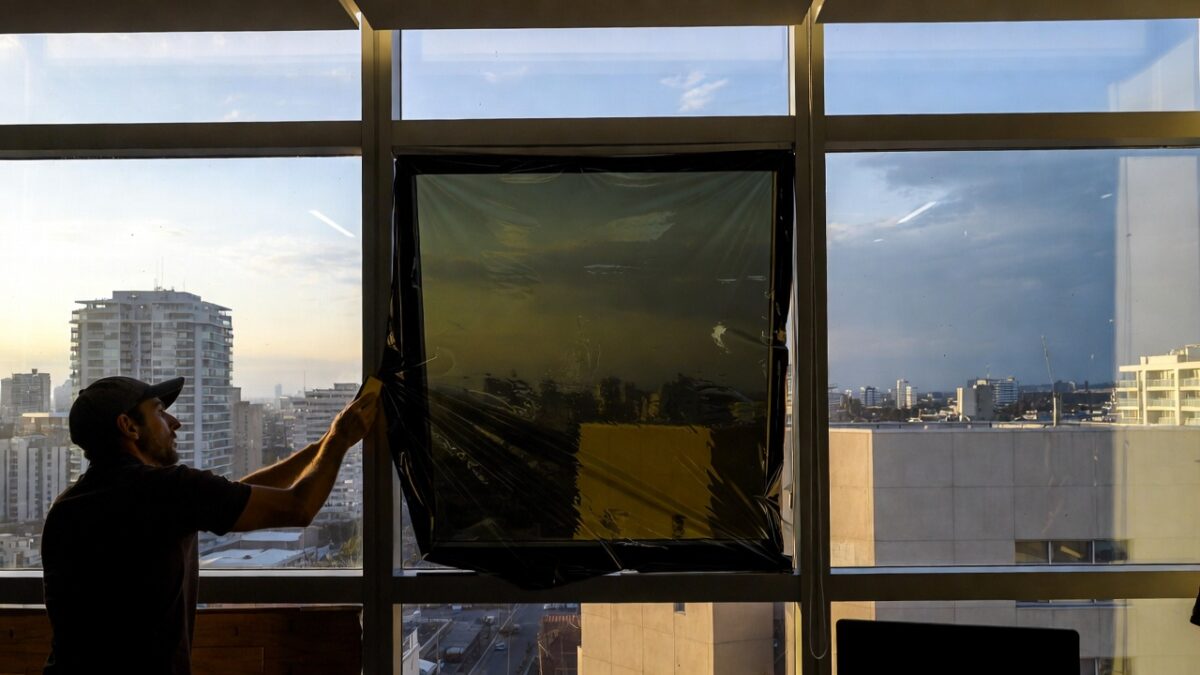
- Application: Using a squeegee, the film is applied to the glass surface, ensuring there are no air bubbles or wrinkles.
- Final Inspection: After the film is applied, the installer will check for any imperfections and make necessary adjustments.

by Thomas Marquize (https://unsplash.com/@tomarquize)
How to Choose the Right Window Film for Your Clients
When selecting window film for your clients, consider the following factors:
- Purpose: Determine whether the primary goal is to reduce heat, increase privacy, enhance aesthetics, or add security.
- Budget: Discuss your client’s budget constraints to find a cost-effective solution that meets their needs.
- Style: Choose a film that complements the existing decor and enhances the overall design of the space.
- Warranty: Ensure the film comes with a warranty for peace of mind.
Conclusion
Window film is a versatile, cost-effective solution that offers numerous benefits for both residential and commercial spaces. For interior designers, it presents an opportunity to provide clients with stylish, energy-efficient solutions that enhance privacy and security without compromising on aesthetics. By incorporating window film into your design projects, you can offer innovative solutions that meet the diverse needs of your clients and contribute to their overall satisfaction.
With its ability to transform spaces while providing practical benefits, window film is an invaluable tool in the modern interior designer’s toolkit. Whether you’re looking to reduce energy costs, enhance privacy, or simply add a decorative touch, window film offers a clear path to achieving your design goals.