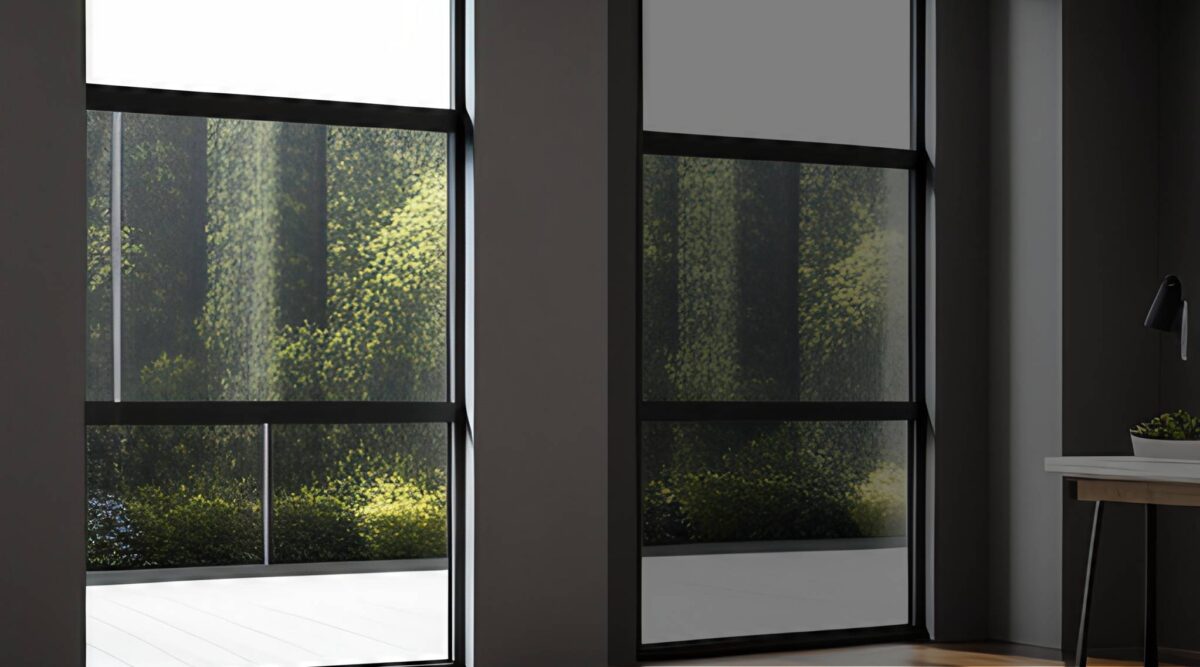
Window tinting is not just for cars anymore. Homeowners are increasingly discovering the benefits of household window tinting, from enhancing privacy to reducing energy costs. In this guide, we’ll explore everything you need to know about household window tinting, helping you make informed decisions that align with your home improvement goals.

Household window tinting offers numerous advantages, making it a popular choice for many homeowners. Whether you’re looking to improve your home’s energy efficiency, enhance privacy, or simply want to add a stylish touch, window tinting can provide a solution.
Energy Efficiency
One of the most significant benefits of window tinting is its ability to reduce energy consumption. By blocking out a substantial amount of solar heat, tinted windows can keep your home cooler in the summer months, leading to lower air conditioning costs. Similarly, they help retain heat during the winter, reducing heating expenses.
Enhanced Privacy
Privacy is a common concern for many homeowners. Privacy window films can obscure the view into your home from the outside while still allowing natural light to pass through. This is an excellent option for rooms that face the street or are in close proximity to neighbors.
UV Protection
Another compelling reason to consider window tinting is the protection it offers against harmful UV rays. Prolonged exposure to UV rays can cause fading of furniture, carpets, and other interior elements. Window films can block up to 99% of UV rays, preserving the longevity of your home furnishings.
Types of Window Films

When it comes to choosing the right window film for your home, there are several options to consider. Each type of film serves a different purpose and comes with its own set of benefits.
Solar Control Films
These films are designed to reduce heat and glare, making them ideal for homes in sunnier climates. Solar control films can significantly lower your cooling costs and provide a more comfortable living environment.
Decorative Films
If you’re looking to add a touch of elegance or artistic flair to your windows, decorative films are the way to go. Available in various patterns and designs, these films can enhance the aesthetic appeal of your home.
Security Films
Security films add an extra layer of protection to your windows. They are thicker than standard films and are designed to hold glass together in the event of breakage, making it more difficult for intruders to gain entry.
Privacy Films
Perfect for bathrooms, bedrooms, or any area where privacy is a concern, these films obscure the view from outside while allowing light to pass through.
Installation Process

by Egor Myznik (https://unsplash.com/@vonshnauzer)
The installation of window tint is a straightforward process, but it’s essential to get it right to ensure the best results. Here’s a step-by-step overview of what you can expect.
Preparing the Surface
Before applying the film, the window surface must be thoroughly cleaned to remove any dirt, dust, or debris. This ensures a smooth application and prevents bubbles from forming under the film.
Measuring and Cutting
The next step involves measuring the window dimensions and cutting the film to the appropriate size. Precision is key here, as any errors can affect the appearance and performance of the film.
Application
The film is applied using a special adhesive. A squeegee is used to smooth out the film and remove any air bubbles, ensuring a clean and professional finish.
Curing Time
After installation, the film needs time to cure. This can take a few days to a couple of weeks, depending on the film type and weather conditions. During this time, it’s important to avoid cleaning the windows to allow the film to adhere properly.
Choosing the Right Window Tint
Selecting the right window tint for your home involves considering several factors, including your specific needs, climate, and budget.
Assessing Your Needs
Determine what you want to achieve with window tinting. Are you looking to enhance privacy, improve energy efficiency, or add a decorative element? Your primary goal will guide your choice of film.
Climate Considerations
The climate in your area can influence the type of film that’s best for your home. In hotter climates, solar control films may be more beneficial, while privacy films might be more suitable for urban areas with close neighbors.
Budget
Window tinting is an investment, and costs can vary depending on the type of film and the size of your windows. Set a budget and explore options that provide the best value for your investment.
Maintenance and Care
To ensure the longevity and performance of your window tint, proper maintenance is crucial.
Cleaning
Use a soft cloth or sponge with a mild soapy water solution to clean tinted windows. Avoid abrasive cleaners or rough materials that could scratch the film.
Inspection
Regularly inspect the film for any signs of damage or peeling. Address any issues promptly to maintain the film’s effectiveness.
Final Thoughts
Household window tinting is a versatile and practical solution for enhancing your home. From improving energy efficiency to offering privacy and protection, the benefits are substantial. By understanding the types of films available and the installation process, you can make informed decisions that enhance your living space while aligning with your personal style and needs.
Embrace the opportunity to transform your home with window tinting and enjoy the added comfort, savings, and aesthetic appeal it brings. Whether you’re an interior designer seeking cost-effective solutions or a homeowner wanting to improve your space, window tinting offers a valuable upgrade to any residence.