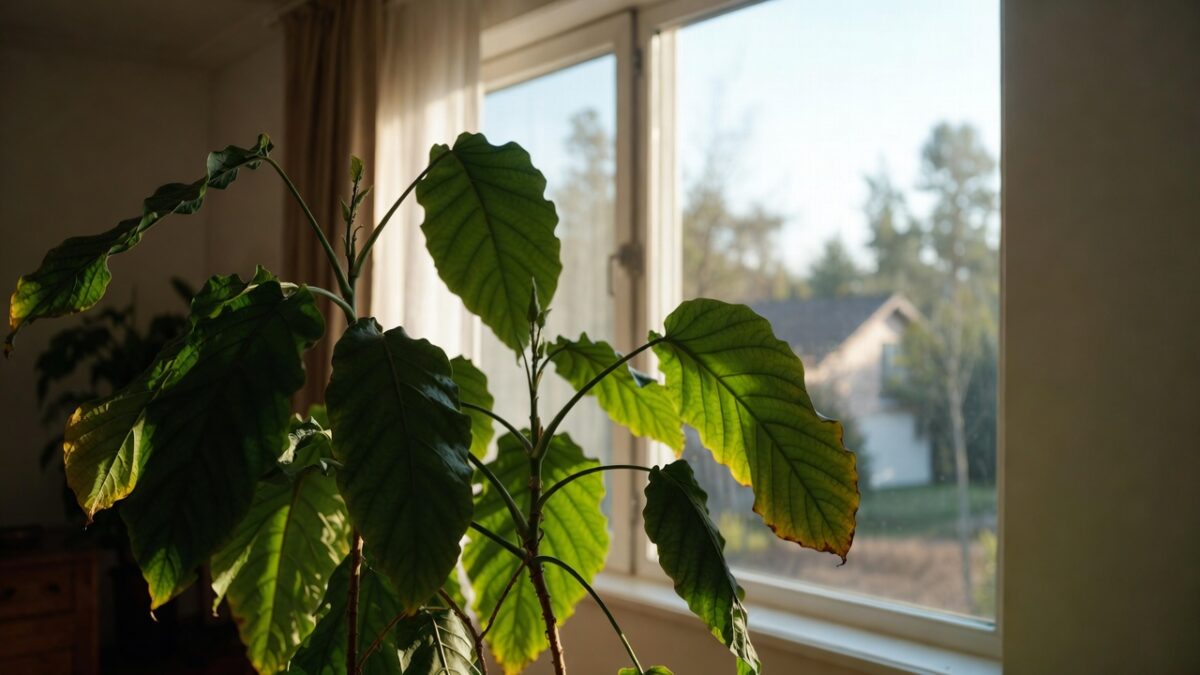
When thinking about window tinting, most homeowners consider its benefits like energy savings, privacy, and glare reduction. However, if you’re an indoor plant enthusiast, you might wonder how window tinting impacts plant health.
Window tinting can be a great addition to any home, but does it affect your indoor plants? Let’s explore the relationship between window tinting and plant health, and what you need to know to keep your plants thriving.

Window tinting involves applying a thin film to your windows. This film can reduce heat, block UV rays, and provide privacy. There are different types of window films, each designed for specific purposes, such as reducing energy costs or enhancing privacy.
When considering window tinting, it’s important to understand the specific needs of your home and how window films can meet those requirements without compromising other aspects, like your plant’s health.
How Does Window Tinting Affect Plant Health?
Light Transmission and Plants
Plants need light for photosynthesis, the process by which they produce energy. The type and amount of light that plants receive can significantly impact their growth and health.
Window films can reduce the intensity of sunlight entering a room. While this can be beneficial in reducing heat and protecting furniture from fading, it can also influence the amount of light your plants receive.
Types of Window Films and Their Impact on Plants
- Solar Control Films: These films are designed to block heat and UV rays while allowing visible light to pass through. They can be beneficial for plants as they reduce harmful UV rays while still providing adequate light.
- Reflective Films: These films reflect sunlight away, significantly reducing the light entering a room. While they are effective for reducing heat, they might not be suitable for rooms with light-loving plants.
- Decorative Films: These are mostly used for privacy and aesthetics, and their impact on light transmission varies based on design. Some decorative films may scatter light, creating a softer light that some plants might prefer.
It’s crucial to choose the right type of window film based on the light requirements of your indoor plants.
Tips for Maintaining Plant Health with Window Tinting

Assess Your Plants’ Light Needs
Before installing window tinting, evaluate the light needs of your plants. Some plants, like succulents and cacti, thrive in bright light, while others, like ferns and snake plants, prefer low to medium light. Understanding these needs will help you choose a window film that complements your plants’ requirements.
Positioning and Arrangement
After tinting your windows, observe how the light changes in your home. You may need to adjust the positioning of your plants to ensure they receive enough light. Placing plants closer to the window or using supplemental lighting can help maintain their health.
Consider Supplemental Lighting
If window tinting reduces natural light too much, consider using artificial lighting. Grow lights can provide the necessary spectrum of light that plants need for photosynthesis. LED grow lights are energy-efficient and can be tailored to the specific needs of your plants.
Benefits of Window Tinting Beyond Plant Health
While considering plant health is important, window tinting offers numerous benefits that can enhance your living space.
Energy Efficiency
Window tinting can significantly reduce your energy bills by preventing heat from entering in the summer and retaining heat during the winter. This creates a more comfortable living environment while being eco-friendly.
Enhanced Privacy and Security
Tinted windows offer privacy by reducing visibility from outside without the need for curtains or blinds. Additionally, they add a layer of security by holding glass together in case of breakage.
UV Protection
Window films block up to 99% of harmful UV rays, which not only protects your furniture and flooring from fading but also safeguards your skin from UV damage.
Real-Life Examples: Homeowners’ Experiences

by Kate Darmody (https://unsplash.com/@kdarmody)
Many homeowners have successfully integrated window tinting into their homes without compromising plant health. For instance, an interior designer in California applied solar control window films in her studio, which housed numerous indoor plants. By choosing the right film and adjusting plant placement, she was able to maintain a lush, green environment while enjoying reduced glare and energy savings.
Another homeowner in Texas installed reflective films in areas with minimal plant presence and opted for solar control films in plant-heavy rooms. This strategic approach allowed for optimal plant health while maximizing energy efficiency.
Making the Right Choice for Your Home
Choosing the right window film requires understanding the balance between light control and plant health. Consult with a window film professional to assess your needs and find the best solution. By considering factors like the direction your windows face, the type of plants you have, and your energy efficiency goals, you can make an informed decision that benefits both your home and your indoor garden.
Conclusion
Window tinting doesn’t have to be a dilemma for plant lovers. With the right approach, you can enjoy the benefits of window films while keeping your indoor plants healthy and vibrant. Assess your plants’ needs, choose the appropriate window film, and make adjustments as necessary to ensure a thriving indoor environment.
By doing so, you can create a harmonious living space that combines the beauty of nature with the practical benefits of modern home improvement solutions.